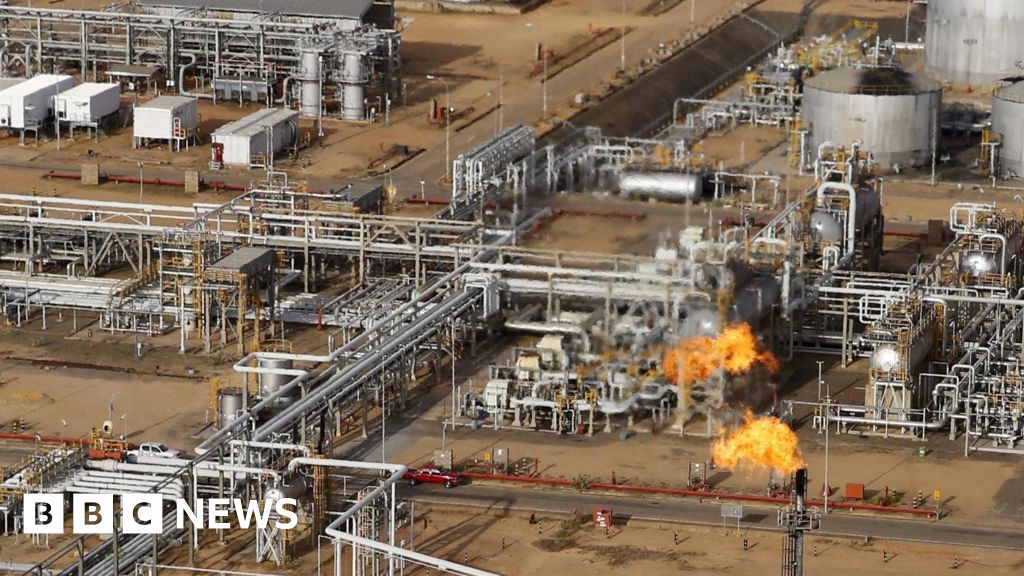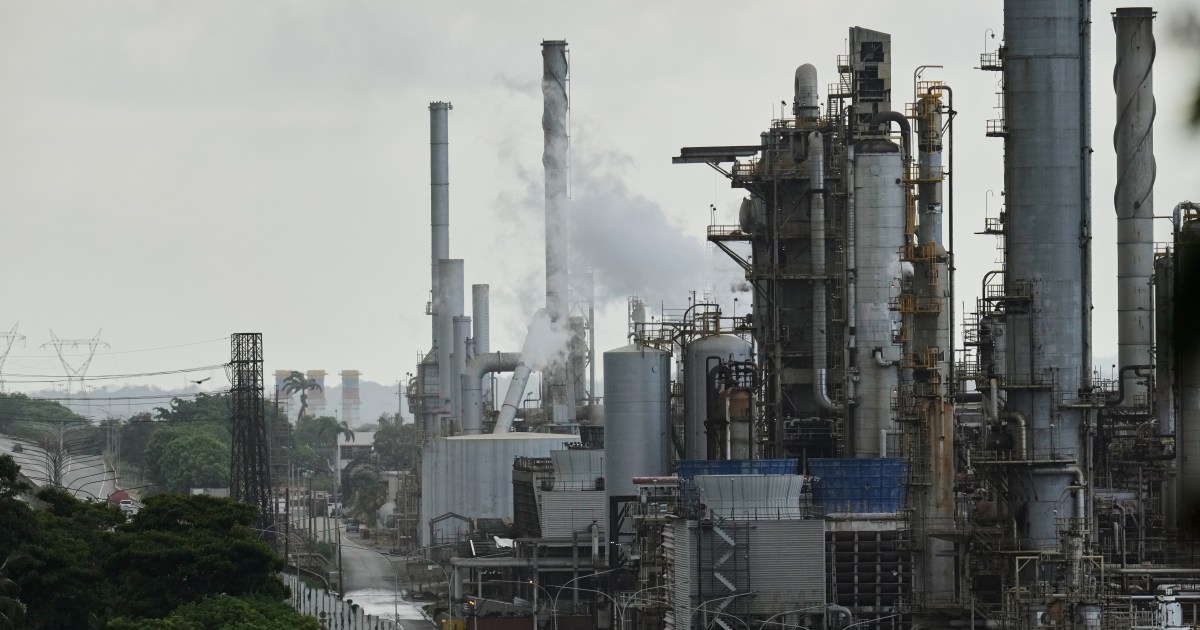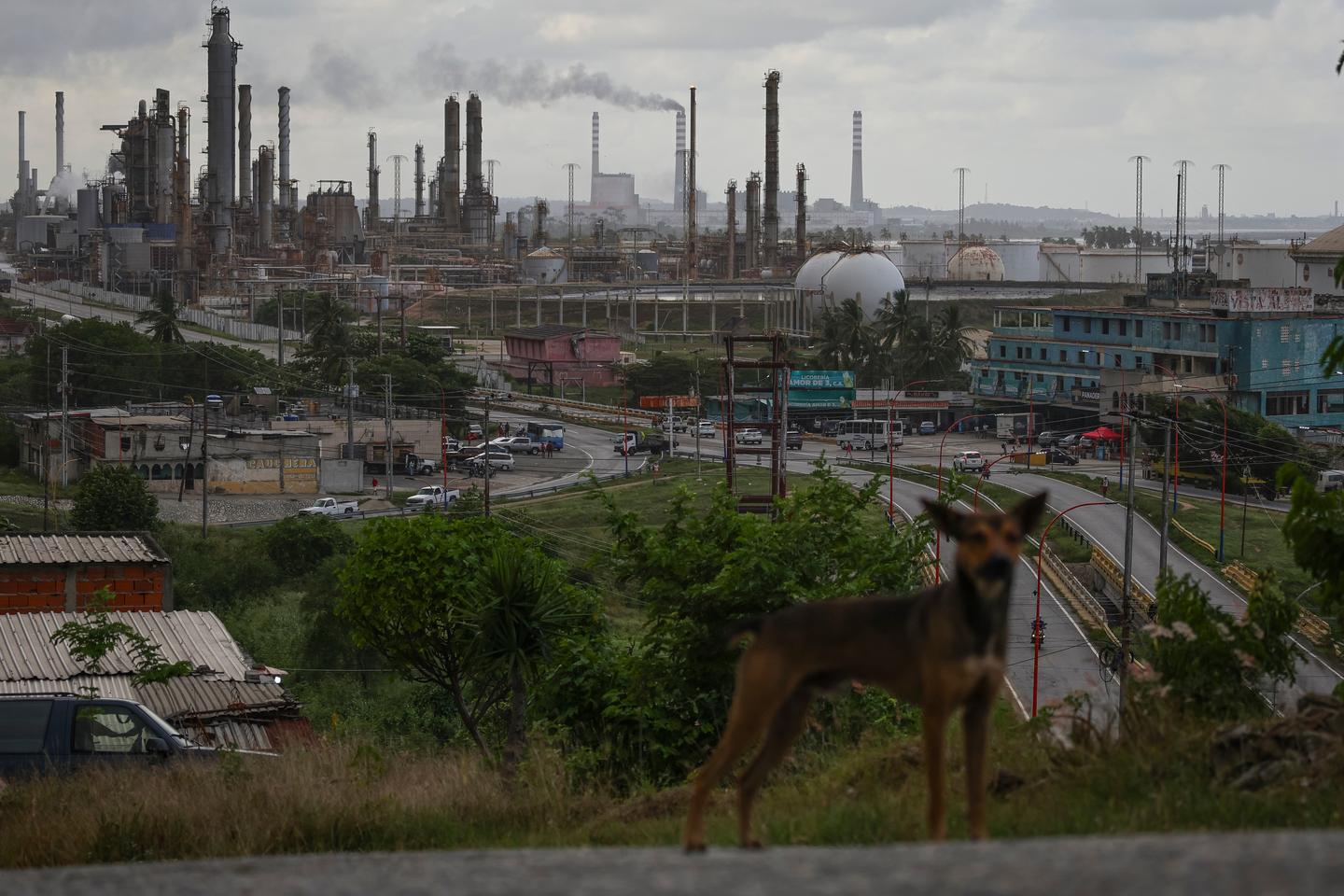
The El Palito refinery, owned by Venezuela's national oil company PDVSA, one of the largest in the country, in Puerto Cabello, on December 21, 2025. JESUS VARGAS/PICTURE-ALLIANCE/DPA/AP
For months, US officials justified pressure on Venezuela by calling it a war on drug trafficking. Now, a different priority has emerged: access to oil in the Latin American nation, which sits atop the world's largest crude reserves. Soon after the ousting of Venezuelan President Nicolas Maduro, who was abducted during a raid by US special forces at dawn on Saturday, January 3, Donald Trump asserted that the door had opened for the return of American oil majors.
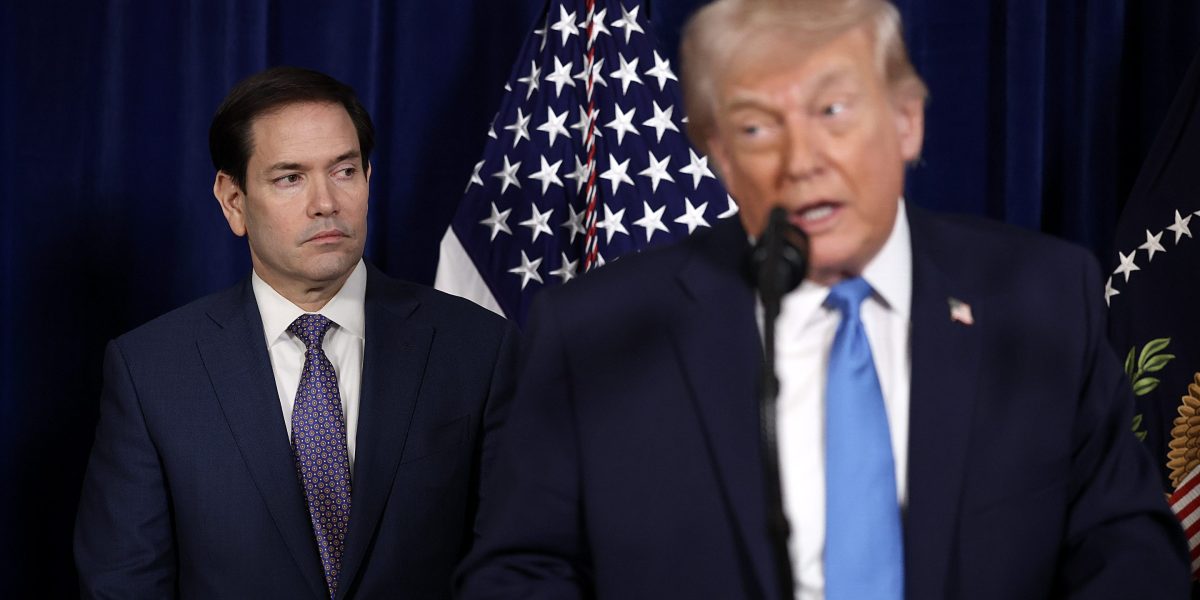
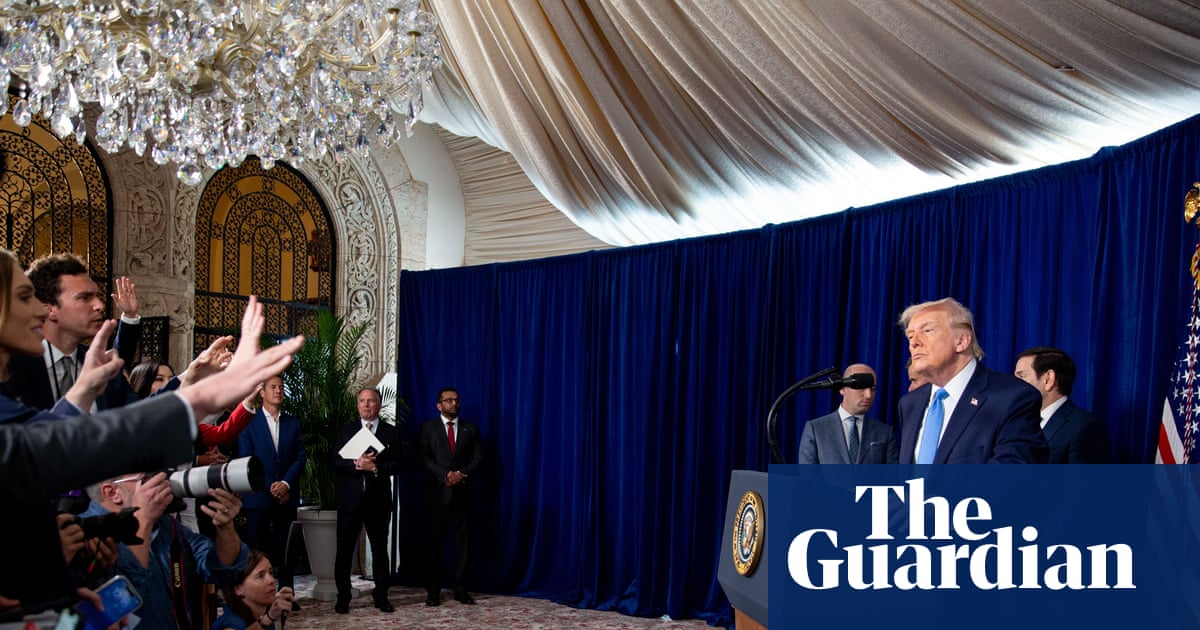
"We're going to have our very large United States oil companies, the biggest anywhere in the world, go in, spend billions of dollars (...) and start making money for the country," said the US president at a press conference Saturday in Florida.
That is the general plan. The details, however, remain vague. It is unclear to what extent oil giants such as ExxonMobil or ConocoPhillips would be willing to inject massive amounts of capital into a Venezuela governed by a provisional administration with questionable legitimacy. The country's oil industry is in complete disarray after two decades of corruption and lack of investment, problems that have been further exacerbated by US sanctions. Currently, Chevron is the only American company operating in Venezuela, thanks to a waiver granted by Washington.