May 21, 2026
3 min read
Add topic to email alerts
Receive an email when new articles are posted on
Please provide your email address to receive an email when new articles are posted on .
CHICAGO — Insulin resistance markers and BMI were more effective in detecting steatotic liver disease among adolescents and young adults compared with glycemic and lipid measurements, according to study results. The data, presented at Digestive Disease Week, showed that BMI, estimated glucose disposal rate (eGDR) and homeostatic model assessment of insulin resistance (HOMA-IR) were
May 21, 2026
3 min read
Add topic to email alerts
Receive an email when new articles are posted on
Please provide your email address to receive an email when new articles are posted on .

Researchers have developed a targeted fibrosis screening strategy that reduces the number of adults flagged for testing, doubling…

Use of an electronic health record-based marker could help clinicians identify liver transplant recipients who are at risk for…

The use of BMI or waist circumference to diagnose obesity may be more accurate than The Lancet Diabetes & Endocrinology…

When we think about fatty liver, the intuitive culprit is dietary fat. Yet the dominant dietary drivers for metabolic…
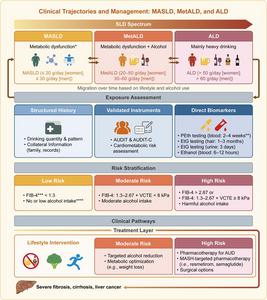
A new conceptual article published in eGastroenterology proposes that metabolic dysfunction-associated steatotic liver disease…

Use of GLP-1s was associated with significantly reduced risk for hepatic complications among patients with metabolic…