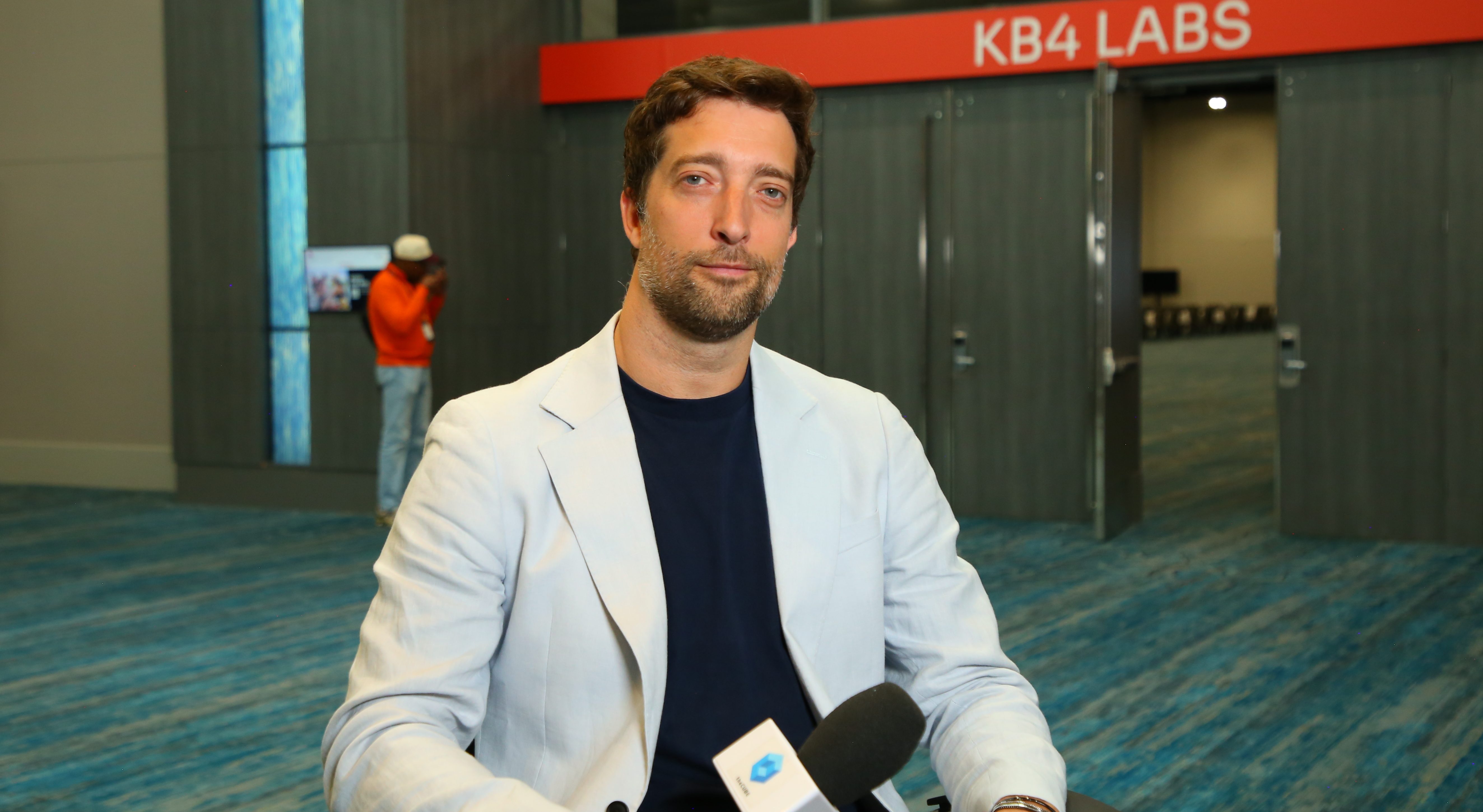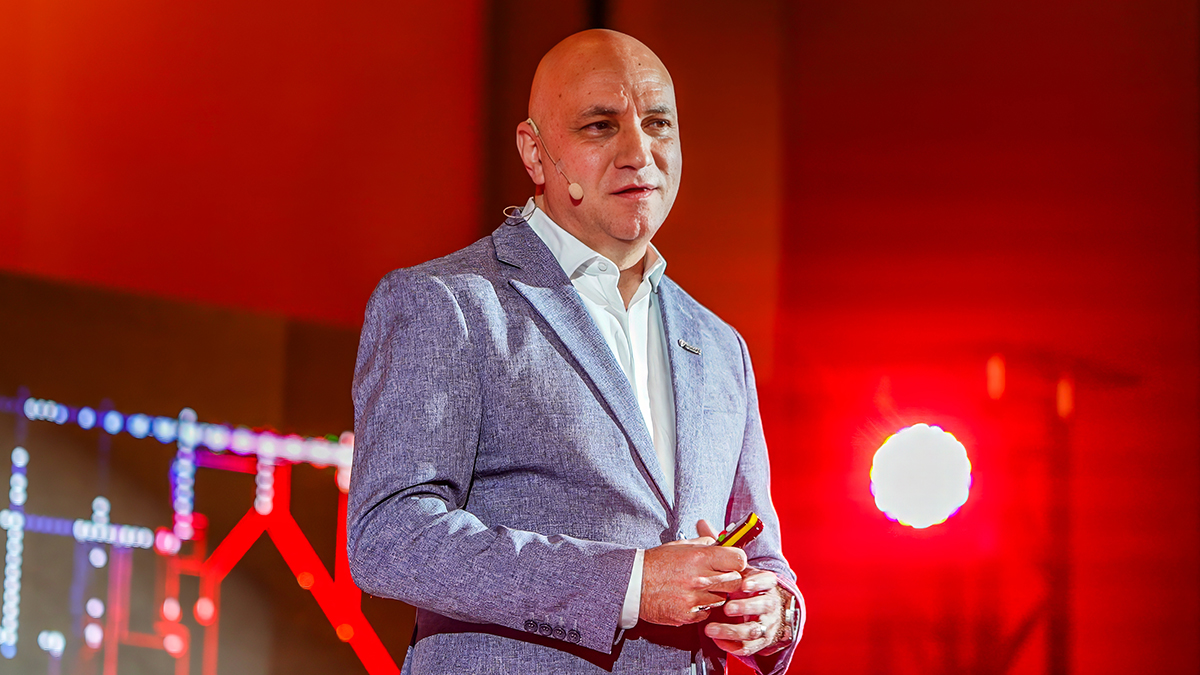
Rogue AI threatens enterprises as rapid innovation accelerates automation, productivity and decision-making beyond governance and security controls. (Image: 123RF) AI is rapidly reshaping the enterprise, driving productivity, automation and faster decision-making. But alongside innovation comes a new category of risk: rogue AI, warns Citrix.Rogue AI refers to AI systems, tools or autonomous agents operating outside enterprise governance, security policies or visibility, the company explains.The Cloud Software Group-owned company plans to elaborate on this topic at the ITWeb Security Summit 2026 in Johannesburg, in a presentation by its account technology strategist Mark Apker.Speaking to ITWeb ahead of the summit, Pierpaolo Taliento, VP for EMEA at Cloud Software Group, explains Citrix’s view on AI: “AI is no longer just a productivity tool; it is becoming an active participant in enterprise operations. As AI agents gain autonomy and browsers become intelligent workspaces, the security perimeter continues to disappear. The question is no longer whether rogue AI will enter the enterprise – the question is whether your organisation has the visibility, control and zero trust architecture required to contain it.”Taliento says organisations are facing a growing attack surface that traditional security models were never designed to handle. “AI-driven attacks are enabling cyber criminals to launch faster, more sophisticated and highly targeted threats, making proactive detection, zero trust security and continuous monitoring critical for modern enterprises. At the same time, increasingly interconnected supply chains have expanded the attack surface, exposing organisations to third-party vulnerabilities that can disrupt operations, compromise sensitive data and impact business continuity,” he adds.Citrix also underlines the impact of a global shortage of cyber security skills, adding that this issue intensifies these risks as organisations struggle to maintain adequately trained security teams capable of responding to evolving threats in real-time. The company says Africa’s cyber security market is expected to see significant growth into 2026, driven not only by AI adoption but also by broader digital transformation initiatives taking place across governments, financial services, telecoms, healthcare and critical infrastructure sectors. Citrix adds that while AI will undoubtedly dominate discussions – both as a business enabler and a cyber risk factor – the market is increasingly being shaped by the need for resilient, scalable and secure digital infrastructure. The company will use the event platform to emphasise that cyber resilience is no longer just an IT priority – it is a core business imperative. As organisations navigate increasingly sophisticated AI-driven threats, hybrid work environments and expanding digital ecosystems, security strategies must evolve from reactive defence to proactive resilience built on visibility, zero trust principles and operational simplicity. From Citrix’s participation, the critical message for business leaders is that security and user experience must work together, not compete with one another. “Organisations can reduce risk, improve productivity and strengthen business continuity by adopting secure digital workspace solutions that provide seamless, reliable and secure access to applications and data from anywhere," says Taliento. "Simplifying infrastructure and consolidating security approaches can significantly improve an organisation’s ability to respond to threats, reduce operational overhead and support long-term digital transformation goals. In today’s environment, resilience depends not only on strong technology but also on strategic partnerships, adaptability and the ability to securely enable business agility at scale.”
Citrix warns of rogue AI as enterprise attack surface grows
The company will discuss AI governance and zero trust at the ITWeb Security Summit 2026 in Johannesburg.
529 words~2 min read