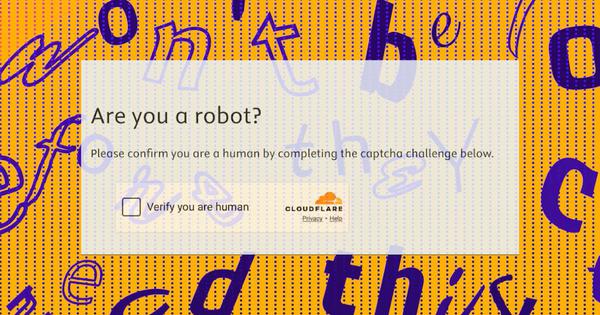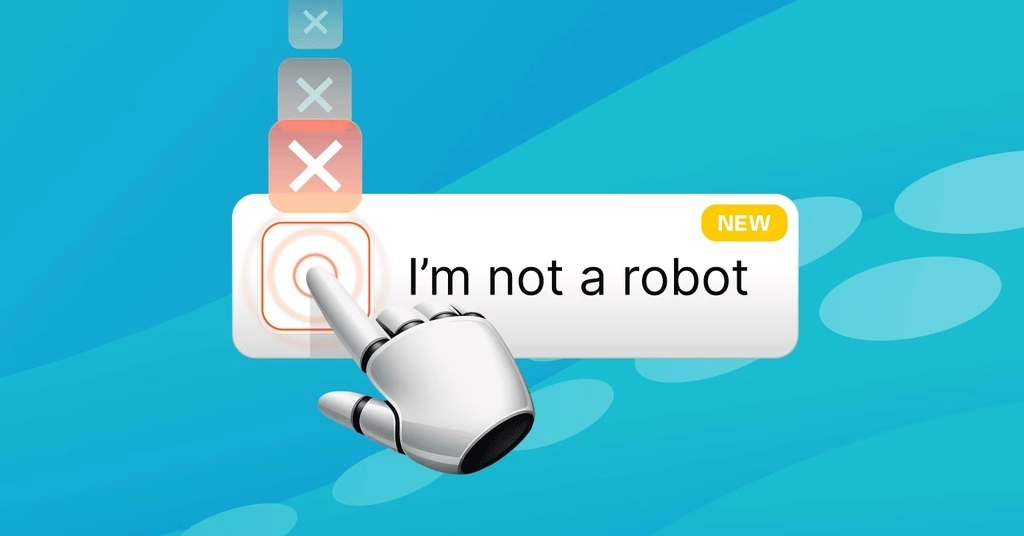
Modern captchas aren't the simple puzzle-clicking tests anymore. They're full-blown behavioral and environmental verification systems. They look at everything — your browser fingerprint, device parameters, how you move your mouse, how you interact with the page. That little box you tick or the traffic lights you click? Just the final layer of a much deeper process.
If you're building scrapers, automation scripts, or working with anti-detect browsers, you need to understand how these things actually work under the hood. In practice, captcha handling comes down to two things:
Scoring — who calculates your risk score and what model they use.
Signals — what data gets collected from your browser and how it's sent to the verification server.
Different captcha providers do this differently. In this article, we break down three of the most common and technically advanced ones: reCAPTCHA v3, Cloudflare Turnstile, and hCaptcha. We'll look at how each one is built, what signals they grab, and how they decide whether you're a human or a bot.