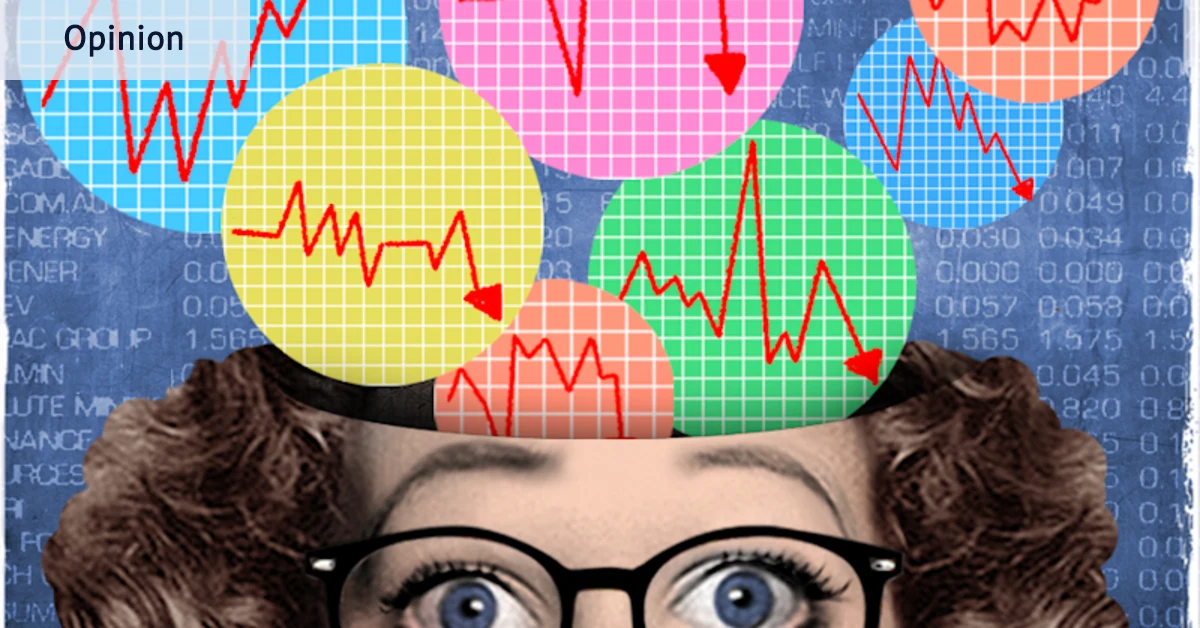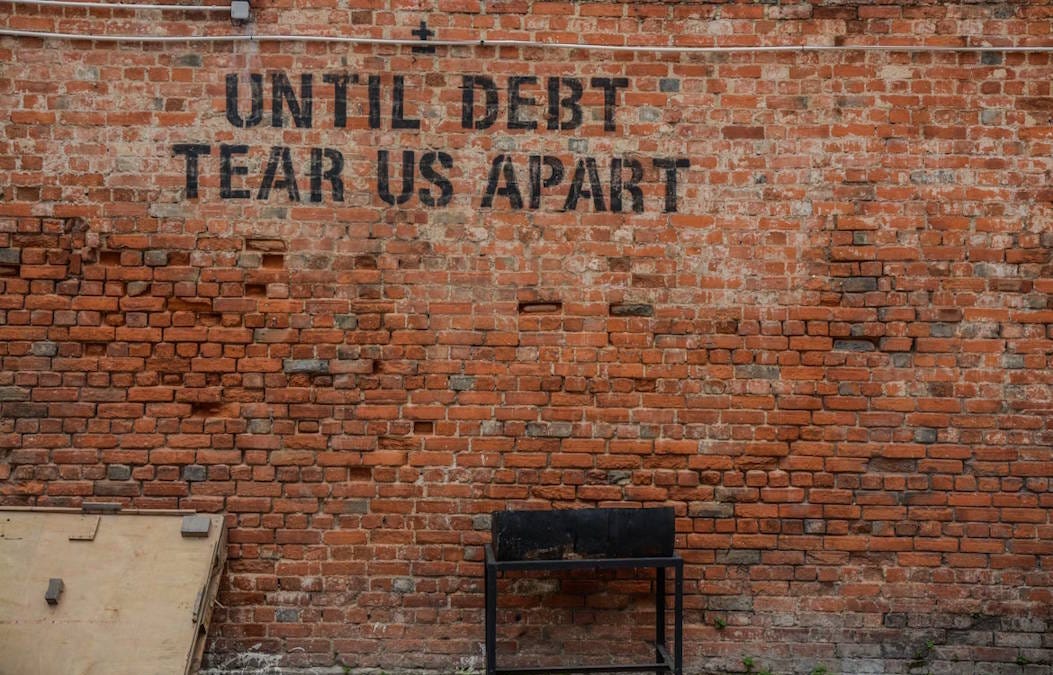
Are you guilty of doomspending? If you’ve looked at the state of the economy and thought, “You know what, I will get those expensive concert tickets,” then you’re not alone. Doomspending is the modern phenomenon of spending money to cope with the stress of looming disaster, whether that’s political, economic, environmental … you name it! And it’s an understandable impulse, but that doesn’t mean you should keep up the habit.This week, host Reema Khrais talks with The Financial Diet’s Chelsea Fagan and behavioral economist Judd Kessler about the role doomspending plays in our lives, and why we should find other ways to manage anxiety about the state of the world. A few takeaways from this episode: If you feel ashamed about doomspending, try to let that go. Fagan said, “You're not a bad person because you filled up your cart on the TikTok shop and then charged it to Klarna and are gonna be paying that off for the next 24 months.” Instead, she wants consumers to turn their ire toward the forces making them anxious in the first place, whether that’s politicians or buy-now-pay-later apps. Doomspending comes from a very real anxiety about our economic moment. “The cost of housing has gotten insane, the cost of lots of things that [Gen-Z]’s parents were able to buy might be out of reach,” Kessler said, “but that doesn’t mean that saving for the future isn’t valuable.”When anxiety hits, try turning toward connection instead of consumption. “Interact with other people. If you’re volunteering … you’re getting a flow of happiness that’s coming from something other than a purchase. And that kind of community can be a lasting positive impact,” Kessler said. If you liked this episode, share it with a friend. And if you want to tell us what you thought about the episode or anything else, email us at uncomfortable@marketplace.org or fill out the form below.
Everything's on fire, might as well get my nails done?
The Financial Diet’s Chelsea Fagan and behavioral economist Judd Kessler explain why we doomspend, and what we should do instead.
315 words~1 min read