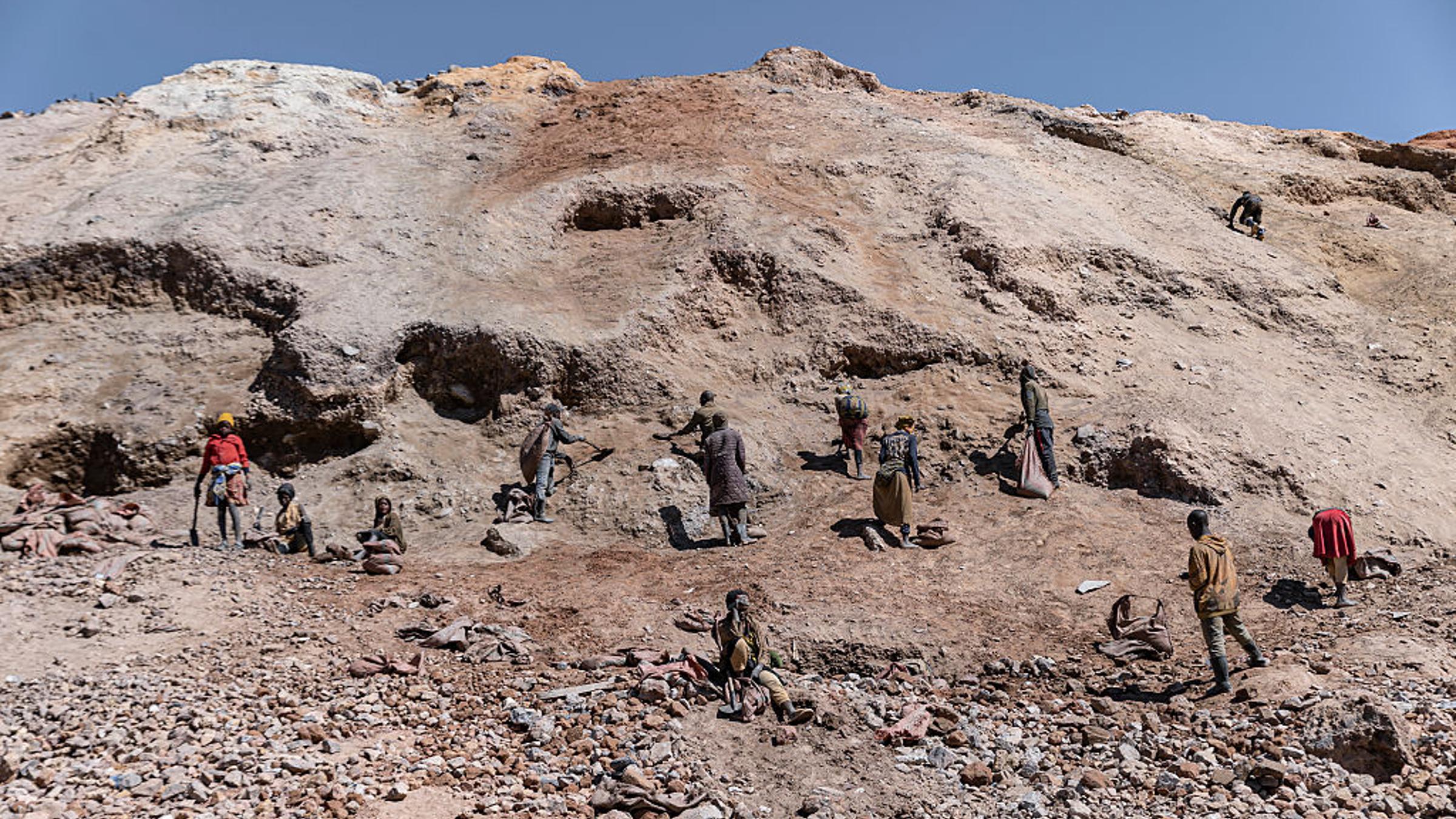
We’re over a year into the second Trump administration here in the US, and support for climate causes is weak. But climate tech companies are finding ways to survive and even thrive in this new environment, including by focusing on potential benefits outside decarbonization. Suddenly, it feels like every climate tech company has a story to tell about topics that are politically in vogue: data centers, energy abundance, or critical minerals. In my newest story, I covered Boston Metal’s latest funding round. Largely known for its efforts to produce steel with lower greenhouse gas emissions, the company raised $75 million from new and existing investors to help support its critical metals business. Focusing on metals like niobium and tantalum won’t have the massive climate benefit that cleaner steel would, but it could generate the cash the company needs to keep going. It’s a strategy I’m noticing more as these tough industries like steel look ever tougher to succeed in with limited federal support in the US. Boston Metal’s molten oxide electrolysis technology uses electricity to produce metals.
I covered the startup last year, when it announced a major milestone for its steel business, running its pilot reactor in Massachusetts and producing a literal ton of material. Now the company’s focus has shifted, and it is going all-in on making other metals, from niobium and tantalum (used in aircraft engines and high-end steel alloys) to chromium and vanadium.