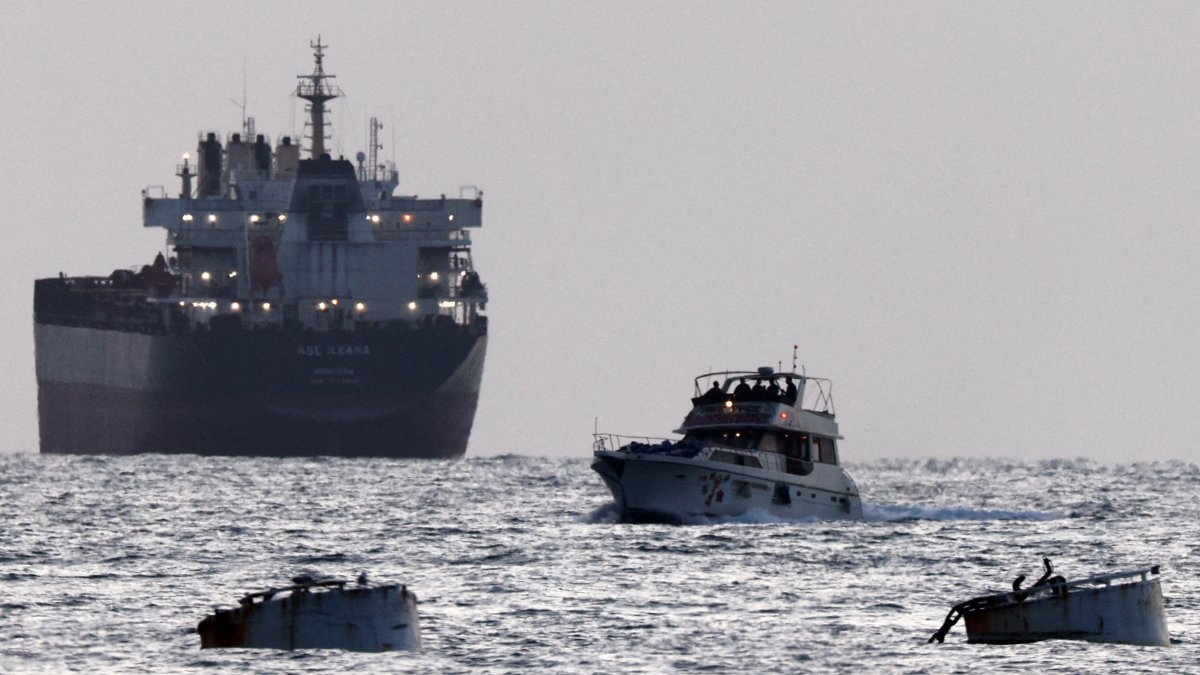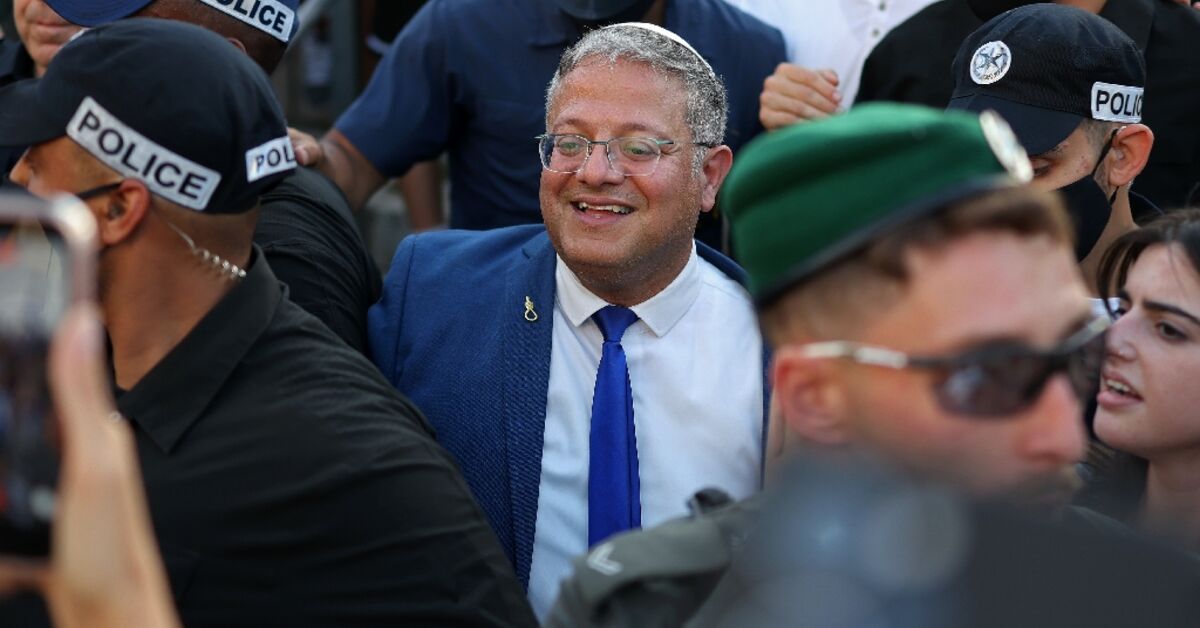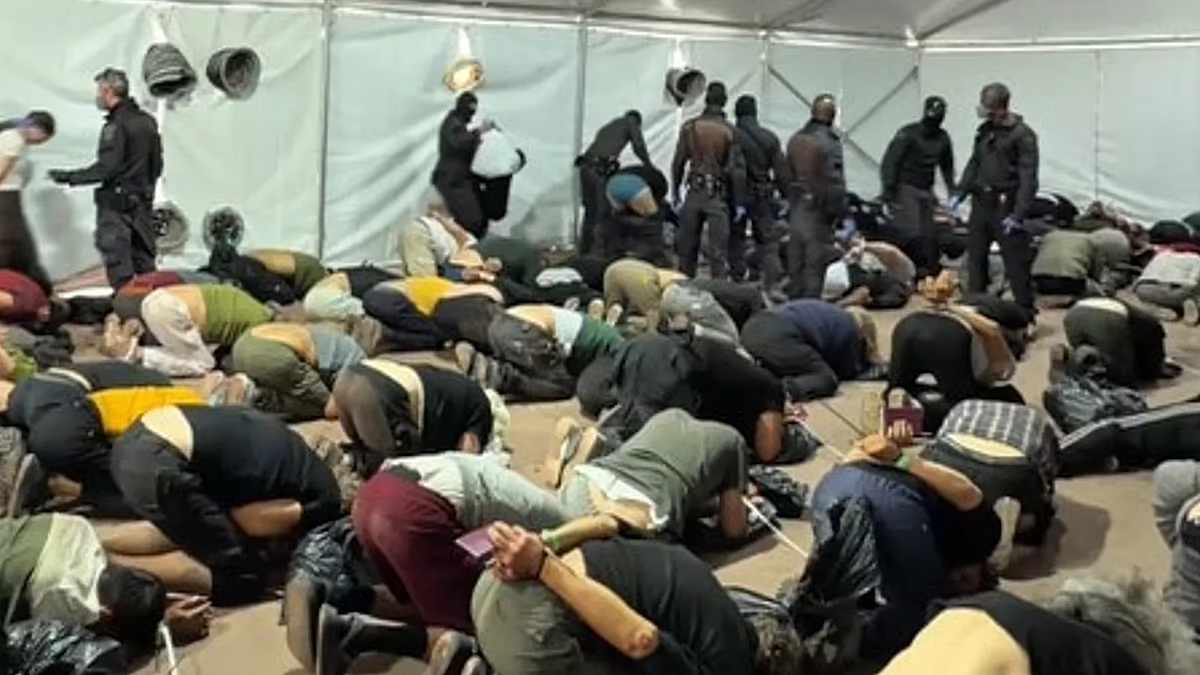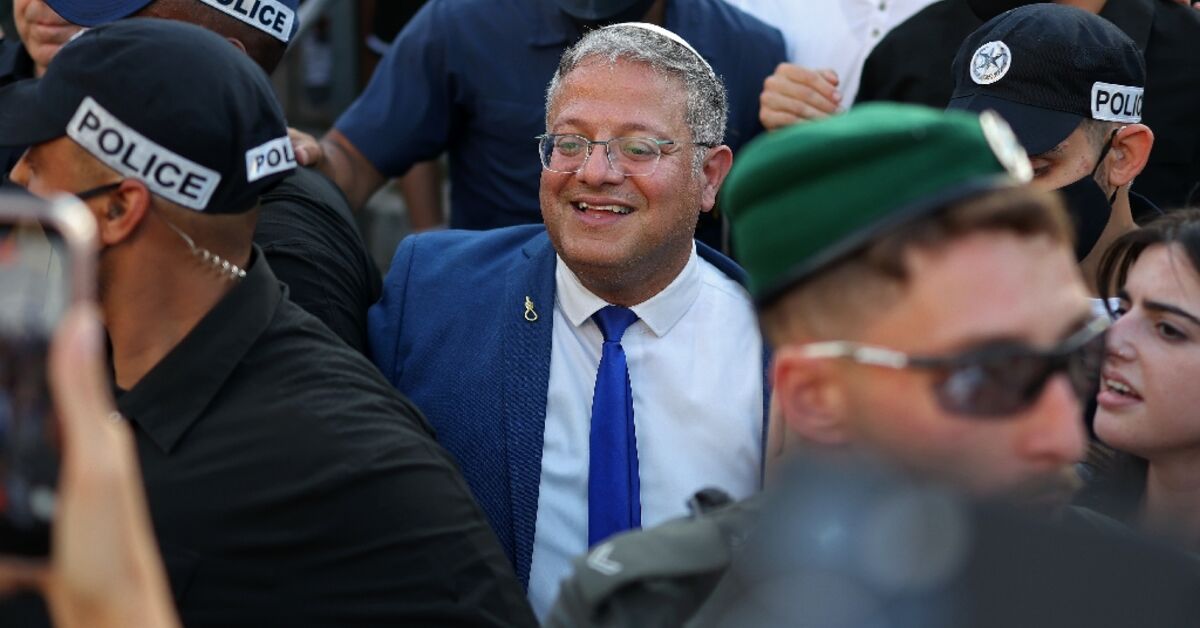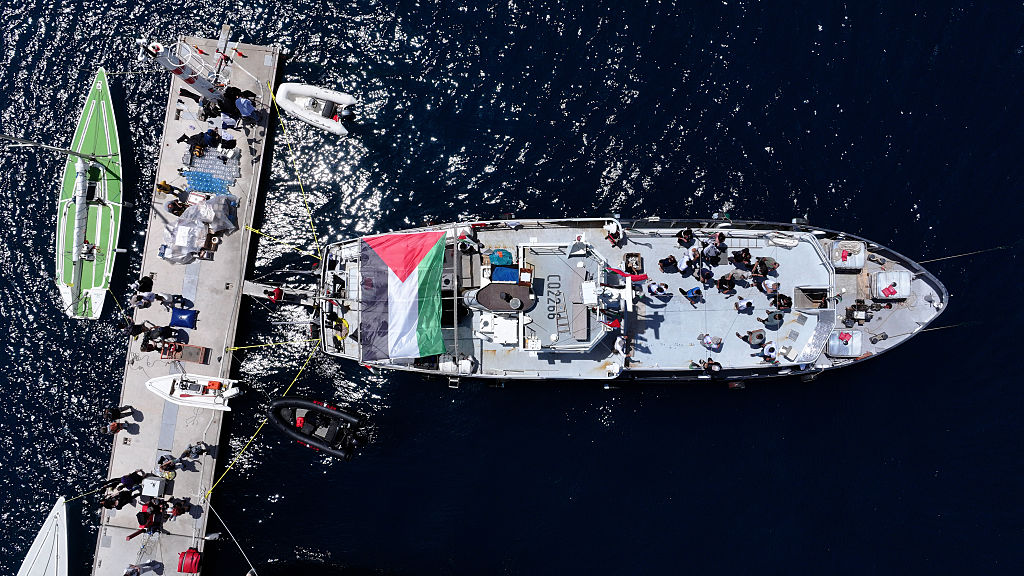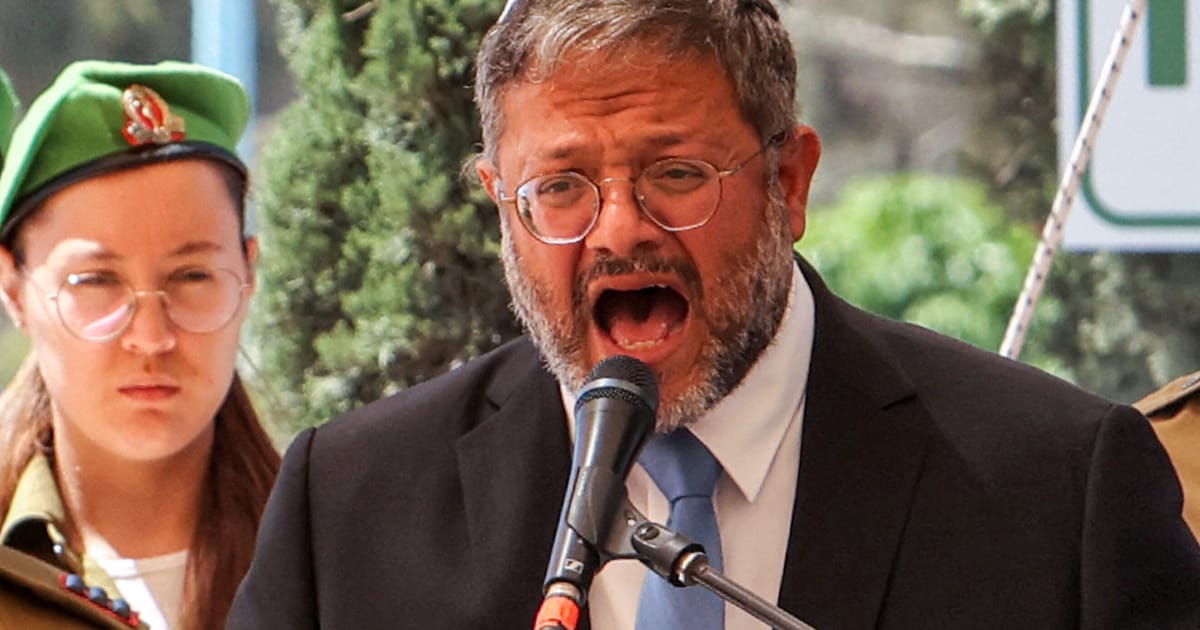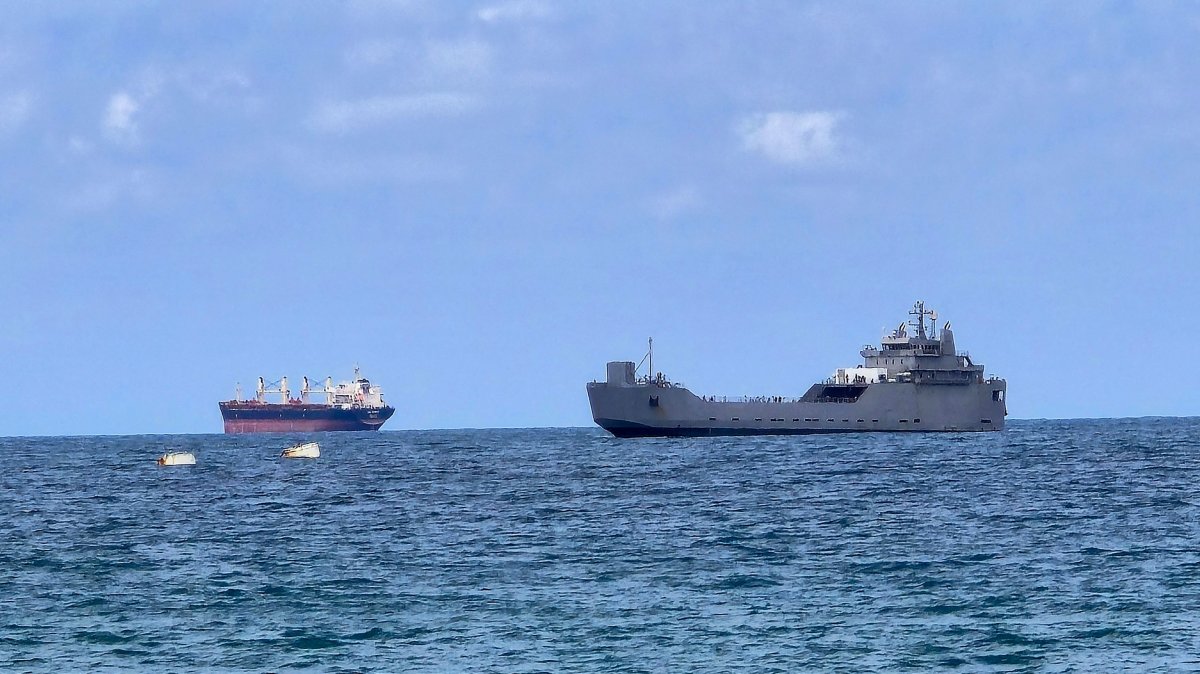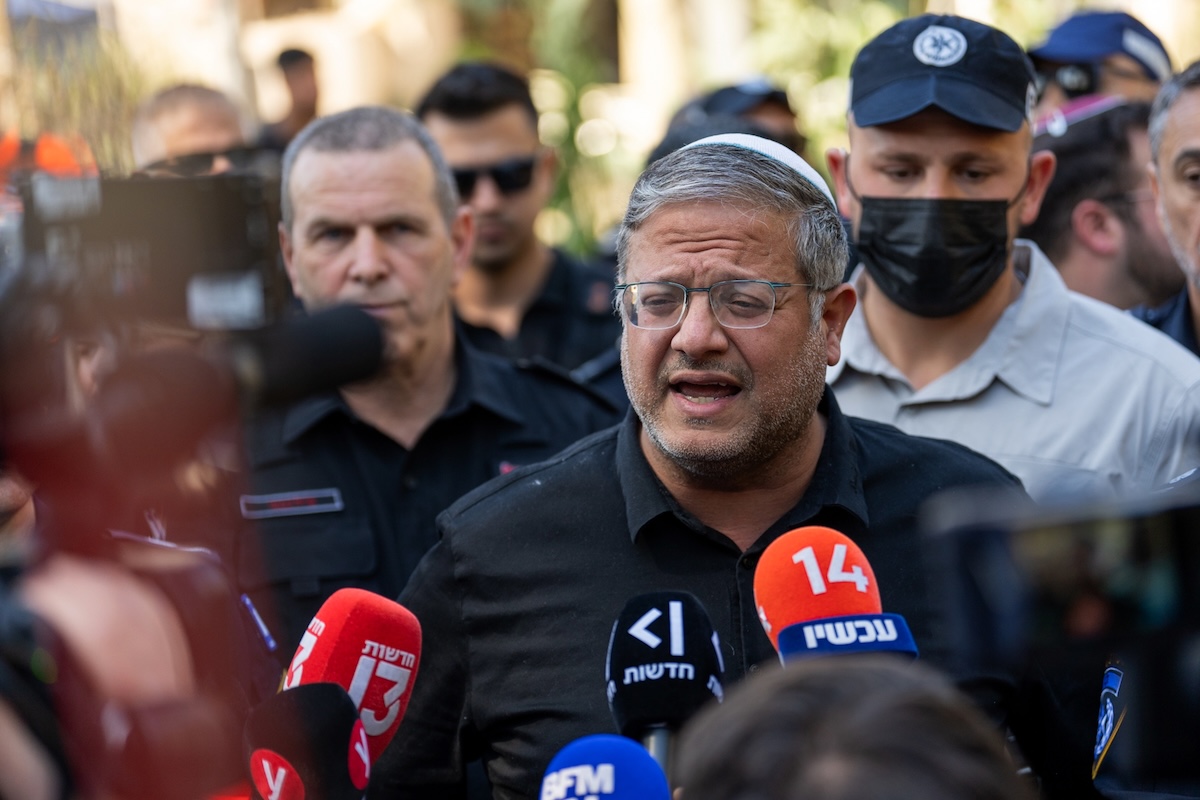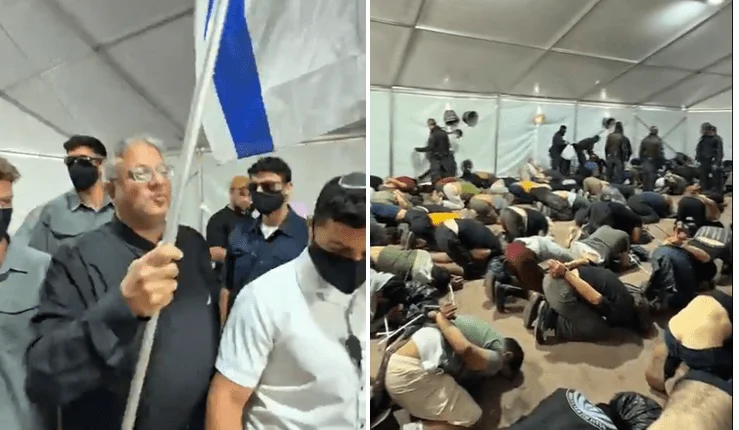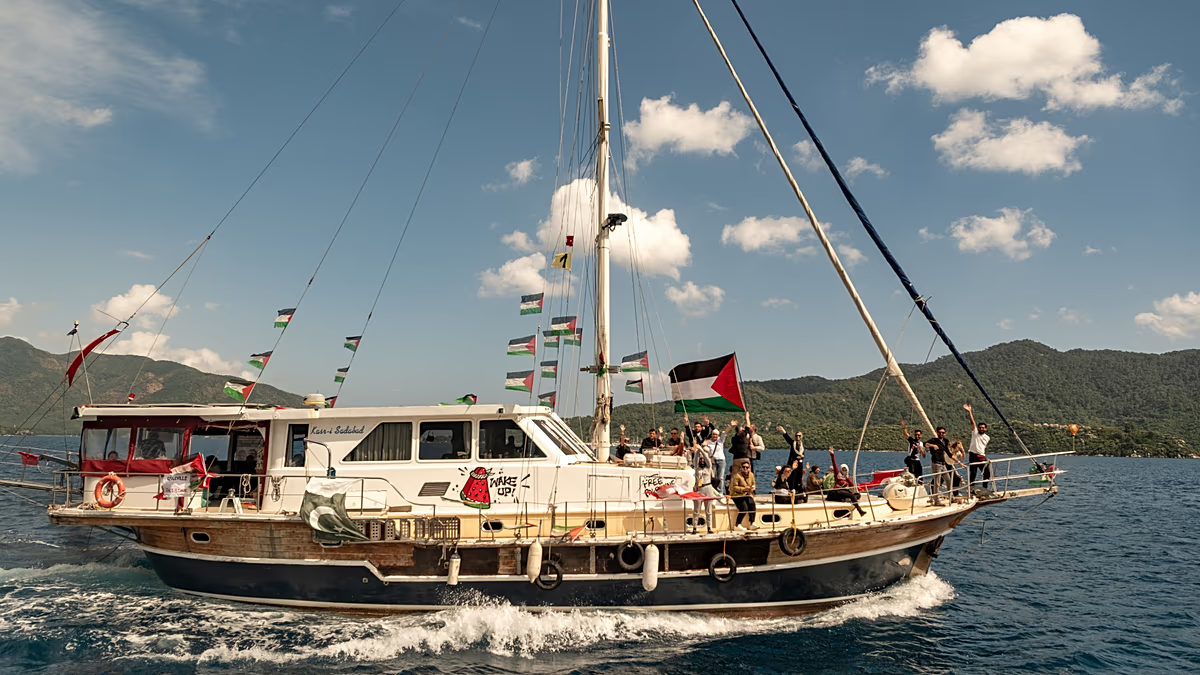
The taunting of flotilla activists by Israeli far-right minister Itamar Ben-Gvir has led to renewed calls for the EU to impose sanctions on him.European sanctions must be implemented “on an urgent basis”, Spain's Prime Minister Pedro Sanchez said, while Ireland's Deputy Prime Minister Simon Harris called for a “strong, unambiguous EU response”. “It is long past time for Europe to act,” Mr Harris said on Thursday.More than 400 activists have been released from detention in Israel and are on their way to be deported back to their countries, Israeli non-profit legal centre Adalah said. Protesters had gathered in capitals around the world, including Athens, demanding their release.Several European leaders said they would summon Israeli ambassadors and expressed outrage over the incident. “Appalled by the treatment of flotilla members by Israeli minister Ben-Gvir,” wrote European Council President Antonio Costa on X. “This behaviour is completely unacceptable. We call for their immediate release.”The unprecedented criticism against National Security Minister Mr Ben-Gvir was also echoed at the top of the Israeli government, with condemnations issues by Prime Minister Benjamin Netanyahu and Foreign Minister Gideon Saar. Mr Ben-Gvir walks among flotilla activists detained by Israeli forces, in Ashdod Port. Office Of Itamar Ben-Gvir / ReutersInfoProvocationsAs the supervisor of Israel's system of imprisonment, Mr Ben Gvir has boasted in the past of worsening the treatment of Palestinians in prison and conducted provocative visits to Al Aqsa mosque compound. He was also behind the adoption of a death penalty law aimed at Palestinians, which he celebrated by opening a bottle of champagne in the Knesset in March.But Mr Ben-Gvir's past provocations had never been met with the international outrage caused by him parading between blindfolded and kneeling European activists on a Gaza-bound flotilla after their arrest by Israeli forces. With many Italians on the boat, Italian leader Giorgia Meloni was among the quickest in Europe to react and demanded an apology. Others were more cautious. French Foreign Minister Jean-Noel Barrot condemned both the flotilla activists and Mr Ben Gvir. Activists outside the Foreign Ministry in Athens. ReutersInfoAlongside Finance Minister Bezalel Smotrich, Mr Ben Gvir has long been described as “extremist” in Brussels, but there has been little appetite to impose sanctions on the duo at EU level. It was a move suggested by the European Commission in September among several other proposals against Israel amid the Gaza war. They were all shelved the following month after a ceasefire.Imposing sanctions on individuals requires unanimous backing from the EU's 27 states. It remains unlikely in the case of the two Israeli ministers. Czech Foreign Minister Petr Macinka on Wednesday vowed during a visit by Mr Saar to continue blocking any attempt at suspending in part or in full the EU-Israel association agreement. Israeli National Security Minister Itamar Ben-Gvir at Al Aqsa mosque. ReutersInfoIsrael is in breach of the agreement, according to the EU's external action service, which found last year that its human rights clause had been violated in Gaza.With decision-making blocked in Brussels, some EU states such as Spain, the Netherlands and Belgium, have moved forward unilaterally and banned Mr Ben Gvir and Mr Smotrich from visiting their territory. Outside the EU, the UK, Norway, Canada, Australia and New Zealand have issued similar bans. Another proposal tabled by the European Commission is to suspend preferential trade tariffs with Israel, which would lead to increased costs for it to export products to Europe. This would require a qualified majority vote, but faces Italian and German opposition. At their last meeting in Brussels, the EU's 27 foreign ministers agreed to imposed sanctions on a handful of extremist Israeli settlers known for harassing Palestinians, but they have yet to be named. This was the first time in more than two years such an agreement was struck due to a previous Hungarian veto, which was dropped after a change in government. From left, Israeli Foreign Minister Gideon Saar and Czech Foreign Minister Petr Macinka. EPAInfoIn the past months, France and Sweden have called on the European Commission to focus instead on restricting trade with illegal Israeli settlements in the occupied Palestinian territories. The commission has so far made no proposal. Some EU states such as Spain and Slovenia last year moved ahead unilaterally with a ban, pointing to an advisory opinion of the International Court of Justice calling on states to abstain from economic or trade dealings with settlements.Thomas Helm contributed to this report
EU under pressure to take action against Israel's Ben-Gvir after 'unacceptable' flotilla taunts | The National
National Security Minister parades among some of the more than 400 activists who are set to be deported
733 words~3 min read