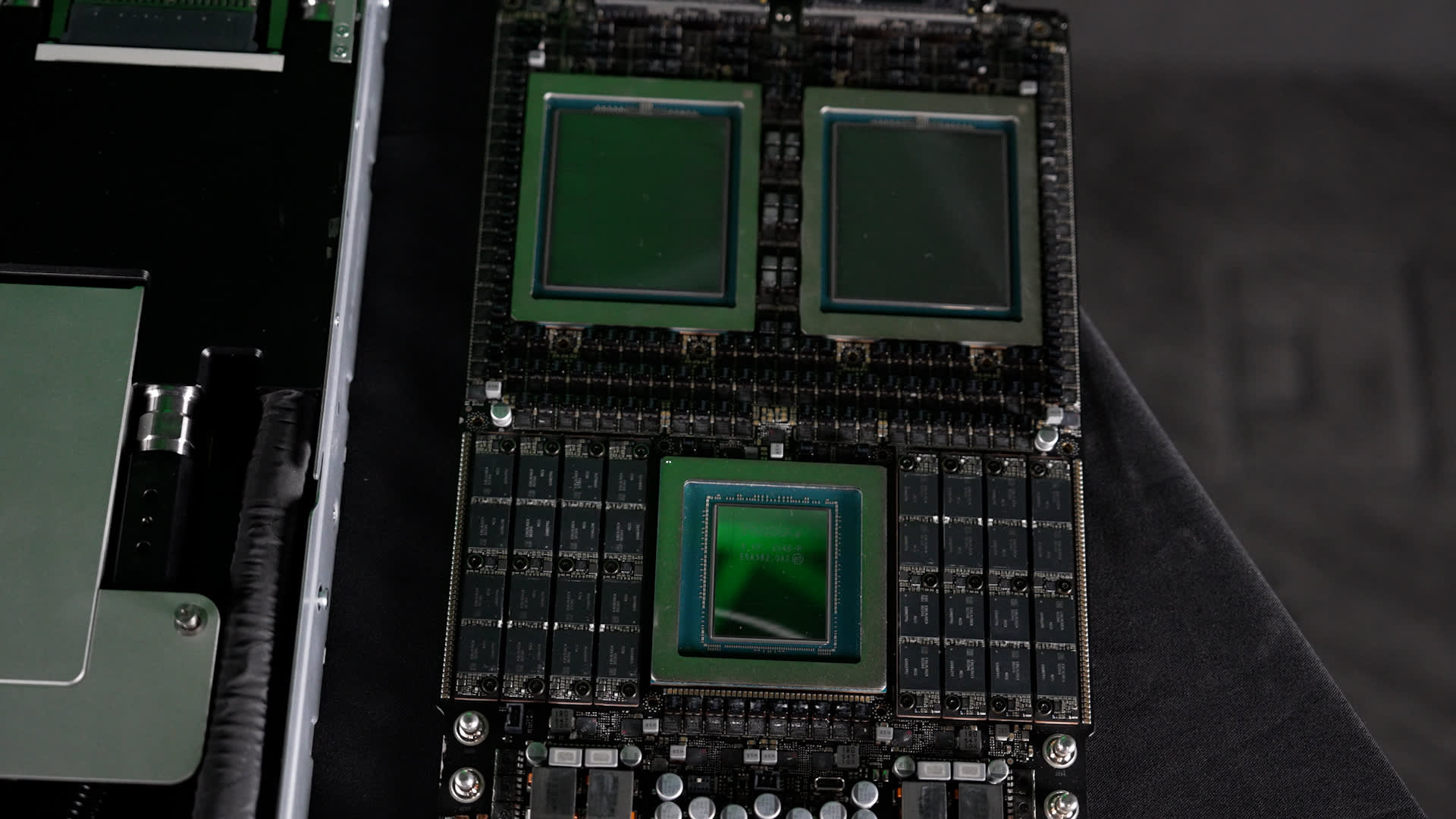
We live in an age where anything can be tracked. Order a pizza, and you can watch it travel from the kitchen to your doorstep in real time. Hail an Uber, and you know where your driver is at every moment. Yet when it comes to our most strategically important technology, the advanced semiconductors that power frontier AI models, we have no idea where they go.We manufacture these chips, export them around the world, and then lose sight of where they end up. This glaring oversight represents a dangerous gap in American national security policy.
China‘s aggressive pursuit of AI leadership, combined with its documented efforts to circumvent existing export controls, makes it clear that current enforcement mechanisms are insufficient. Jensen Huang, the CEO of Nvidia, may say there’s no evidence of export control circumvention, but the $2.5 billion made from smuggled chip sales suggests otherwise.
This disconnect between reality and corporate messaging should alarm every American who cares about national security.
(Nikolas Kokovlis/NurPhoto via Getty Images)
The Chip Security Act takes a measured approach to the challenge of tracking these chips. The bill requires companies exporting the most advanced semiconductors to implement location verification mechanisms.