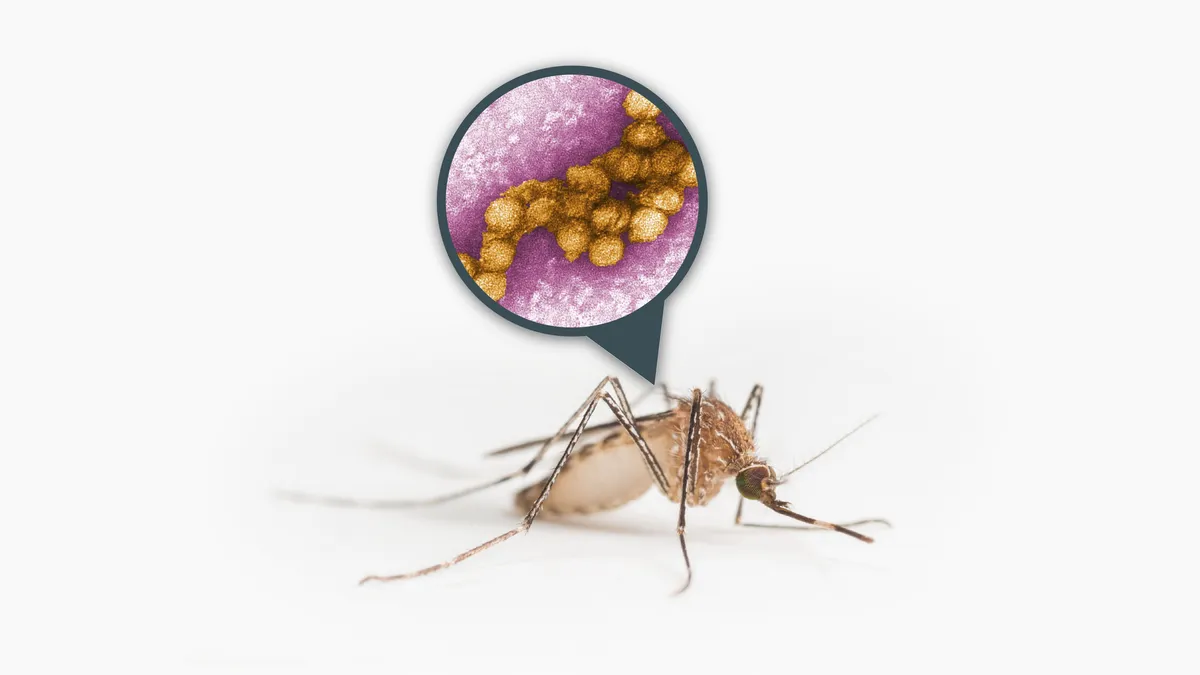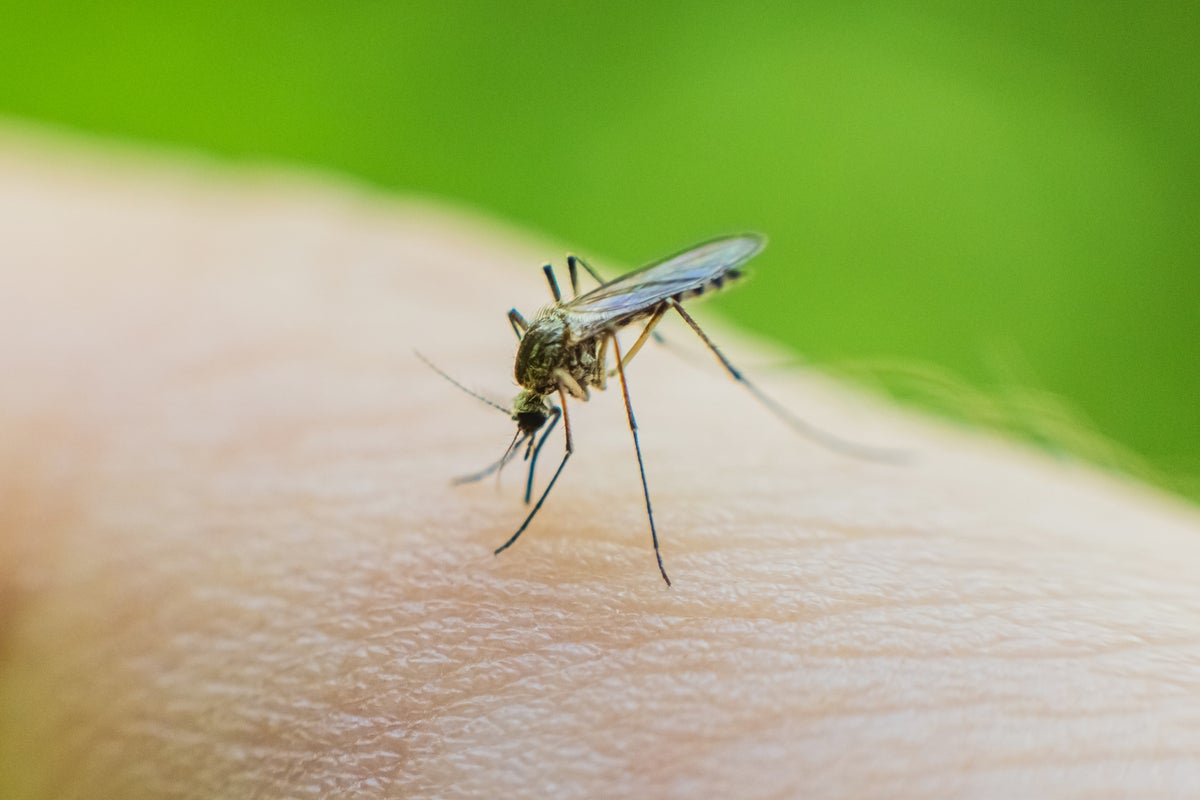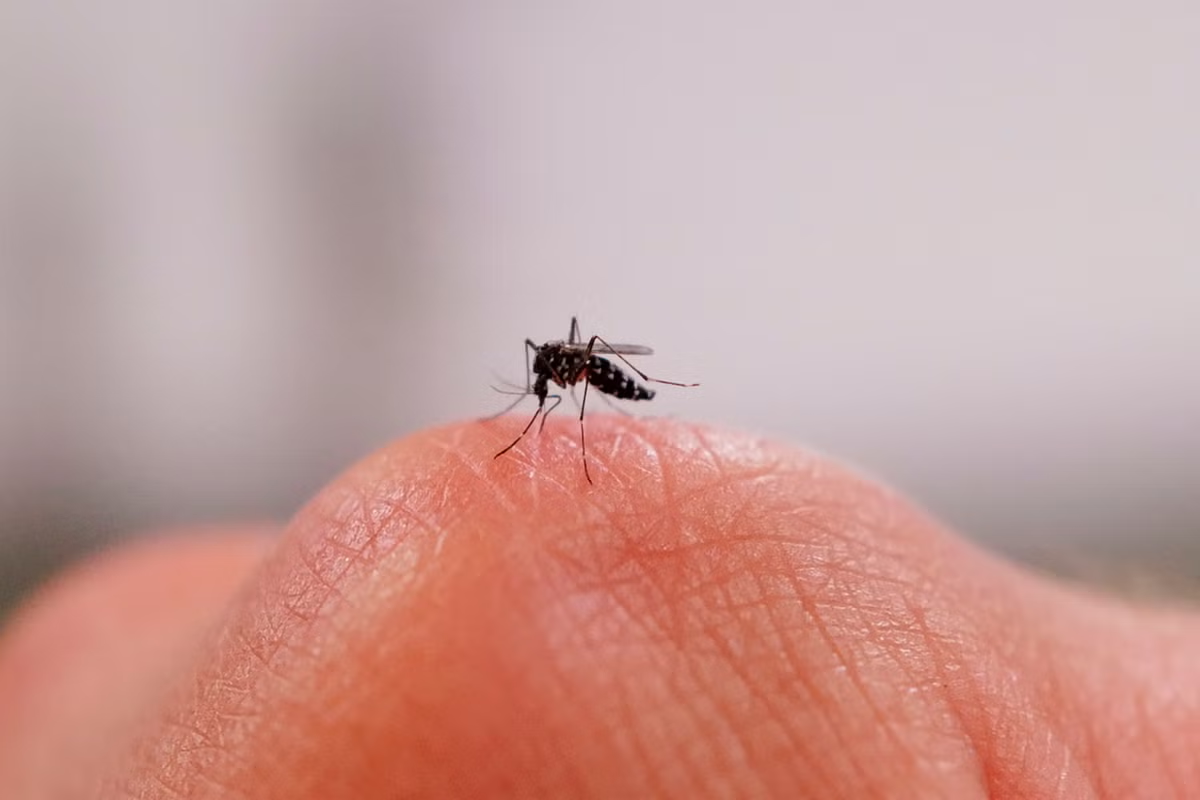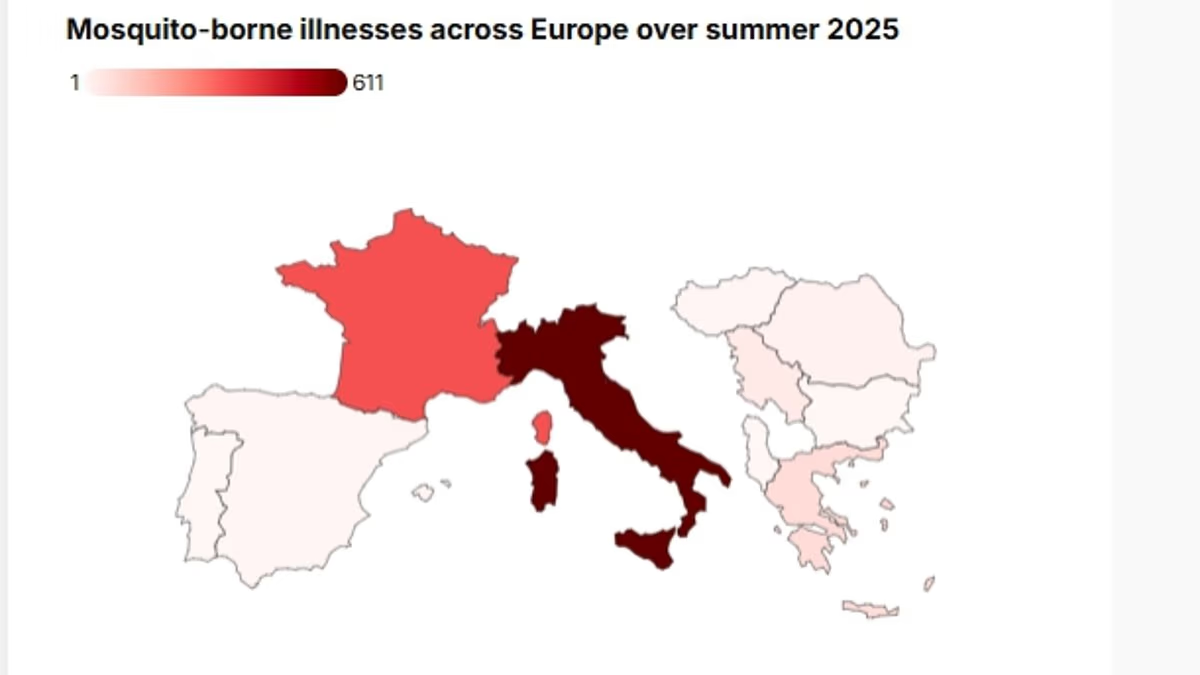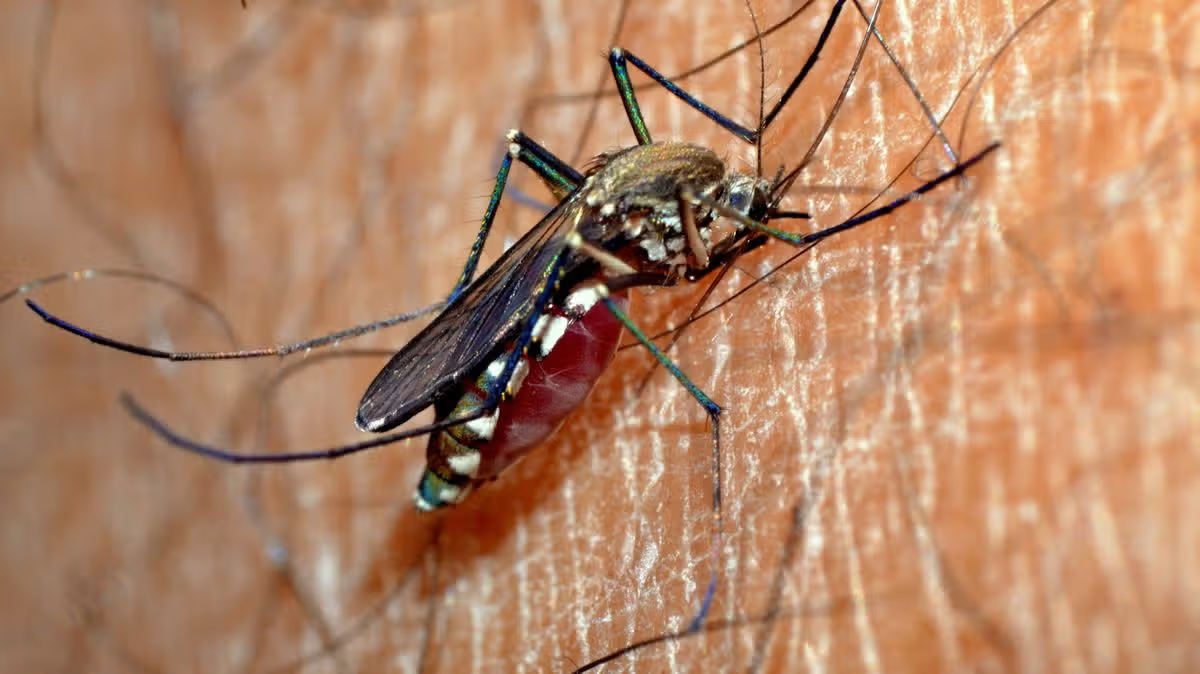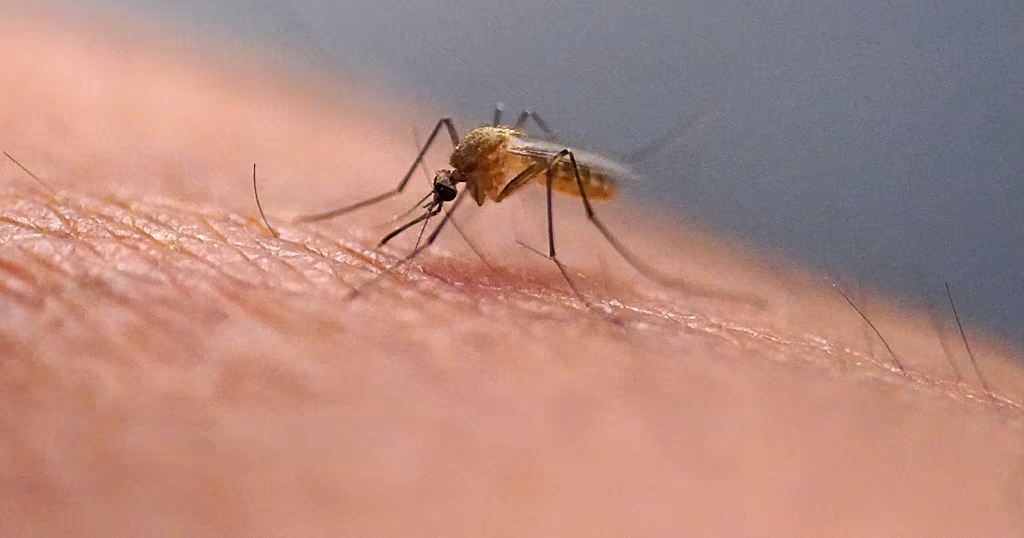
Mosquitos carrying the potentially lethal West Nile disease have been detected in the UK, officials have said10:19, 21 May 2026Updated 10:30, 21 May 2026The UK government today published a new ‘contingency plan’ for a virus that claimed 67 lives across Europe in a 12-month spell. Mosquitos carrying the potentially lethal West Nile disease have been detected in the UK, officials have said.West Nile virus (WNV) is a mosquito-borne illness that typically spreads through bites from infected Culex mosquitoes, which pick up the virus from birds. While 80% of infected people show no symptoms, about 20% develop mild, flu-like illness, and in rare cases (less than 1%), the virus can cause severe, fatal neurological diseases like meningitis or encephalitis.Officials from the UK Health Security Agency said: “At the time of publication there have been no human cases of WNV acquired in the UK, but there have been detections of WNV in mosquitoes in the UK. The risk to the UK population is still considered to be very low, although increasing with climate change, particularly given the presence of WNV in neighbouring countries."The UKHSA said many species of birds have been shown to carry the virus, which is maintained and amplified by continuous cycling between birds and mosquitoes. WNV was first detected in the West Nile district of Uganda in 1937. The first large outbreak in Europe occurred in Romania in 1996, and WNV is now endemic in parts of Europe. In 2002, WNV was declared endemic in the United States of America, and it has since spread into Canada and the Caribbean.Warning about the possible impact the UKHSA said: “Humans can become infected with WNV following a bite from an infected mosquito. Other routes of transmission include from mother to unborn child, through breast milk, and through blood transfusions and organ transplants from infected donors. However, these are a small proportion of global infections.“Acute infection with WNV may cause illness characterised by fever, headache, muscle aches and a rash. Although a large proportion of infections with WNV are asymptomatic, or have mild symptoms that resolve within a week, about 1 in 150 cases develop disease in the brain and nervous system. This typically presents as meningitis, encephalitis or acute flaccid paralysis.”It warned there are no human vaccines available - and said the policy was based on preventing infections. The guidelines told GPs around the UK they must report any suspected cases immediately to the UKHSA.READ MORE: West Nile virus symptoms including deadly rash as disease hits UK for first timeREAD MORE: West Nile virus found in UK as deadly disease reaches Britain for first time and there's no vaccineUK government officials said there are a number of groups which are at ‘higher’ risk of getting the virus. It added: “Those aged over 50 years old, or with underlying medical conditions (such as cancer, diabetes, hypertension and kidney disease) are at greatest risk of severe disease. The case fatality rate is highest in patients aged over 70.”It said in Europe West Nile Virus is usually circulated between birds by the bites of bird-biting mosquitoes. These include the common house mosquito, Culex pipiens, which occurs across the UK.Article continues belowIt said the mosquito type which transmits the disease has been found: “On the land adjoining either side of the Thames estuary, as far north as Suffolk, in the Cambridgeshire Fens and along the south coast in Sussex/Hampshire. Its distribution is expanding, likely in response to changing climate.”Severe symptoms may include high fever, severe headache, neck stiffness, confusion, coma, tremors, muscle weakness, vision problems, numbness, and even paralysis. Although anyone can develop severe illness, older adults (especially those aged 55 and above) are at greater risk, with about 1 in 50 in this age group experiencing severe symptoms. People with certain medical conditions, like cancer, diabetes, kidney disease, and those who have received organ transplants, are also at increased risk.For the full plan, click here.
Contingency plan as carrier for virus 'with no vaccine' found in UK
Mosquitos carrying the potentially lethal West Nile disease have been detected in the UK, officials have said
651 words~3 min read