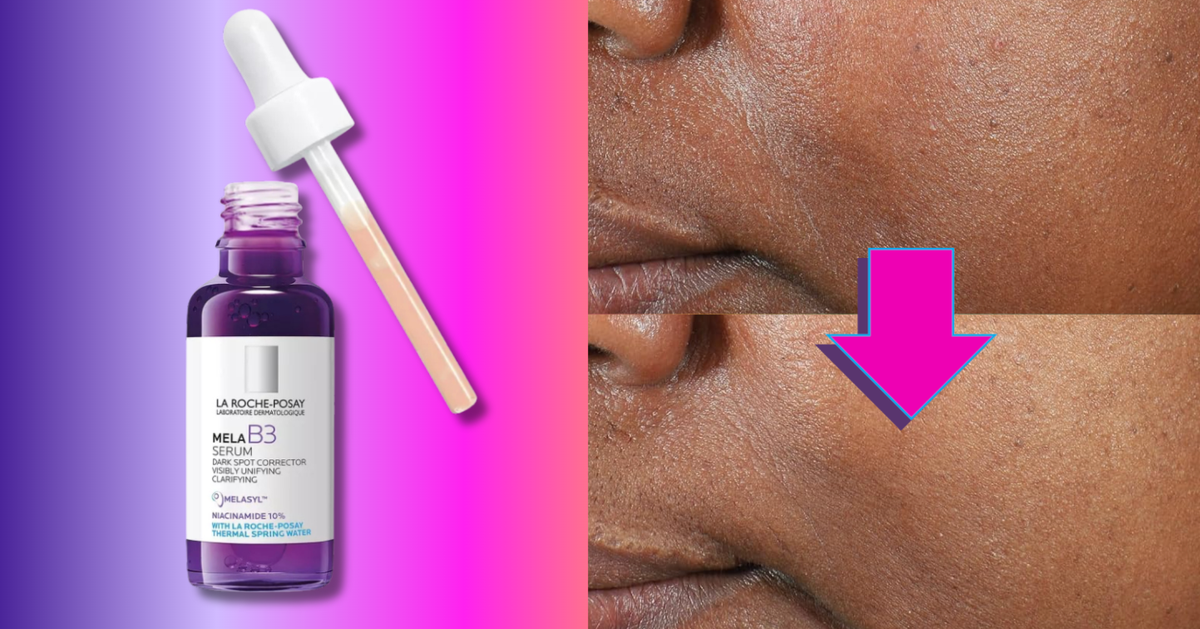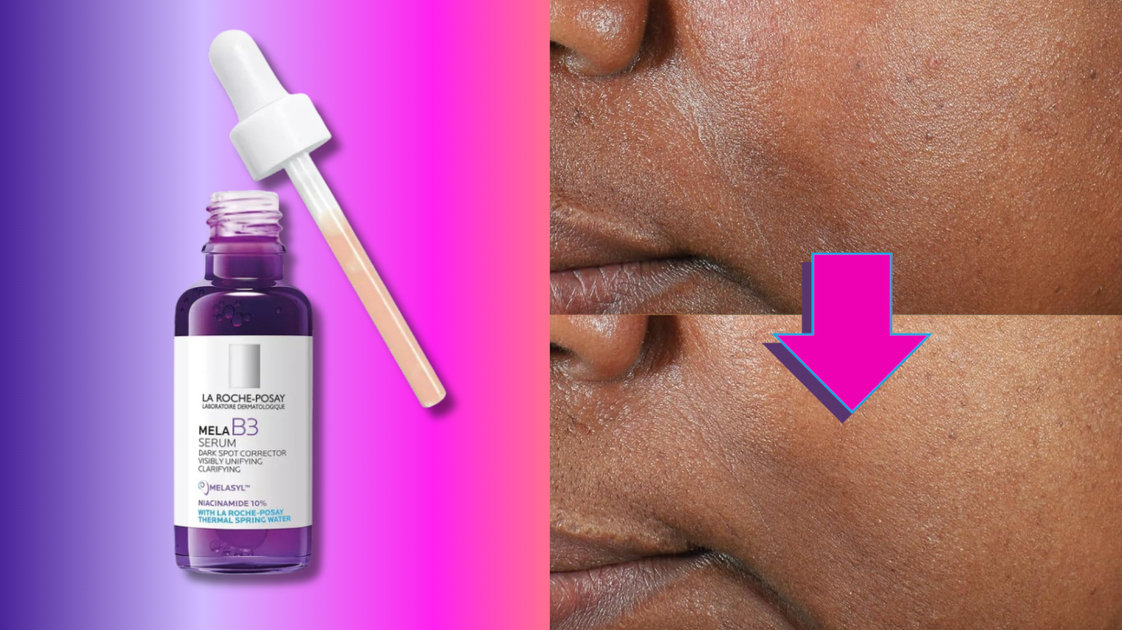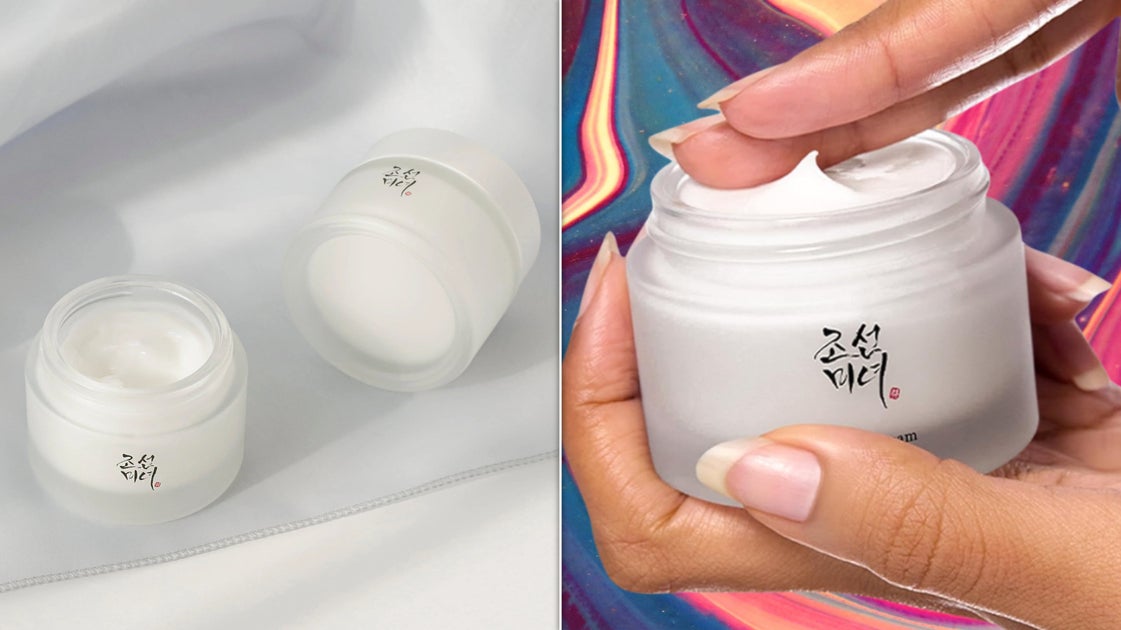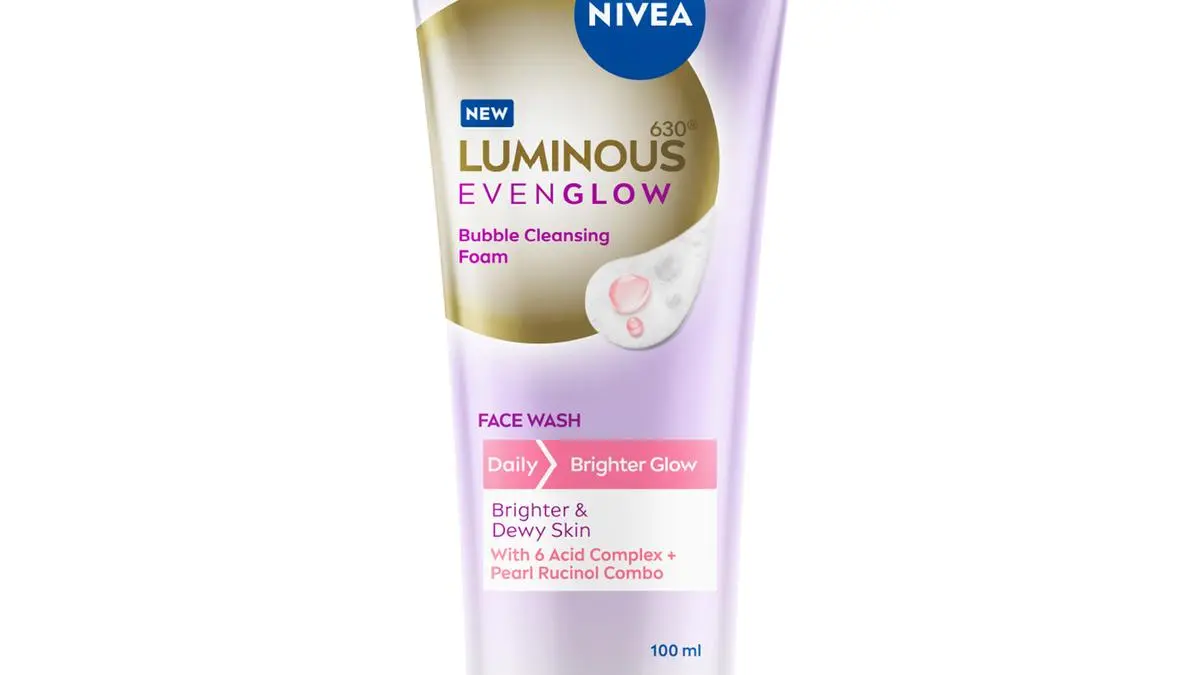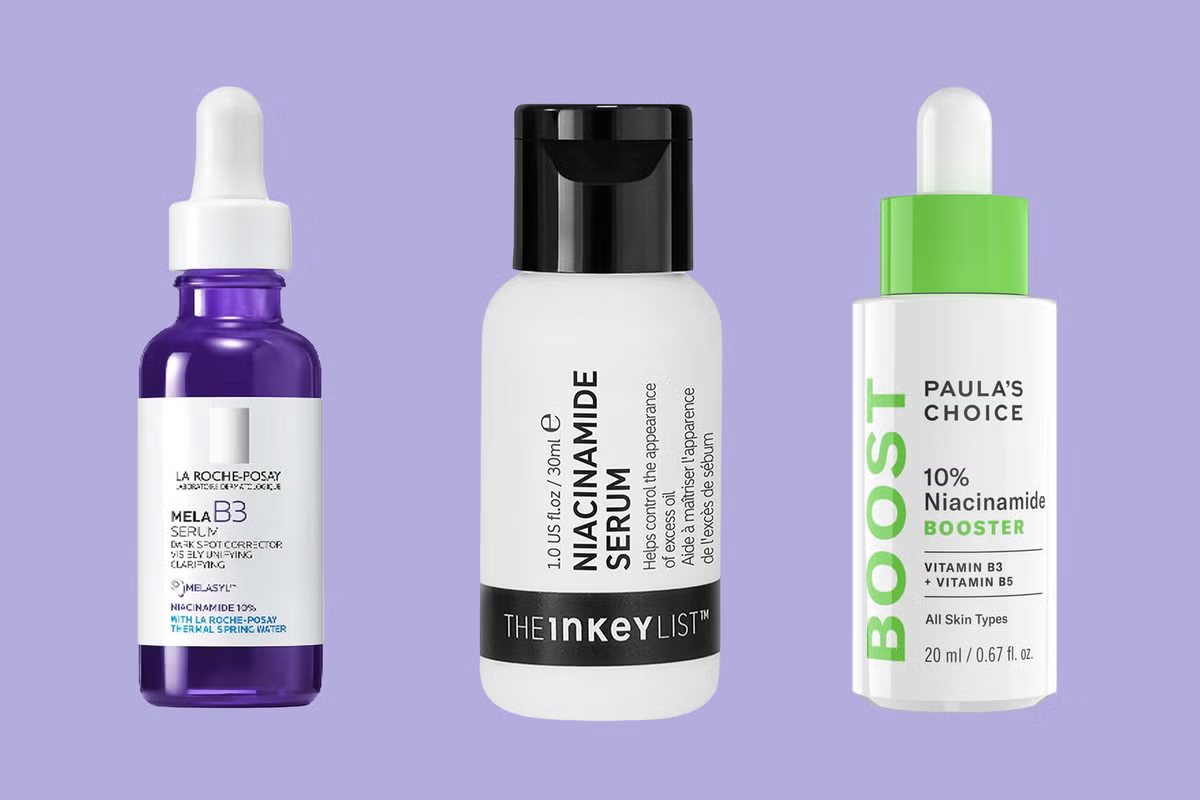
Your questions about niacinamide answeredWhat is niacinamide and how can it benefit our skin?Dr Bhate explains that niacinamide is a form of vitamin B3 with a strong evidence base and is therefore widely used in skincare products. “Unlike exfoliants that strip or irritate, niacinamide works gently to support the skin’s natural barrier and improve the appearance of several common concerns,” she says.These include: strengthening your skin barrier so you potentially reduce water loss – therefore making your skin feel less dry – reducing redness and inflammation, especially within acne-prone or sensitive skin, balancing oil production, improving uneven skin tone and pigmentation. “If used consistently, it can also help improve post-inflammatory marks and improve elasticity and surface texture to support anti-ageing,” Dr Bhate adds. Do all skin types tolerate niacinamide? Are there any skin types or conditions that you would not recommend it for?According to Dr Jamil, one of the main benefits of niacinamide is that it is well tolerated by most skin types and highly compatible with other skincare ingredients, so risk of irritation is quite low. “However, if you have very sensitive, irritant-prone or rosacea-flaring skin, I would possibly avoid higher concentrations of over 10 per cent, as this can cause a flare-up. Also, those with compromised skin barriers who are actively raw, peeling or burning from over-exfoliation or overuse of retinoids, for example, may want to pause use of niacinamide as it may cause burning, stinging or a flare-up of symptoms,” she explains. How long should it take before you see results from a niacinamide serum?Dr Jamil advises that within as little as two weeks, you may notice a more supported skin barrier, with skin feeling less tight, irritated, red and textured.Beyond that, she notes that after three to four weeks of consistent use, oil production should be more regulated, so you should notice less shine, fewer breakouts, and a more even skin tone. “It may take up to eight weeks to see long-lasting results on pigmentation and texture. You should notice post-inflammatory hyperpigmentation fading, skin tone regularly looking more even and fine lines looking slightly smoother,” she adds.What else do you need to know about introducing a niacinamide serum into your skincare routine?To make sure you get the most out of a niacinamide serum, Dr Bhate recommends avoiding layering it with AHA and BHA acids, especially if you have sensitive skin, to avoid irritation. “Use a gentle cleanser and moisturiser alongside, to help the niacinamide do its job in supporting your skin barrier, and always use sunscreen. While niacinamide can help with pigmentation, preventing the pigmentation from occurring in the first place, with a daily broad-spectrum SPF is what truly protects your skin from UV damage,” she says.Last but not least, she suggests exercising caution with fragrances in formulas, particularly if you have sensitive skin: “Simpler formulas often offer better tolerance with less irritation.”Meet the expertsDr Ketaki Bhate is a consultant dermatologist at Kensington dermatology clinic, No23. Skin. She specialises in complex acne cases and skin cancer diagnoses, in addition to her work as a senior NHS consultant and academic researcher. She has been published extensively in the British Journal of Dermatology, JAMA Dermatology and Clinical & Experimental Dermatology, and is a frequent speaker at national and international dermatology conferences.Dr Aiza Jamil is a consultant dermatologist at sk:n, a specialist skin care clinic in Manchester. Alongside her British credentials, she is also board-certified in the U.S in cosmetic and medical laser, and trained in aesthetic services including non-surgical facelifts, laser and treating scarring. 8 best vitamin C serums, tried and tested by a beauty editor
Best niacinamide serums for clear, radiant skin, according to dermatologists
Two dermatologists recommend their favourite formulas for tackling dryness, inflammation, uneven skin tone, and texture
598 words~3 min read