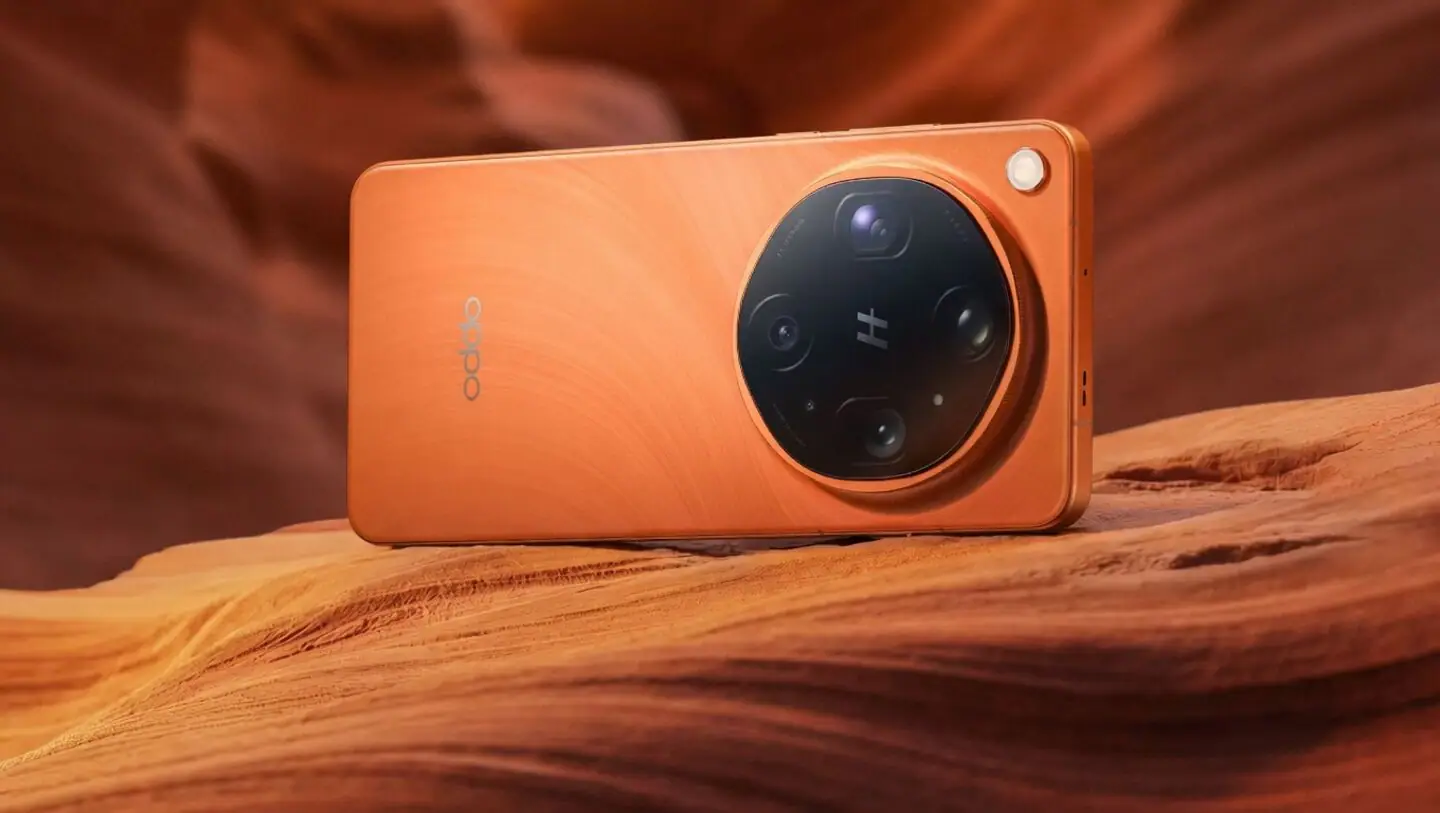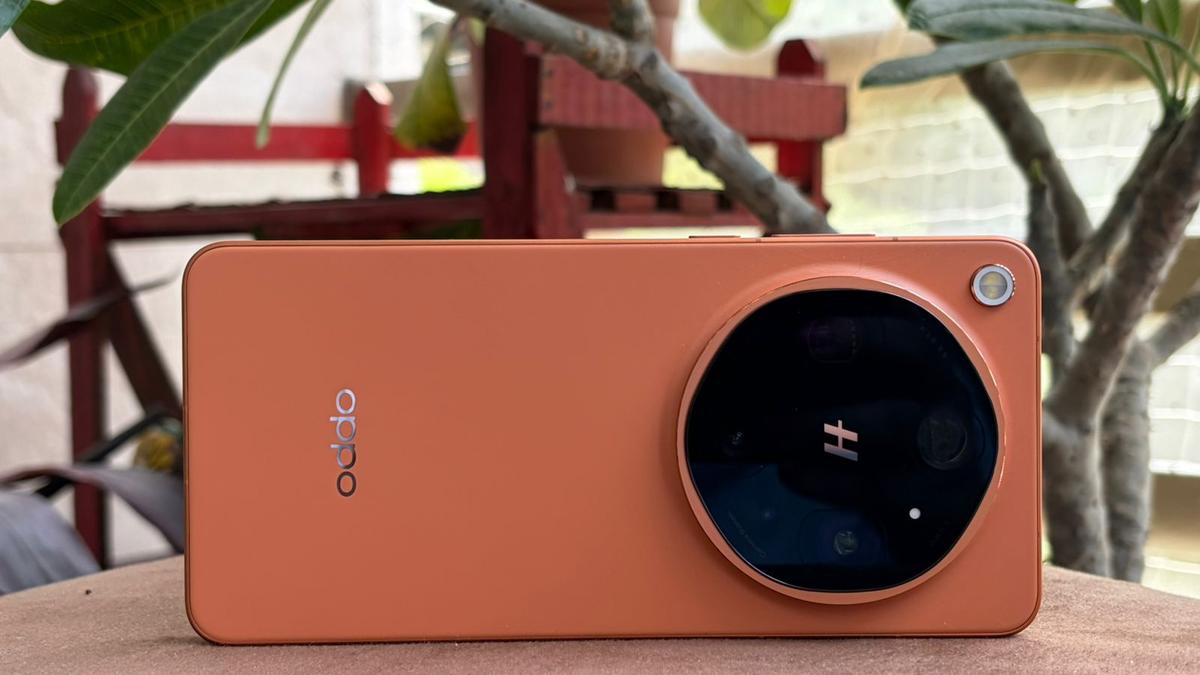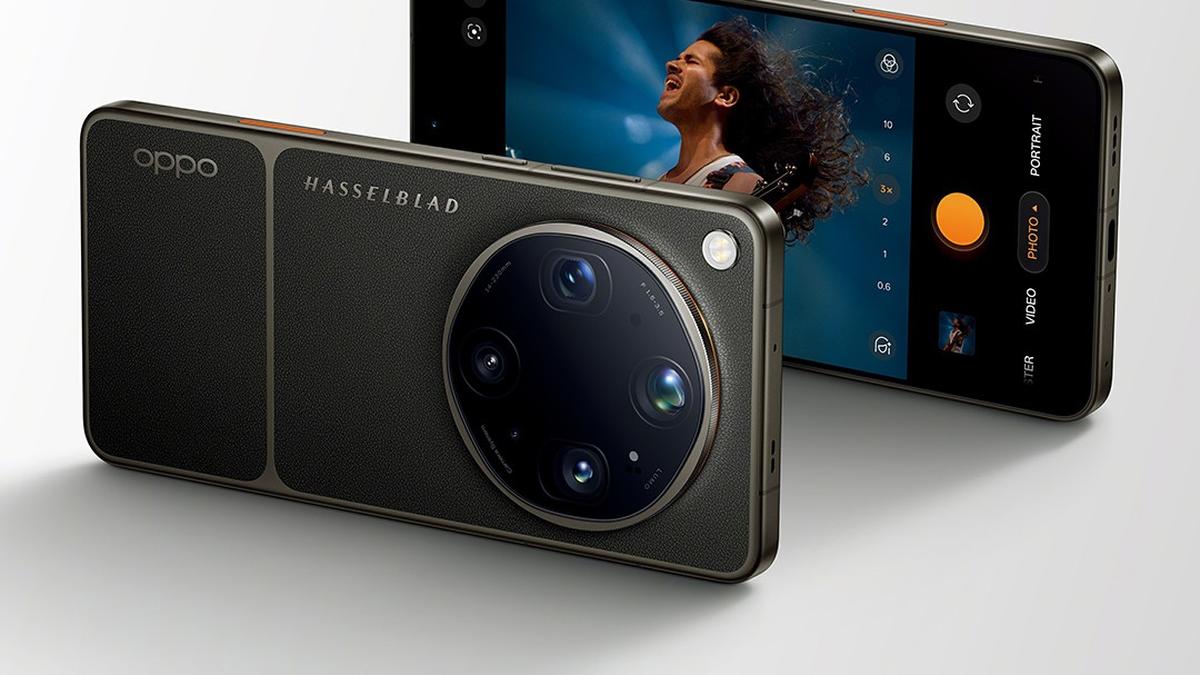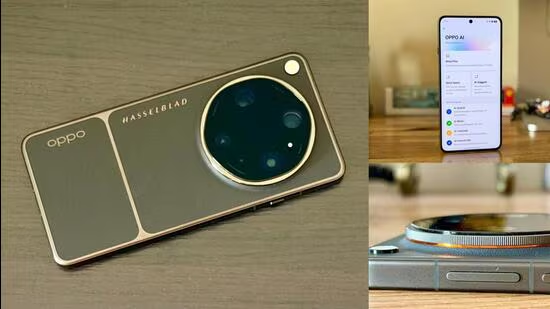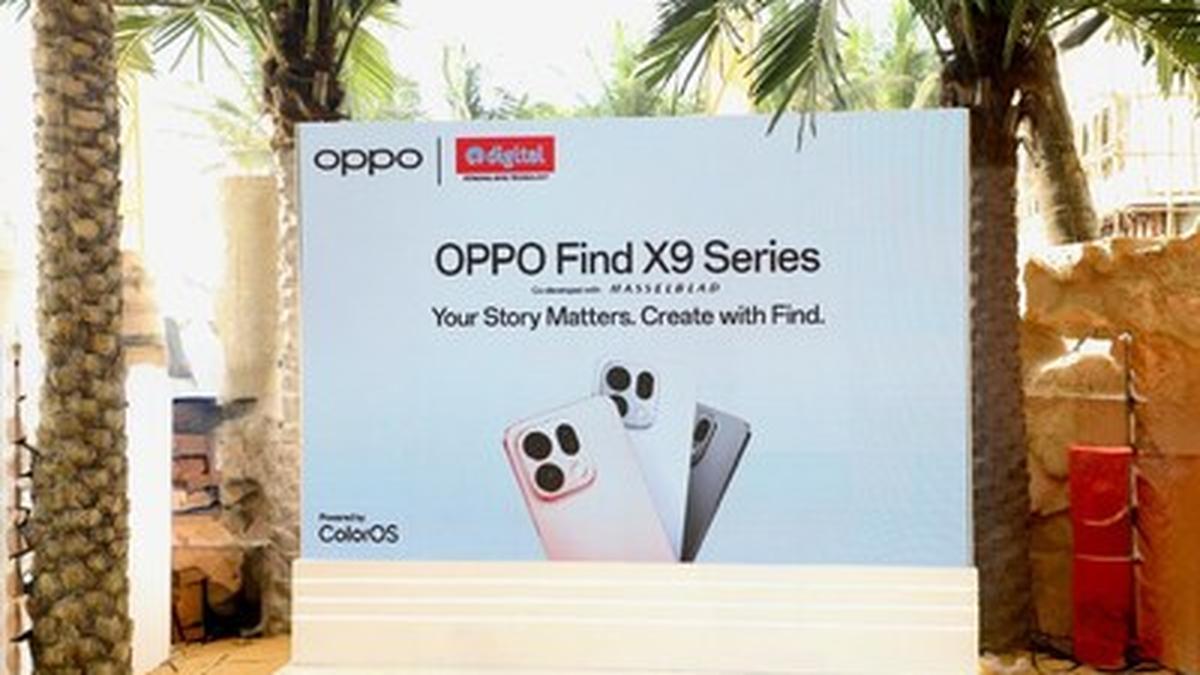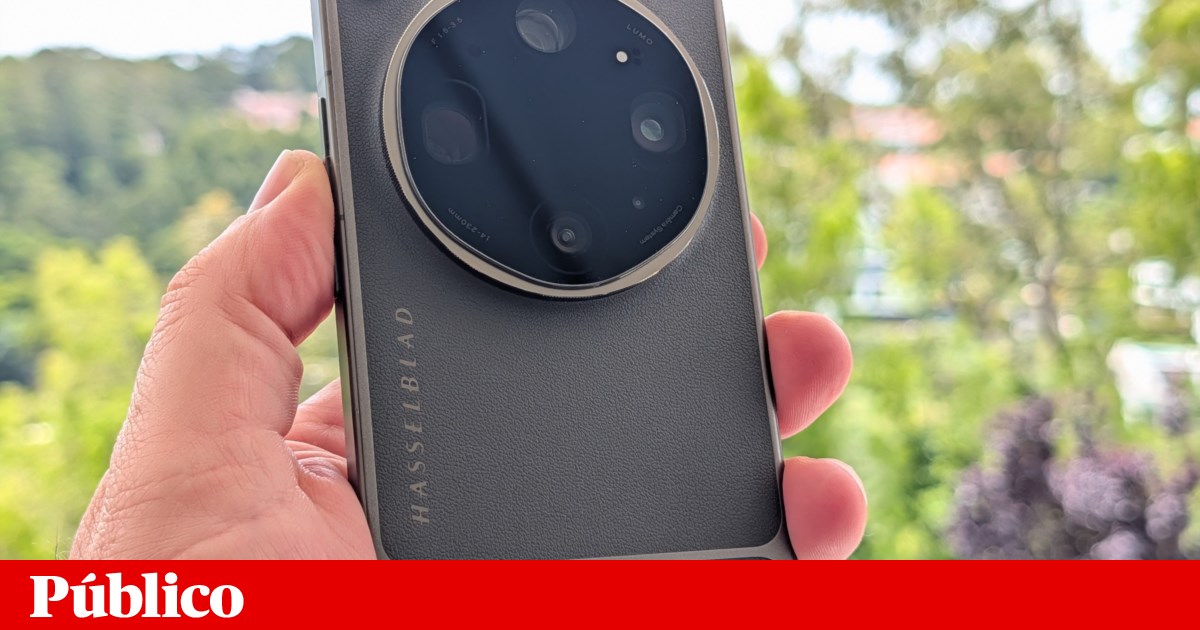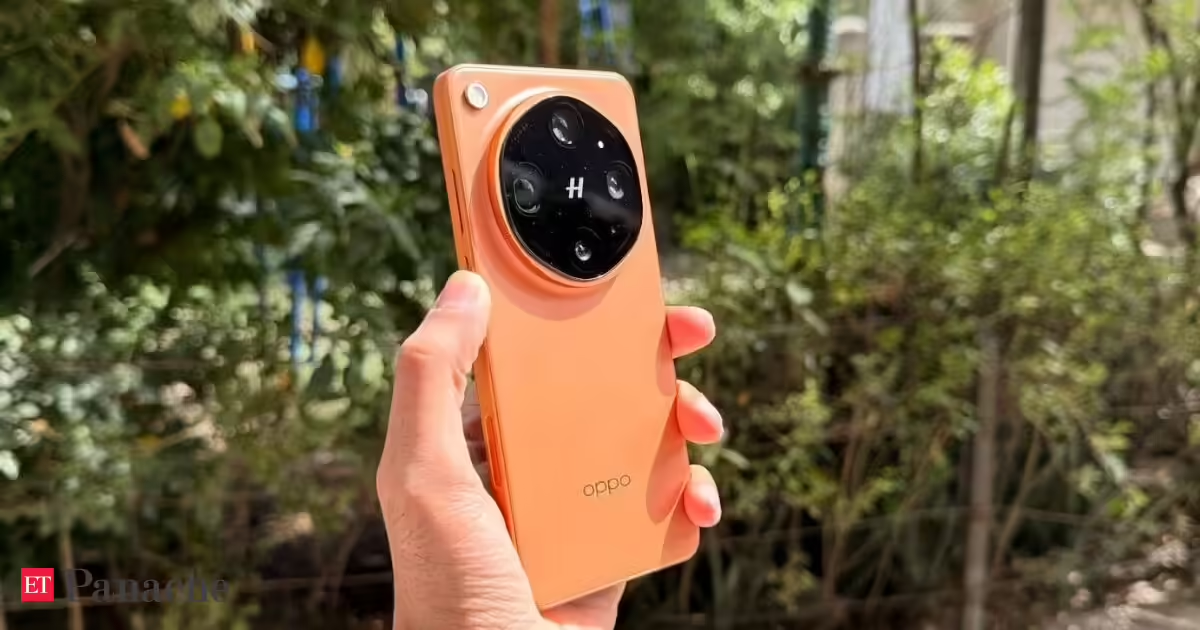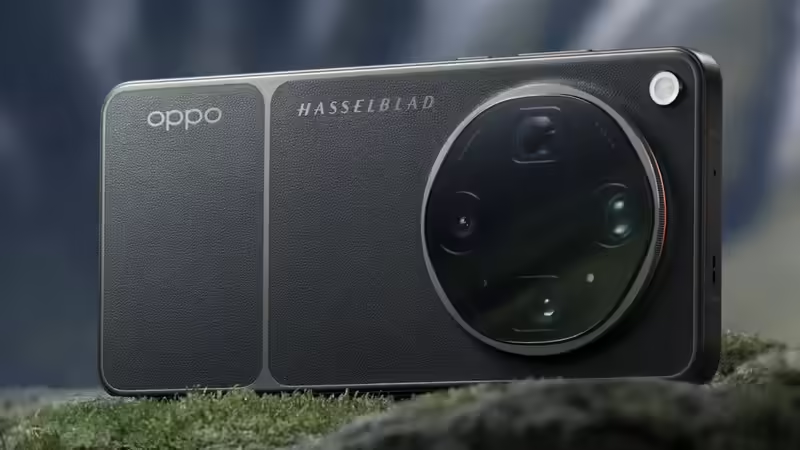
OPPO India launched the Find X9 Ultra and the Find X9s in New Delhi on Wednesday, pricing the camera-led Ultra at Rs 1,69,999 and the slimmer X9s at Rs 79,999 — the highest sticker price OPPO has set on Indian shelves and a clear signal that its post-Q1 momentum will get spent on the premium tier. The Find X9 Ultra carries OPPO's new-generation Hasselblad Master Camera System, a 50MP 10x optical zoom periscope sitting alongside a 200MP main sensor, and Qualcomm's Snapdragon 8 Elite Gen 5. The X9s drops to MediaTek's Dimensity 9500s and a triple-camera setup at under half the Ultra's price.The Q1 Math Behind the PricingIDC's Worldwide Quarterly Mobile Phone Tracker reading for Q1 2026 places OPPO at 15.3 per cent share of India's smartphone market, up from 12 per cent a year earlier — a 22 per cent year-on-year shipment lift that was the largest among the country's top five brands. Vivo holds the top position at 19.6 per cent (down from 19.7), Samsung sits second at 17.1 per cent (up from 16.4), Apple at 9.4 per cent (down from 9.5), and Motorola fifth at 8.9 per cent (up from 7.5). Counterpoint Research's tracker pegs OPPO's standalone share lower at 14 per cent with 8 per cent growth — the methodological gap reflects sell-in versus sell-through measurement, with both reads showing OPPO as the fastest grower among India's top five.The wider market shipped 31 million units in Q1 2026, a 4.1 per cent decline year-on-year, while average selling prices climbed 10.4 per cent to a record $302 per device. Memory inflation, driven by AI server demand pulling DRAM and NAND capacity away from consumer electronics, is the squeeze that compressed the budget segment 59 per cent year-on-year and pushed brands upmarket. The premium segment ($600–800) grew 32 per cent, mid-premium ($400–600) 29 per cent. OPPO's Find X9 Ultra at Rs 1,69,999 lands in the super-premium tier that held steady at 7 per cent of volumes through the quarter.India Smartphone Market: Q1 2026 (IDC)BrandQ1 2026 ShareQ1 2025 ShareYoY Shipment ChangeVivo19.6%19.7%−4%Samsung17.1%16.4%FlatOPPO15.3%12.0%+22%Apple9.4%9.5%−5%Motorola8.9%7.5%+14%Total Q1 2026 shipments: 31.0 million units, down 4.1 per cent year-on-year. Average selling price: $302, up 10.4 per cent year-on-year — a record.Source: IDC Worldwide Quarterly Mobile Phone Tracker.The Hasselblad Bet, And a Chipset SplitThe Find X9 Ultra's imaging package is the centrepiece. A 50MP 10x optical zoom periscope built around OPPO's Quintuple Prism Periscope Structure carries 230mm-equivalent reach; paired with the 200MP main sensor (Sony LYT-901), the 50MP ultra-wide (Sony LYT-600), and the 200MP 3x telephoto (OmniVision OV52A), the camera spans 14mm to 460mm of focal range. A True Color Camera handles white-balance reference. A 50MP selfie unit sits up front.Video tops out at 8K at 30fps — a first for an OPPO flagship — with 4K Dolby Vision HDR at 120fps and a LUT workflow that pushes O-Log2 footage through ACES colour pipelines on the phone itself. Hasselblad's contribution shows in three software modes — Master, Portrait, and XPAN — the XPAN reference pointing to the Swedish-Japanese 65:24 panoramic film camera the brand sold between 1998 and 2006, now reborn as a phone aspect ratio.Behind the cameras sits the real positioning bet. The Find X9 Ultra runs the Snapdragon 8 Elite Gen 5, Qualcomm's 3nm flagship announced at the Snapdragon Summit in September 2025, with two Oryon Gen 3 Prime cores at 4.6GHz and six performance cores at 3.63GHz. The Find X9s drops to MediaTek's Dimensity 9500s — a step below the Snapdragon on benchmarks but the step that lets OPPO hold the X9s at Rs 79,999 while Xiaomi has lifted the standard Xiaomi 17 to Rs 89,999 and Vivo prices the base X300 at Rs 75,999 for a 12GB/256GB unit. The Dimensity 9500s lands between the Snapdragon 8 Elite Gen 5 and last year's flagship silicon — a position that costs OPPO bench-test bragging rights and earns it sub-Rs 80,000 shelf space.Above Vivo, Above XiaomiWithin the Indian ultra-premium tier, OPPO's Rs 1,69,999 sticker on the Find X9 Ultra sits above both rivals that arrived earlier this year. Vivo launched the X300 Ultra in India on 6 May at Rs 1,59,999 with a ZEISS-tuned 200MP/200MP/50MP triple camera and the same Snapdragon 8 Elite Gen 5 silicon. Xiaomi brought the 17 Ultra to India on 11 March at Rs 1,39,999 — its predecessor, the 15 Ultra, had launched at Rs 1,09,999, making the 30,000-rupee jump the visible mark of memory-led inflation. The Xiaomi 17 Ultra carries Leica optics and a 200MP periscope with mechanical continuous optical zoom between 75mm and 100mm.India Ultra-Premium Flagships: May 2026PhoneLaunch Price (16GB / 512GB or top variant)ChipsetCamera PartnerHeadline CameraOPPO Find X9 UltraRs 1,69,999Snapdragon 8 Elite Gen 5Hasselblad50MP 10x periscope, 14mm–460mm rangeVivo X300 UltraRs 1,59,999Snapdragon 8 Elite Gen 5ZEISS200MP/200MP/50MP, large 1/1.28-inch ultra-wideXiaomi 17 UltraRs 1,39,999Snapdragon 8 Elite Gen 5Leica200MP periscope, 75–100mm mechanical zoomThree brands now occupy distinct rungs on the same ladder. Hasselblad on OPPO, ZEISS on Vivo, Leica on Xiaomi — three European camera houses pulled into the Indian flagship arms race. Each has built a focal-length specialisation distinct to its phone: OPPO's 10x optical reach, Vivo's larger ultra-wide sensor, Xiaomi's continuous mechanical zoom. The Find X9 Ultra's effective price after offers drops to Rs 1,36,999, still above the Xiaomi 17 Ultra's post-discount Rs 1,29,999 and below the Vivo X300 Ultra's full sticker.Samsung's Galaxy S26 Ultra and Apple's iPhone 17 Pro Max sit further up the ladder and lead the value table — Apple holds 28 per cent of the Indian smartphone market by value despite a 9 per cent share by volume, with the iPhone 17 alone contributing 4 per cent of all volumes in Q1. The OPPO Find X9 Ultra is the camera-first answer to that value position; the volume challenge runs elsewhere in the line.The EMI Stack And the Pre-Order BundleOPPO's first-sale offer construction reads as a workaround for the Rs 1.7 lakh sticker. Buyers picking up the Find X9 Ultra can avail up to 10 per cent instant cashback through SBI, HDFC, Kotak, IDFC First, Yes Bank cards and UPI, no-cost EMI to nine months, and zero down payment schemes to 24 months through Bajaj Finserv, TVS Credit, HDB, Cholamandalam, Home Credit, Poonawala Fincorp, and DMI Finance. Cashify and Servify run exchange bonuses to 16 per cent. The pre-order Black Gold gift box bundles in OPPO Enco Buds3 Pro+ or Enco Air5 Pro earbuds and a phone case worth Rs 11,000 on the Ultra and Rs 5,000 on the X9s.The Jio overlay adds Rs 35,100 of services value: 5,000GB of cloud storage for 18 months and Gemini Pro access through Jio's unlimited 5G plan from Rs 349 monthly. Three months of Google AI Pro with 5TB of Drive storage ships with both phones. The financing stack matters in the Indian premium segment because IDC has called out the structural shift: brands are using affordability schemes rather than price-led promotions to move premium volumes in 2026, with memory inflation likely to hold through 2027.Goldee Patnaik, Head of Communications at OPPO India, said the Find X9 Ultra brings together the brand's "most advanced imaging technologies" while the X9s extends "the same flagship DNA in a slimmer and more lightweight form" — the official frame for what is, in market terms, a margin-protecting twin launch.The Q2 ReadThe Find X9 Ultra and Find X9s go on sale from 28 May through OPPO's e-Store, Flipkart, Amazon, and mainline retail. OPPO's positioning bet runs on two tracks: holding the X9s under Rs 80,000 keeps it within reach of the Galaxy S26-class buyer who watches the spec sheet but skips the Ultra-tier price, while the Find X9 Ultra at Rs 1,69,999 stakes a claim to the camera enthusiast who would otherwise default to the Vivo X300 Ultra or the iPhone 17 Pro Max. The Hasselblad partnership, now into its fourth Find generation in India, is the differentiation OPPO is leaning on.What to watch through Q2 and Q3: whether OPPO converts its 22 per cent Q1 shipment growth into actual share gain inside the premium tier where IDC reported 32 per cent growth, whether memory inflation forces a second-half price revision across the X9 series, and whether OPPO's next foldable lands in India in 2026 to extend the premium positioning beyond the Ultra slab.end of article
OPPO's Rs 1.7 Lakh Flagship: Is the Find X9 Ultra Worth the Price Hike Amidst Market Squeeze?
OPPO India has launched its new Find X9 Ultra and Find X9s smartphones. The Find X9 Ultra is priced at Rs 1,69,999, focusing on its advanced camera system. The Find X9s offers a slimmer design at Rs 79,999. These launches signal OPPO's push into the premium smartphone market in India.
1,370 words~6 min read