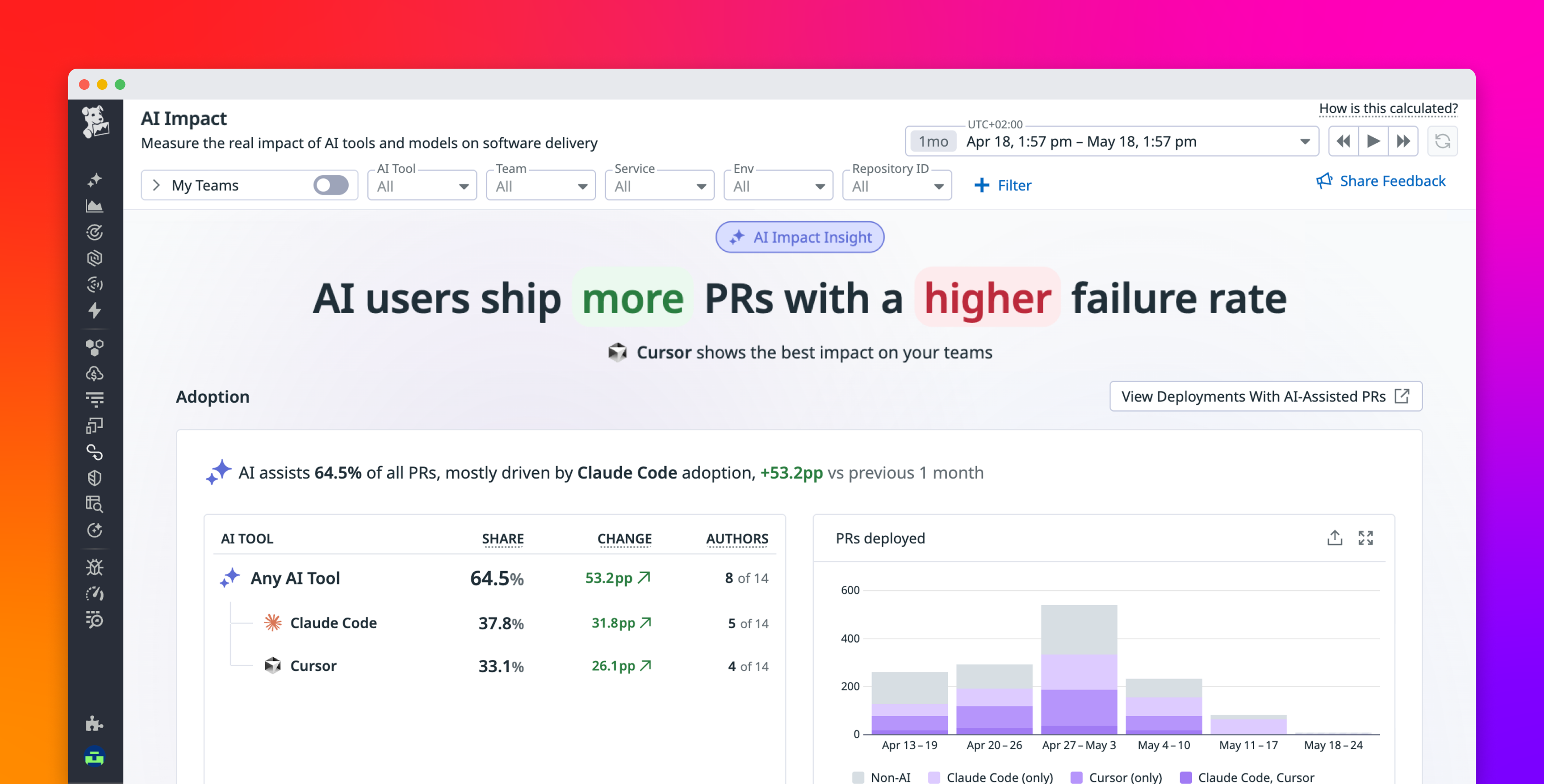
Your team rolled out an AI coding agent three months ago, and leadership wants a number that proves the seat licenses paid off. The dashboard offers two easy ones: lines of code generated, and the share of AI-assisted pull requests that got merged. Both are trivial to pull, both look healthy, and both will steer you wrong.
Why the Easy Metrics Lie
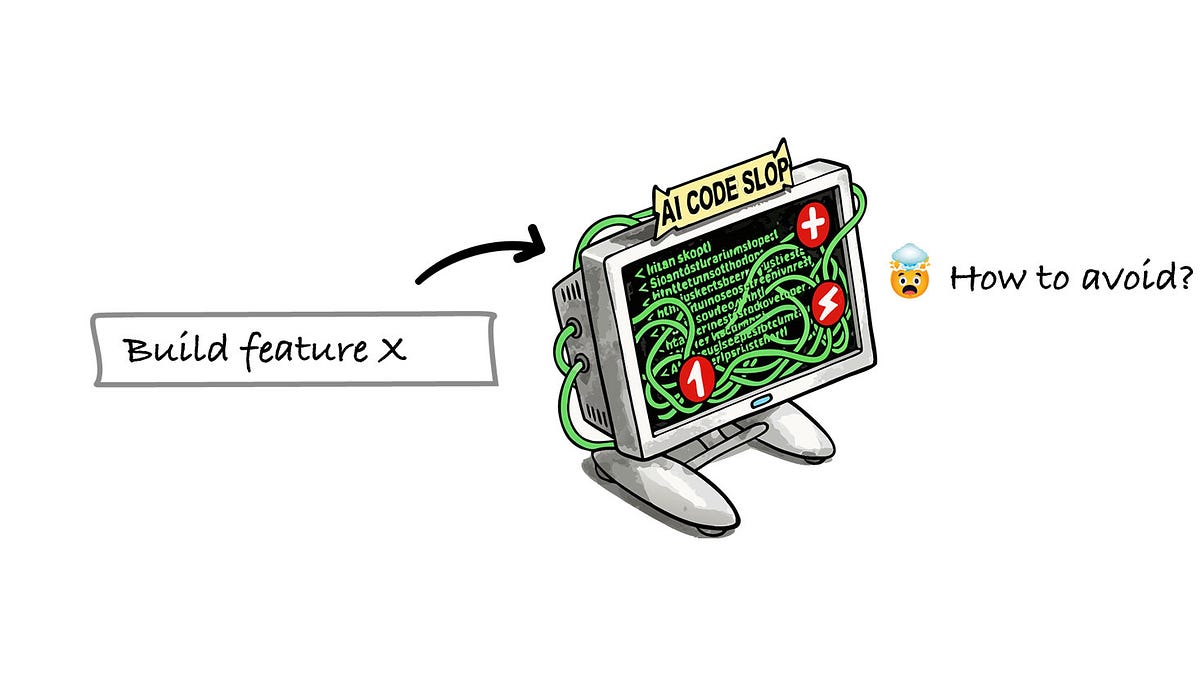
Lines of code has been a discredited productivity measure for decades, but agents make it actively dangerous. An agent will produce 400 lines where 40 would do — boilerplate, defensive checks for inputs that cannot occur, a helper it did not notice already existed three files over. Counting that output as productivity rewards the exact behavior you want to suppress. Teams getting real value from agents often watch their net diff shrink, because the agent is also deleting dead code and collapsing duplicated abstractions.
PR acceptance rate is more seductive, because it sounds like a quality signal. It is not. One figure that circulated in this debate: the KubeStellar project reportedly merged 81% of its AI-assisted pull requests. Read that carefully. It tells you 81% of those PRs cleared review. It tells you nothing about whether they should have been opened, whether they introduced defects found weeks later, how many review rounds each one cost, or whether the merged code was still in the codebase a month on.