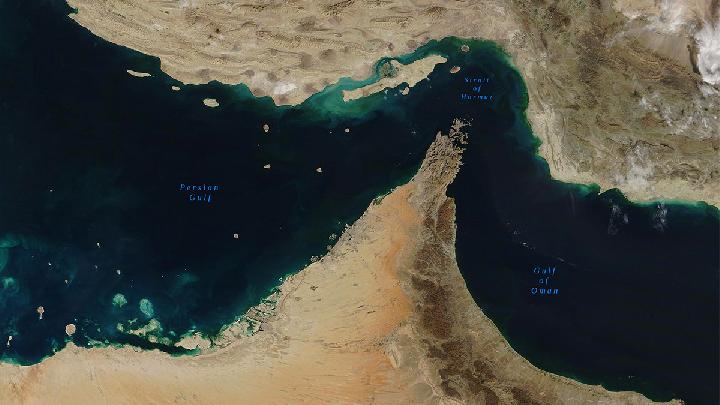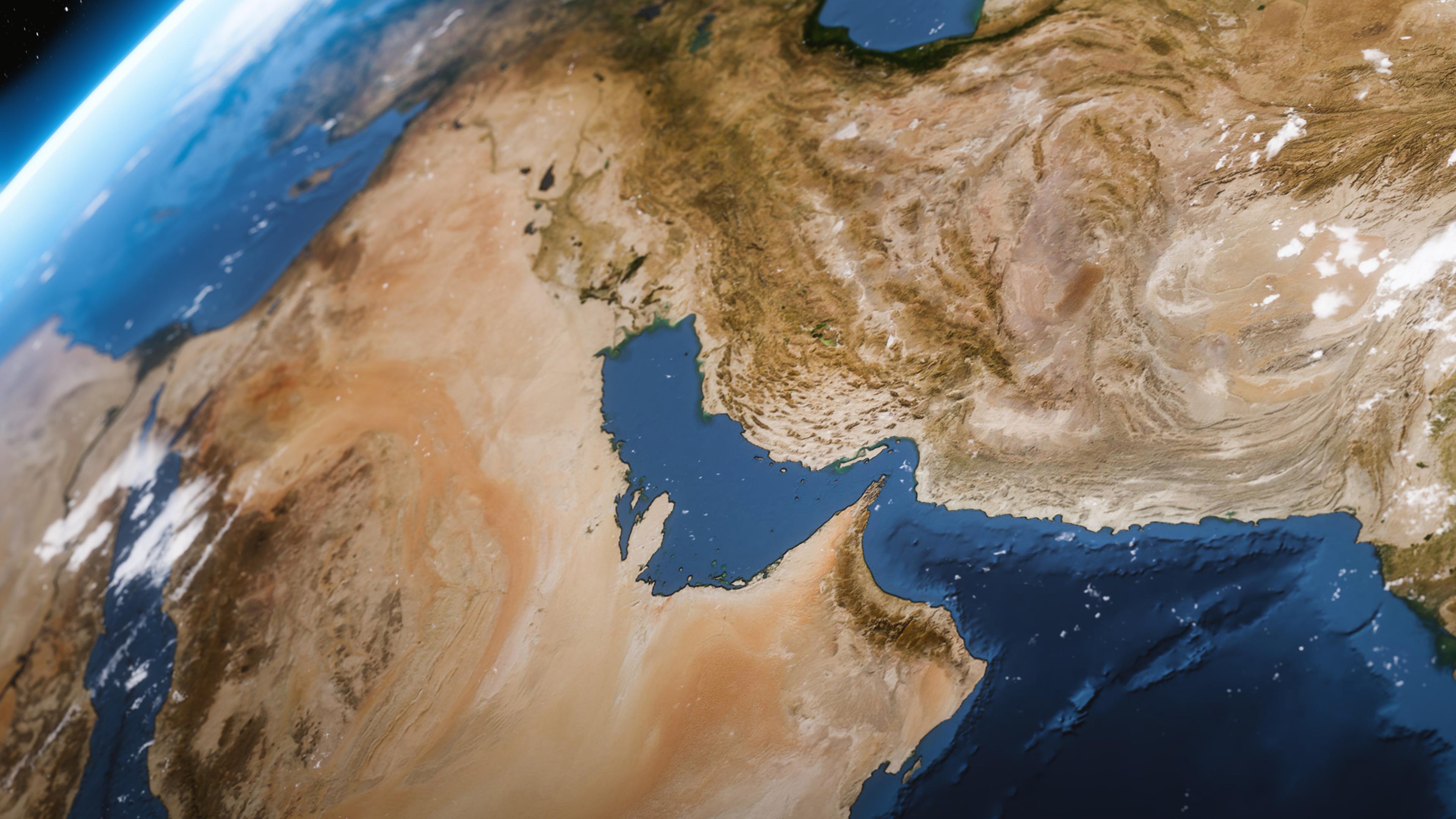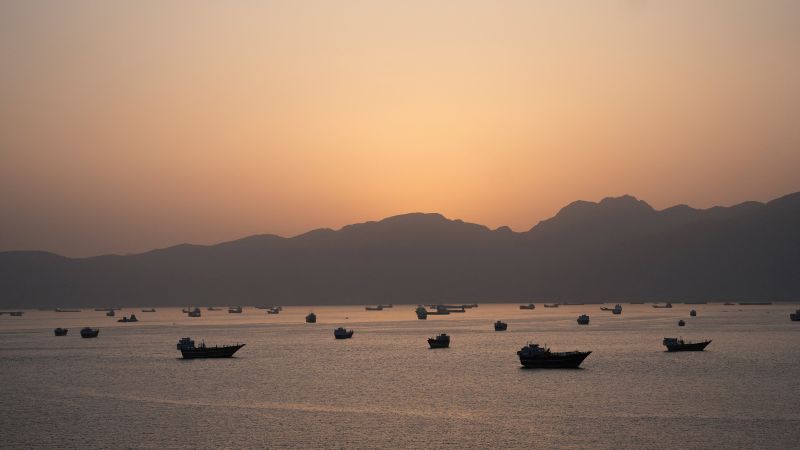
Iran’s Revolutionary Guards on Monday threatened to place internet fibre-optic cables passing through the Strait of Hormuz under a “permit system”, in a move seen as part of Tehran’s efforts to tighten control over one of the world’s most important routes for energy, trade and communications.
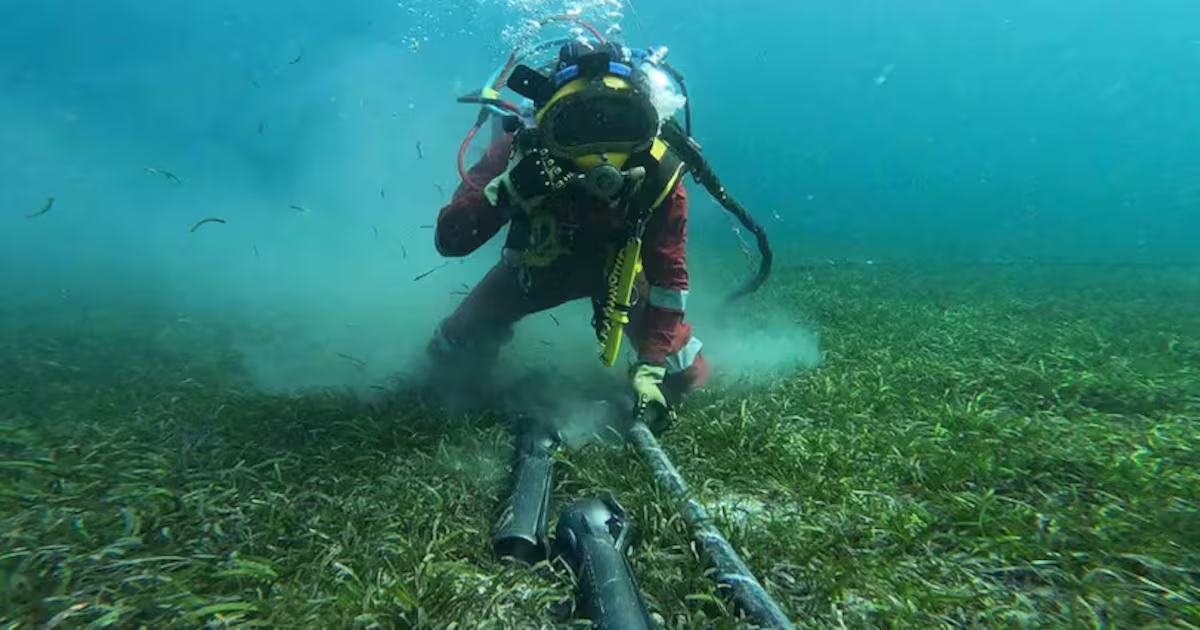
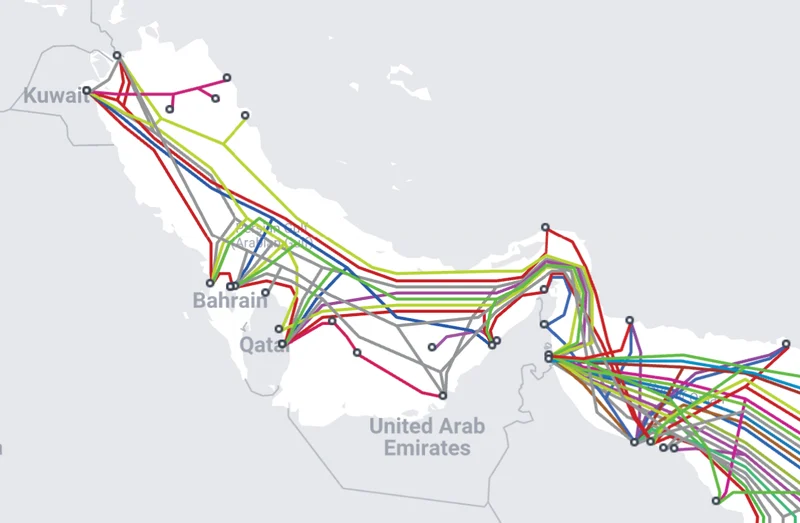
Among the main cables crossing the Strait is a branch of the AAE-1 (Asia-Africa-Europe 1) cable, a major submarine cable system linking Asia and Europe through the Middle East, connecting points from Hong Kong to France via Egypt.
The Falcon and Gulf Bridge cables also pass through the Strait, linking Gulf countries, including Iran, with India and East Africa, extending to Egypt.
“These cables carry all types of data, from videos, emails and social media traffic to financial transactions and government communications,” said Alan Mauldin, research director at telecoms data company TeleGeography.
Mauldin said the risk of a major global disruption remained limited because data flows between Europe and Asia do not pass through the AAE-1 branch. He added that Gulf states using the submarine cables in the Strait “have several alternative communication routes”.