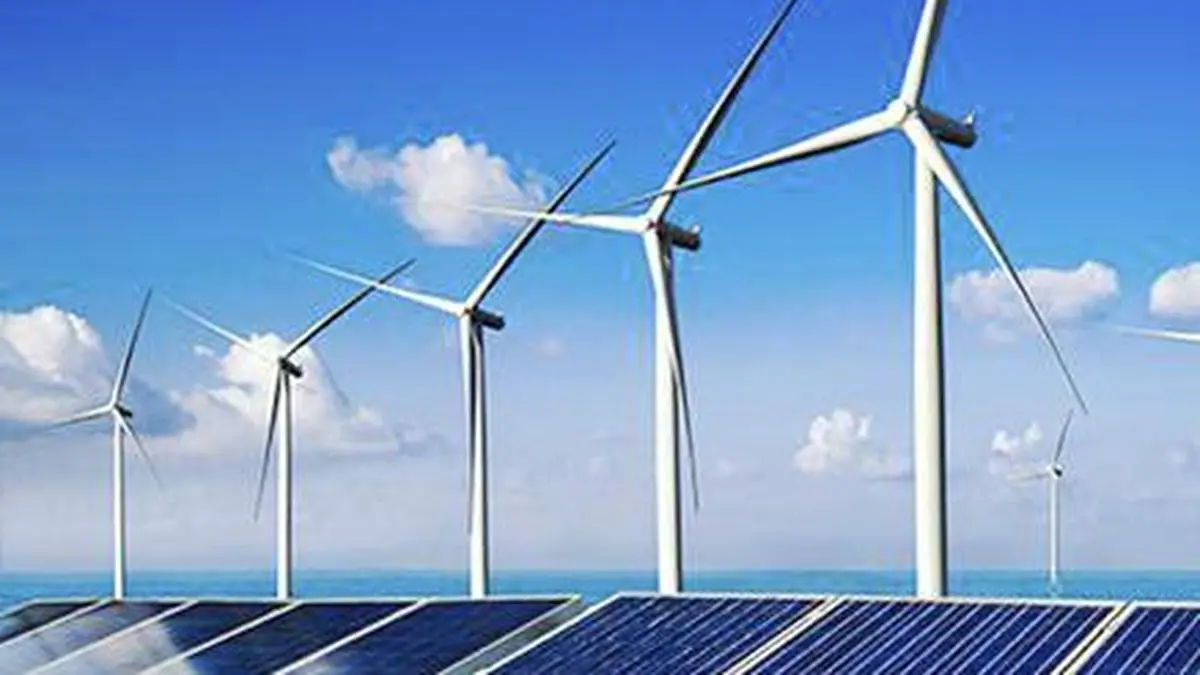
Colliers said India could add 270–300 GW of renewable energy capacity by 2030, requiring nearly 7 lakh acres of land and creating a $10–15 billion opportunity in land aggregation and acquisition
| Photo Credit:
Blue Planet Studio
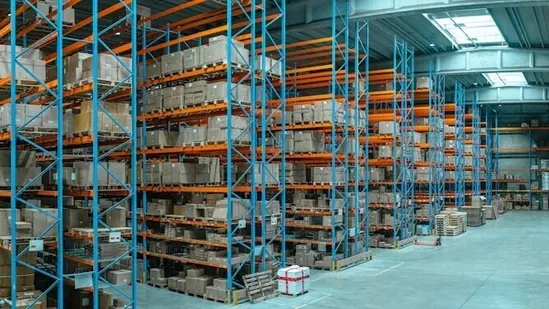
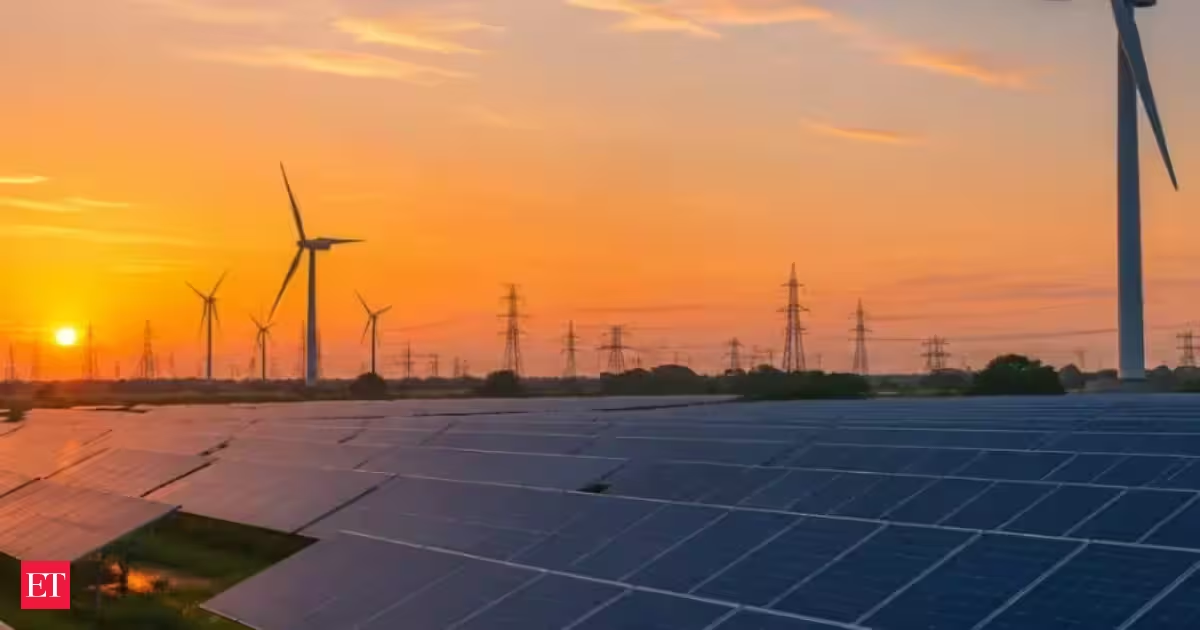
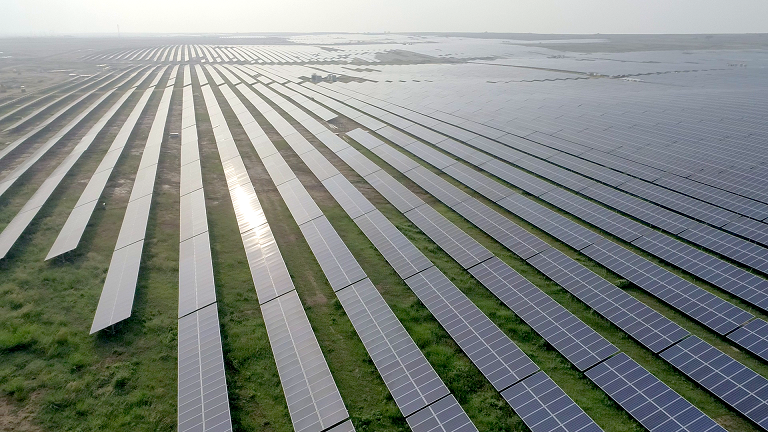
An estimated 270–300 gigawatts (GW) of renewable energy capacity additions are anticipated in the coming years till 2030, requiring nearly 7 lakh acres of land, offering a significant opportunity to capitalise on large-scale land aggregation and acquisition, real estate consultancy Colliers said.As of 2025, renewable projects totalling around 146 GW are at various stages of construction and are expected to be completed over the next few years. Colliers estimates about 270-300 GW of solar and wind capacity additions by 2030.Colliers sees $10–15 billion land opportunityBadal Yagnik, CEO and Managing Director at Colliers India, said that India’s RE capacity stands at 251 GW, with another 270-300 GW of expected solar and wind energy additions by 2030. This scale-up will create significant opportunities for the real estate sector, particularly in the land and industrial & warehousing segments.“By 2030, solar and wind projects alone could require nearly 7 lakh acres of land, unlocking $10–15 billion of opportunity in land aggregation and acquisition,” he noted.An estimated $110-120 billion in investment is expected to flow into the RE sector over the next few years, primarily in solar and wind projects. Typically, land aggregation & acquisition accounts for around 10–12 per cent of the total costs for solar and wind projects, Colliers said.Renewable energy OEMs drive warehouse demandAnother growth area is the industrial and warehousing space. According to Colliers, RE OEMs (original equipment manufacturers) registered around 6.1 million sq ft of Grade A industrial & warehousing space uptake across the top eight cities during the 2021-2025 period.“Importantly, their share in overall industrial & warehousing demand rose from 3 per cent in 2021 to 8 per cent in 2025. In the coming years, as RE projects expand, the OEM segment is likely to account for a significant share in overall demand for industrial & warehousing spaces in India,” it added.Chennai and Pune emerge as key hubsVimal Nadar, National Director & Head of Research at Colliers India, noted that over the last five years, annual leasing by renewable energy OEMs has surged nearly 4X times to around 3 million sq ft of industrial & warehousing space uptake in 2025.Chennai and Pune have emerged as the preferred cities, cumulatively accounting for almost two-thirds of the space uptake since 2021, he added.“By 2030, annual Grade A space uptake by these OEMs is likely to reach 4-7 million sq ft, accounting for 10-15 per cent of the overall industrial & warehousing demand. This growth will be driven by rapid scaling up of domestic component manufacturing of solar PV modules, wind turbines, geothermal heating & cooling systems, battery storage solutions, semiconductors and other RE components,” Nadar explained.Renewable energy growth to boost housing and office demandBesides, the anticipated surge in RE investments is set to drive demand beyond land, industrial sheds and warehouses, into a broader spectrum of real estate segments.Renewable energy hubs are also likely to witness increasing need for affordable housing, rental accommodation and industrial townships. Moreover, steady growth of manufacturing units and O&M centres will stimulate demand for office spaces, training facilities, and local service ecosystems across Tier-II & III cities, Colliers anticipated.Published on May 21, 2026