Last fall, at 11:42 p.m., a student emailed me in a panic asking for an extension on his paper. I gave him another day. The next afternoon, as I was packing up my office, he walked in smiling and handed me the finished essay. “I was freaking out last night,” he said. “I almost had Chat write it. Glad I didn’t.”
He was not confessing so much as sharing a moment of temptation—and relief. It helped me see more clearly that, in the AI era, we need to prevent cheating not by increasing student surveillance, but by increasing student support.
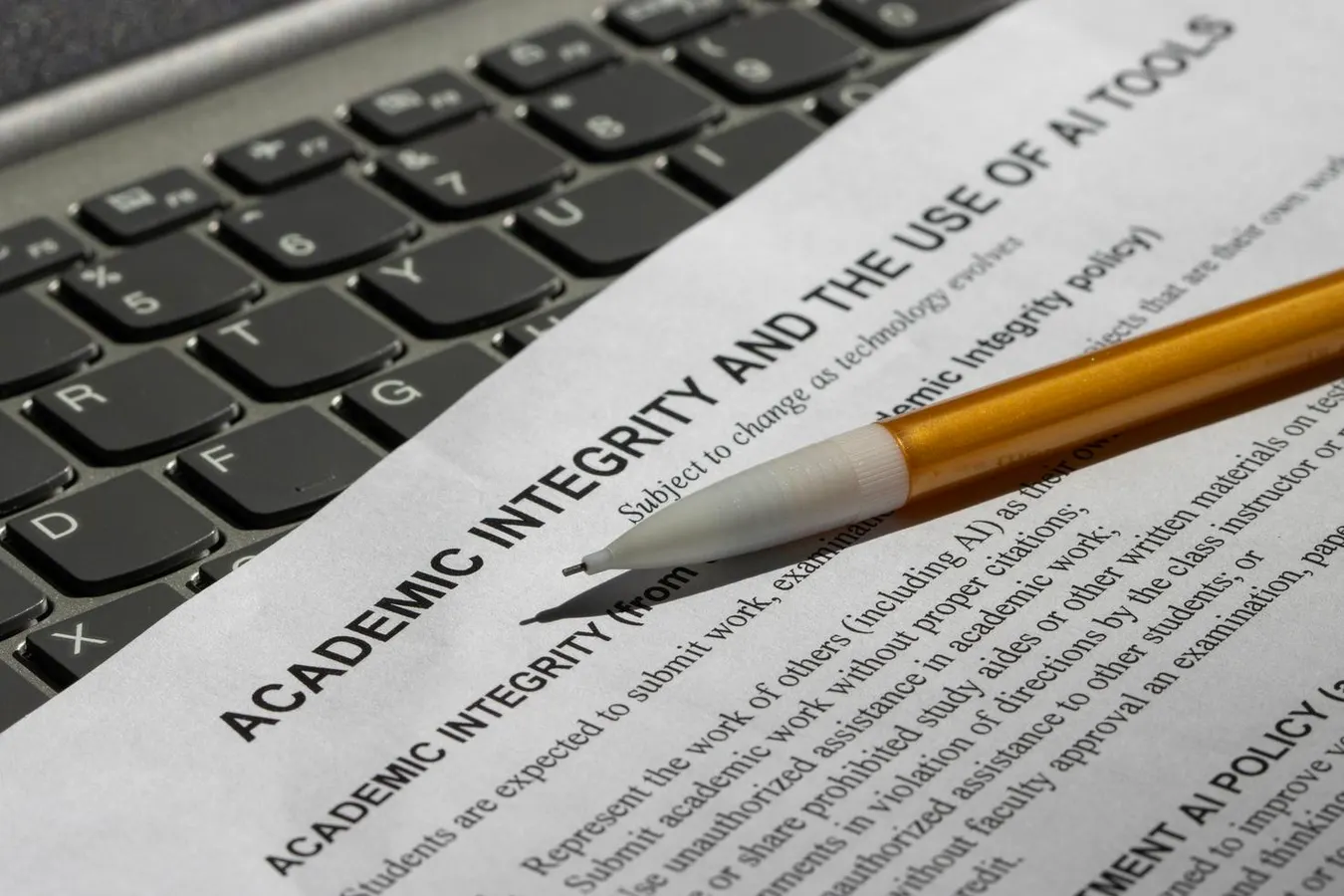
Many colleges have done the opposite. Feeling besieged by AI-assisted cheating, they have hardened the perimeter: stricter policies, zero-tolerance language, AI detectors, locked browsers, keystroke tracking, oral defenses, blue-book exams.
Harvard Will Cap A Grades
Bard President Didn’t Opt to Retire—the Board Voted for It