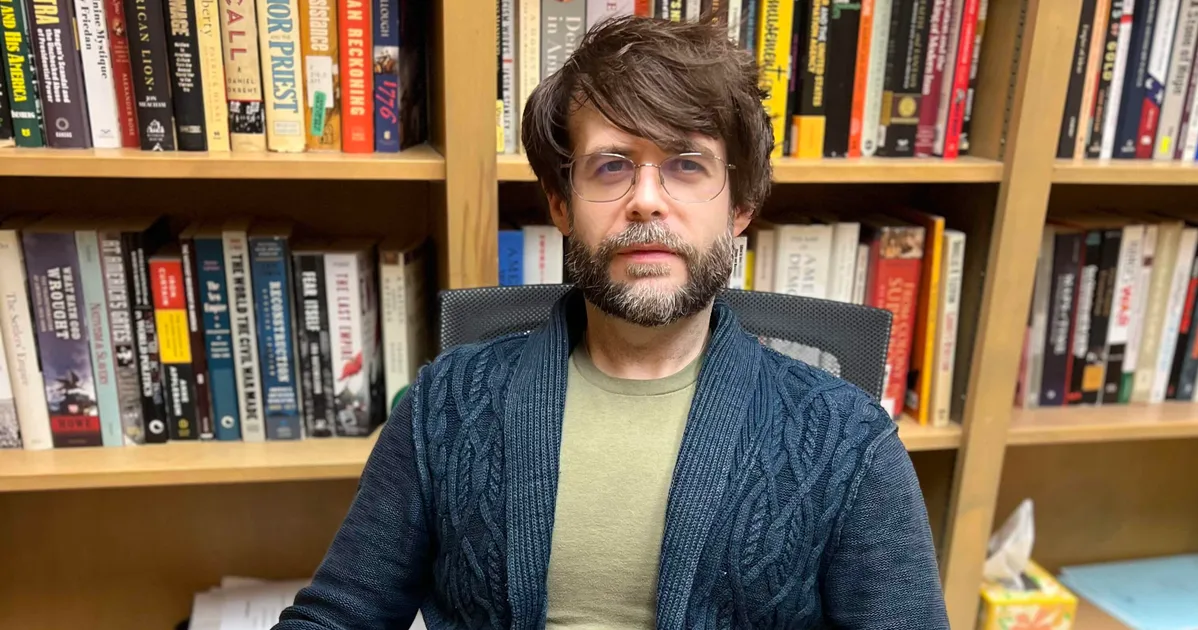
I have been in and out of college classrooms for the last 10 years. I have worked as an adjunct instructor at a community college, I have taught as a graduate instructor at a major research institution, and I am now an assistant professor of history at a small teaching-first university.
Since the spring semester of 2023, it has been apparent that an ever-increasing number of students are submitting AI-generated work. I am no stranger to students trying to cut corners by copying and pasting from Wikipedia, but the introduction of generative AI has enabled them to cheat in startling new ways, and many students have fully embraced it.
Plagiarism detectors have and do work well enough for what I might call “classical cheating,” but they are notoriously bad at detecting AI-generated work. Even a program like Grammarly, which is ostensibly intended only to clean up one’s own work, will set off alarms.
So, I set out this semester to look more carefully for AI work. Some of it is quite easy to notice. The essays produced by ChatGPT, for instance, are soulless, boring abominations. Words, phrases and punctuation rarely used by the average college student — or anyone for that matter (em dash included) — are pervasive.