Nearly one-third of colleges students feel “nervous” or “anxious” about AI’s impact on their future career.
Photo illustration by Justin Morrison/Inside Higher Ed | ablokhin and PhonlamaiPhoto/iStock/Getty Images
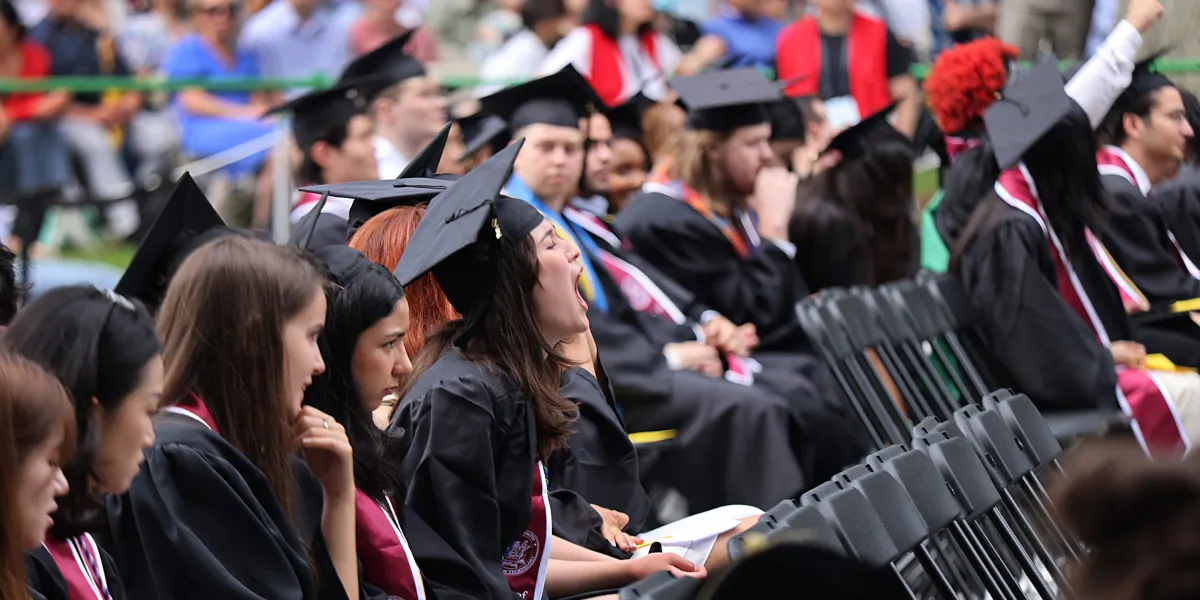
College students may use AI-powered tools almost daily, but their anxiety and anger over the technology’s swift intrusion into their lives is taking center stage this graduation season.
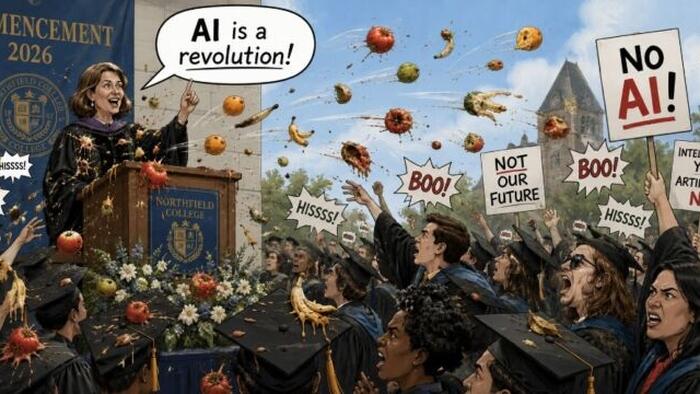
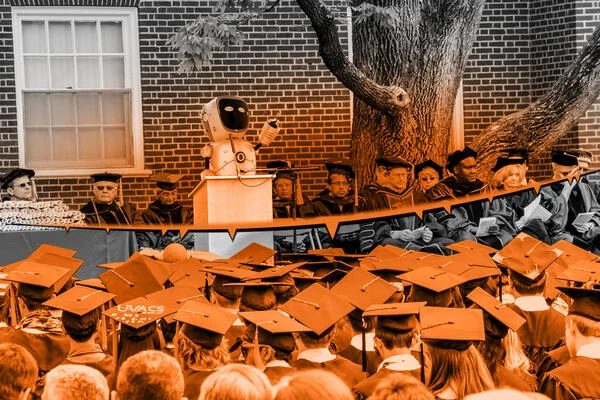
At the University of Central Florida’s commencement ceremony in Orlando earlier this month, students cheered when the featured speaker—investment executive Gloria Caulfield—reminded them that “Only a few years ago, AI was not a factor in our lives.” But those cheers quickly devolved into boos when she declared that “the rise of artificial intelligence is the next industrial revolution.”
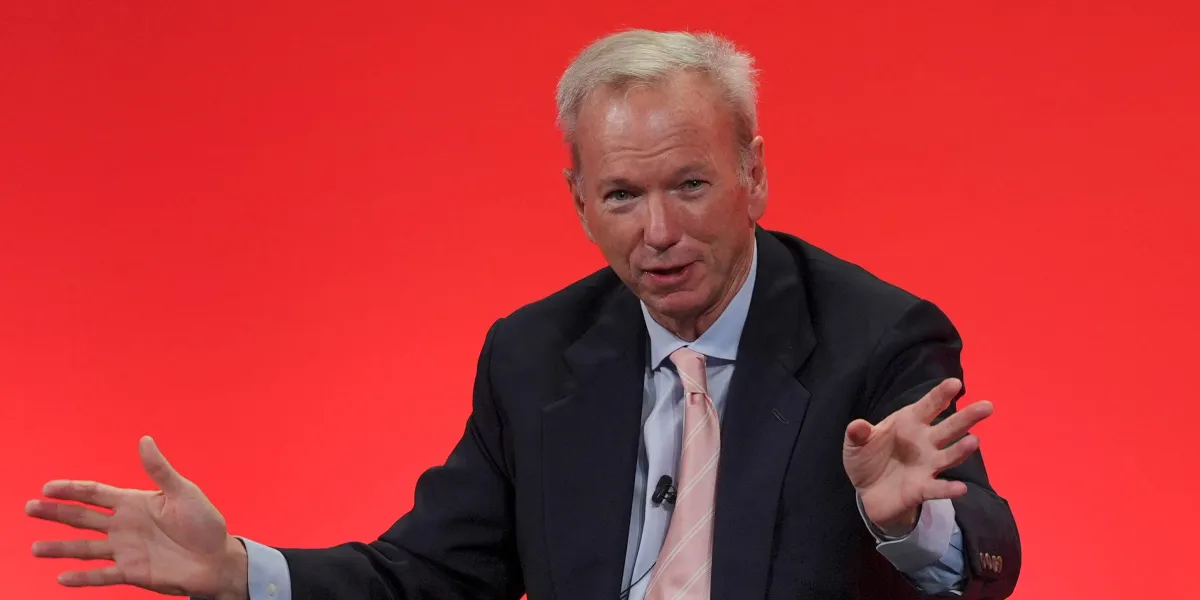
Last weekend, a similar scene unfolded at the University of Arizona in Tucson when Eric Schmidt, former CEO of Google, told some 10,000 new college graduates that he sympathized with their fears that “the machines are coming, the jobs are evaporating, that the climate is breaking, that politics are fractured”—but they must adapt to an AI-powered world nevertheless. “The question is not whether AI will shape the world. It will,” Schmidt said as the audience jeered. “The question is whether you will have shaped artificial intelligence."