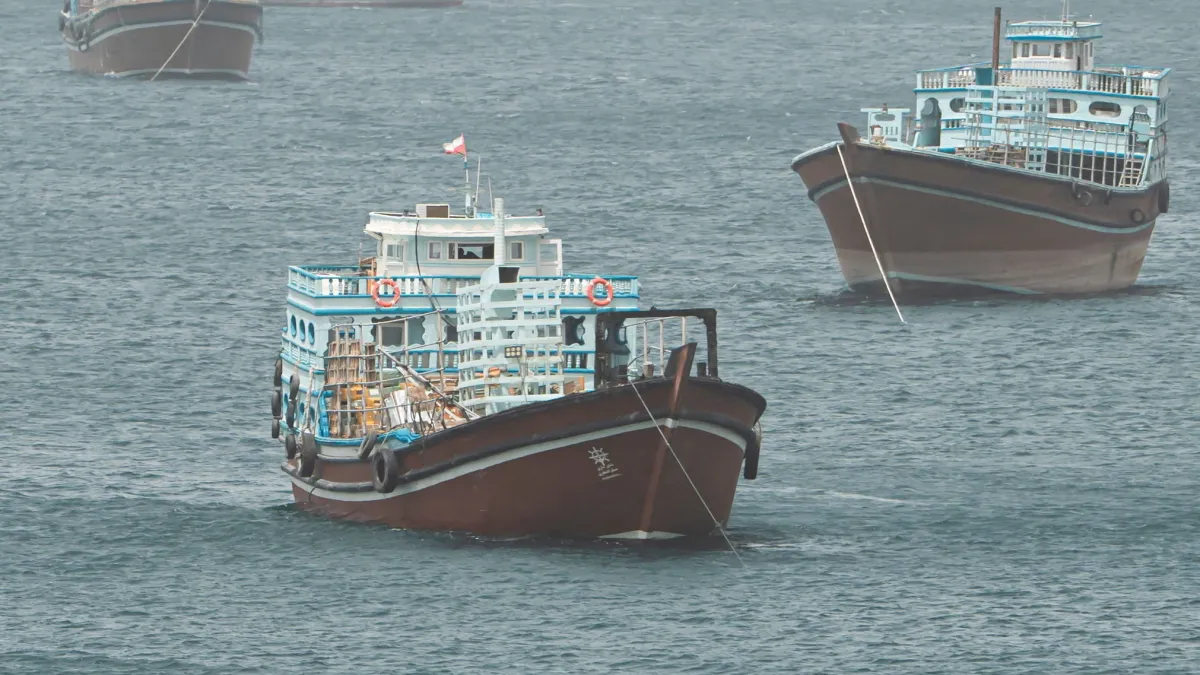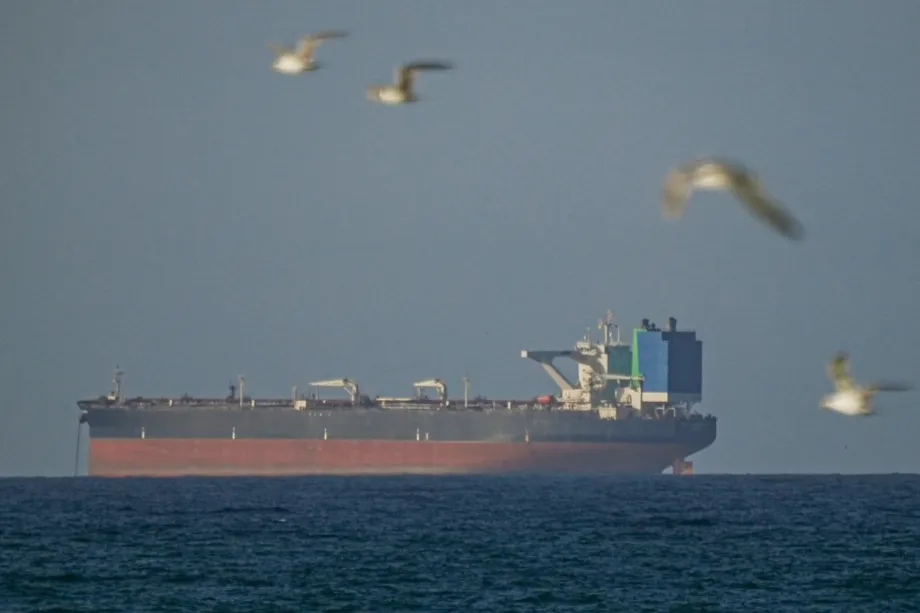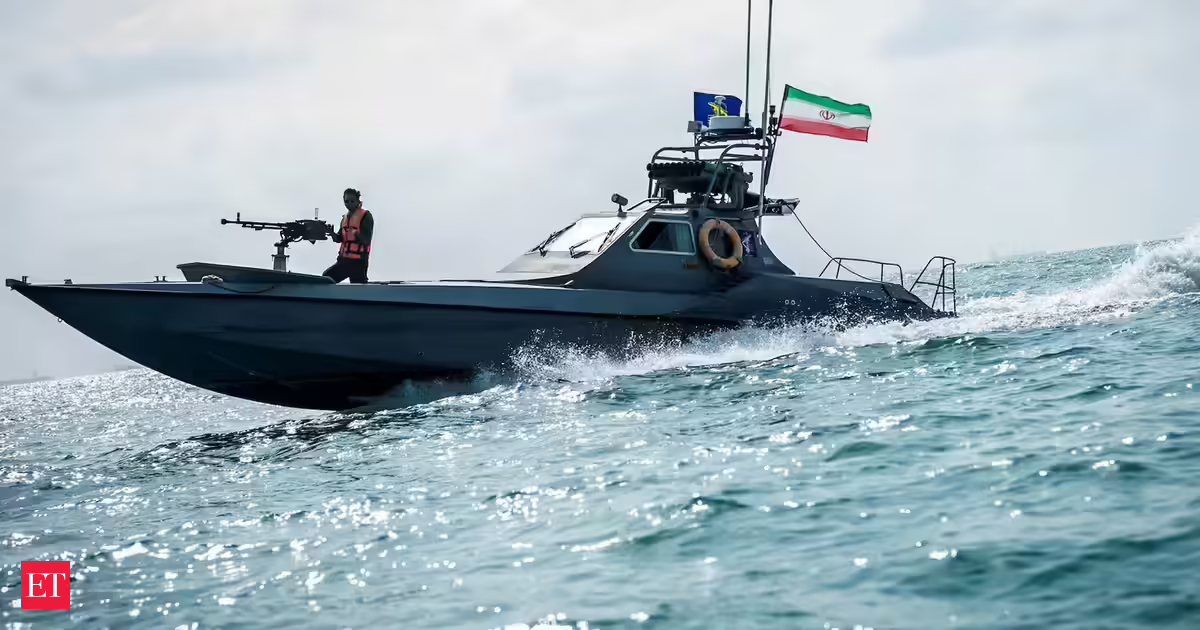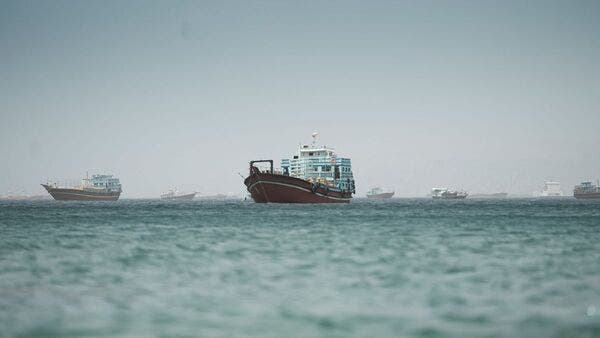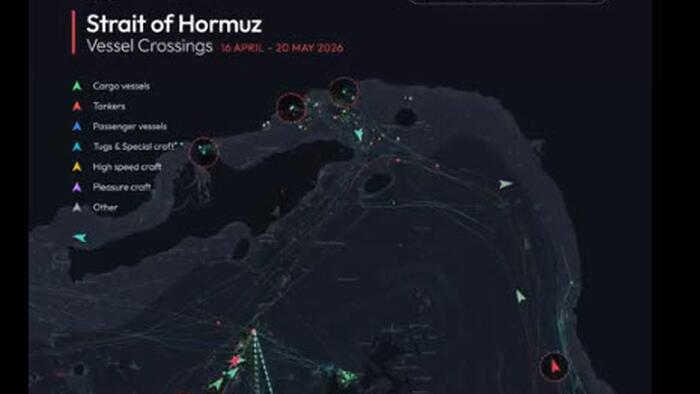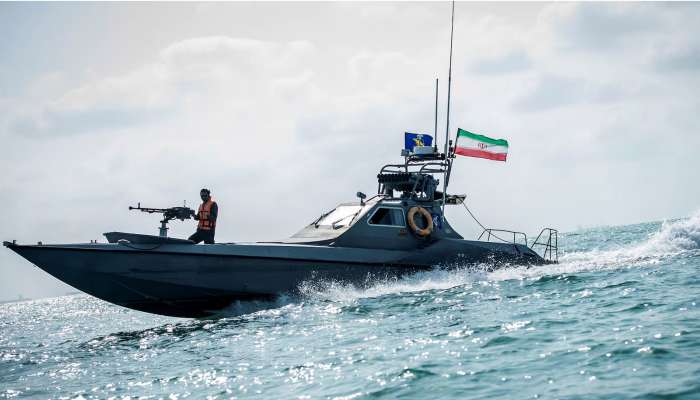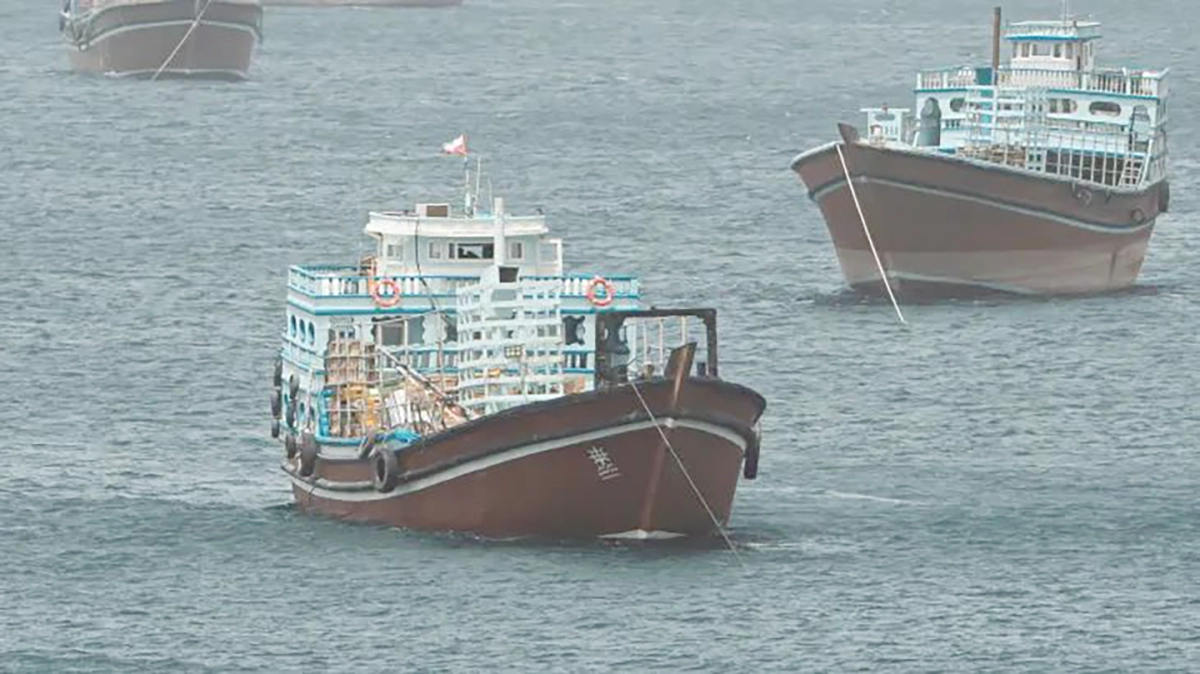
DUBAI — Iran’s Islamic Revolutionary Guard Corps (IRGC) has said it coordinated the transit of 26 vessels through the Strait of Hormuz in the past 24 hours, as talks between Washington and Tehran over the resumption of traffic through the narrow waterway remain stalled.“Traffic through the Strait of Hormuz is being carried out with permission and in coordination with the IRGC Navy,” the statement carried by Iran’s state-affiliated ISNA news agency said on Wednesday.Later on Wednesday, Iran published a new map of Hormuz on X, marking a controlled maritime zone that vessels will not be able transit without its authorisation.It said the zone stretches from Kuh-e Mubarak in Iran to south of Fujairah, in the United Arab Emirates, at the eastern entrance of the strait, and from the tip of Qeshm Island to Umm al-Quwain at the western entrance.About a fifth of global energy exports used to pass through the strait before the beginning of the United States-Israel war on Iran on February 28, which prompted Tehran to blockade the waterway.US President Donald Trump’s administration responded by imposing a blockade on Iranian ports, choking Iranian oil exports – the country’s key source of revenue.The standoff has put huge strain on global energy markets as well as raising concerns over a looming humanitarian catastrophe.A South Korean oil tanker is currently passing through the Strait of Hormuz, the country’s top diplomat said on Wednesday, in a report from AFP.“At this very moment, our oil tanker is passing through the Strait of Hormuz,” Foreign Minister Cho Hyun told lawmakers at the National Assembly in Seoul.Ship-tracking site MarineTraffic showed the South Korea-flagged tanker Universal Winner on the eastern side of the Strait of Hormuz near the entrance to the Gulf of Oman, bound for the southeastern South Korean city of Ulsan after departing Kuwait’s Mina Al-Ahmadi port.Two Chinese ships, among a handful of supertankers carrying Iraqi crude, exiting the Gulf this month, passed through the narrow strait carrying around 4 million barrels of crude, according to data from LSEG and Kpler.On Wednesday, the Food and Agriculture Organization of the United Nations (FAO) warned that the blockage could trigger a severe global food price crisis within six to 12 months, calling the disruption “the beginning of a systemic agrifood shock”.The Rome-based agency said the disruption is no longer only a shipping or energy-market problem, warning that the shock is moving through global agrifood systems in stages.“The shock is unfolding in stages: energy, fertilizer, seeds, lower yields, commodity price increases, then food inflation,” the FAO said.On Wednesday, Trump spoke about “progress” made in negotiations with Iran. But he also threatened to resume military action if Iran does not agree to a deal.Iran’s Foreign Minister Abbas Araghchi warned “return to war will feature many more surprises”. The IRGC also said that if Iran is attacked again, it would widen the conflict by extending fighting “this time” beyond the region.
Iran claims coordinating passage of 26 vessels out of Hormuz in 24 hours
DUBAI — Iran’s Islamic Revolutionary Guard Corps (IRGC) has said it coordinated the transit of 26 vessels through the Strait of Hormuz in the past 24 hours,...
482 words~2 min read