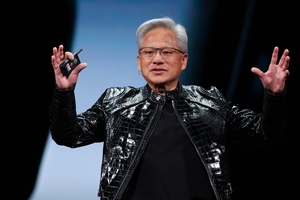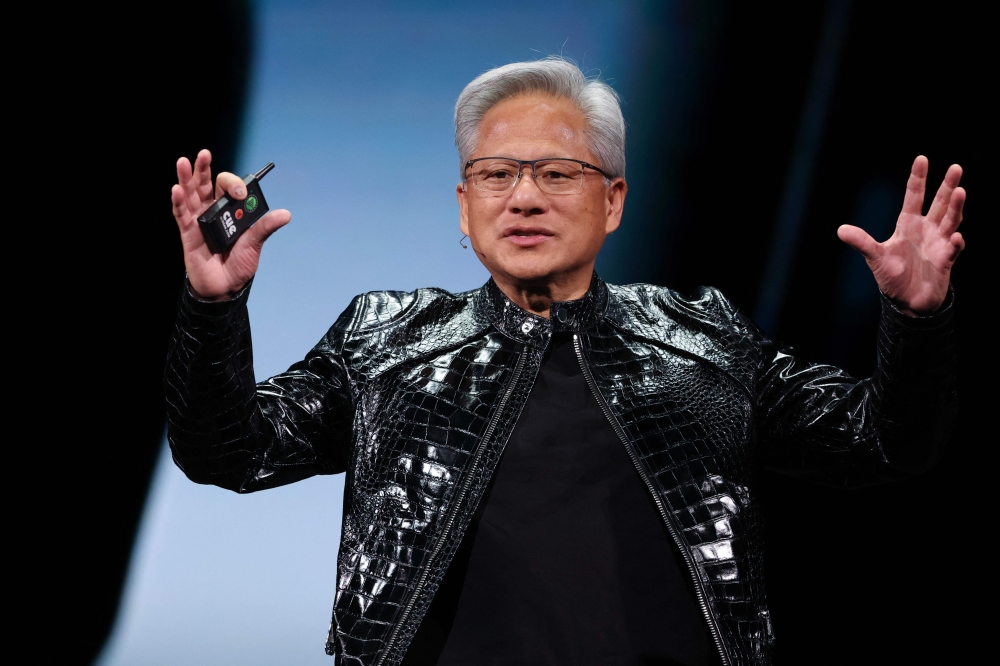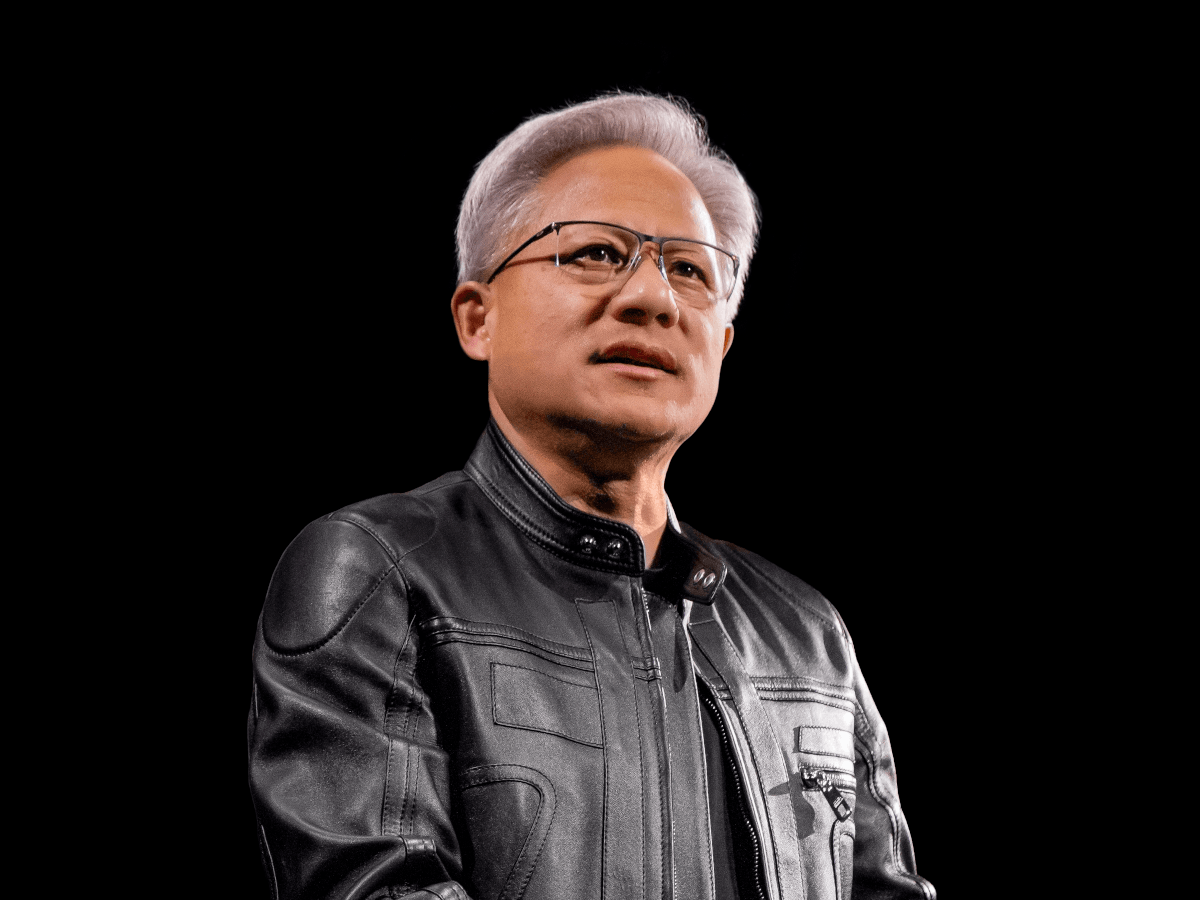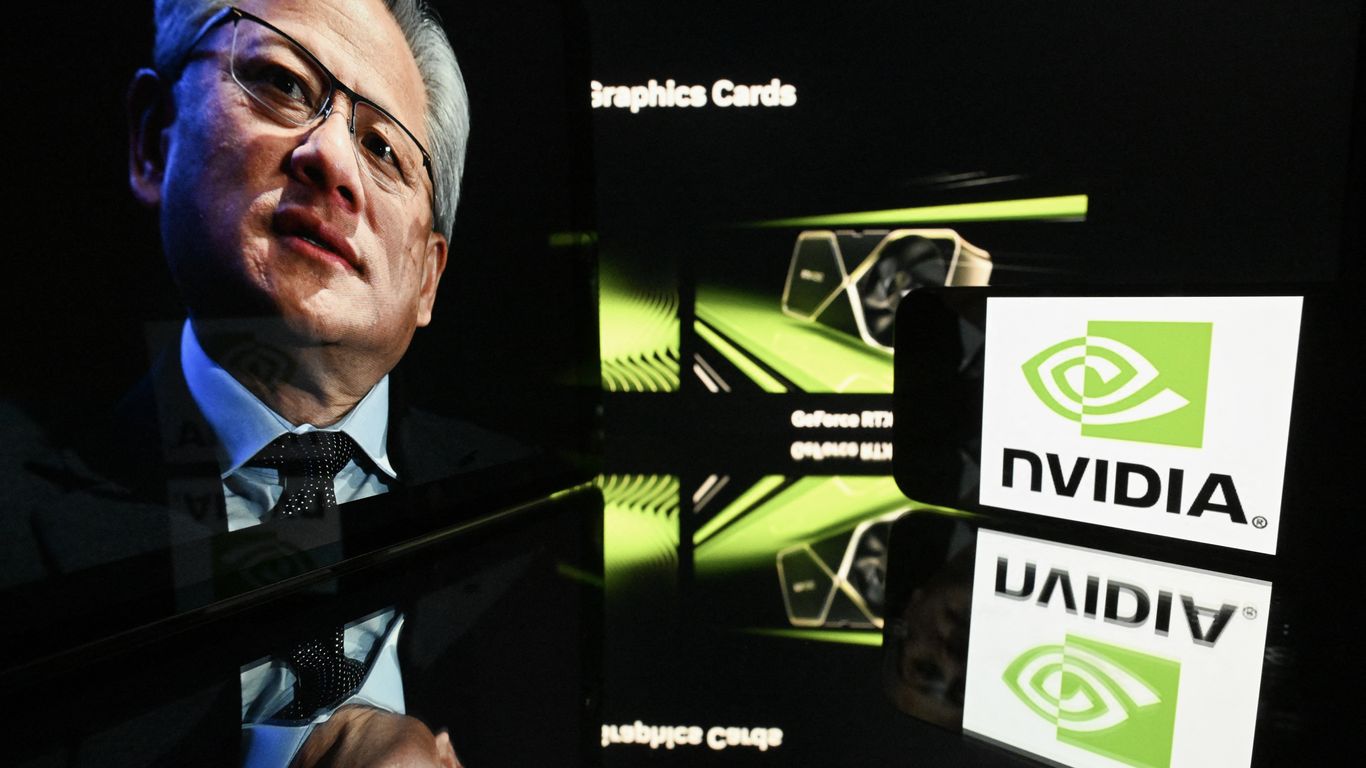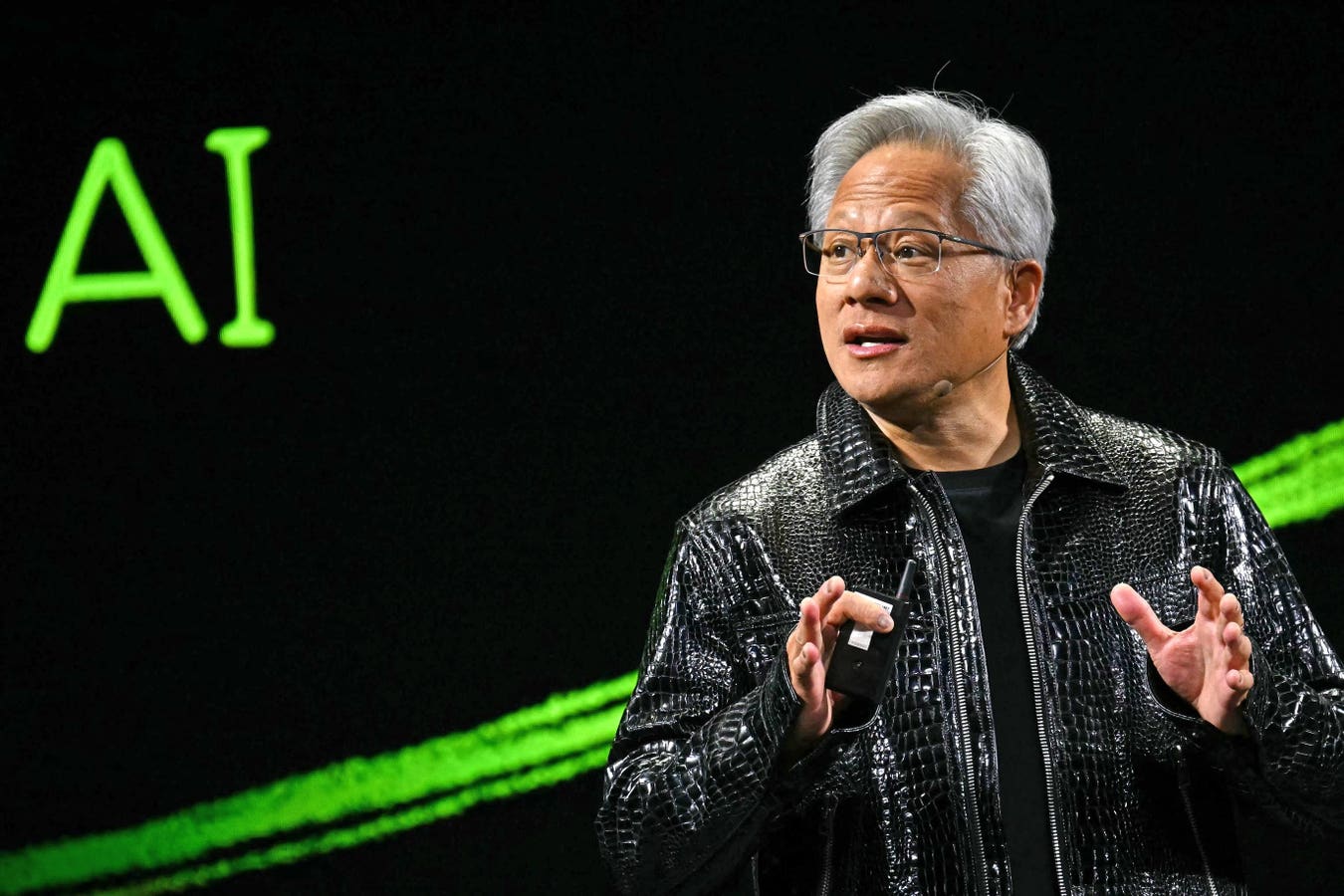
Jensen Huang has a gift for turning earnings calls into pep rallies. Nvidia’s latest quarterly results didn’t just beat expectations, they sent a shockwave through Asian tech markets, lifting shares of semiconductor manufacturers, robotics firms, and component suppliers across the region.
The catalyst: Nvidia posted quarterly revenue of $22.1B, a 265% jump year-over-year. Data-center revenue alone hit $18.4B, up a staggering 409% from the same period last year. Those numbers are driven almost entirely by insatiable demand for AI GPUs, and Huang used the moment to paint an even bigger picture of where all that compute power is headed.
The ‘physical AI’ thesis
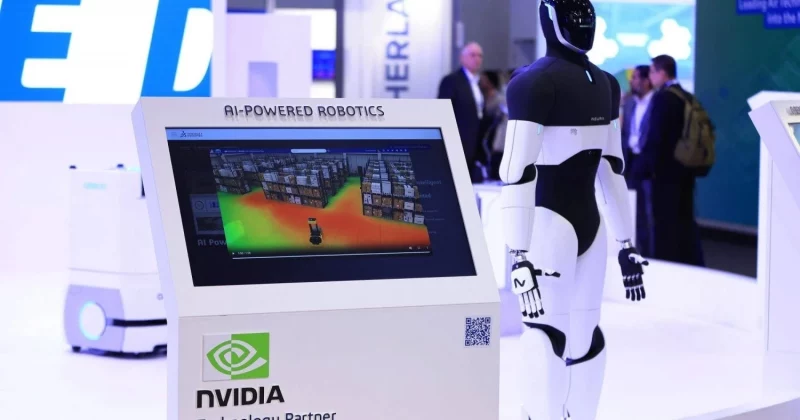
Here’s the thing about Nvidia’s AI narrative. It’s no longer just about chatbots and large language models. Huang is now pushing what he calls “physical AI,” a term that covers robots, autonomous machines, automated factories, and AI-integrated devices that operate in the real world rather than on a screen.
In English: Nvidia wants its chips powering not just the software that thinks, but the hardware that moves. The company has been building out platforms like Nvidia Isaac for robotics development and Omniverse for digital-twin simulations. Both are designed to make it easier for manufacturers to build, train, and deploy robots at scale.