Gilead Sciences and World Health Organization Expand Collaboration to Help Eliminate Visceral Leishmaniasis, a Fatal Parasitic Disease
- The disease remains a public health challenge with an estimated 50,000 to 90,000 new cases each year -
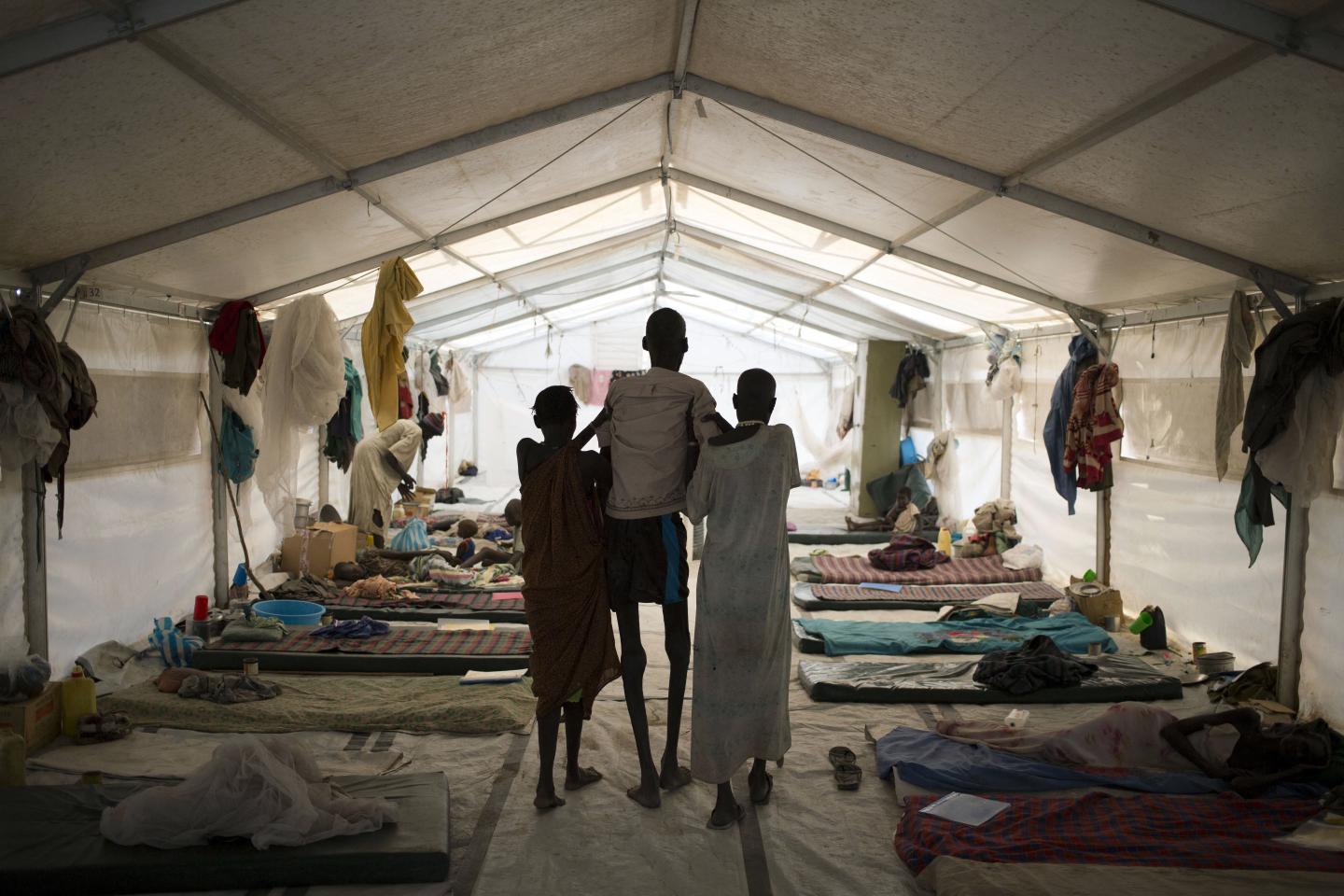
Gilead Sciences, Inc. (Nasdaq: GILD) today announced a renewed five-year collaboration with the World Health Organization (WHO), committing funding, strategic support and product donations to accelerate progress toward eliminating visceral leishmaniasis (VL), also known as kala-azar. VL, the second deadliest parasitic disease after malaria, is a sandfly-borne illness that attacks internal organs and can be fatal if untreated.
The expanded agreement aims to improve access to life-saving diagnostic services and treatment for some of the world's most vulnerable communities, with a sharpened focus on high-burden countries in East Africa. Gilead is committed to improving global health by advancing innovative treatments and partnering with organizations such as WHO to broaden access to medicines and help eliminate diseases like VL.
"Ending visceral leishmaniasis is within reach because of sustained commitment and investment," said Daniel O'Day, Chairman and Chief Executive Officer, Gilead Sciences. "Through the work to expand access to diagnosis and treatment for the disease, we have already made significant progress in endemic regions. With this expanded collaboration and stronger focus on East Africa, we will accelerate progress toward elimination and help ensure more people can access the care they need to survive.”