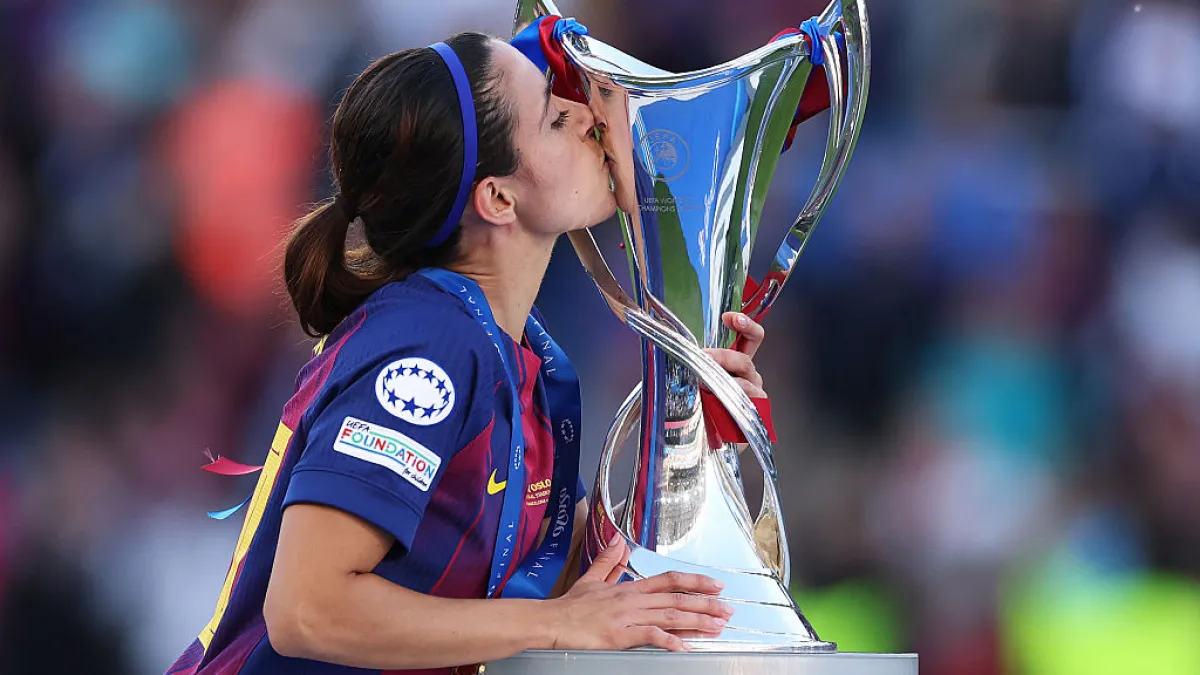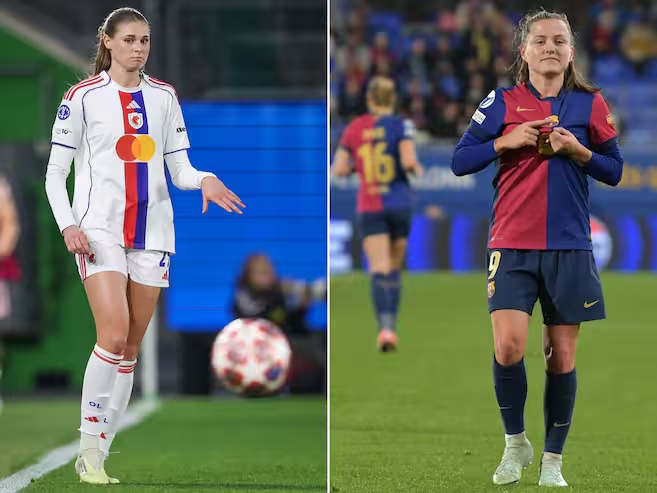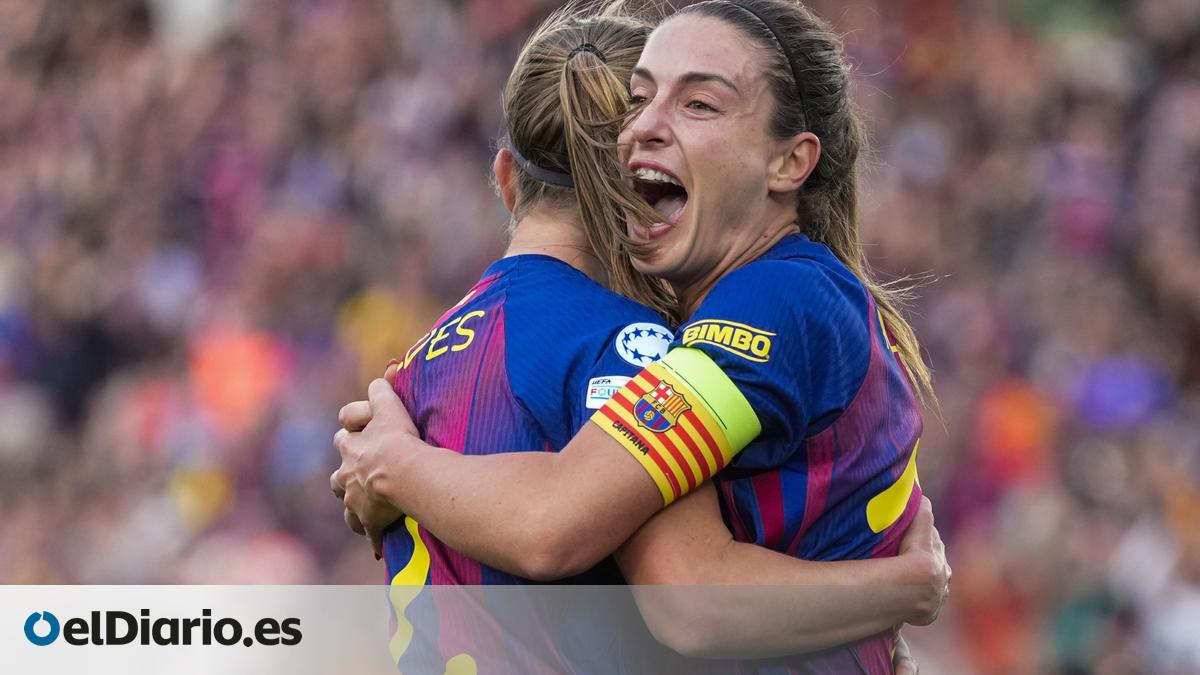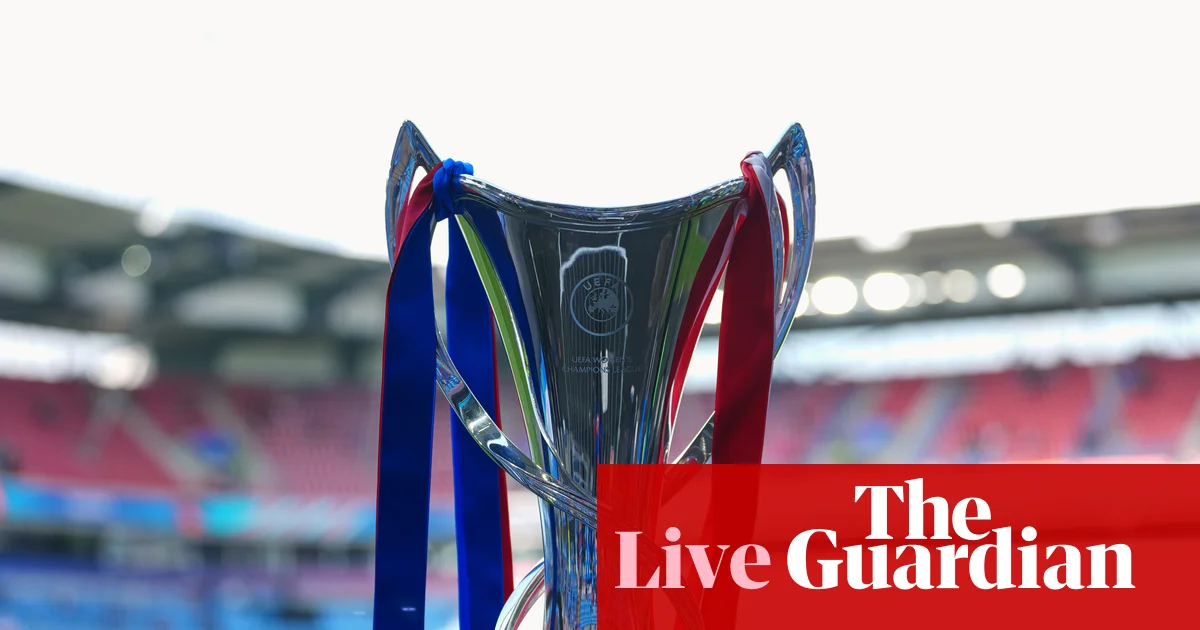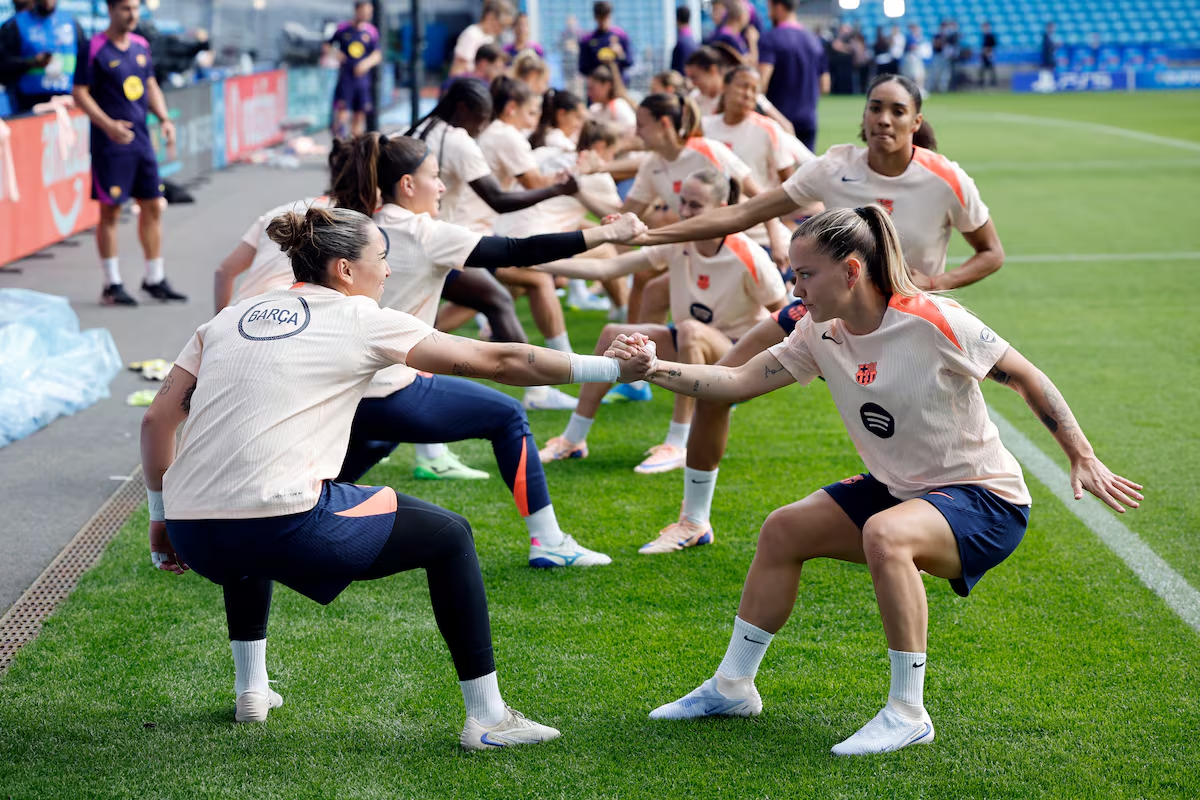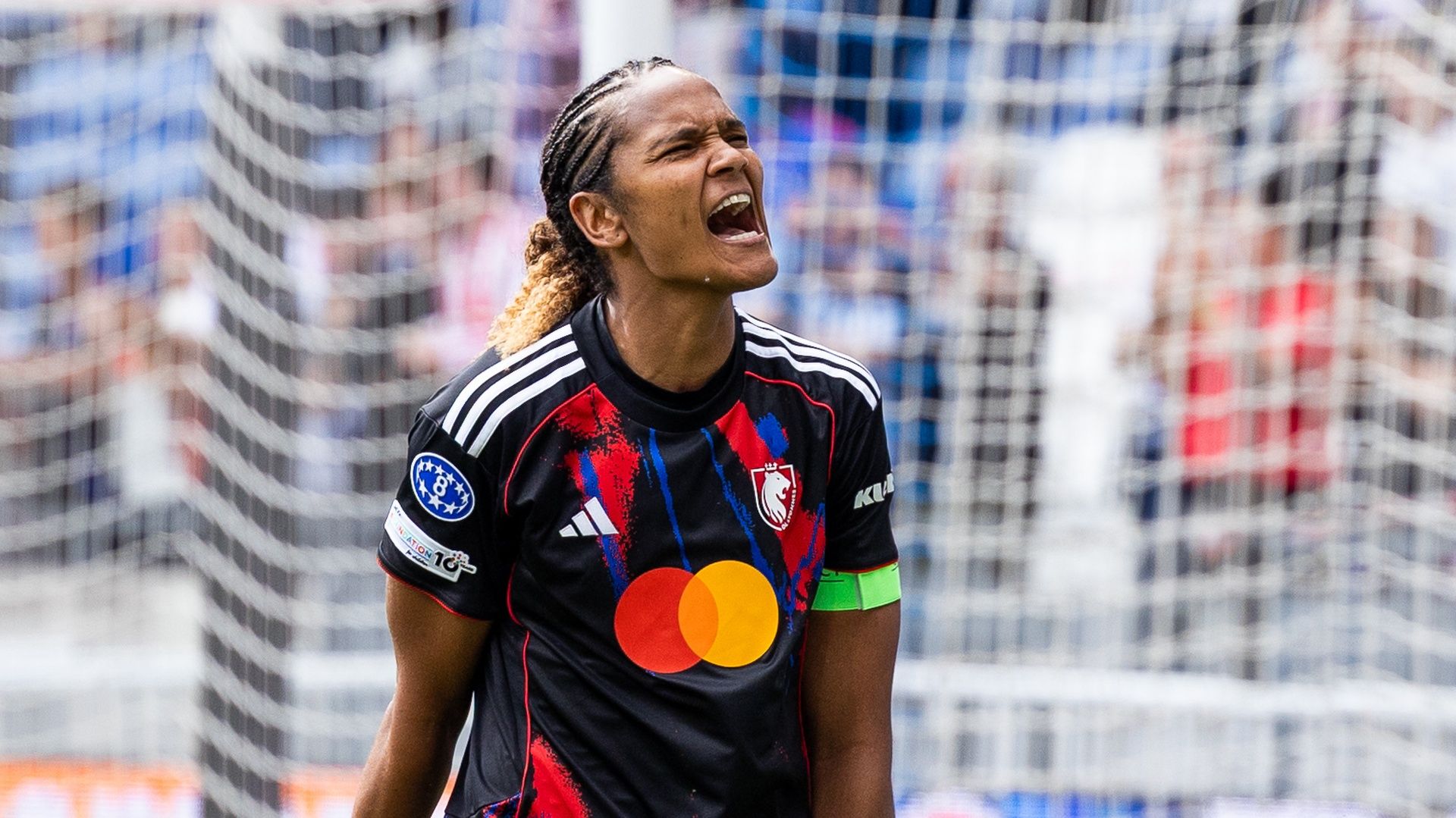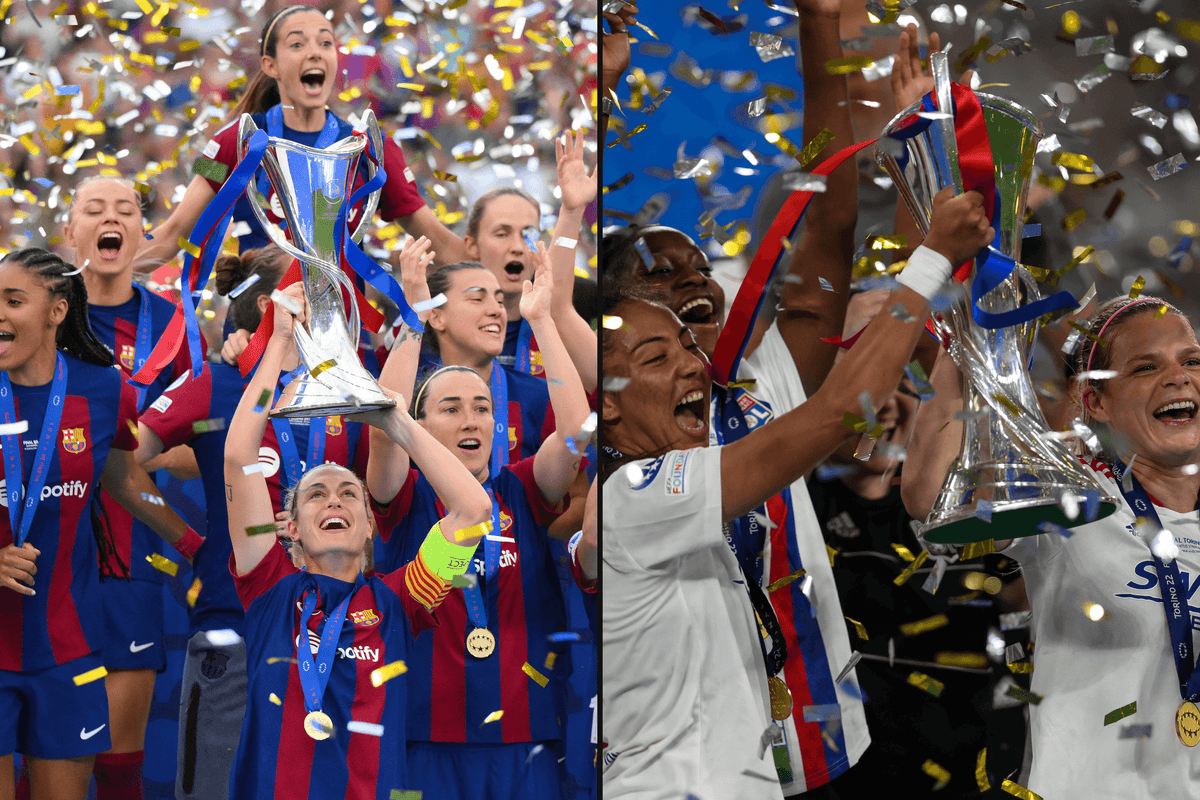
On Saturday night at the Ullevaal Stadium in Oslo, Norway, a new European club champion will assume the throne. Though referring to either OL Lyonnes or FC Barcelona as new is a disservice to both teams.The French side are storied titans of the UEFA Women’s Champions League, having claimed the title eight times. In their first meeting, OL Lyonnes lifted the continental trophy with a decisive win over Barcelona in 2019, in the Catalan team’s Champions League final debut. Clearly, the heartbreaking whiff of European glory was all Barcelona needed as motivation; seven years on, including this year, they have reached six Champions League finals, winning three of them.OL Lyonnes and Barcelona have met three times in European finals. The French team won their second meeting in 2022 before Barcelona got the better of them two years later in what is currently their most recent victorious campaign. At the time, Barcelona were coached by Jonatan Giráldez, who is now the manager of OL Lyonnes.This weekend is an opportunity for Barcelona to even out the series and tighten their grip as a generational dynasty, or for OL Lyonnes, who’ve not lifted a Champions League trophy in four years, to reassert themselves as European legends.There is plenty at stake on both sides, including the possible (for some) and inevitable (for others) departures of star players whose names have been synonymous with European glory. Alexia Putellas has won more trophies for Barcelona than any other player in club history, male or female, and her contract expires this summer. There is a high likelihood that Putellas, a generational icon and Barcelona’s queen, will leave the club for the first time in her career.Putellas’ future is less concrete than that of U.S. women’s national team midfielder Lindsey Heaps, who signed with National Women’s Soccer League expansion side Denver Summit on Jan. 12 and will leave OL Lyonnes next month to join them. The 31-year-old midfielder joined the French champions a few months before the team claimed its most recent Champions League in 2022, and will clearly be looking to secure another before she returns to her newly-formed hometown club.Even though this theatrical tale writes itself, The Athletic’s Tamerra Griffin and Laia Cervelló Herrero discuss the details of this dominant matchup.Saturday will be the fourth UWCL final meeting between OL Lyonnes and Barcelona. (Thomas COEX / Getty Images)Is this the greatest UWCL rivalry?Griffin: Before addressing the question of greatness, I want to sit with the premise of a rivalry. In the purest sense of the term — two teams competing for singular distinction — yes, it is. It certainly appears that way on paper, between the narrow 2-1 tilt toward eight-time champions OL Lyonnes and the more recent European reign that Barcelona holds. But it takes more than two top teams meeting each other across several Champions League finals to make them rivals. That is why, spiritually, this matchup is not that to me.Part of this is due to a lack of sustained tension between the two sides. Perhaps if the Catalans had upset their French opponents when the two first met in 2019, they could have set the stage for a rivalry to emerge, but OL Lyonnes were always meant to handle business in that match, and they did. Forward Ada Hegerberg’s first-half hat-trick proved it.That Barça had already won their own title before meeting Lyon again for a final in 2022 does not help matters; it dilutes their collective narrative, which needs to be present and juicy for a rivalry to take root.Same as 2024, when Barcelona won their second Champions League title, albeit in stunning fashion with a comeback win over Wolfsburg. I think there needs to be more frequent contact to really build a rivalry. It is not quite there — yet.FC Barcelona have been to six of the last seven UEFA Women’s Champions League finals. (David Ramos / Getty Images)Cervelló Herrero: I understand what Tamerra means, and I think she’s right, broadly speaking.For OL Lyonnes, this rivalry is new and based solely on a desire to prove that, in Europe, they are the ones in charge — past, present and future. Since Barcelona won their first Champions League final in 2021, they have been in a golden age, and their style of play has drawn widespread praise. Their golden age coincides with a period in which Lyon has had less of a stranglehold on the Champions League. Perhaps from the French side’s perspective, this rivalry isn’t seen as such, and they continue to regard historic rivals like Wolfsburg as their great European rivals, or their neighbors at Paris Saint-Germain.
Is Barcelona versus OL Lyonnes the UEFA Women’s Champions League’s greatest rivalry?
Another Women's Champions League final between the two European giants sends a clear message: invest and evolve or get left behind.
2,123 words~10 min read