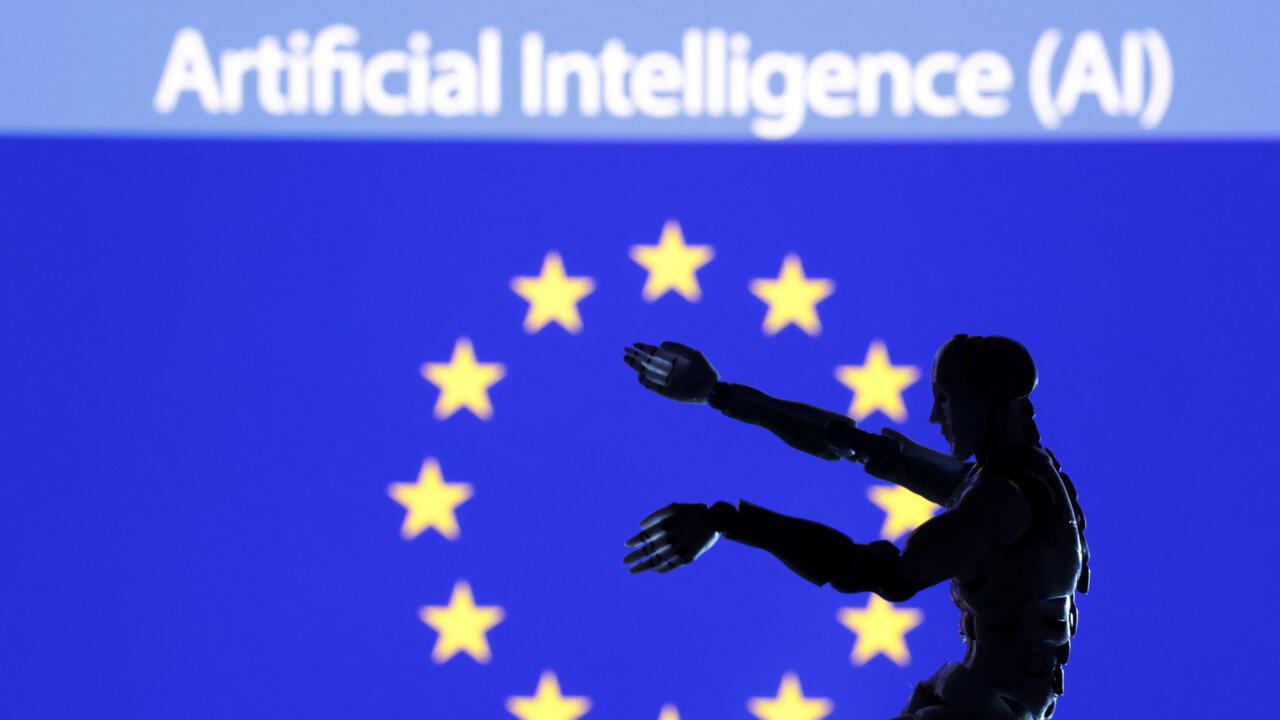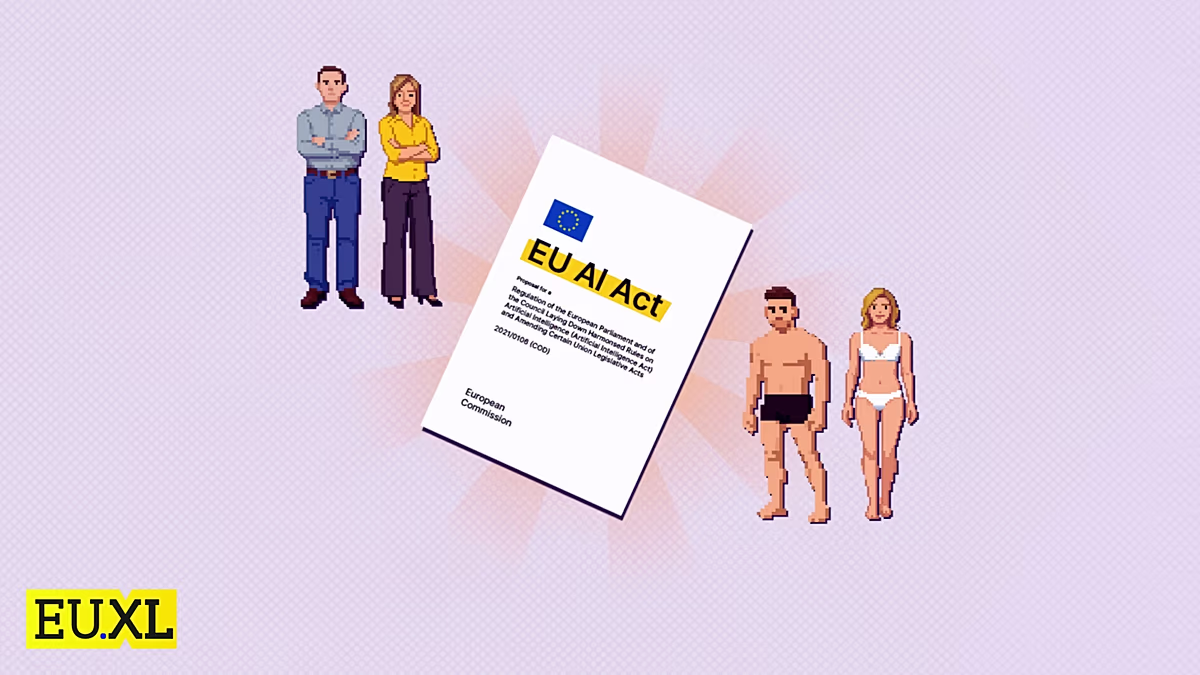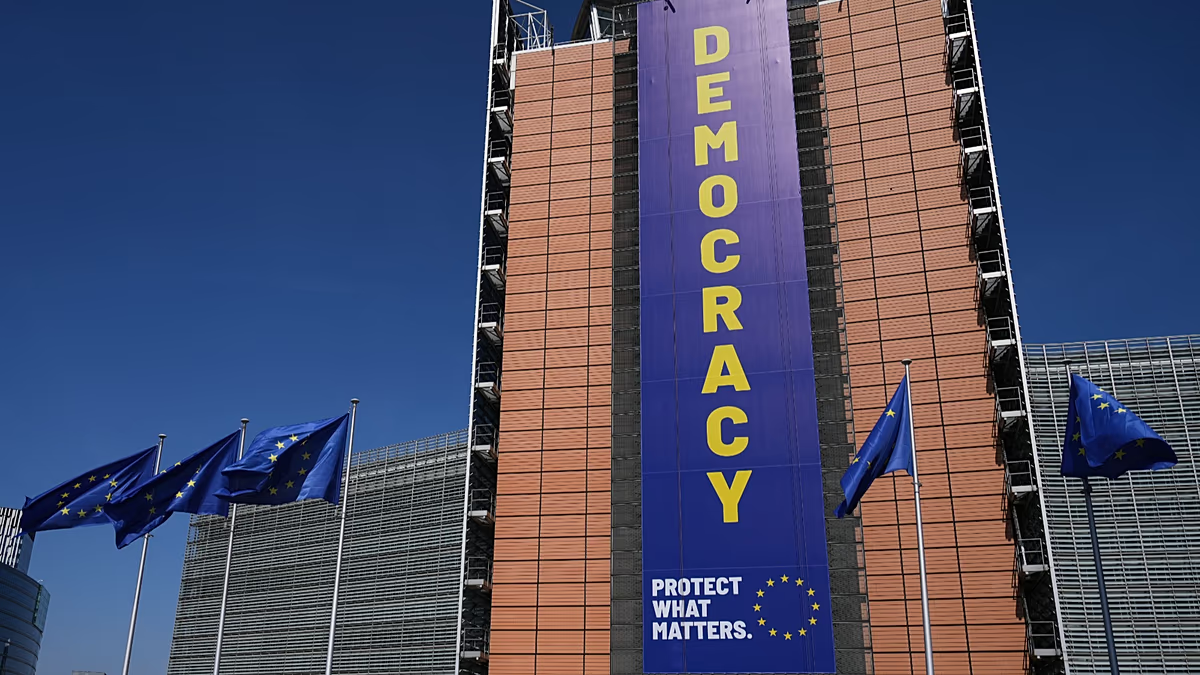
When the EU's Artificial Intelligence Act entered into force in August 2024, it was hailed as the world's strictest AI law. Almost two years later, Europe has already agreed to change it.
On May 7, EU governments and European Parliament lawmakers struck a deal on the so-called "AI omnibus", a package of targeted amendments within a broader digital simplification drive. The goal is to cut red tape, fix overlapping rules, and give businesses more breathing room without dismantling the law's core risk-based logic.
The result is a retooled rulebook that extends deadlines, narrows obligations, and reshapes how the EU's most ambitious digital legislation will be enforced. Whether it is smart course-correction or quiet deregulation depends on who you ask.
What changed?
The most immediate impact is time. High-risk AI systems under Annex 3 of the AI Act, covering employment, education, and health insurance, now face a compliance deadline of December 2, 2027, delayed from summer 2026. AI embedded in physical products like medical devices or industrial machinery gets more time, with obligations delayed until August 2028.