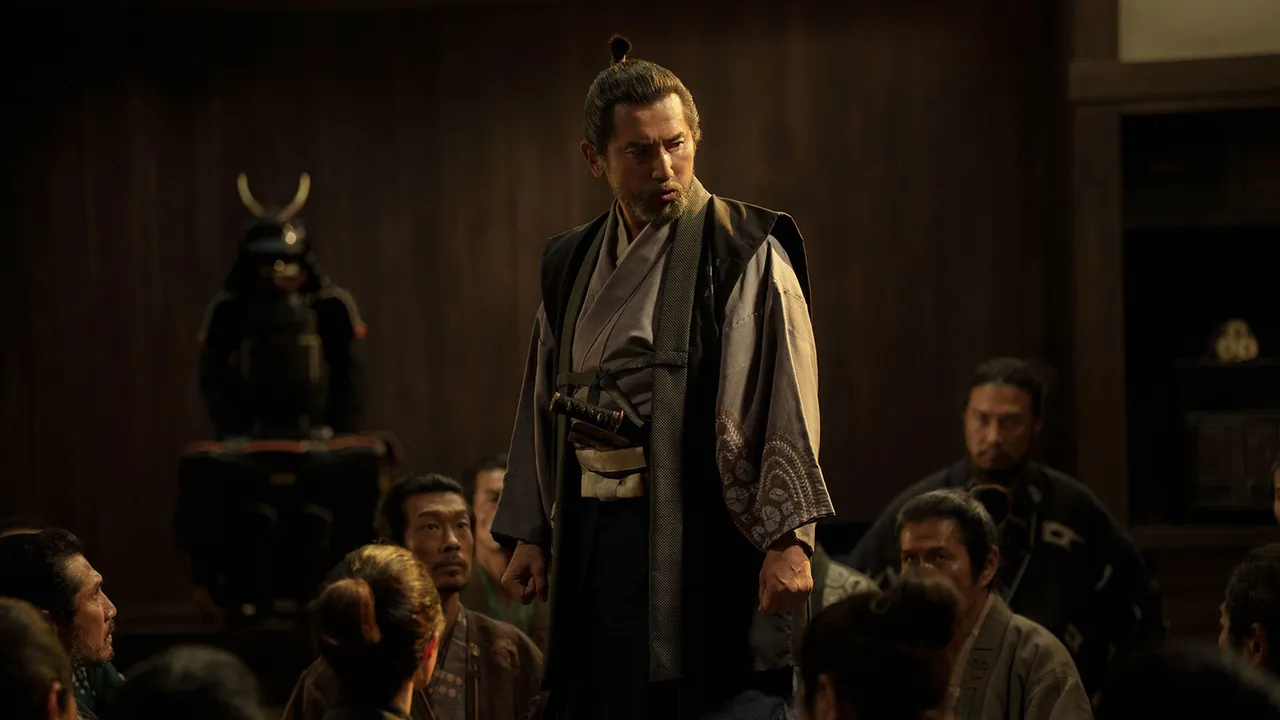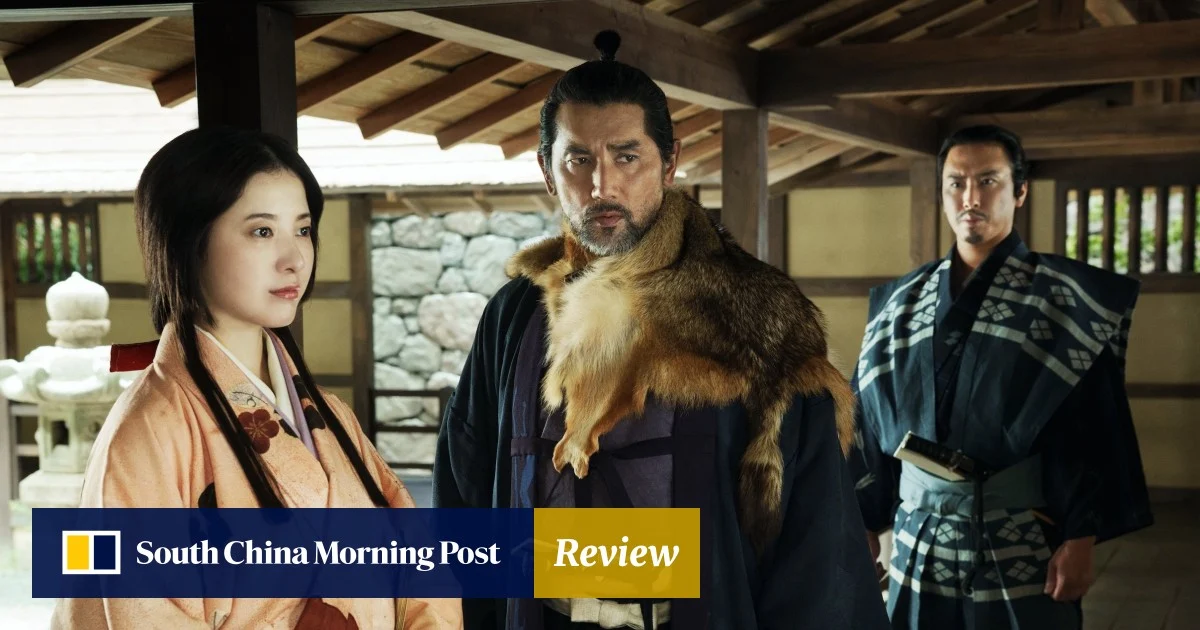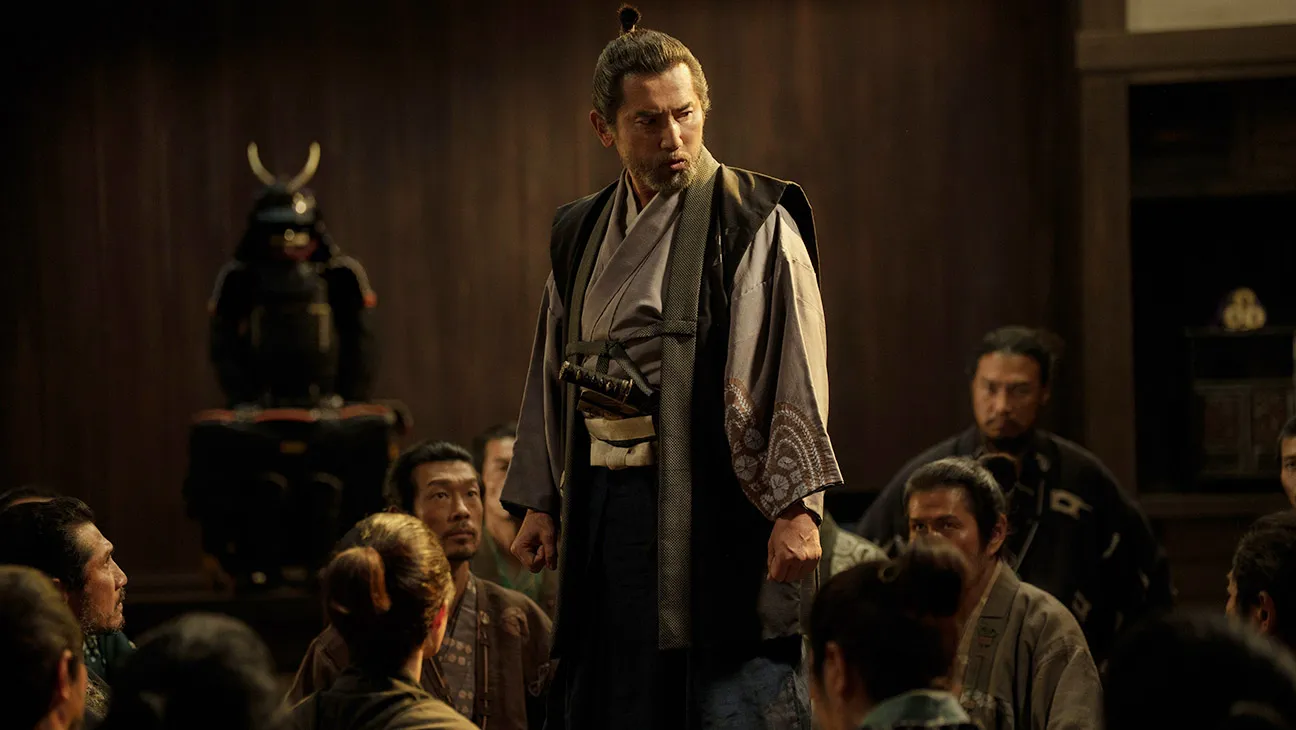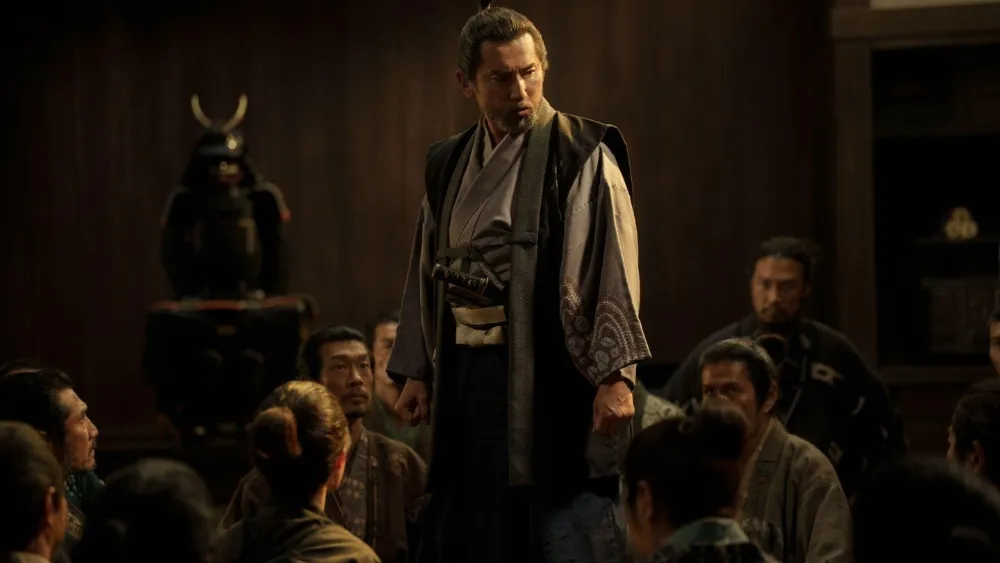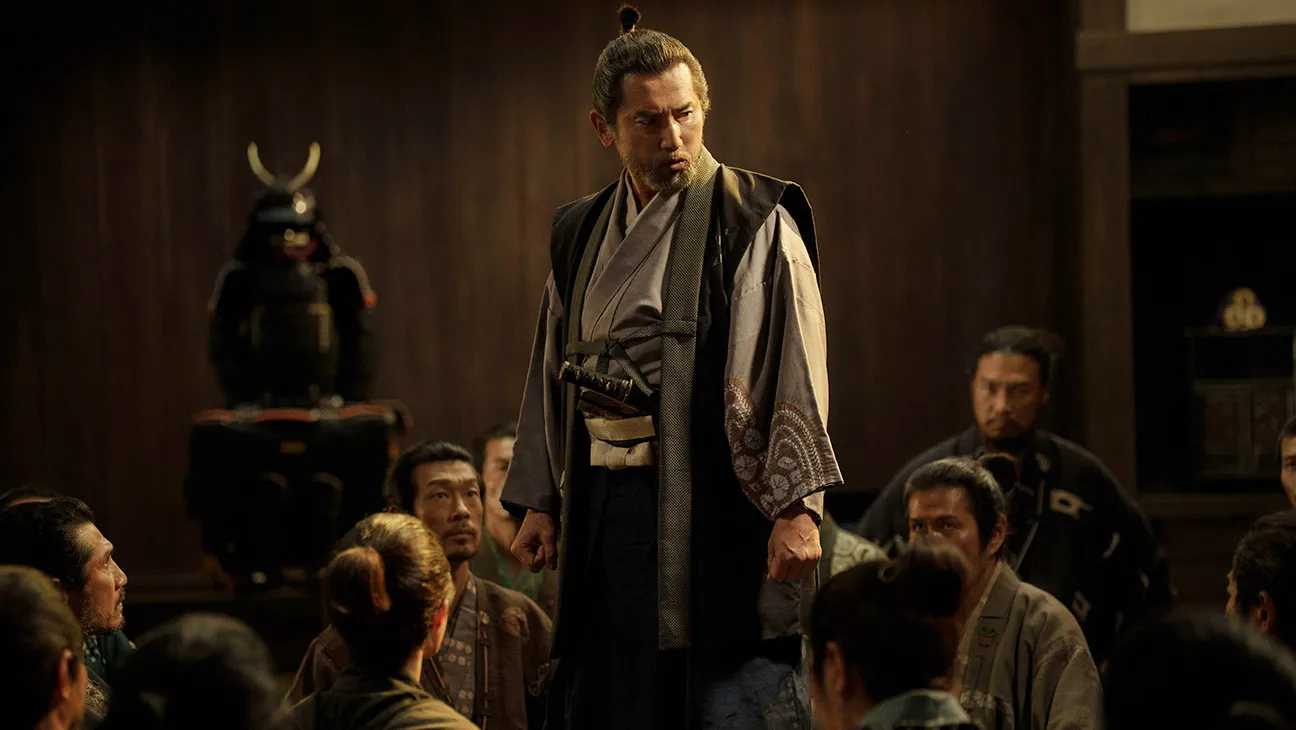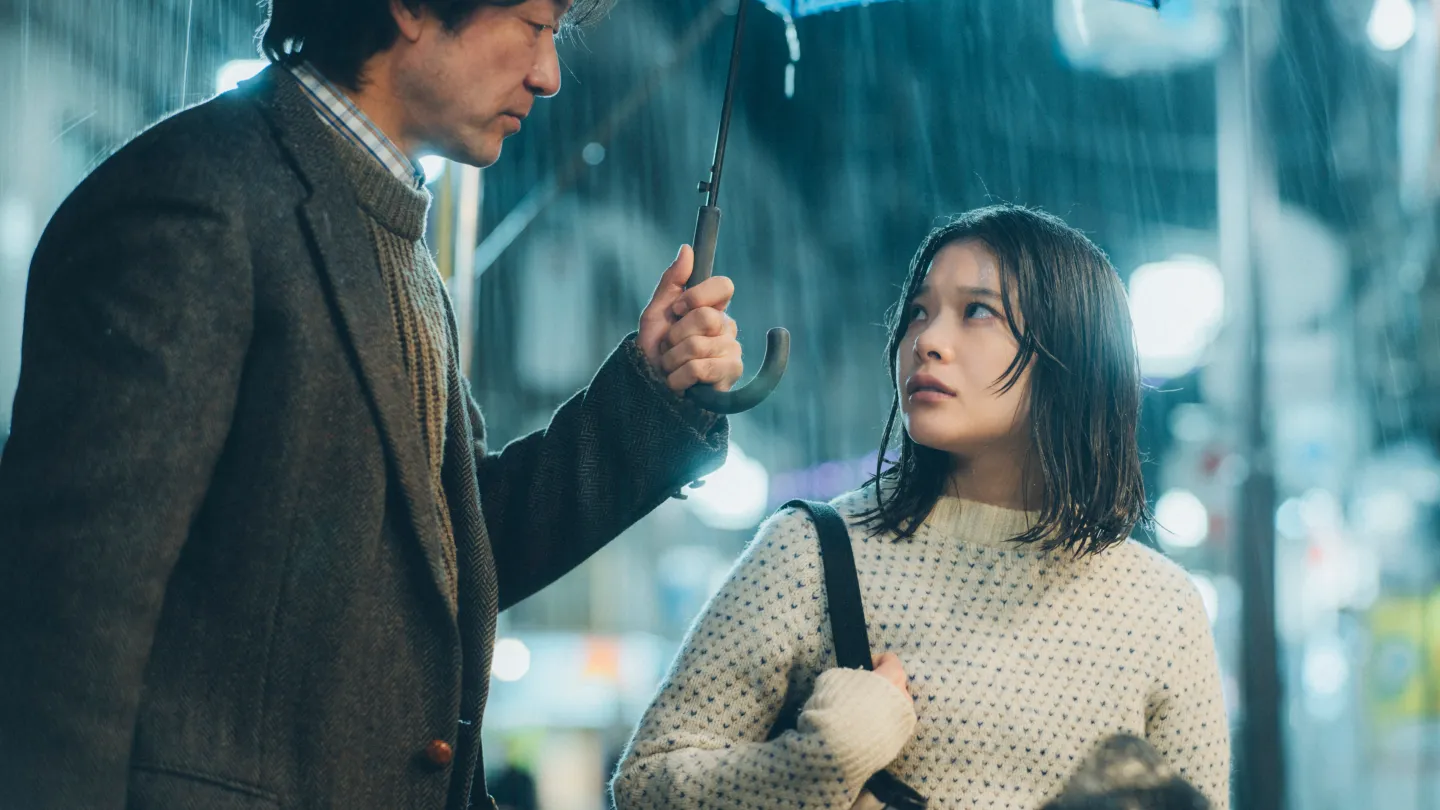
Heavy hangs the head that wears the crown — or in this case, the samurai topknot — in Kiyoshi Kurosawa‘s absorbing, clean-lined literary adaptation, for which the veteran filmmaker brings to life a storied period of swirling discontent in Japanese history with such evocative restraint that it becomes distinctly modern. And yet this is no work of genre deconstruction, and there’s little of Kurosawa’s familiar, eerie experimentation with narrative form. Instead, ‘Samurai’ is classical, if pared-back, in approach — at once a satisfyingly linked series of rousing whodunnits, a tricksy game of mental cat-and-mouse and a trenchant, often rather moving, exploration of the nature of true leadership, in all its solitude and sacrifice.
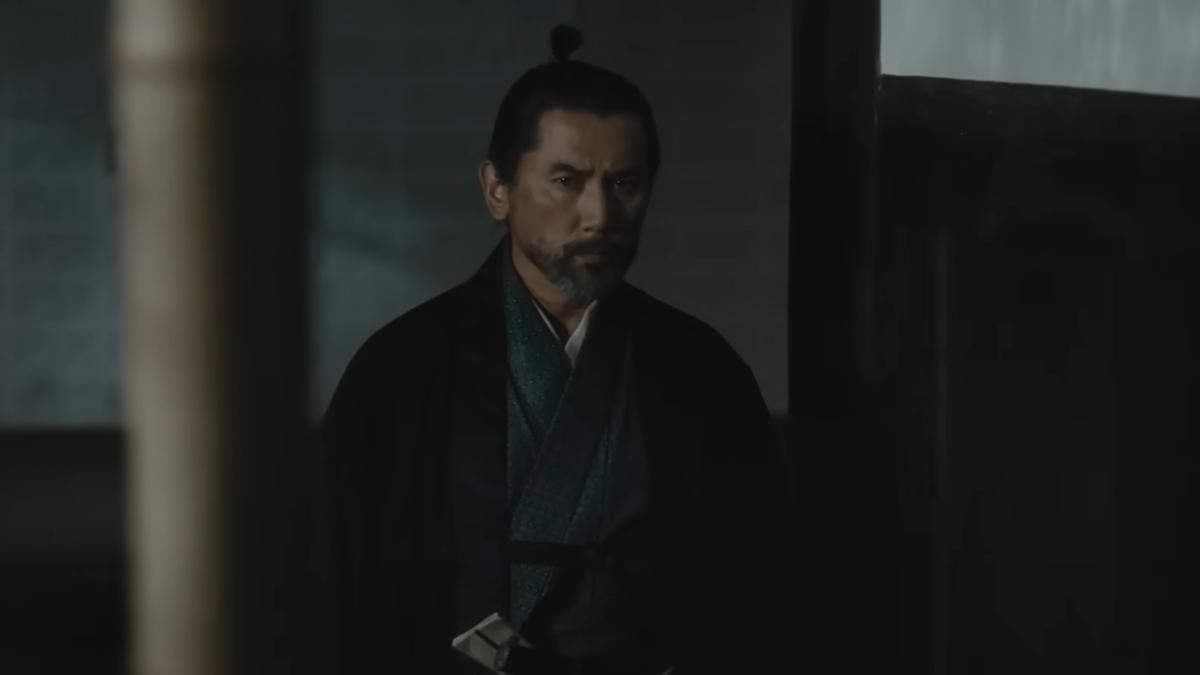
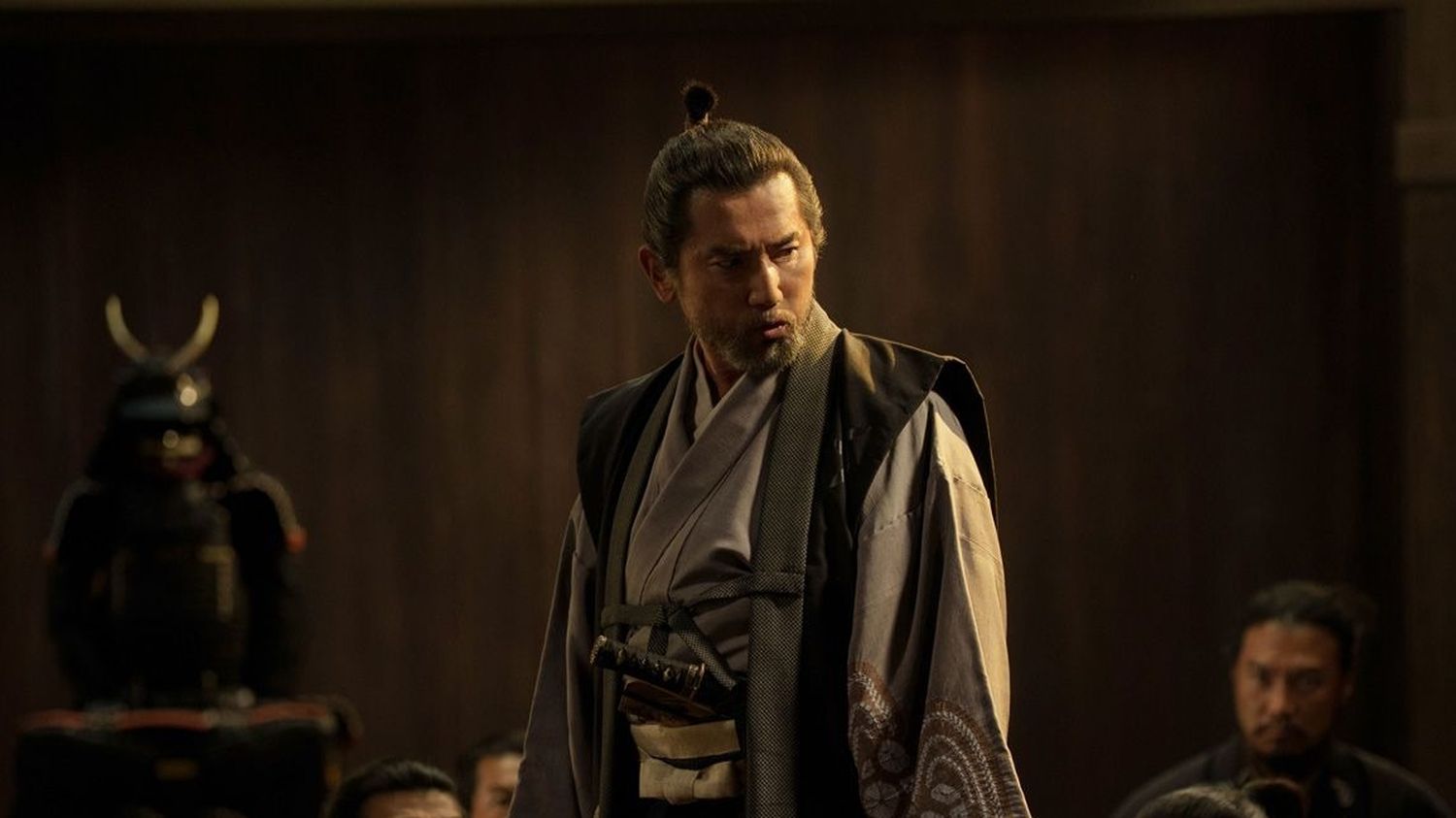
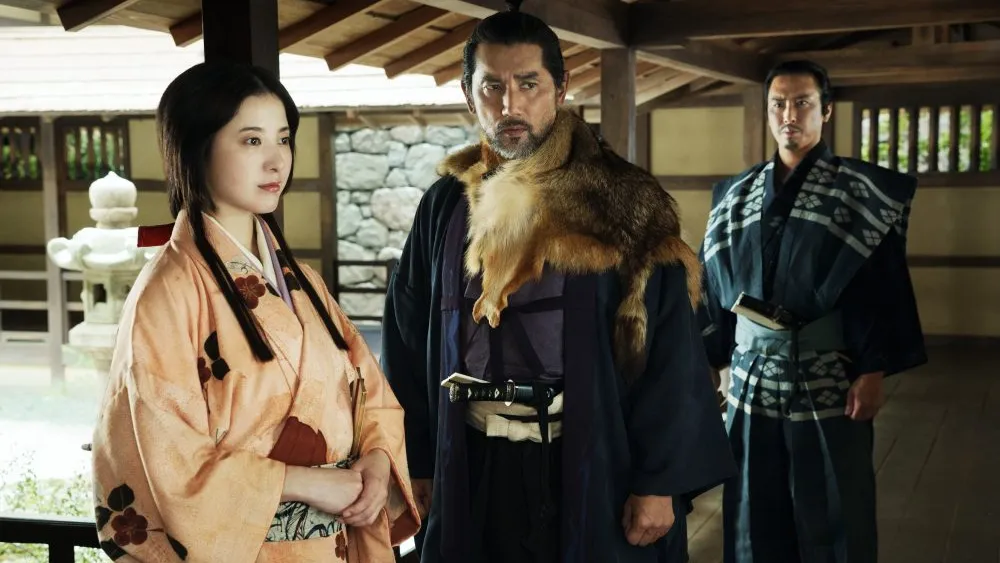
The leader here is Araki Murashige (Masahiro Motoki, excelling in portraying the character’s conflicted charisma) the lord of Arioka Castle during the Azuchi era at the end of the 16th century. As our story begins, the formerly loyal Murashige is in rebellion against powerful regional magnate Oda Nobunaga, citing Nobunaga’s cruelty, ruthlessness and thirst for power as his reasons. In response, Nobunaga and his local allies have sent forces to besiege the castle, which has become a fortress. Within its geometric courtyards and spartan, tatami-matted interiors, Murashige paces and plots his next move, consulting with the leaders of the clans under his control and being occasionally comforted by his devout wife Chiyoho (Yuriko Yoshitaka) whose enmity toward Nobunaga may outmatch even that of her husband.