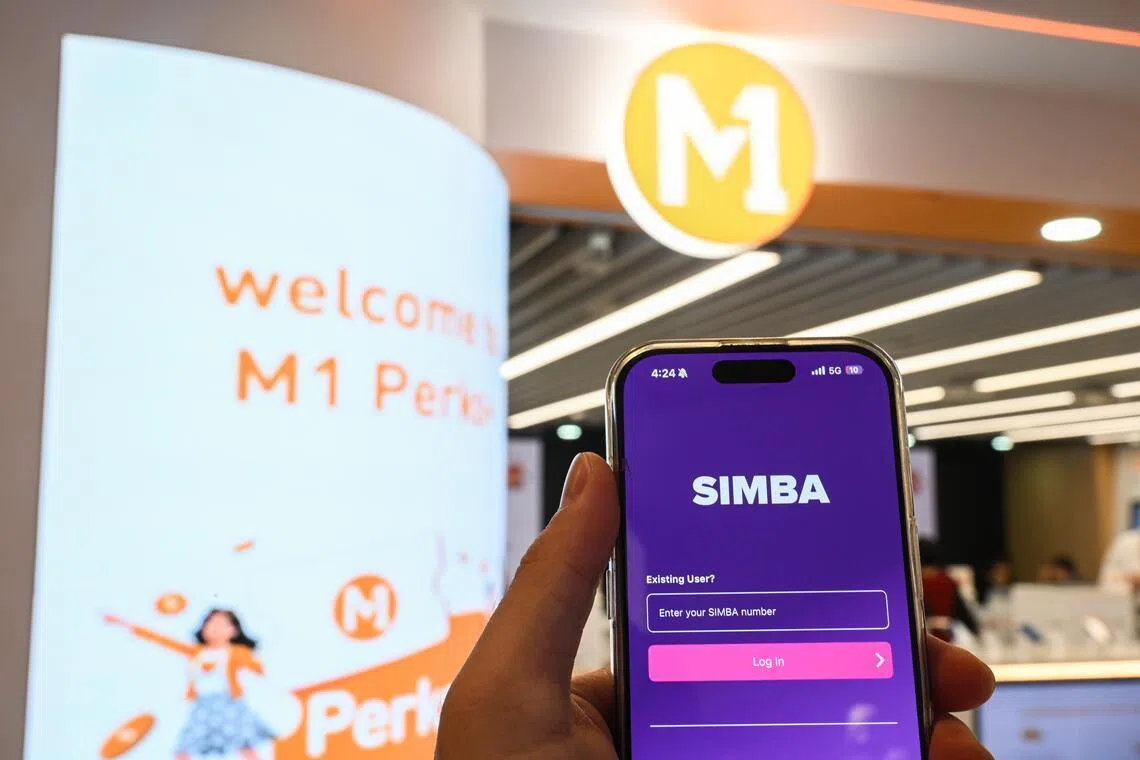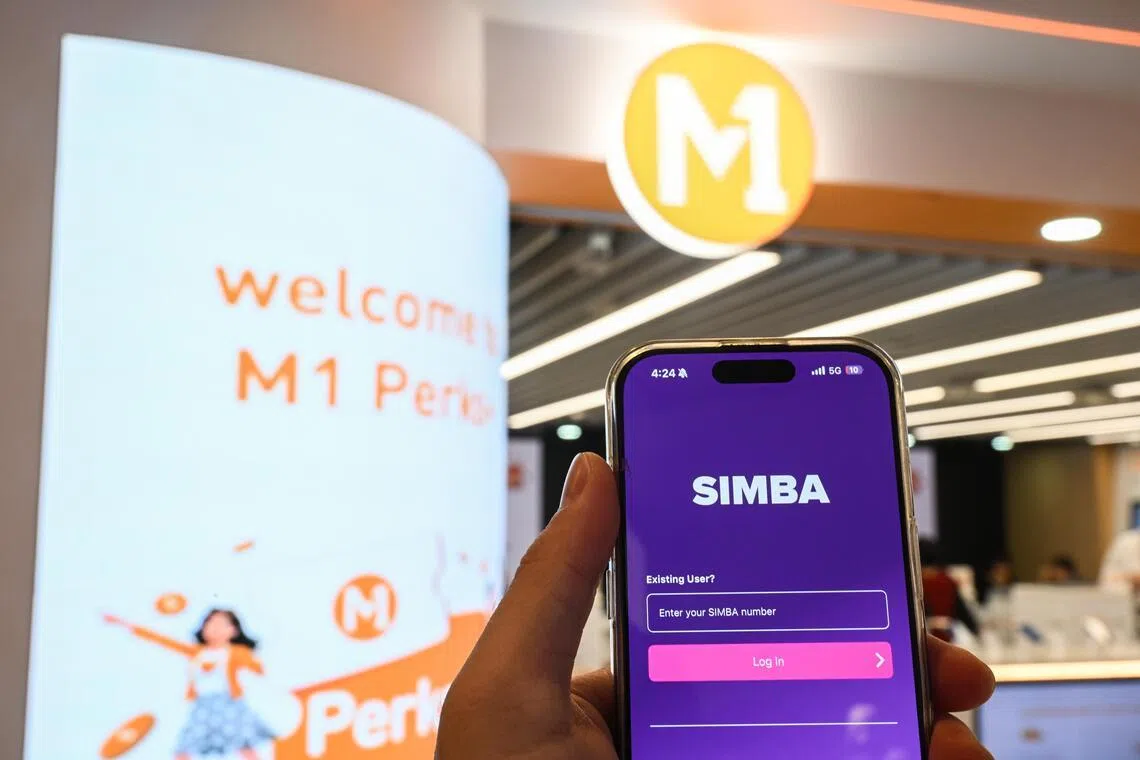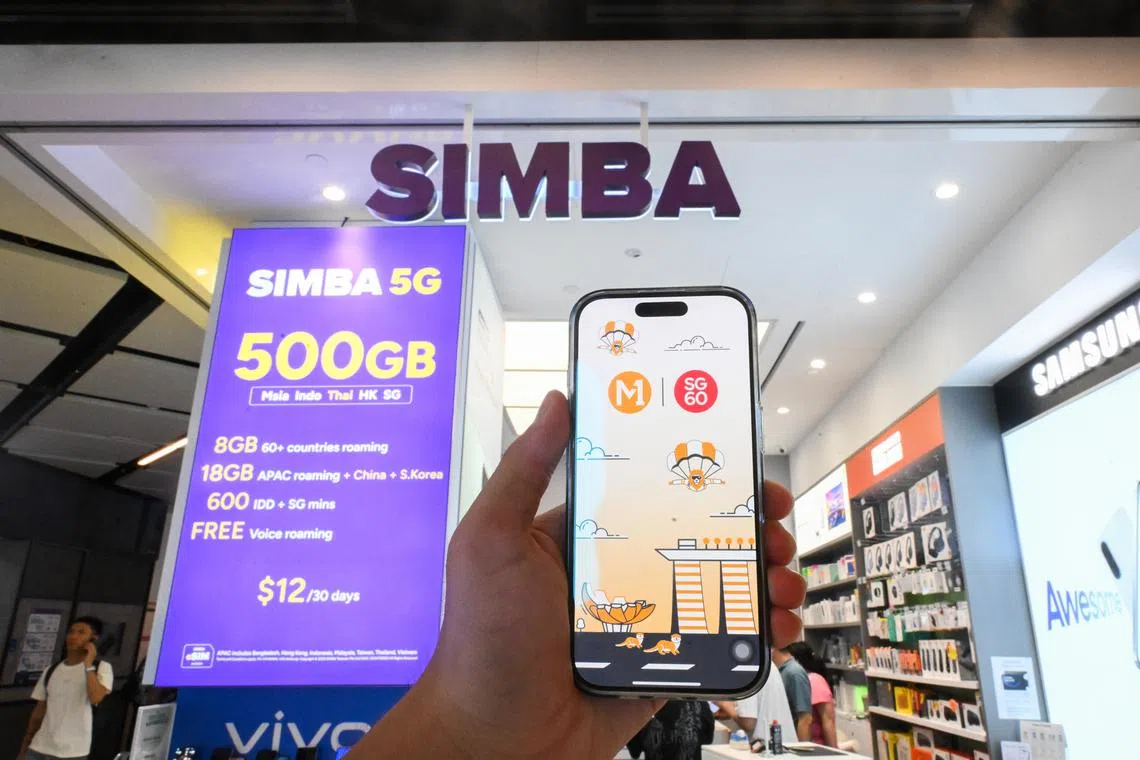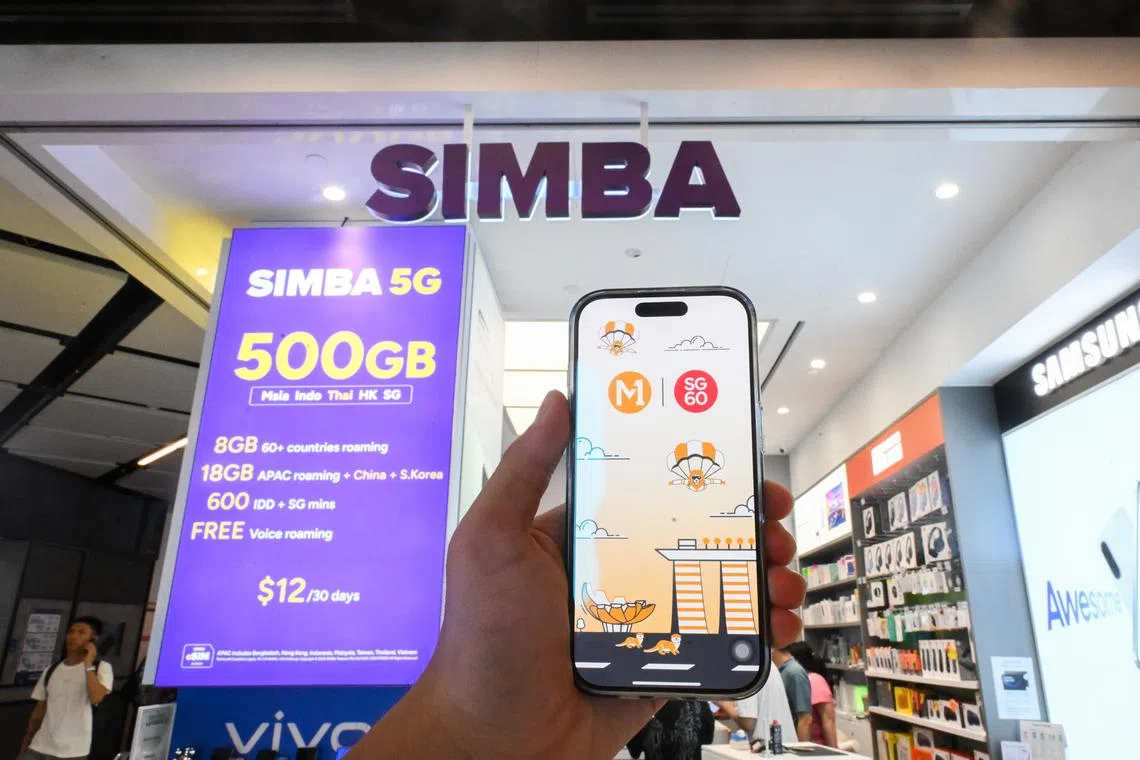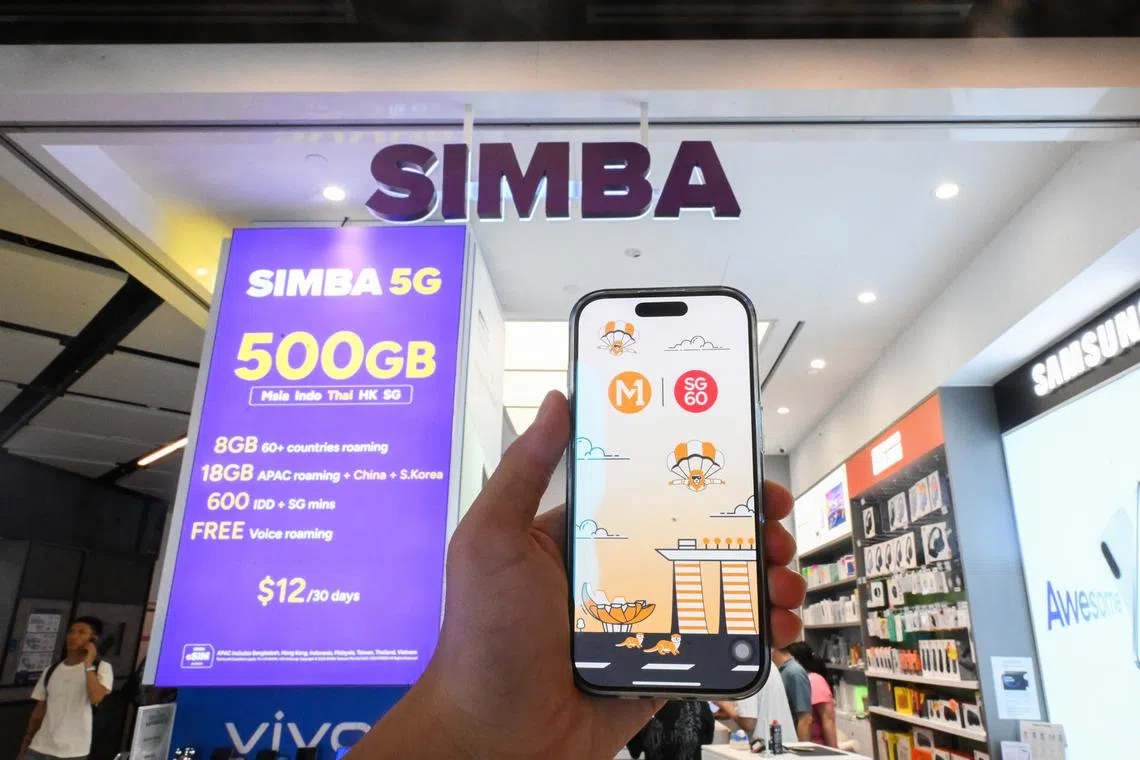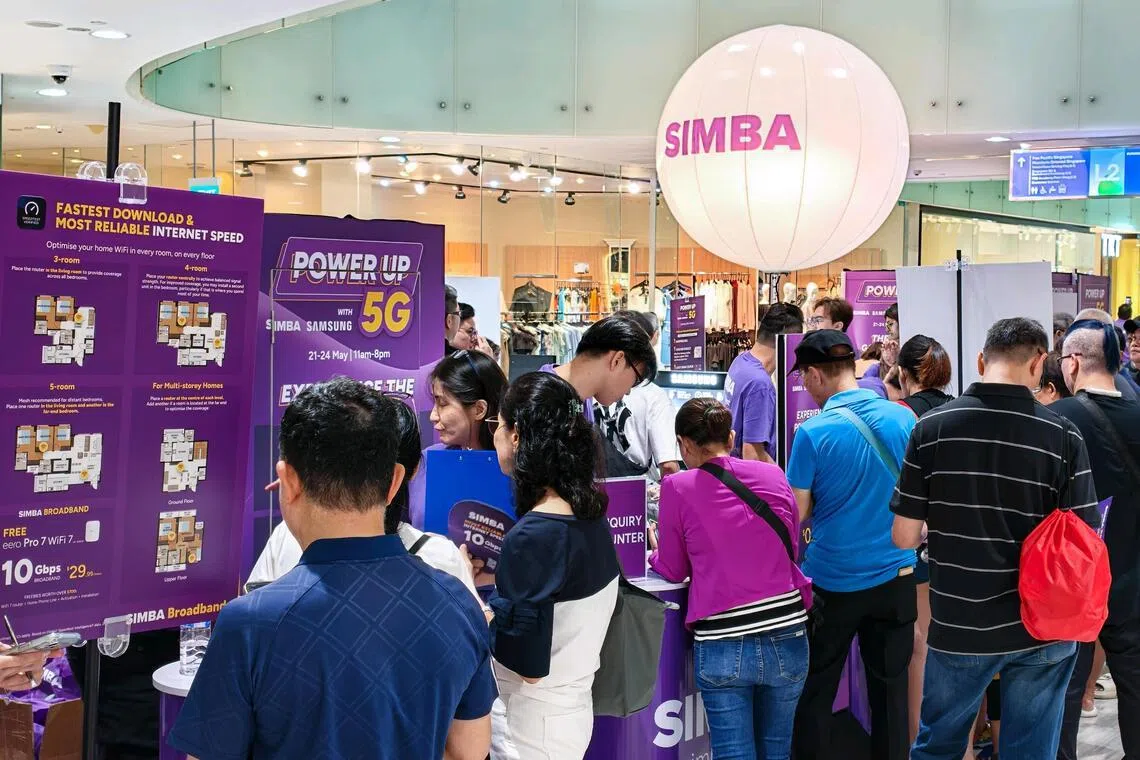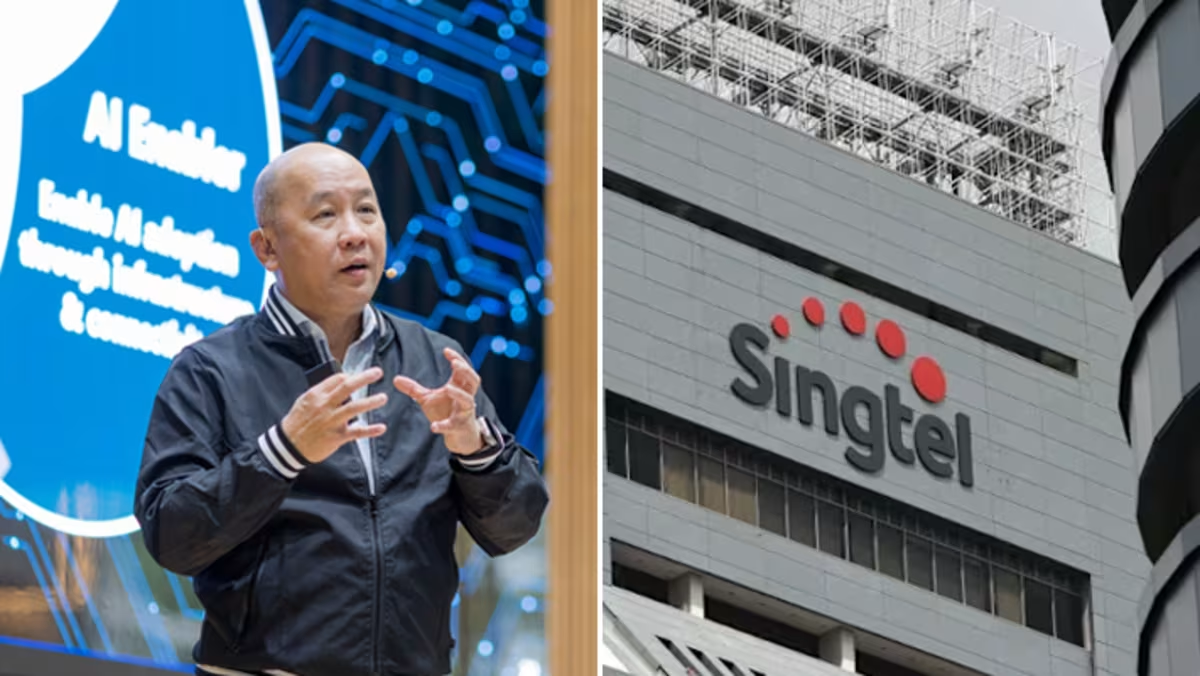
SINGAPORE: Singtel is seeking clarification from regulators on whether it can participate in any further moves to consolidate Singapore's telecommunications market, group chief executive officer Yuen Kuan Moon said on Thursday (May 21) after a planned merger between rivals M1 and Simba fell apart.“If we are able to participate in the consolidation, we will definitely evaluate where are the opportunities and how we would help lift the industry altogether in Singapore,” he said.He was responding to questions about Singtel's interest in acquiring M1 at a media conference following the release of Singtel’s financial results for the full year that ended on Mar 31, 2026.Asked if there are any anti-trust concerns about Singtel's interest in acquiring another telco given its Singapore market dominance, Mr Yuen said that such concerns should be directed towards competition regulators.
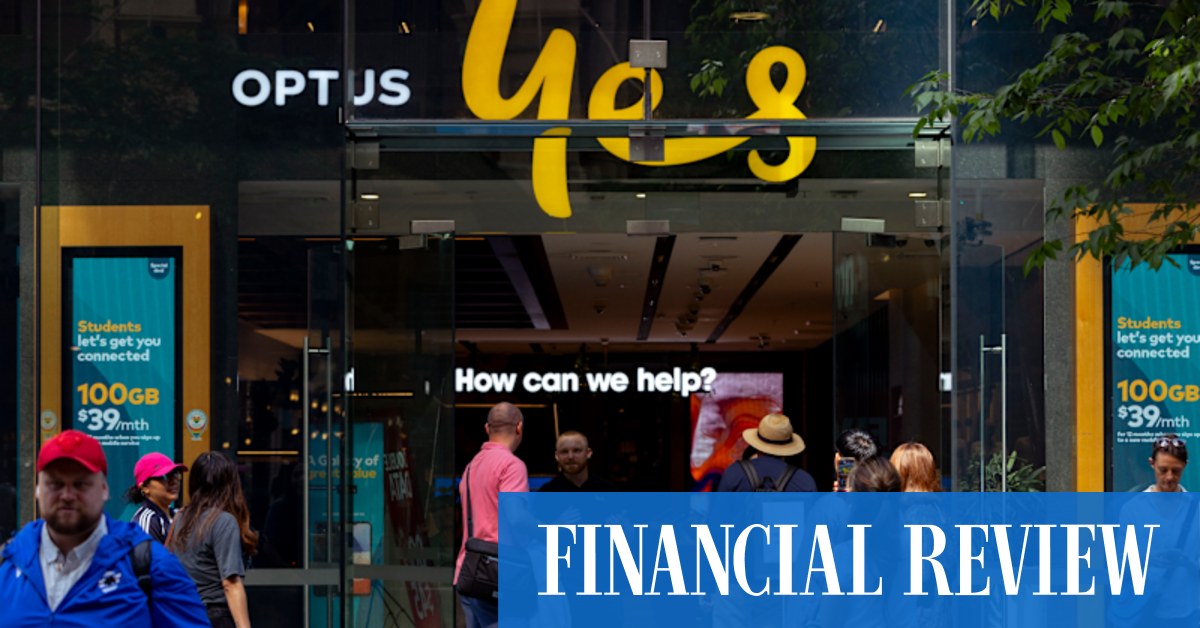
“We will definitely consider, but you should ask the regulator,” he said.On Monday, the Infocomm Media Development Authority (IMDA) announced that it suspended the assessment of Simba’s proposed acquisition of M1 after it uncovered a potential regulatory breach during its review process.IMDA is investigating whether Simba had been using radio frequency bands that were not assigned to it to provide mobile services. Keppel, the parent company of M1, said it would allow the sale and purchase agreement with Simba to lapse on its deadline and seek new buyers, with its CEO Loh Chin Hua saying that the company is open to offers for the telco.He said Keppel continues to believe that the telco industry in Singapore is "in dire need of and will benefit from consolidation".Echoing this on Thursday, Singtel Group CEO Yuen said that an environment with four telco operators is not sustainable and Singtel welcomes news of market consolidation.“We have always been actively seeking to participate in consolidation,” he said, adding that Singtel was not able to participate in previous efforts, though he did not elaborate on the reasons.POTENTIAL MINORITY PARTNER FOR OPTUSSingtel also announced on Thursday that it is open to working with potential partners to develop its Australian subsidiary Optus.The company said it “contemplates a like-minded long-term local partner owning a meaningful minority stake” in Optus, but added that it is committed to Australia for the long term.Mr Yuen told reporters that Singtel typically looks for a local partner when investing in overseas operations. “It’s not a recent decision, it’s just that there are always a lot of partners talking to us, we are just letting the market know that this is the case,” he said. Asked if there are any serious potential partners, he said the company will make an announcement if there are any material developments.Chief financial officer Arthur Lang said Singtel is making the disclosure because it is a listed company that has to comply with the Singapore Exchange’s requirements. “Just to be very clear, it’s not that we are close to signing any deal,” he said.When asked if challenges in Australia had led Singtel to seek an Australian partner, Mr Yuen said they are separate issues.“But obviously … we want to find partners who can bring value,” he said. “We want to make sure that it’s Australian, because someone who knows the country is actually very important, and that’s probably the only criteria that we’re looking at.”NETWORK RESILIENCYIn response to CNA’s question on recent outages in Singapore and the potential financial impact of penalties, Mr Yuen said Singtel’s focus is on building a reliable and resilient network.“It’s painful when there’s penalties and fines, but that’s not the top of my priority,” he said. “We have to make sure we deliver service that can meet our customer expectations.”Singtel Singapore CEO Ng Tian Chong said the company has been working to modernise its network, and there are risks that were not managed “as well as we could have” in March.“We take full responsibility for it, we have learned from it … we have strengthened our processes,” he said.Singtel will continue to push ahead with modernisation because it is critical to support Singapore’s future in terms of artificial intelligence and robotics.“We have now fixed the issues and we will make sure that resiliency is actually top of our agenda as well,” said Mr Ng.