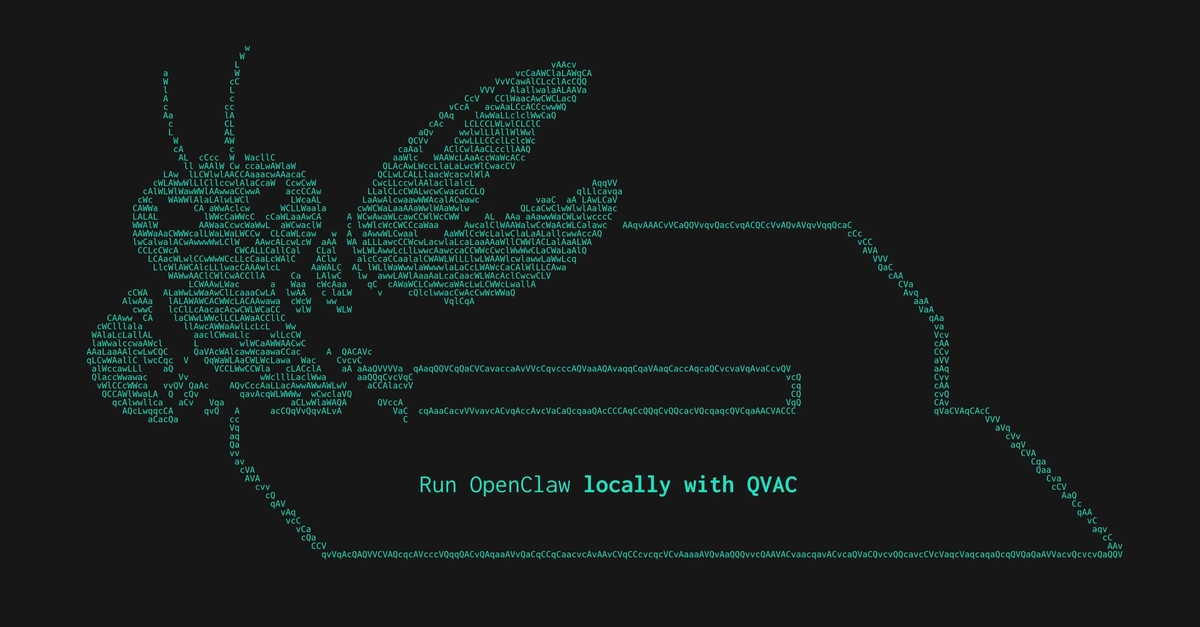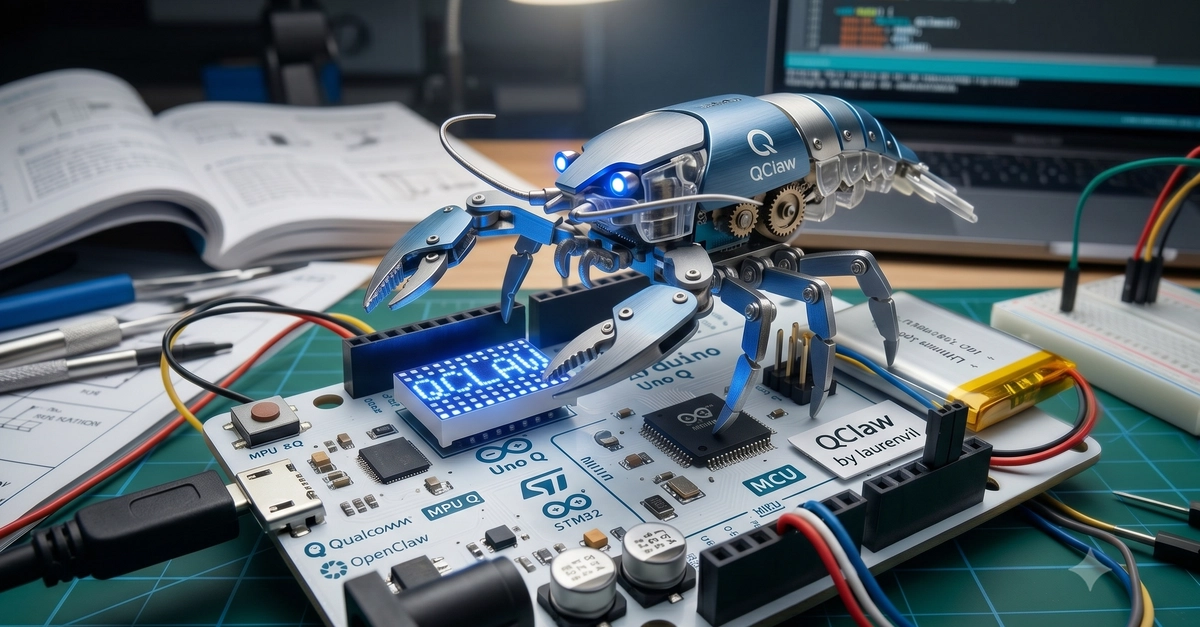
Every "AI on hardware" demo you have ever seen has a LLM behind it. The user talks to a board via a terminal or Telegram, and the board calls an API to have a cloud model do the work. QClaw flips that arrangement. The Arduino Uno Q hosts the language model, runs the agent loop, drives the compile toolchain, and flashes its own microcontroller.
Ask QClaw to scroll "QClaw" across the LED matrix and it does. End to end. On the board. Offline.
QClaw has an eight-tool agentic surface, a fifteen-skill pre-router, and a direct OpenOCD flash route that makes autonomous uploads actually execute. A dual-path runtime lets you pick speed or full hardware control on the same model.
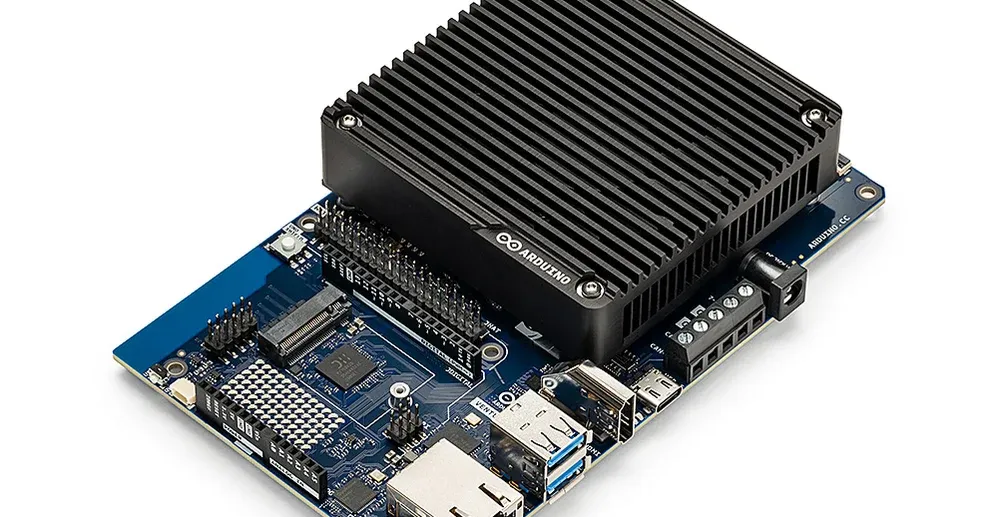
Why the Uno Q Is the Right Board for This
The Arduino Uno Q is a split-silicon device. It looks like a classic Arduino on the outside, but it is two boards in a trench-coat: