What an agent harness is, and what OpenClaw does
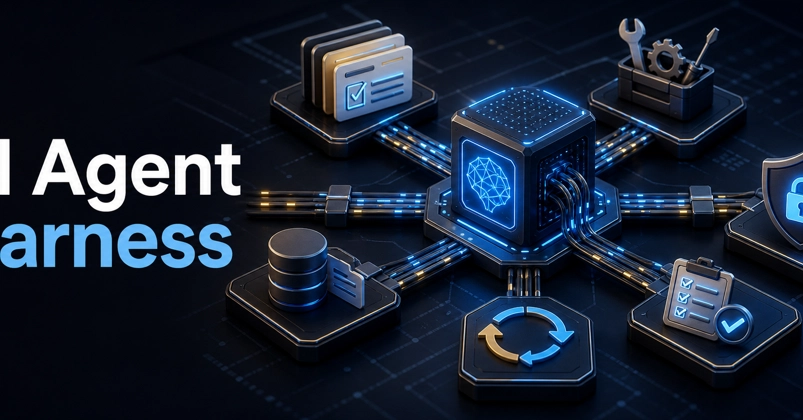
A language model on its own can only produce text. It cannot open a file, run a command, call an API, or remember what it did five minutes ago. An agent harness is the layer that closes that gap. It takes the model's text output, turns it into real actions (read this file, run this command, search this folder), feeds the results back to the model, and loops until the task is done. The model is the brain. The harness is the hands.
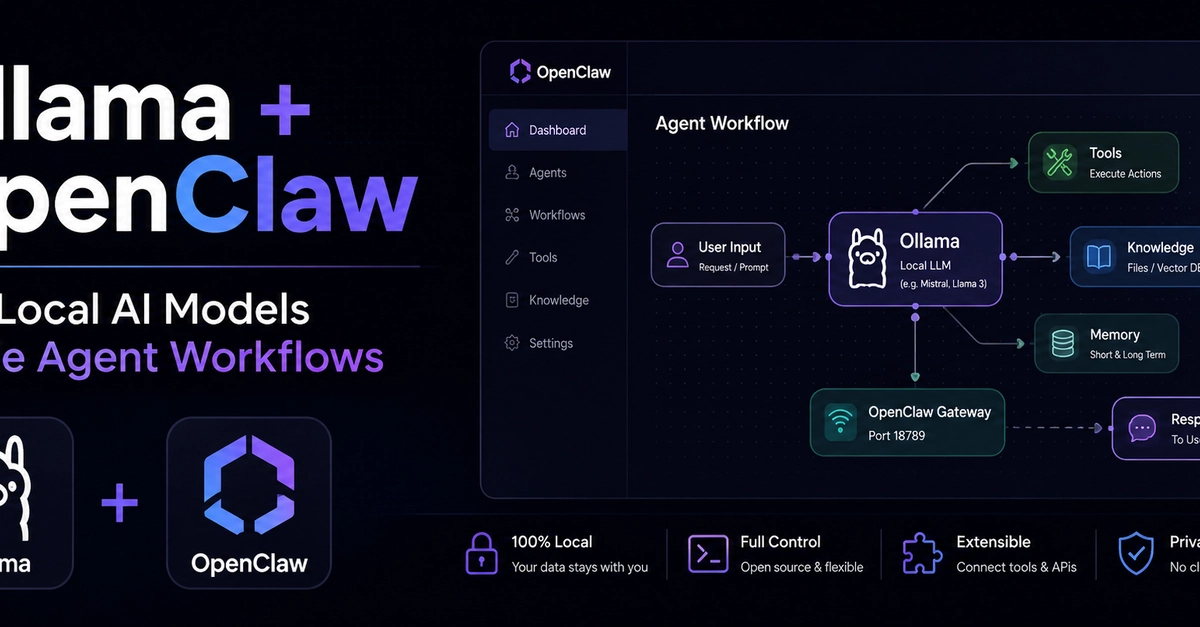
OpenClaw is one of these harnesses, and right now it is the most widely used one. It crossed a large install base in a few months and sits at the top of agent usage charts. You give it a goal in plain language, and it plans, calls tools, and reports back. It speaks to any model that exposes an OpenAI-compatible API, which is the detail that matters for this guide: you are not locked to a single cloud vendor. You point it at whatever model endpoint you want, including one running on your own machine.
That is the whole idea here. OpenClaw for the agent loop, QVAC for the model, both on hardware you control.
What people use OpenClaw for