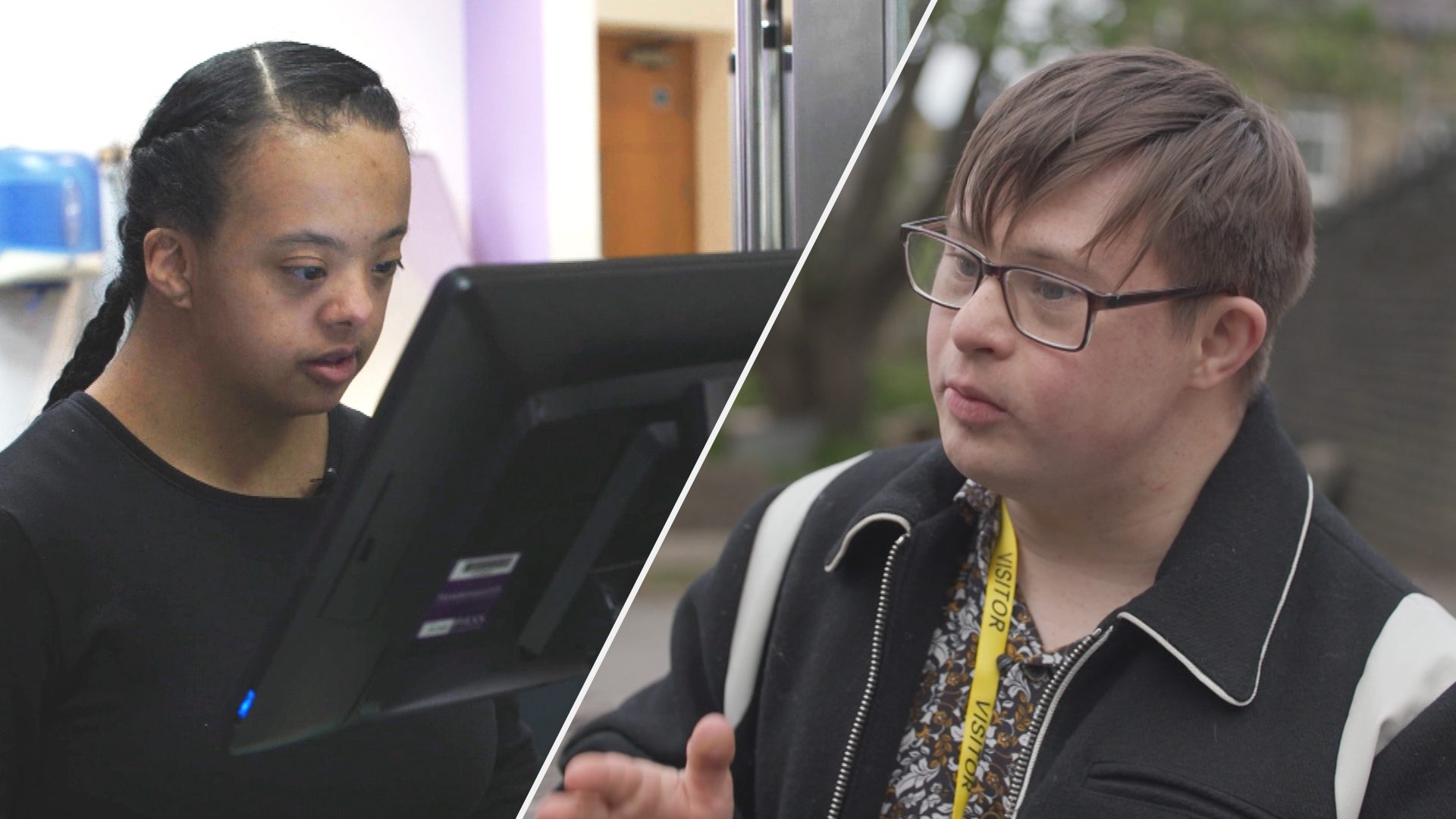
Sir, - The announcement by Minister for Equality Norma Foley, that local authorities will be required to set social-housing targets for disabled people from 2027, is a welcome acknowledgment of a long-standing failure (“Local authorities to set social housing targets for people with disabilities”, May 17th). However, adults with intellectual disabilities and their families cannot afford another exercise in delayed ambition.For years, governments have failed to recognise the crisis facing elderly parents, many in their 70s, 80s and even 90s, who provide full-time care for their adult sons and daughters with intellectual disabilities.These parents ask a simple question: who will look after my son or daughter when I die? The Minister has admitted that people with intellectual disabilities “have not been a priority” in terms of appropriate housing. That admission raises a serious question: why has meaningful action taken so long? Placing adults with complex needs in a social-housing setting will not meet their needs. While no one is suggesting we return to large congregated settings, placing adults with intellectual disabilities in dispersed and sometimes isolated houses is not the answer. Parents feel that would be another failed and ill-thought-out policy.Targets alone, such as those announced by Foley, do not house people. Announcements about plans due “in the coming months”, for delivery beginning in 2027, risk sounding like reassurance without urgency. For families who have already spent years on waiting lists, or navigating inappropriate placements far from their communities, this feels like more of the same.It is especially concerning that the State remains heavily reliant on commercial providers for housing placements for people with complex needs. A system dependent on emergency purchasing from private operators is not a sustainable housing strategy; it reflects years of underinvestment in publicly-planned, community-based housing.Any new disability housing plan must include binding delivery timelines, transparent reporting, ring-fenced funding and accountability for every local authority. Without clear consequences for missed targets, there is a risk these commitments will become aspirations rather than outcomes.Adults with intellectual disabilities deserve more than promises of future action. They deserve accessible, secure and appropriate homes in their communities now. They deserve the supports necessary to live with dignity.The test of this announcement will not be the number of targets published, but the number of front doors opened. – Yours, etc,TONY MURRAY,Before We Die Campaign,Fairview,Dublin 3.
People with disabilities deserve more than promises
Housing those with complex needs should have been prioritised long ago
384 words~2 min read