Introduction
We have spent years talking about artificial intelligence as if it were an alien entity a cold, sudden artifact dropped into our modern world from some distant technological future. We measure its growth in parameters, compute power, and benchmarks, treating it like a complex riddle we are trying to solve from the outside looking in.
But what if we are looking at it completely backward?
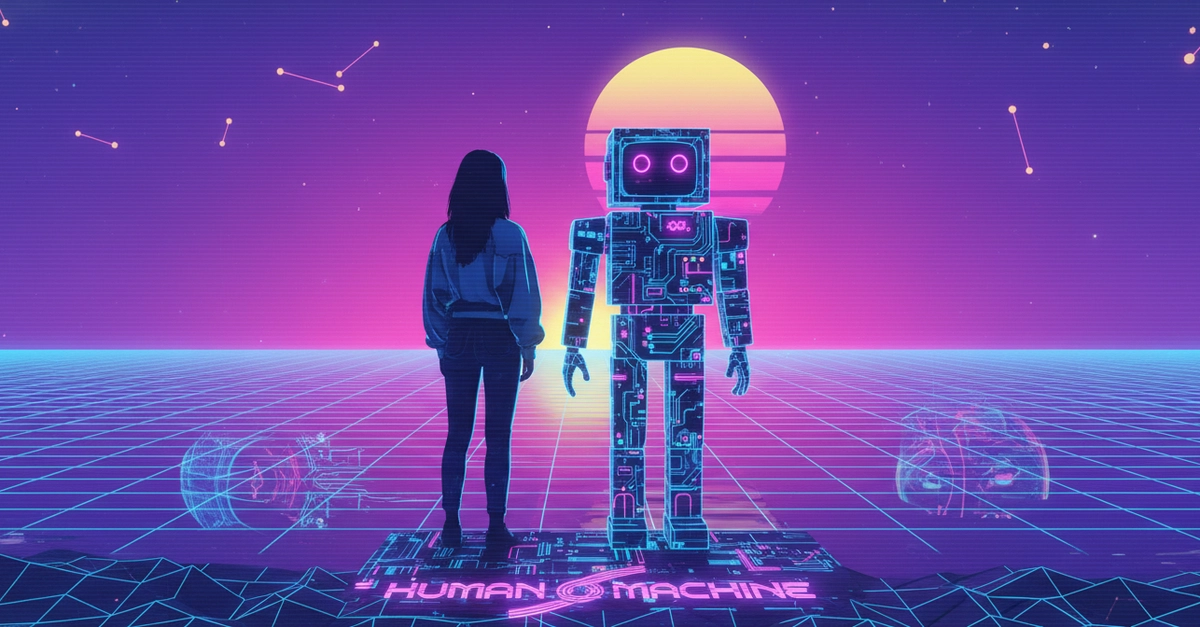
What if the architecture of artificial intelligence isn’t an alien invention at all, but a mirror?
If you trace the history of machine learning from the early days of teaching a computer to recognize a pixelated shape, to the multi-agent orchestration systems redefining the enterprise landscape today you notice a startling pattern. Every time engineers solved a major architectural bottleneck, they didn't just invent a new algorithm. They accidentally replicated a stage of human development.