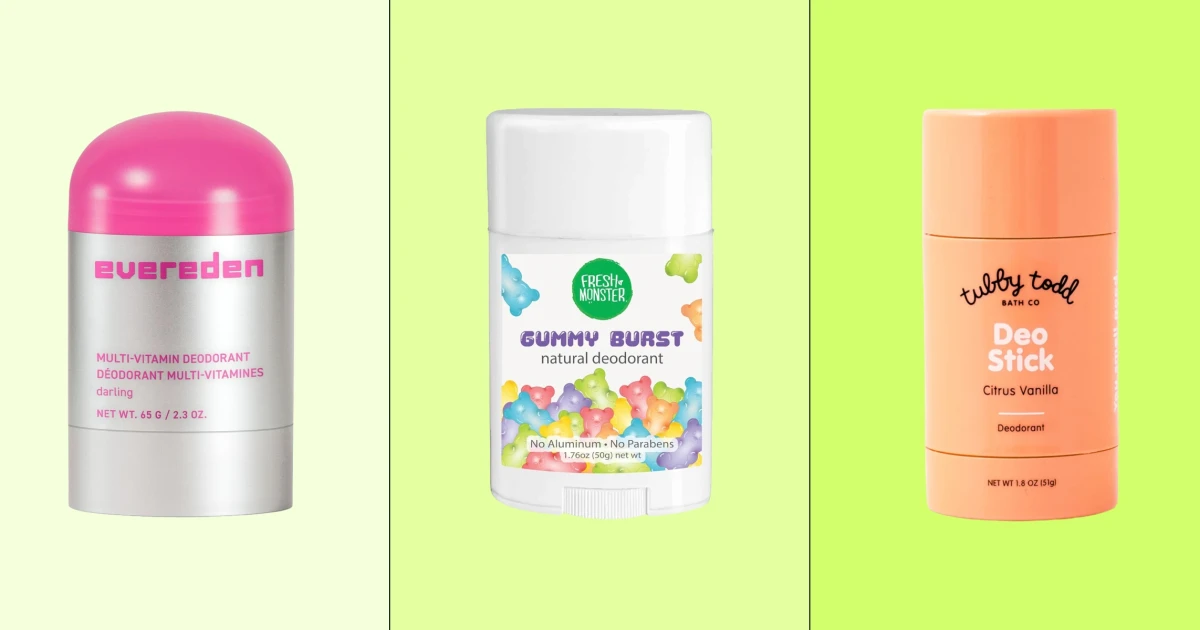
My eldest daughter, Astrid, turned nine this spring. One of my gifts to her was a washbag, beautifully embroidered with her name (I can’t claim credit for the embroidery). Inside was her first deodorant, a minty aluminium-free roll-on made from all-natural ingredients. She’d asked for deodorant because some of her friends use it; it felt like a rite of passage and a reminder to me that she will be approaching puberty soon.
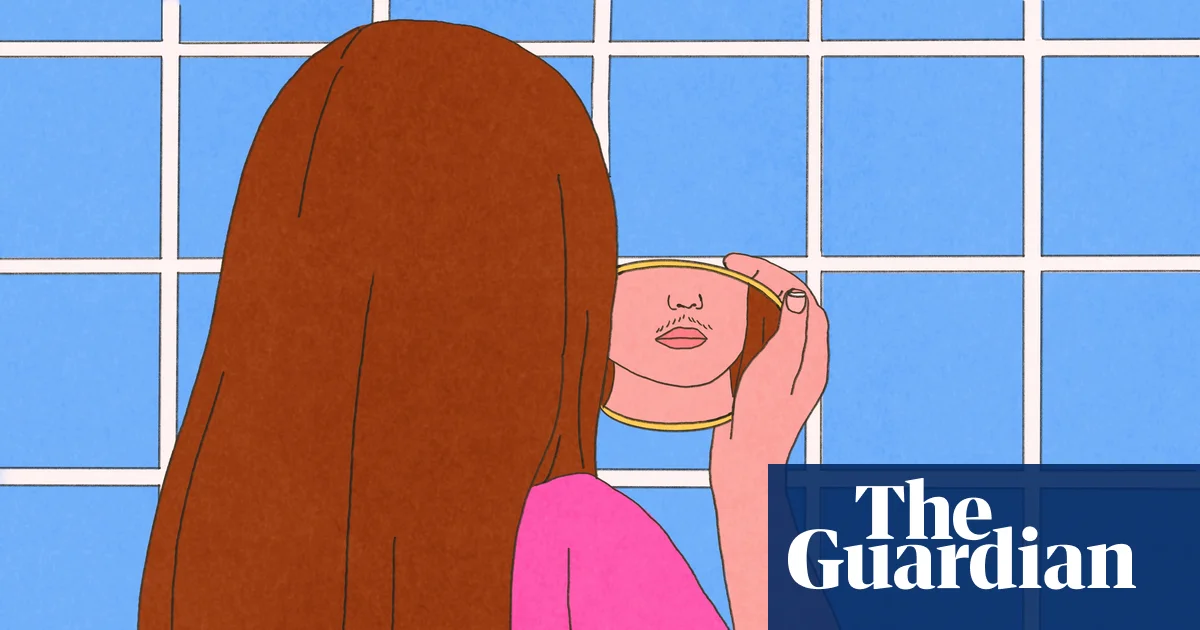
As parents, we might presume that we know all about puberty – after all, we’ve all been through it. But those of us whose education was limited to periods, dropping voices and rolling a condom on a banana, might need to improve our understanding to best support our children.
Here’s what you need to know.
Chat to children from a young age
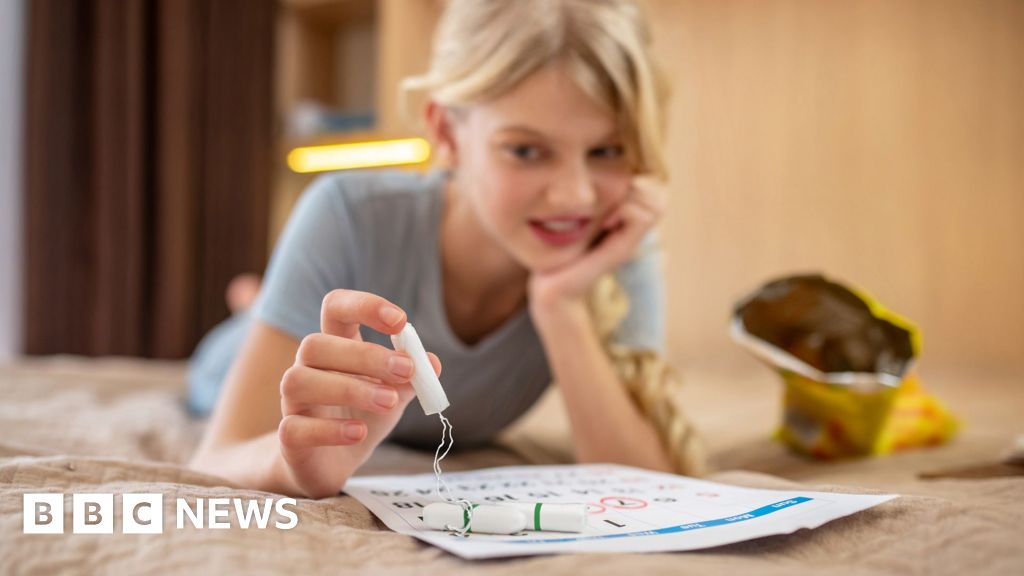
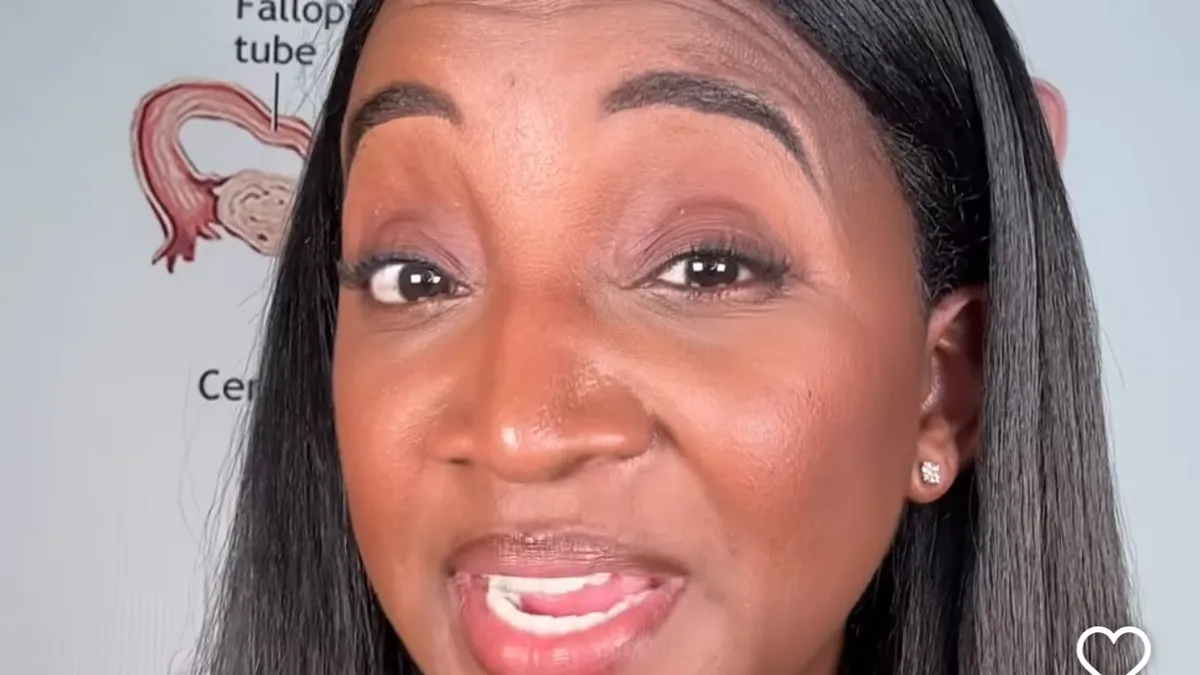
“When I got my first period at 13, my mum handed me a Reader’s Digest health catalogue with a diagram of a uterus. We’re very close but she didn’t know how to have that conversation. Our periods were called our ‘unmentionables,'” Claire McGuinness, Women’s Health Practitioner and founder of Living in Sync, which specialises in puberty education, remembers.