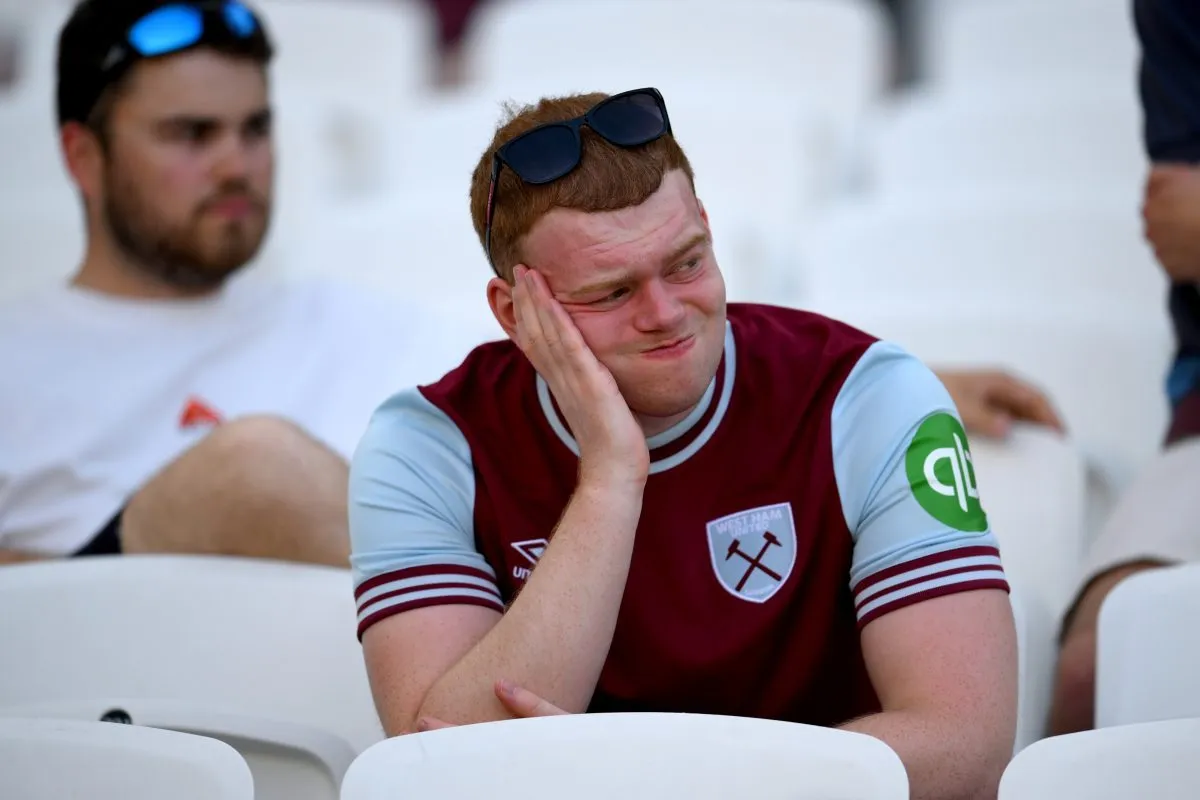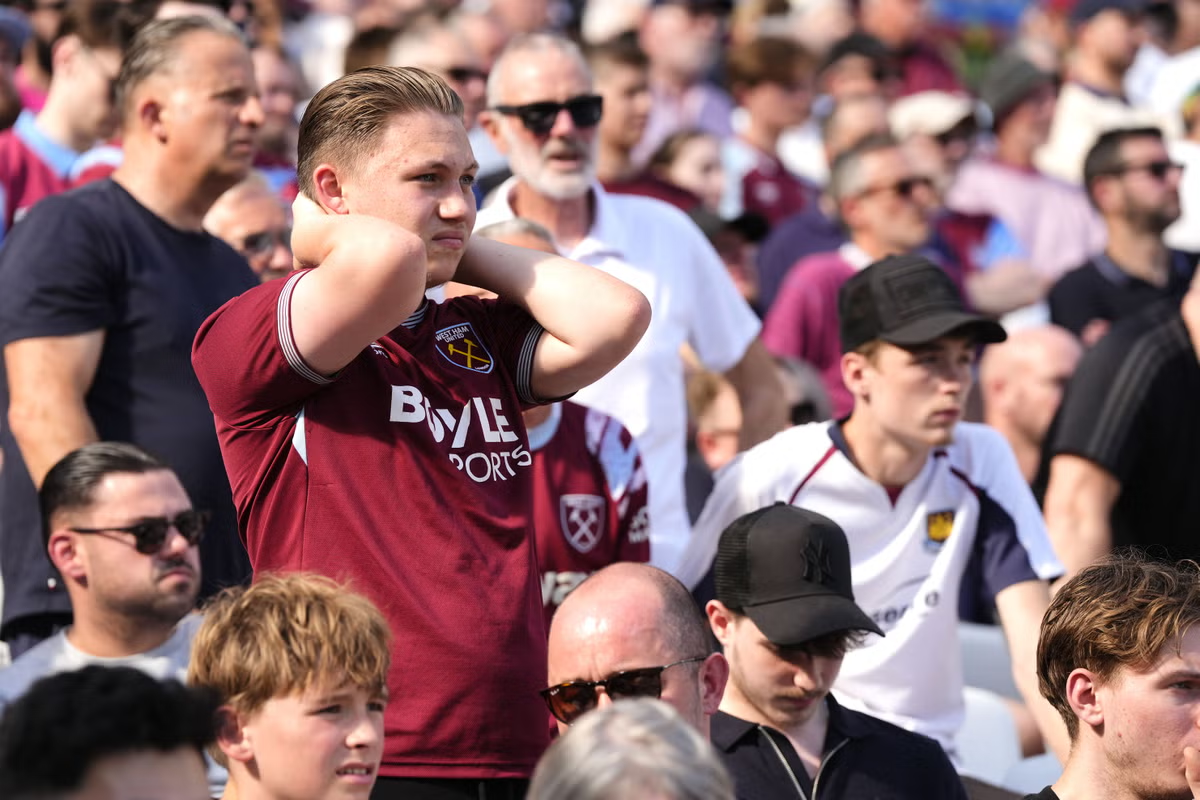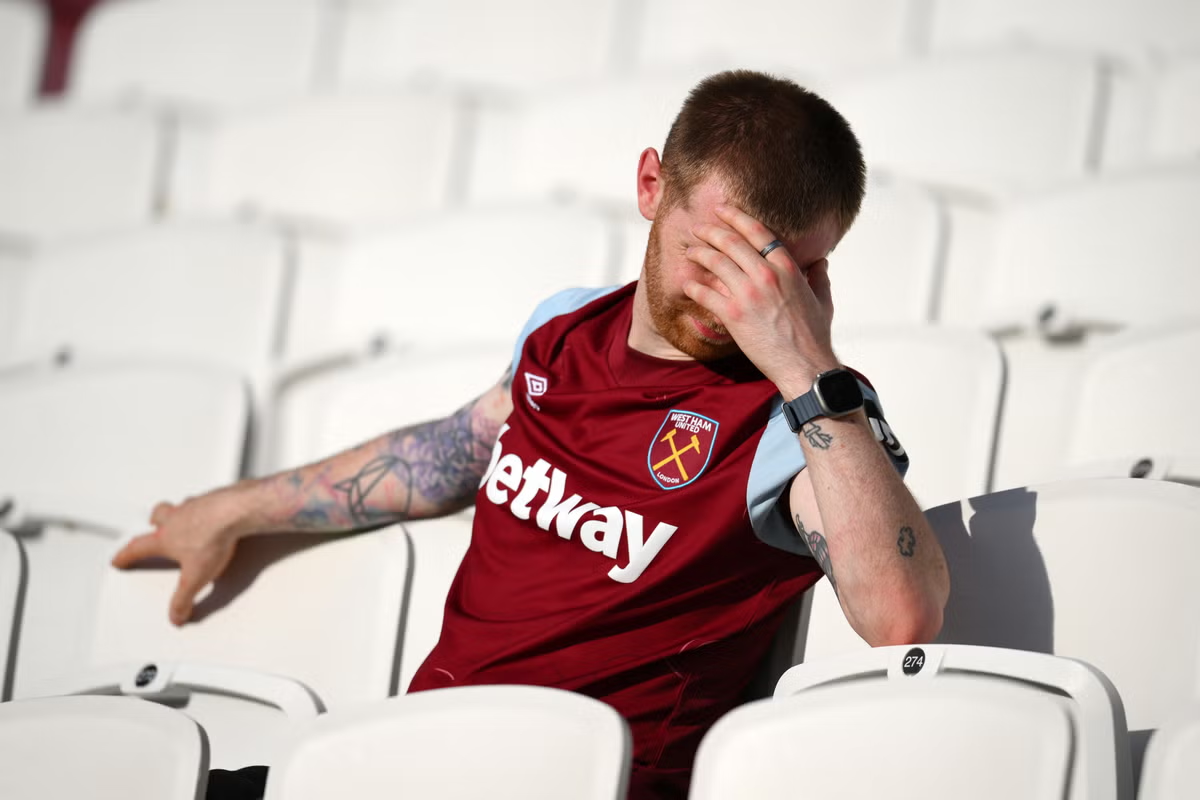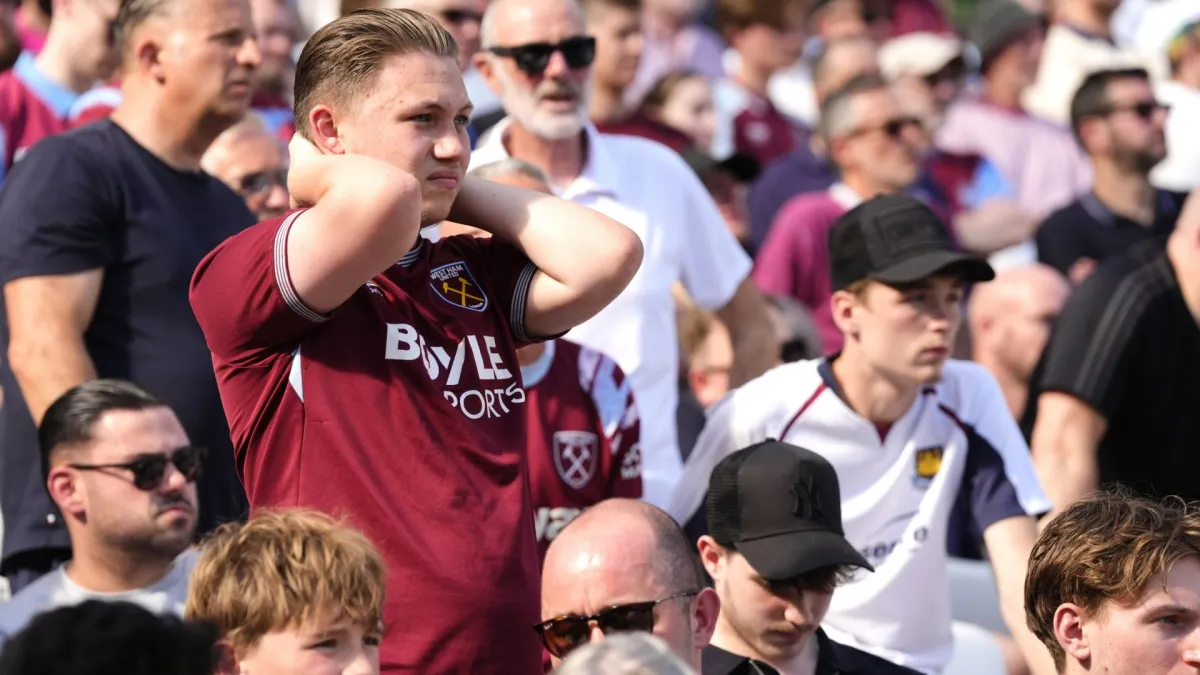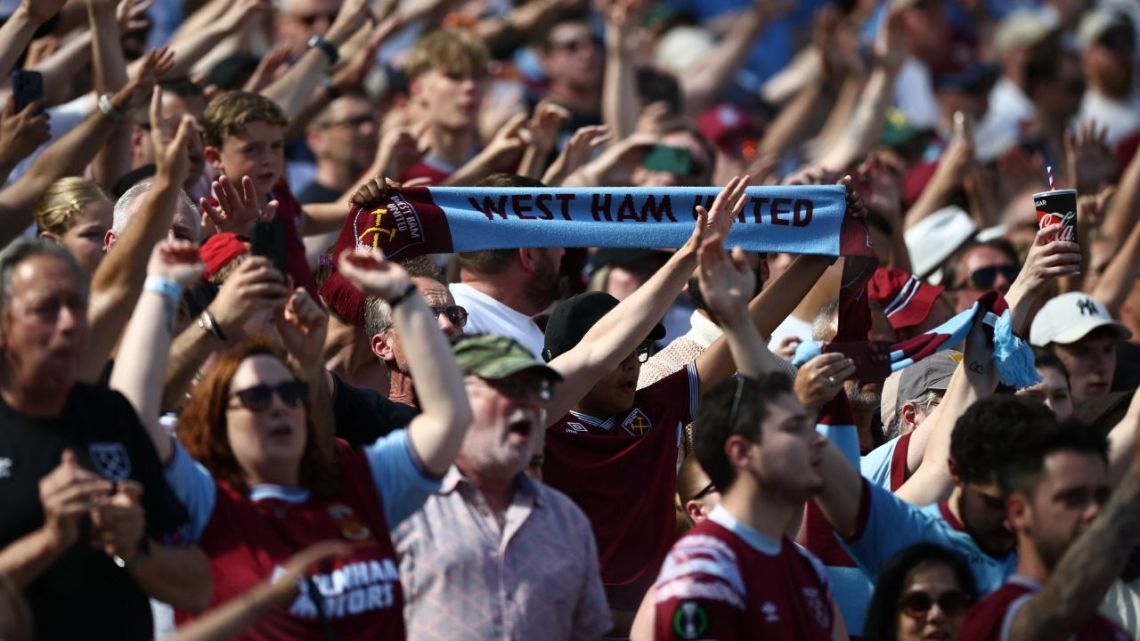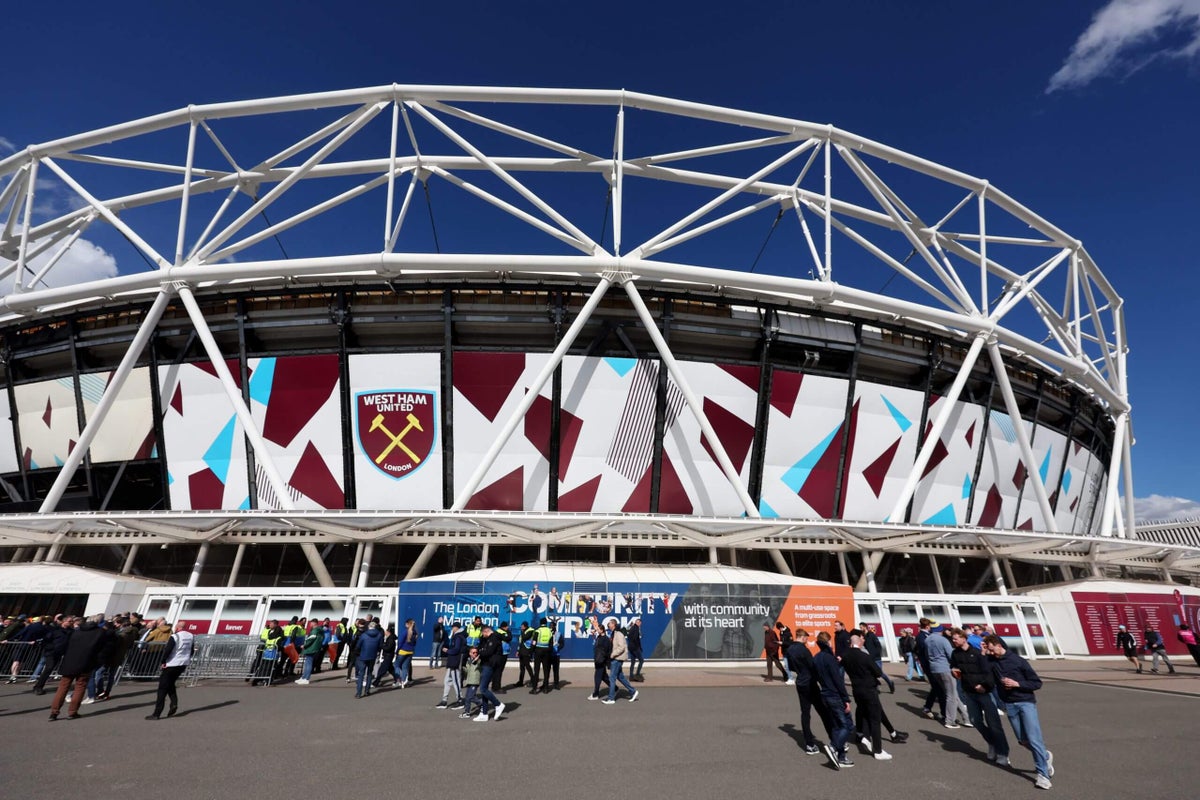
It once stood among the great sporting venues in the United Kingdom but, from next season, the London Stadium could become a venue for Championship football for the first time.West Ham United’s fight against relegation from the Premier League will be decided on the season’s final day and anything but a win at home to Leeds United will end a 14-year run in the top flight. Even then, it will not be enough should Tottenham Hotspur, their rivals for the final relegation spot, avoid defeat at home to Everton on Sunday.It means the London Stadium, home of the 2012 Olympic and Paralympic Games, is braced for its darkest moment since West Ham were first given the keys in 2016, as well as the potential for some sparsely populated days in 2026-27 and beyond.But that is not the only issue. The 62,500-capacity arena, the third-largest club stadium in English football, is ultimately owned by the Greater London Authority and continues to be propped up by UK taxpayers’ money, with relegation guaranteed to bring a further cost.The Athletic assesses West Ham’s lease as the 10th anniversary in their rented home looms.What is West Ham’s rental agreement for the London Stadium?According to London Mayor Sadiq Khan, speaking to the London Evening Standard, West Ham struck the “deal of the century” when becoming anchor tenants of the London Stadium 10 years ago. And few would disagree.A golden opportunity had presented itself in 2013 when E20 Stadium LLP, a subsidiary of the publicly-funded London Legacy Development Corporation (LLDC), sought to find a use for the vast stadium built to host the opening and closing ceremonies, and track and field events, of the 2012 Olympic and Paralympic Games.The process was complicated by a need to retain a running track in order to stage athletics events each summer. Tottenham Hotspur expressed interest in the site but wanted to knock down the stadium and replace it with a purpose-built football ground, a proposal that was rejected.It was eventually decided that West Ham could offer the most viable future for a venue that had threatened to become a white elephant. A 99-year lease was signed with the blessing of then London Mayor Boris Johnson, paving the way for West Ham to sell Upton Park and move in 2016.“My dog could have negotiated a better deal for the taxpayer,” Barry Hearn, the Leyton Orient owner who had also missed out on securing tenancy, famously said at the time.London Stadium is situated in the old Olympic park (Richard Pelham/Getty Images)The rent paid by West Ham as tenants of the London Stadium has increased year on year but remains relatively meagre. An initial rent of £2.4m in 2016-17 had climbed to £4.6m with inflation last season but West Ham continue to hold the aces.Despite not contributing to most stadium costs, such as stewarding, policing and pitch maintenance, they are entitled to keep all ticket income and a healthy share of catering revenue. Across a nine-year period in which West Ham banked £271million in matchday revenues (including the Covid-19 season behind closed doors), the club’s accounts showed rental payments totalling just £30.3m.The stadium deal, which technically allows 25 days of use each year, was structured with West Ham successes in mind.Extra money would be paid for top-half finishes in the Premier League, along with qualification for Europe. The fanciful scenario of West Ham winning the Champions League, for example, would be worth £1m in rent to the taxpayer but reaching the Conference League, a competition the club won in 2022, returned nothing, owing to the fact it was not in existence at the time of the rental agreement being struck.Figures released to the London Assembly in 2023 revealed that a payment of £112,000 was made during the 2020-21 season when West Ham qualified for the Europa League. That sixth-place finish was also worth an extra £96,000 to the public purse.The theory was that West Ham could afford to pay more in rent if revenues were on the rise but there was also an important financial caveat should dark days return.What changes in the Championship?The terms of West Ham’s agreement outline that rent will fall by 50 per cent when not in the Premier League, ensuring the money paid as tenants will be reduced to about £2.5m, roughly the same as they were being charged 10 years earlier.Khan confirmed as much to the Evening Standard. “The previous mayor, Boris Johnson, did the worst deal that can be imaginable,” he said. “As far as West Ham are concerned, it’s the deal of the century. We basically gave them, rent-free, this amazing stadium for 100 years. If West Ham are relegated then we, the taxpayers, could lose up to £2.5m a year. The taxpayer will lose out if West Ham go down.”That reality makes a bad deal worse in a season that would bring 23 league games to oversee instead of 19, but West Ham, whose finances are about to dramatically contract, will again see a benefit.How big will the impact of relegation be on matchday revenue?West Ham, by the metric of revenue generated, were the 19th-richest club in Europe last season after bringing in incomes of £228m. That was down by almost 16 per cent on 2023-24, when they reached the quarter-finals of the Europa League, but still enough to rank them ninth of all English clubs.And matchday revenue certainly played its part in that. Last season yielded £39m, with UEFA’s European Club Finance and Investment Landscape report detailing that each home game was worth £2.2m in gate receipts. That put them roughly on a par with Italian giants Juventus and narrowly behind Milan.How well that holds up in the Championship is the great unknown. West Ham were still at Upton Park when last in the second tier (2011-12), with a drop of about 2,500 noted in average attendances from the previous campaign.A fall would appear inevitable again in the Championship but, as yet, West Ham are yet to confirm their pricing for the 2026-27 campaign or put season tickets on sale. Price reductions will be the best means of retaining fans, even if that damages the bottom line. The days of bringing in £45m through matchday revenue, as West Ham did in 2023-24, will be almost impossible to replicate.Could empty seats be a feature of the London Stadium in the Championship? (Alex Pantling/Getty Images)Stadiums of this size are not supposed to belong in the Championship, either. Manchester United’s season in the second tier, the 1974-75 campaign, saw 60,585 attend a home game against Sunderland, a figure that West Ham have the capacity to top.The record attendance for that level, though, cannot be beaten. Tottenham’s home game against Southampton in February 1950 saw 70,302 click through the turnstiles at the old White Hart Lane.Where does all this leave the London Stadium owners?In a hole with no obvious way out.London Stadium LLP, formerly E20 Stadium LLP, has been part of Greater London Authority Holdings Ltd since March 31 last year, following its transferral from LLDC, and its last set of annual accounts showed losses for the group of £43m. They effectively accept that both the West Ham lease and the access agreement with UK Athletics are onerous contracts, valuing the London Stadium at nil due to the forecast of future losses.The taxpayer, ultimately, continues to foot the bill for a stadium that cost £486m to build and then £272m for it to be transformed into a football ground. West Ham’s only contribution, at that time, was an upfront payment of £15m when relocating.Attempts are made to offset losses each year by hosting a range of non-football events, with the stadium operators banking that money. The last two summers have seen the Foo Fighters, Iron Maiden and Sam Fender stage concerts at the London Stadium and the coming weeks will see the venue repurposed again to welcome Take That and Metallica. Major League Baseball (MLB) has also played a number of games there as part of their London Series but a planned return for this summer has been cancelled.London, with the backing of the UK Government, is also eager to host the 2029 World Athletics Championships but that will rely on the cooperation of West Ham, who would need to vacate the stadium for three weeks that September. There has so far been a reluctance to budge, citing that football has a contractual priority during its season.Even a naming-rights deal has eluded the London Stadium to date. Its owners would be due the first £4m of any arrangement, as well as splitting anything above that number 50-50 with West Ham.Where would relegation leave West Ham’s ownership group?A question only they can answer.David Sullivan, who has been the club’s owner since 2010, continues to stand as the largest shareholder with a 38.8 per cent stake, with the family trust of his late partner, David Gold, holding 25.1 per cent.There has been speculation over whether David Sullivan’s tenure at West Ham may be ending (Glyn Kirk/AFP via Getty Images)Daniel Kretinsky, the Czech billionaire, has held a 27 per cent shareholding since investing under 1890s Holdings in 2021. That was said to be a deal worth in the region of £170m and followed the arrival of Albert “Tripp” Smith as an investor in 2017. The US businessman holds an eight per cent stake.The 2013 rental agreement included the provision for West Ham’s owners to pay the stadium landlords a cut of any profit they made when selling shares in the club for the first 10 years. The arrival of Kretinsky saw West Ham pay £2.5m to LLDC after the landlords lost a legal battle that saw them seek £6m from the deal.The recent exit of Karren Brady after 16 years as West Ham’s vice chair has invited conjecture over the club’s long-term ownership plans but, for now, an increasingly unpopular regime led by Sullivan has shown little indication that another era will come to an end with relegation.
West Ham, the London Stadium and why relegation would cost UK taxpayers £2.5m
Analysing how the 'deal of the century' will be affected by West Ham's possible demotion to the Championship
1,658 words~8 min read