Over the last few years, people have been asking the same question about AI: with so much money going into models, GPUs, and data centers, when will it pay off? Earnings calls and analyst reports have often mentioned a possible bubble, and companies that tried generative-AI pilots in 2024 have been waiting to see real production results.
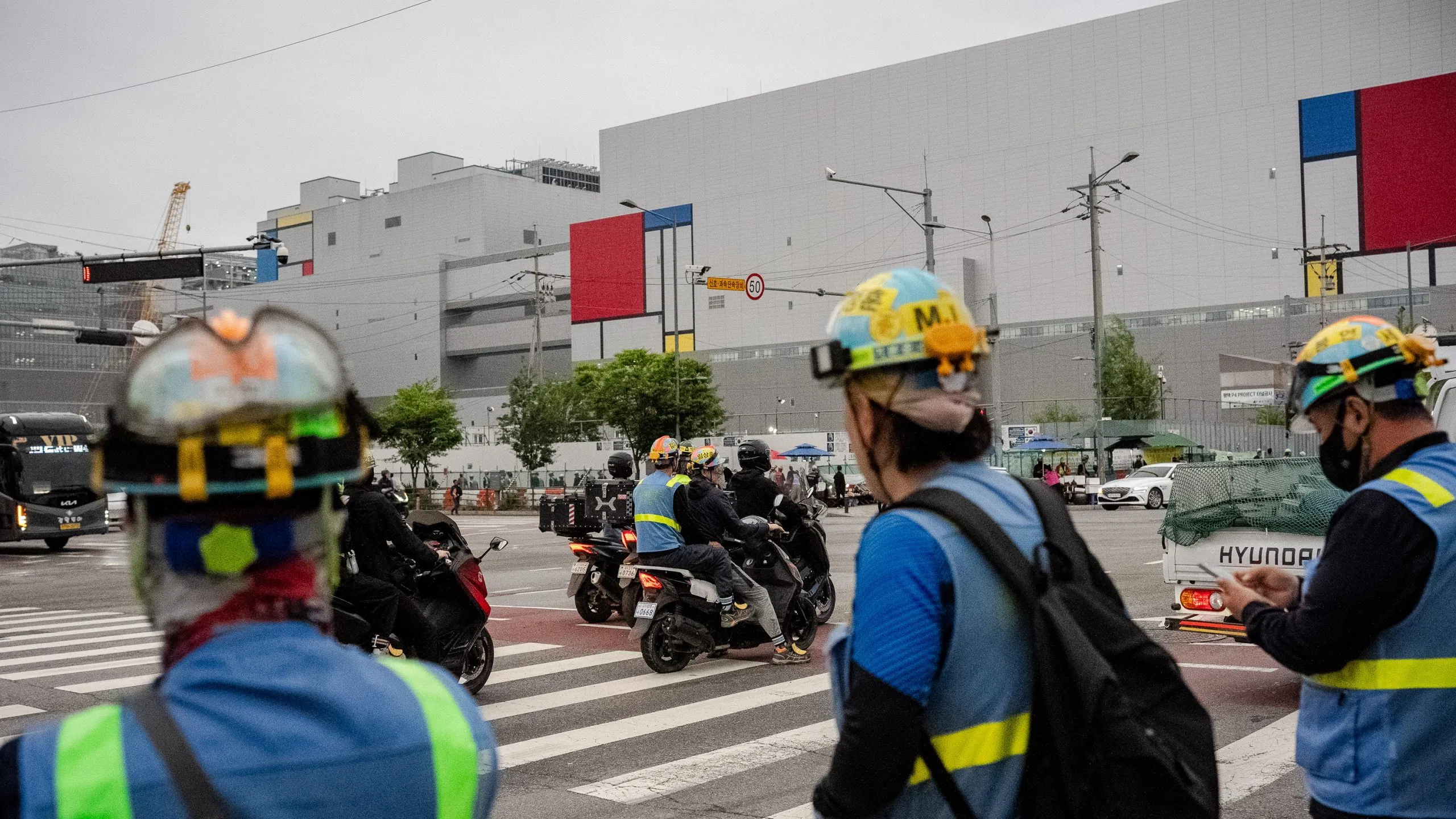
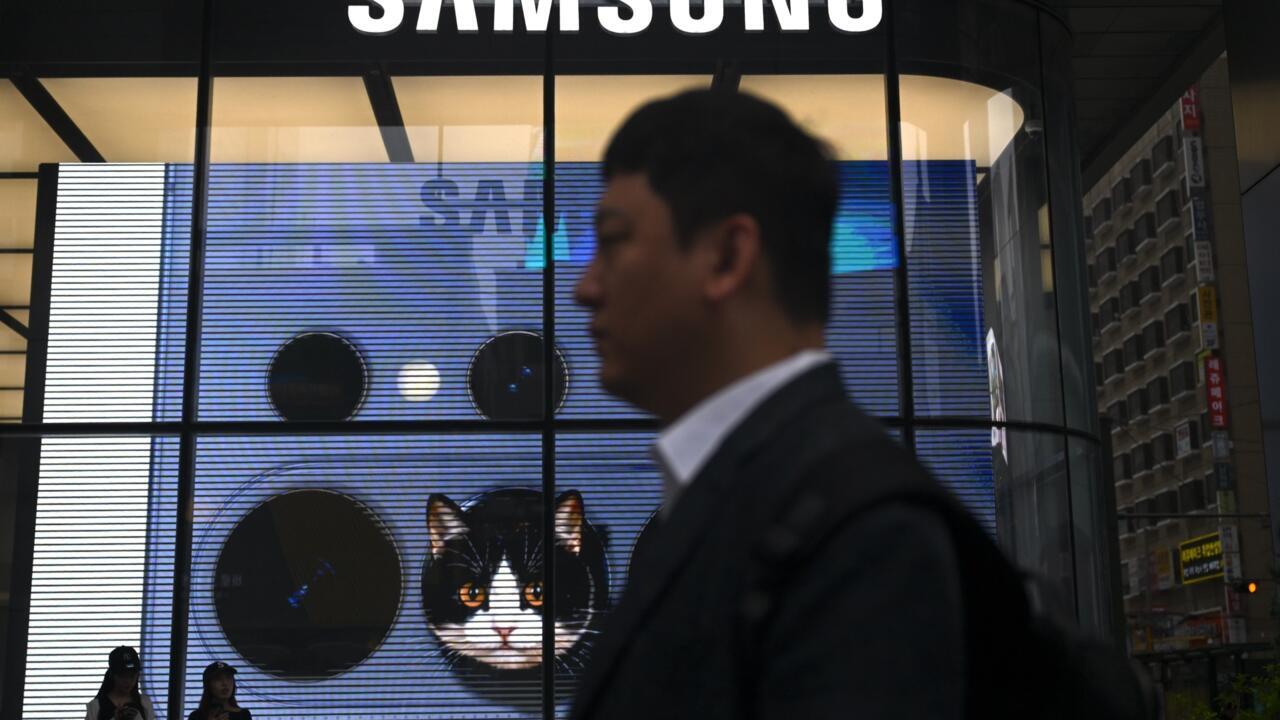
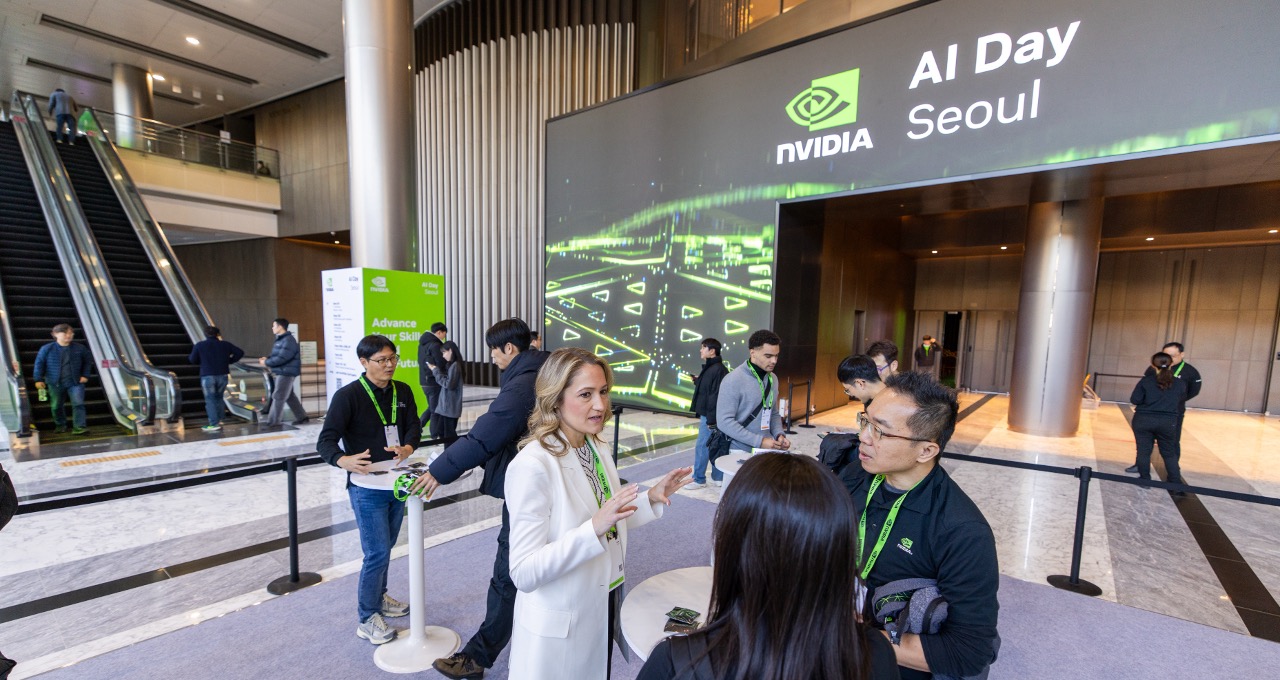
At AWS Summit Seoul 2026, Samsung Electronics, Yogiyo, and Yanolja presented production-oriented agentic-AI/AIOps cases, while KB Kookmin Bank presented a production-scale KBaaS API-infrastructure modernization case. Together, the sessions showed how Korean enterprises are applying AI-era cloud architecture to operations, development, and embedded finance. Here's a summary of how the event was organized, what the enterprise sessions showed, which AWS tools were most common, and the key patterns you can apply to your own plans.
The shift the day was framed around
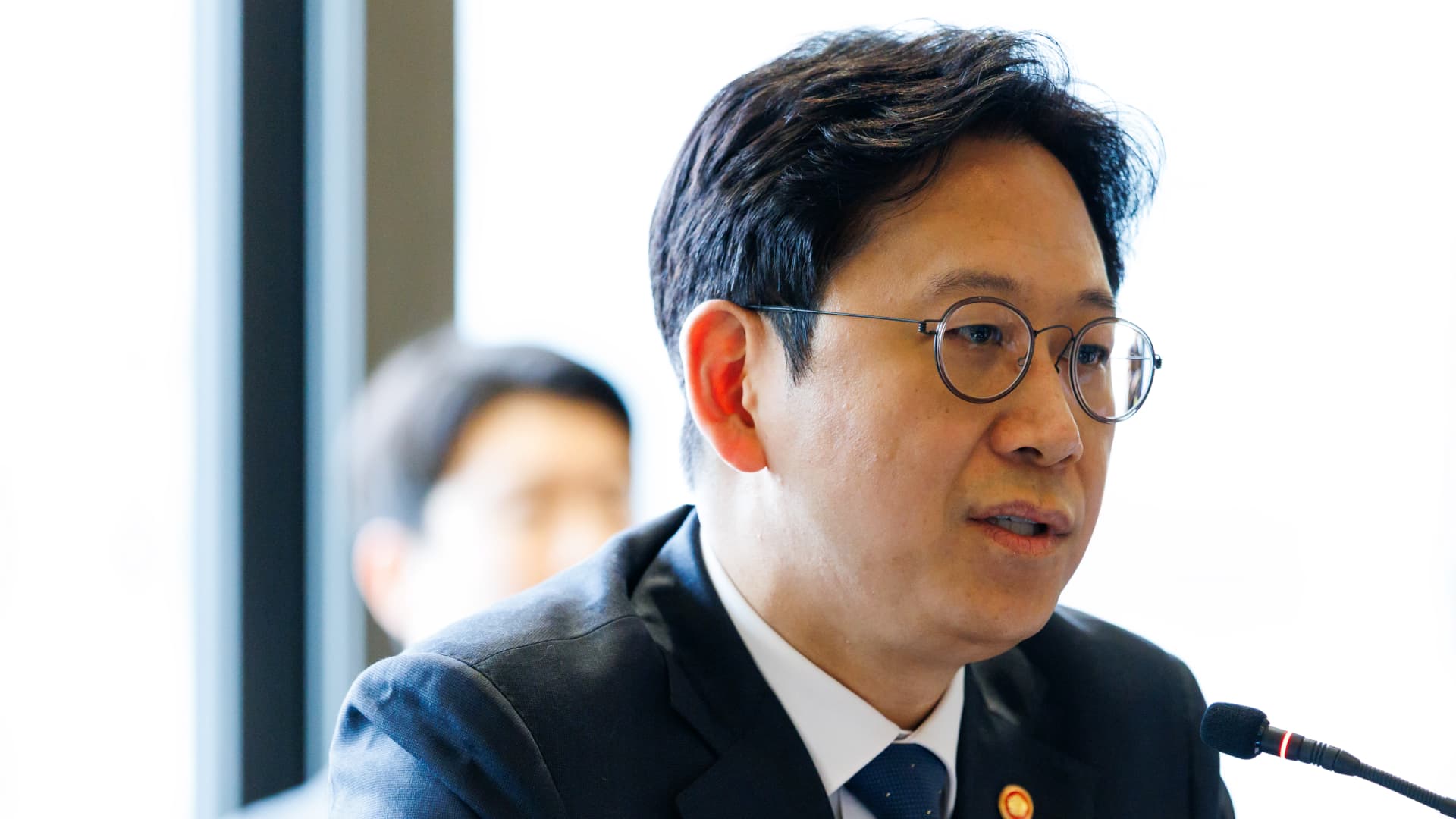
AWS Korea CEO Ham Ki-ho opened the event by outlining three stages: Generative AI, Agentic AI, and Physical AI. He described Agentic AI as the active phase, where large language models act as reasoning engines that plan, use tools, and take action, instead of just answering prompts. Physical AI was presented as the next step, with a new Physical AI Frontier Program for Korean robotics, AI-chip, and manufacturing companies. This program will support everything from data collection to edge inference and help with global expansion.