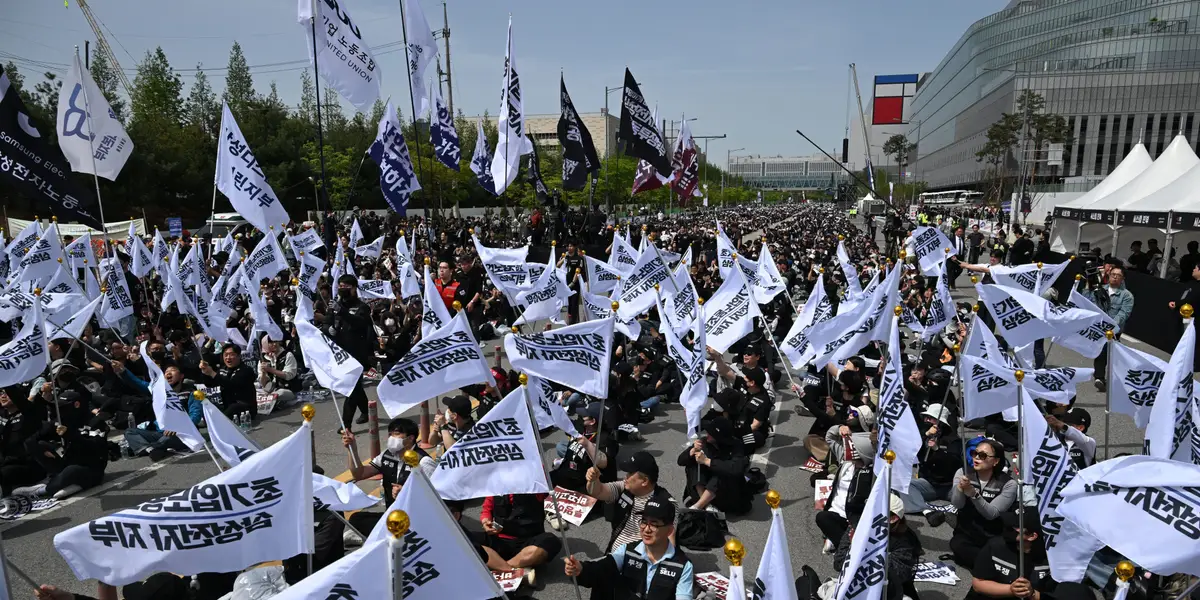
A looming 18-day strike at South Korean chip giant Samsung that has triggered worries within the government, rattled foreign investors and threatened global supply chains rests on one crucial question: who should share in the spoils of the AI boom?
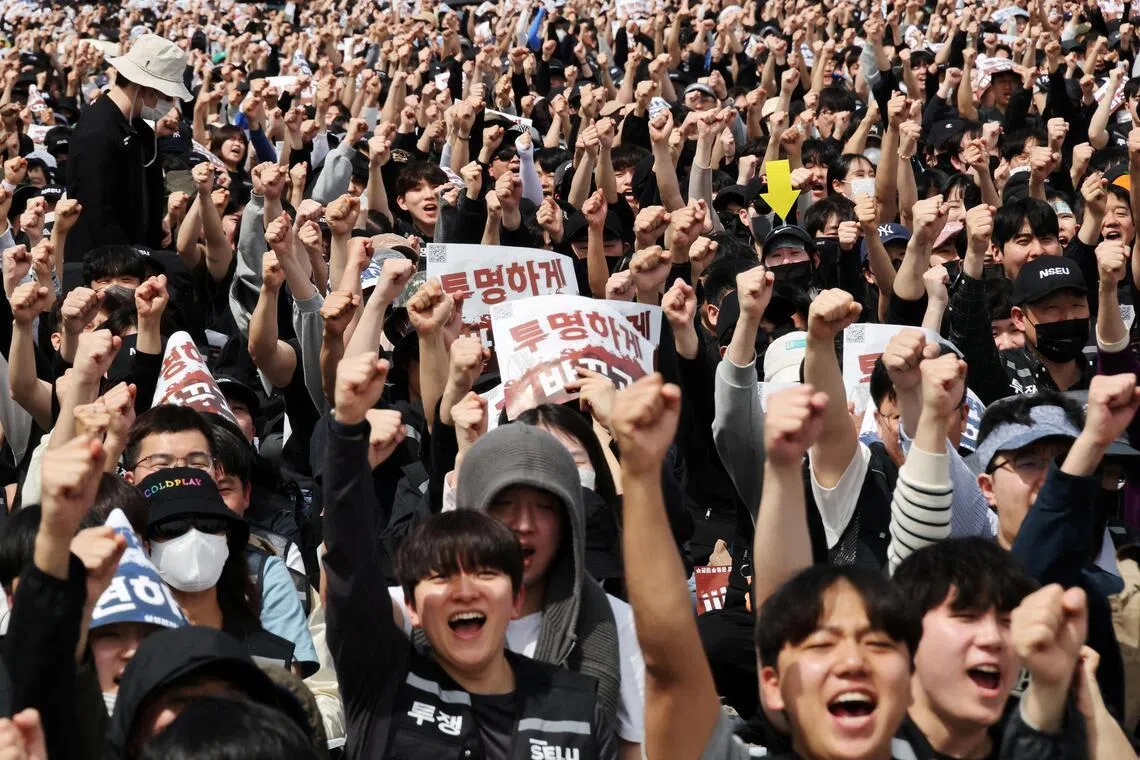
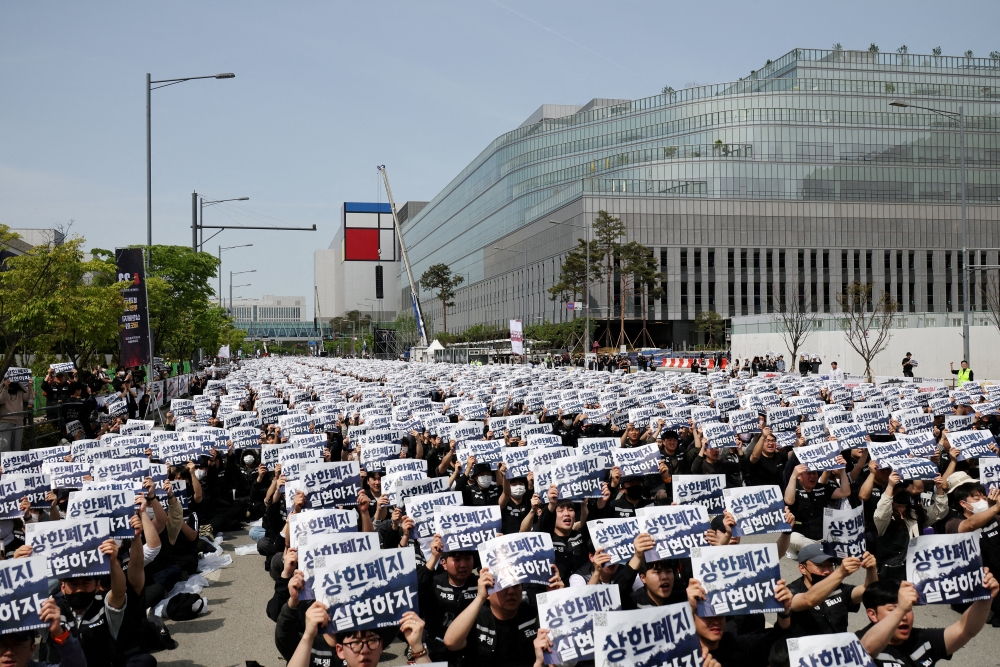
More than 45,000 workers are threatening to stage the largest strike in the conglomerate's history from May 21, reducing production of memory chips that are crucial components in AI data centers, smartphones and laptops, as Samsung and its union struggle to find a compromise over bonus payouts.
Samsung Electronics, which has reaped huge profits from a global memory shortage, has offered to pay generous bonuses to staff. But it wants to give 27,000 memory chip employees at least six times more than its other workers in its logic chip design and manufacturing businesses.
Its union argues that the firm's other 23,000 workers who are responsible for making AI chips for Tesla and Nvidia and often work in the same buildings as their memory colleagues, should not be left behind, despite suffering billions in losses in recent years as the foundry business floundered.
Reuters reviewed hundreds of pages of transcripts covering Samsung internal wage negotiations and spoke with more than 10 workers, including union leaders, and sources familiar with the discussions.