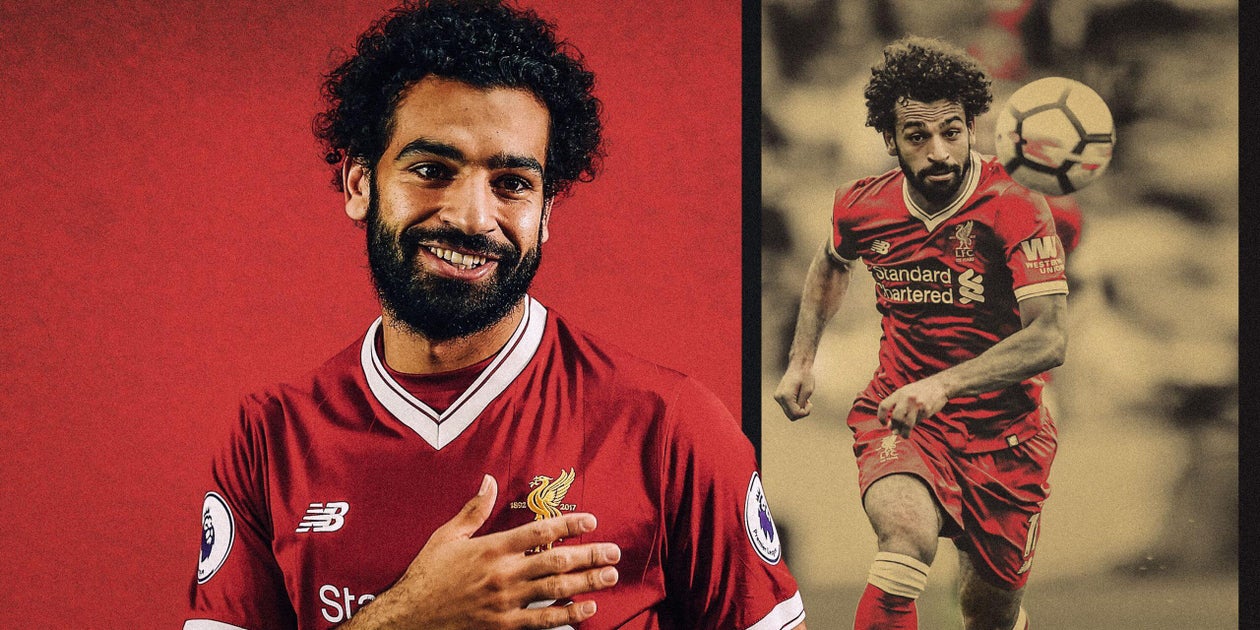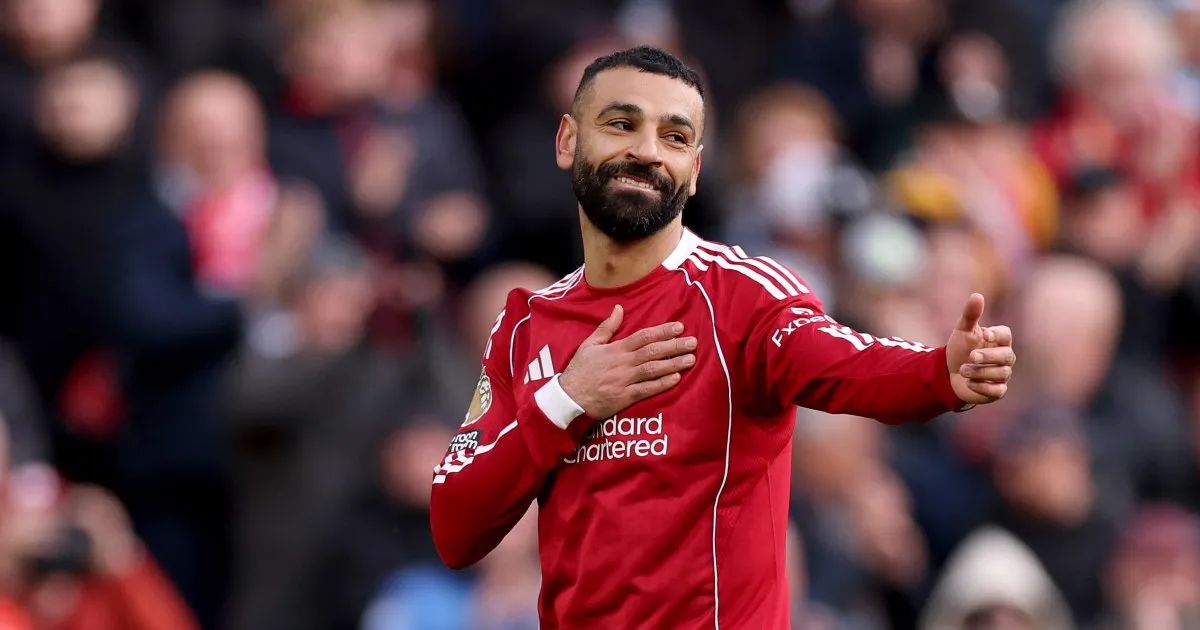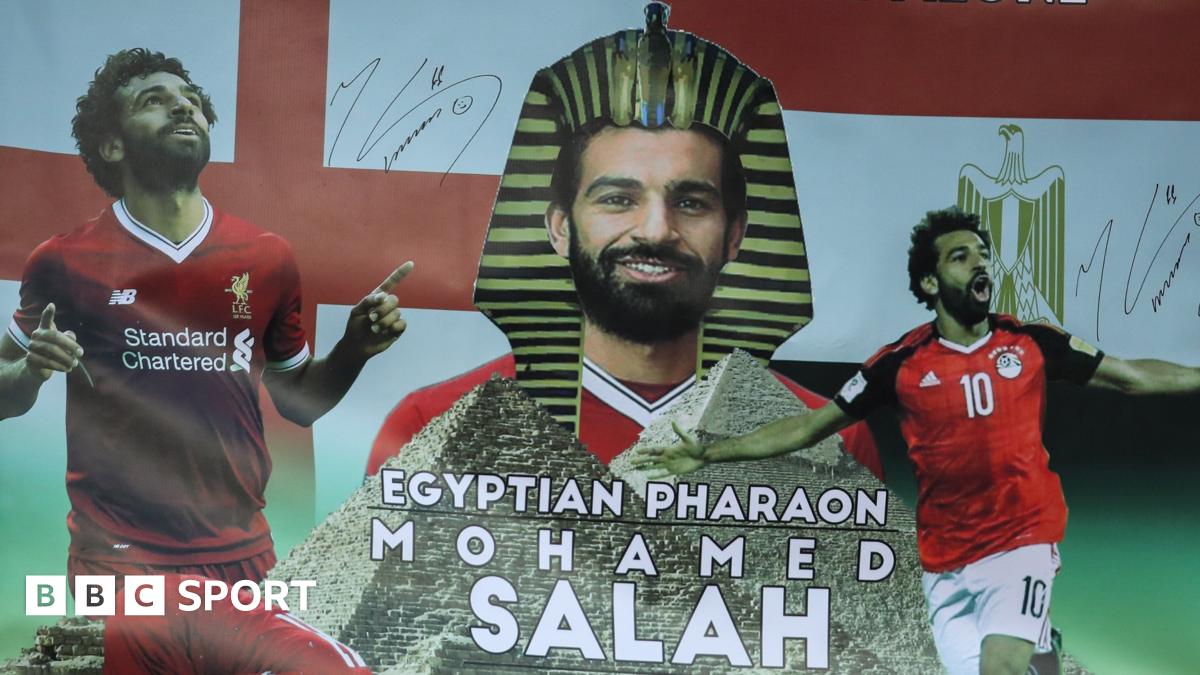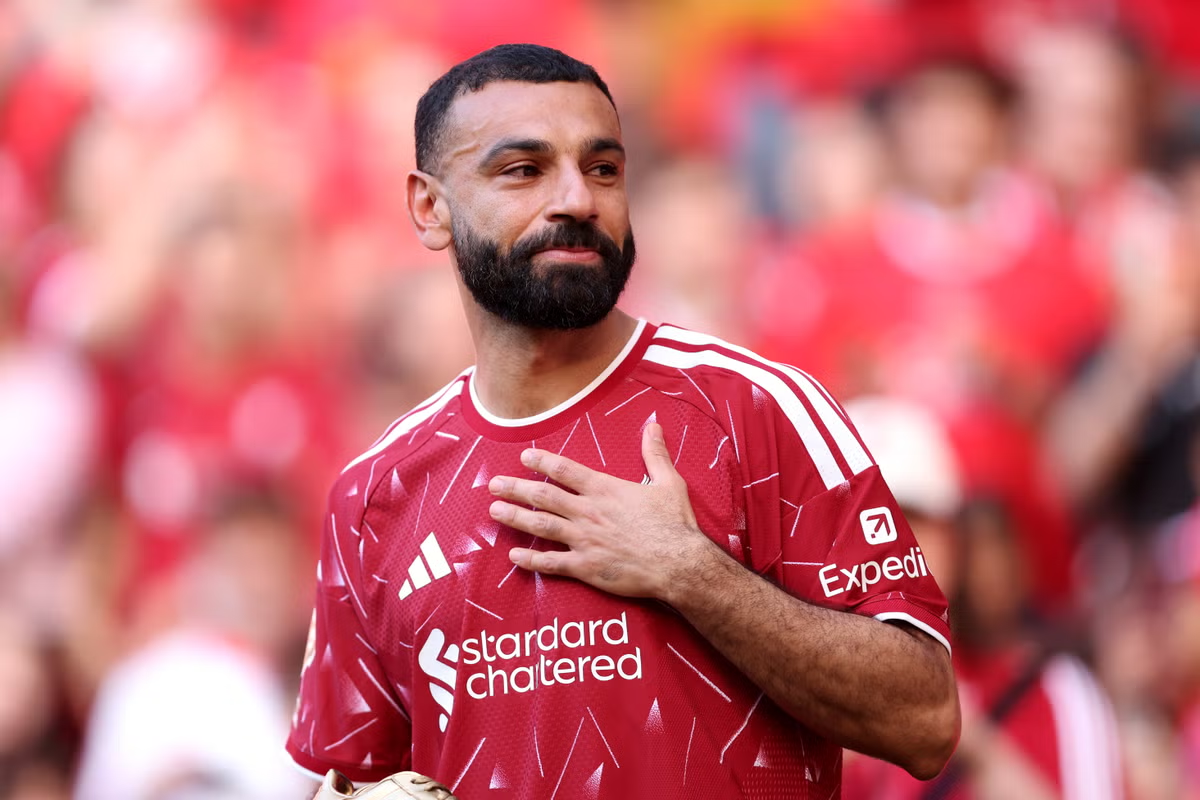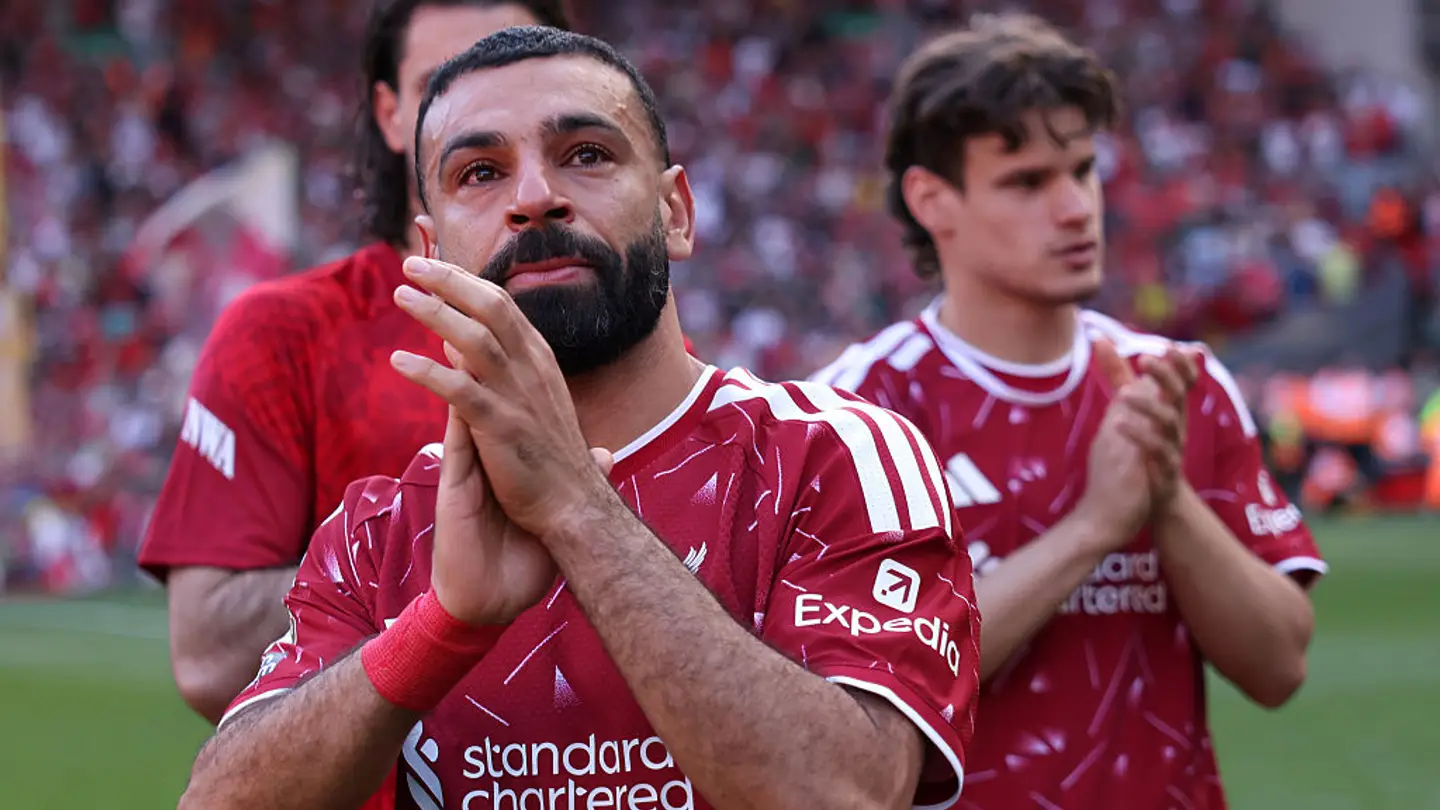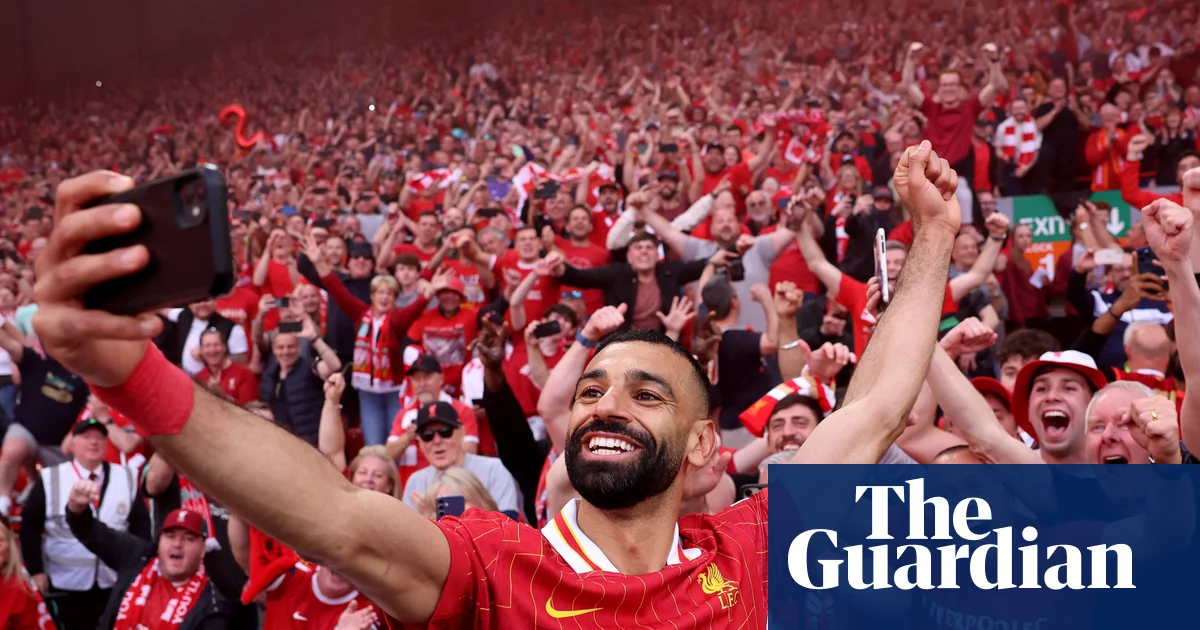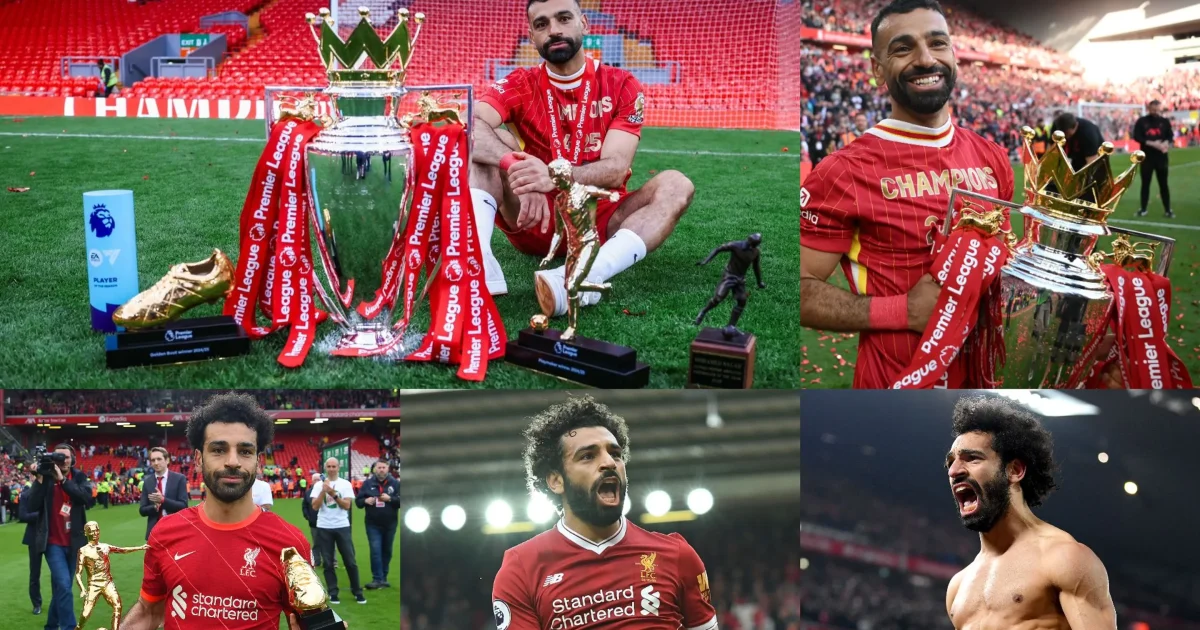
Mohamed Salah’s extraordinary Liverpool career is drawing to an end.Since arriving at the club in the summer of 2017, the Egyptian has amassed 257 goals in 441 games — a record only bettered by two players in the club’s history. His time at Liverpool has not been without controversy — as events in the last week have underlined — but his legend is secure.His legacy, however, spreads far beyond Merseyside.
This week, The Athletic is publishing a special three-part series examining Salah’s time at Anfield, including his playing legacy and his wider impact as a social and cultural icon.
Today, we examine his relationship with his faith and his effect on the city of Liverpool.Last weekend, the residents of Granby Street and Beaconsfield Street in the L8 area of Toxteth tacked green, white and red bunting to the lampposts and the Somaliland flag was raised in preparation for the celebration of Sovereignty Day.In 1991, Somaliland, on the Horn of Africa, became self-governing, but in the decades before independence, some of its people started arriving in L8, which similarly can feel very separate from Liverpool, even though it is just to the south of the city centre.Known by its postcode, it has an identity that is different not only from Liverpool but the rest of Toxteth, which sprawls down towards the River Mersey. There, on the banks of the water, the population is mainly white working class, but further inland, L8 is a largely Black community, initially associated with West African and Caribbean immigration, but more recently with different parts of the Muslim world.An estimated 99 per cent of the population in Somaliland are Sunni Islam, and in L8 they are ferociously proud of their history. In 2024, Liverpool City Council pushed a motion for the UK government to recognise the region’s independence, and residents say the show of support has strengthened their love of Liverpool.The bunting acts as a demonstration of a confidence that is being tested by the rightward-shifting politics of the city. But not so long ago, residents acknowledge that confidence was not a word you associated with L8 or Toxteth. Since 1981, it has instead been associated with the word “riot” even though locals prefer to call the response to police attitudes towards the Black community and crippling unemployment as an “uprising”.A demonstration in Toxteth in 1981 (Keystone/Hulton Archive/Getty Images)The Somalilanders who have lived in Liverpool the longest think 2008 was a key year for social integration because the city was made the European Capital of Culture. The status did not solve all of Liverpool’s race-related problems, but it moved the conversation along, into a healthier place.“Then there was Mo Salah,” says Malik Karkar, a language specialist who speaks Arabic and has worked as a translator in L8. Karkar thinks Salah, who arrived at Liverpool in 2017 and plundered 44 goals in his first season, provided a base for discussion between communities that had long stayed out of each other’s way.“Mohamed Salah’s impact goes far beyond football,” he says. “Of course he gave Liverpool goals, trophies and pride. But off the pitch, the impact has been even bigger. He has helped alter the perceptions of Muslims in Liverpool, across the UK and beyond.”A female resident of L8 puts it like this. She used to work in an educational setting in a mainly white part of the city and when students saw her hijab, they asked her where she was from. The answer was “Sudan” but when she explained that it bordered Egypt, their response was: “… like Salah?”Karkar suggests that Salah’s achievements and sense of being have not just helped Muslims, but have also helped Liverpool be what it can be at its best, a place of “diversity, acceptance and solidarity”. He says that in L8, which has had drug-related problems for generations, Salah’s commitment to meeting the highest standards as a footballer has helped challenge attitudes. “Salah’s clean way of living has changed the way people sometimes lead their lives. Even though he hasn’t met them, he is always present.”Toxteth and L8 still feels like it is segregated from the rest of Liverpool. Upper Parliament Street cuts the district in half, acting as an unofficial border between the tall Georgian townhouses once populated by rich sea captains on one side and the Granby ward on the other.If any current Liverpool player has a real connection with the area, it is Curtis Jones, who grew up not far away on a new housing estate that blurs into Chinatown. Salah might be unaware of the significant impact he has had on people in L8, especially with younger lads like Imad Ali, who launched a football competition in 2021 that celebrates the different communities living in Liverpool. The World in One City tournament, which has since been held every summer a few miles south of L8, has been a roaring success, drawing camera crews and huge attendances from spectators.Ali, a Liverpool supporter whose roots are in Yemen, told The Athletic in 2022 that the idea had germinated in his head during a lockdown in the Covid-19 pandemic, but he also asked himself whether he’d have had the confidence to put his thoughts down and show them off in front of everyone, just a few years earlier. “It helps to see players like Mo Salah doing so well,” he said. “He makes you think you can express yourself. Nobody has done that since John Barnes.”In 1987, Barnes became the first Black player in Liverpool’s history to sign for a fee. Four decades later, he remains a huge figure in L8, where, in the formative part of his Liverpool career, he socialised in its variety of social clubs connected to different regions across the world.