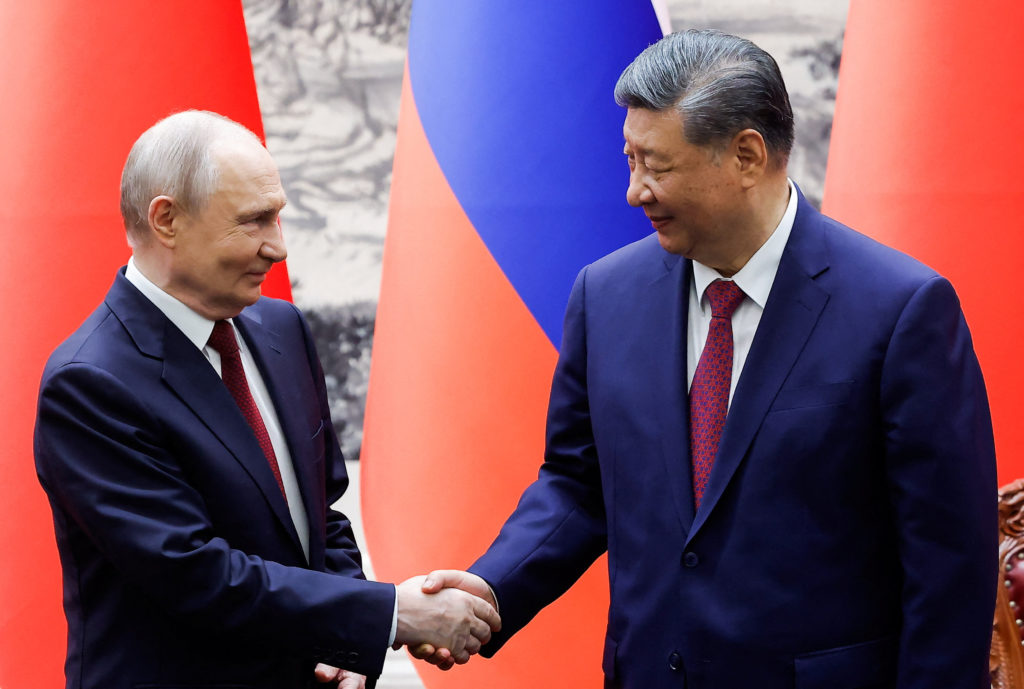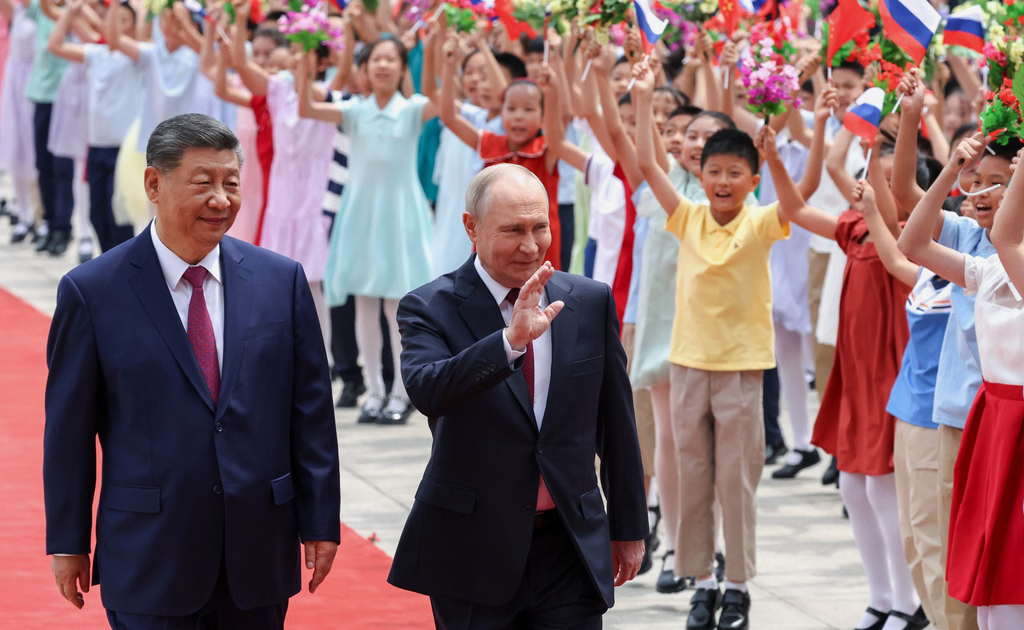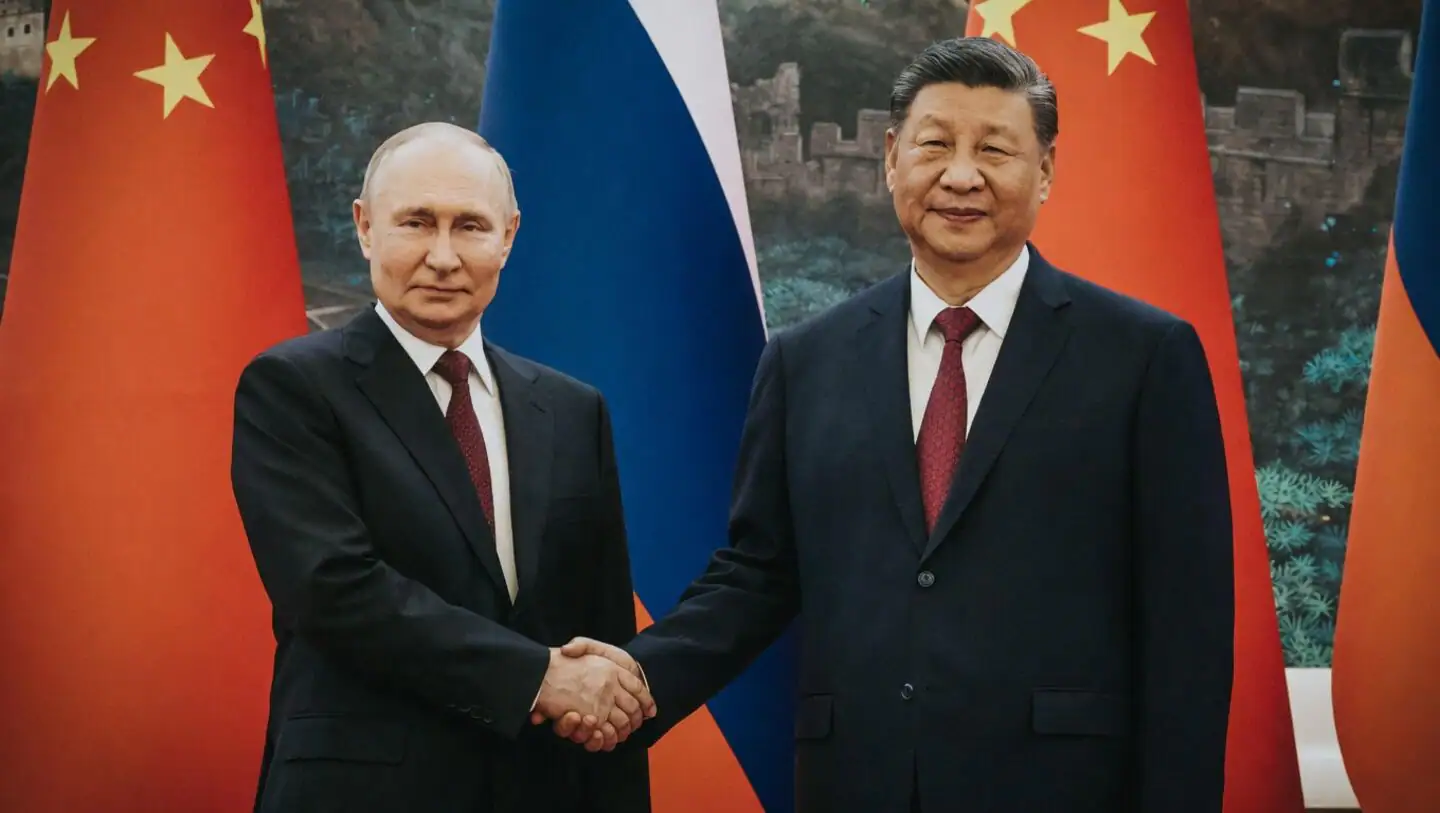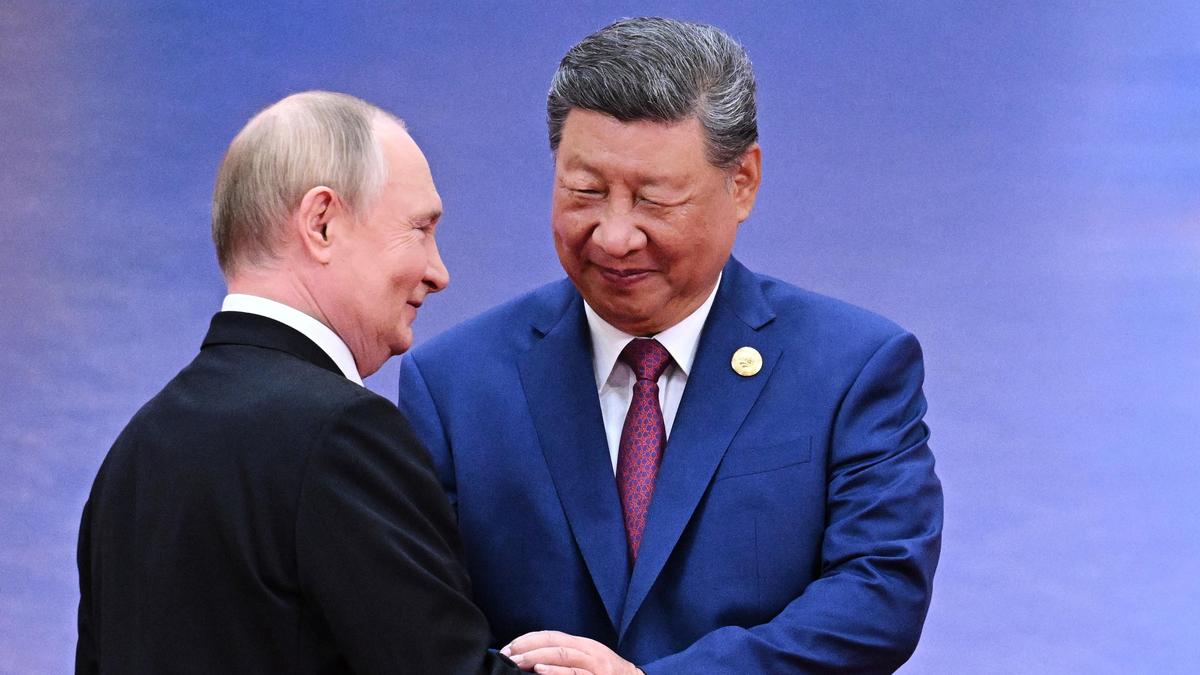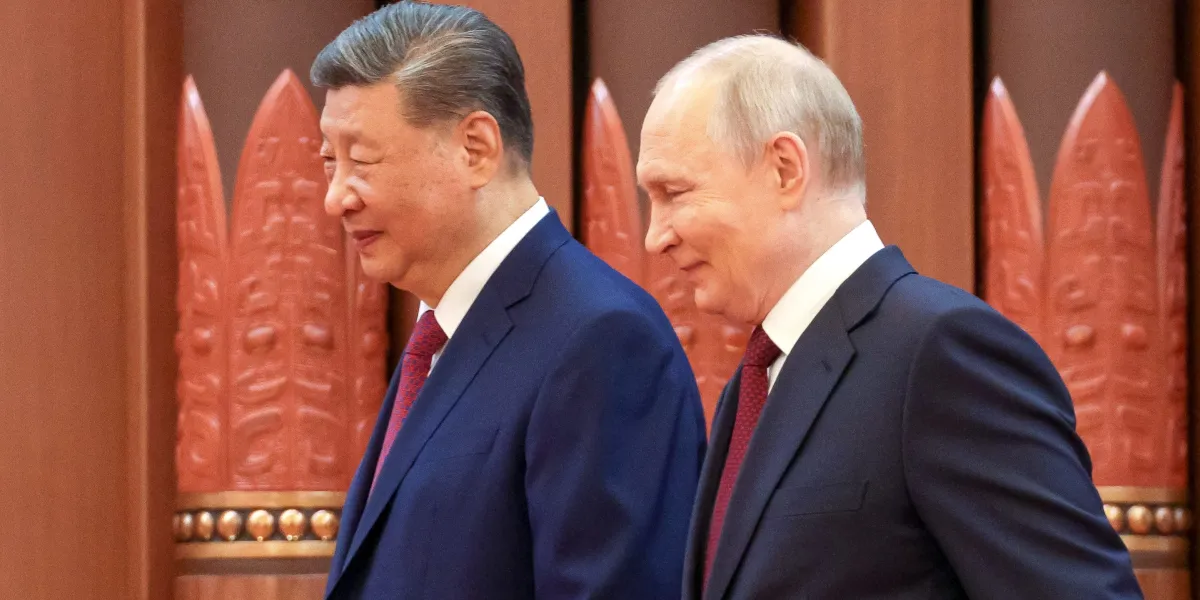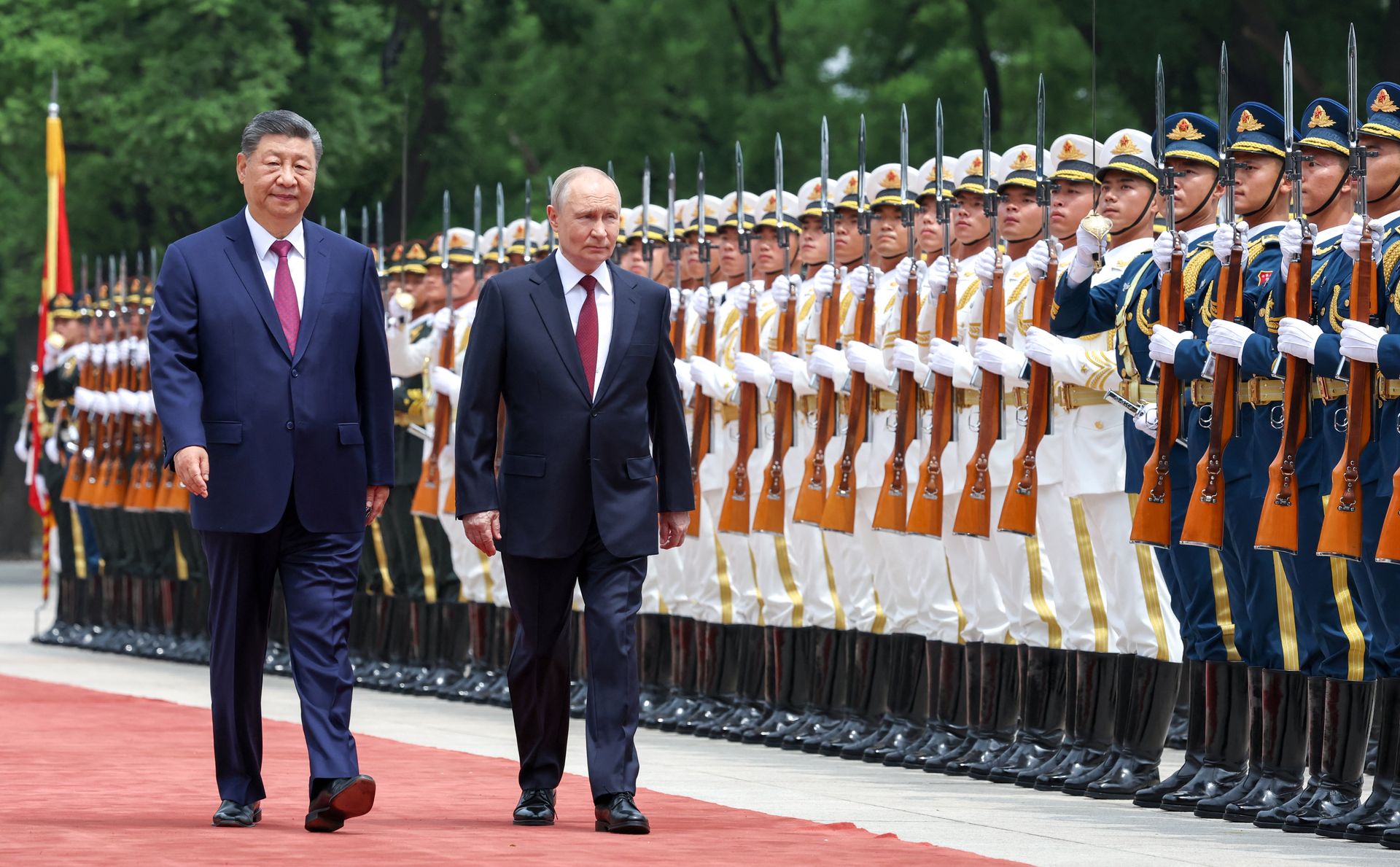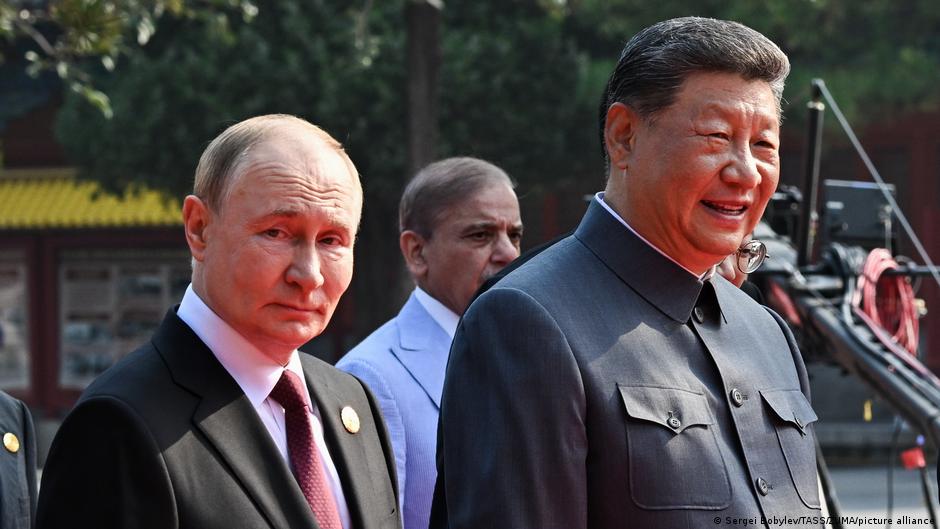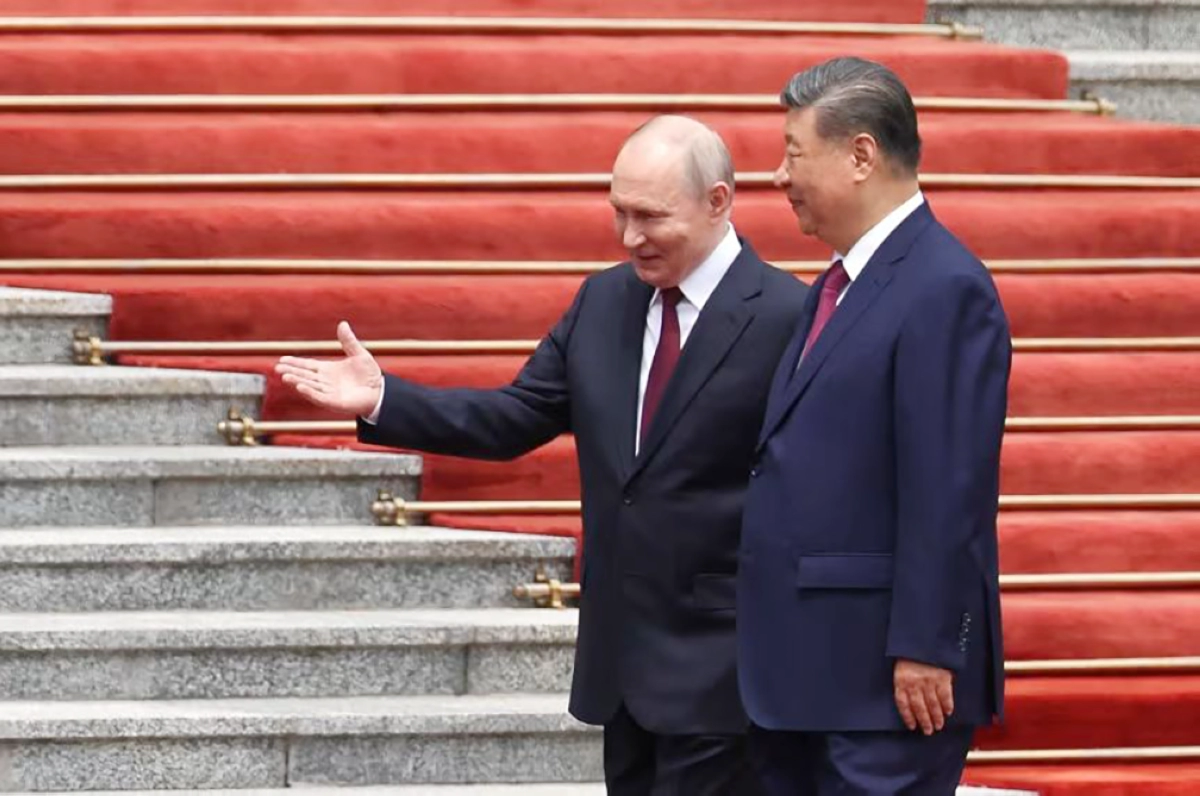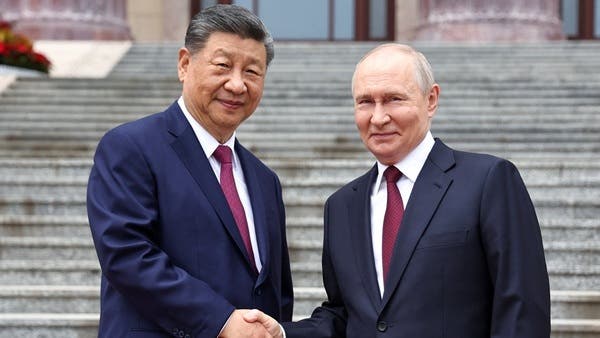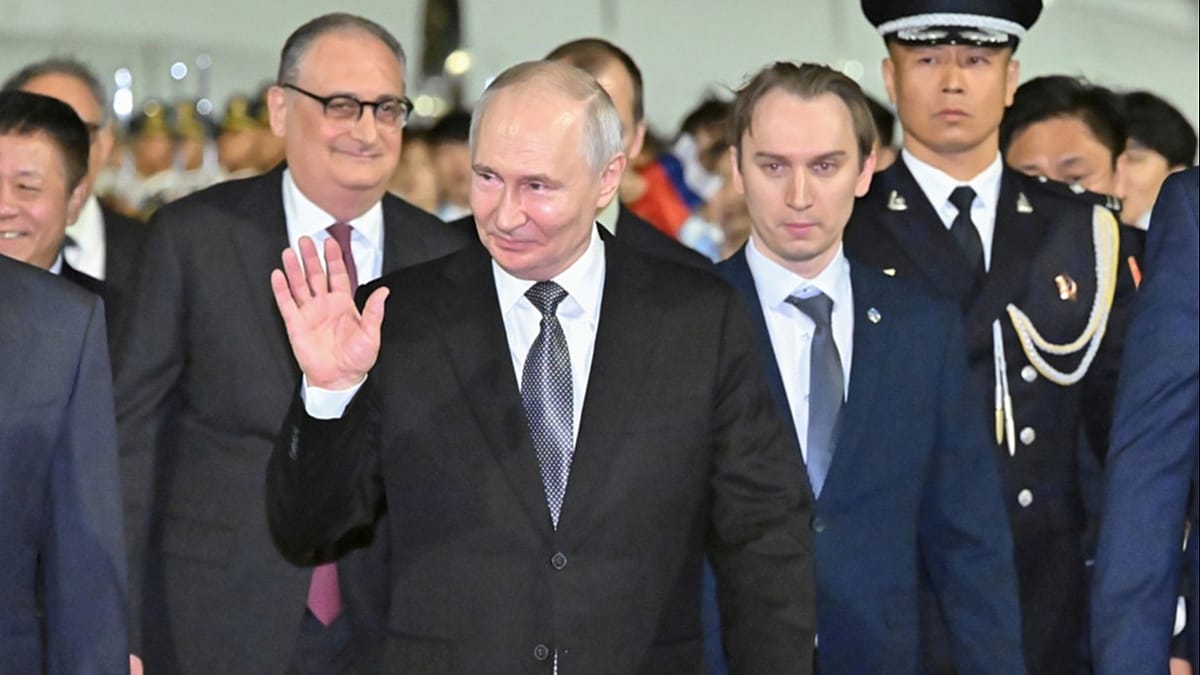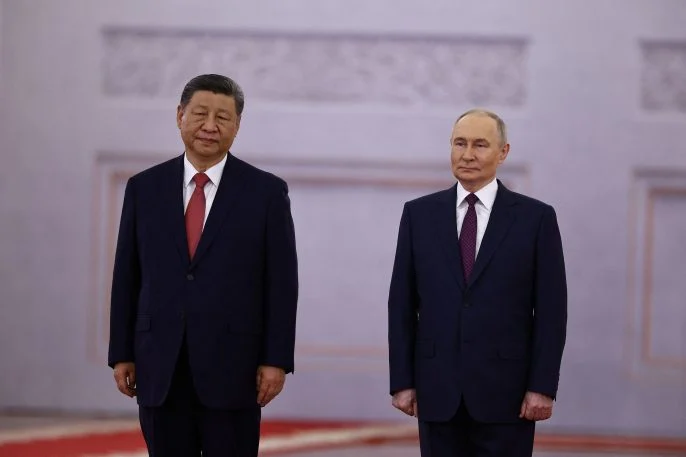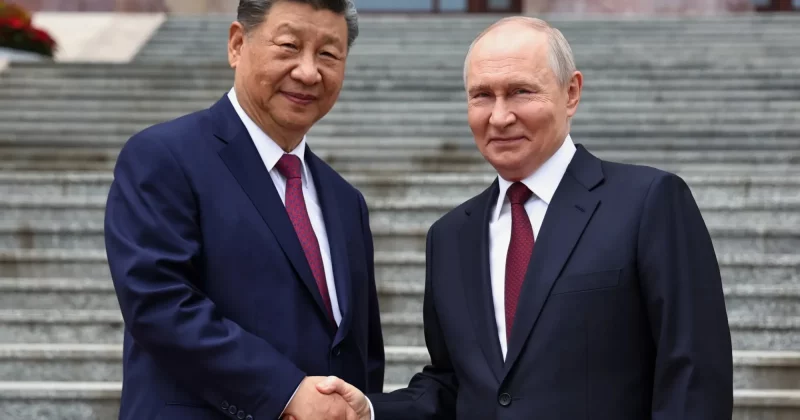
China and Russia just signed over 40 cooperation agreements in Beijing, covering trade, energy, technology, and AI. The summit between Xi Jinping and Vladimir Putin happened days after Donald Trump departed the Chinese capital. Bilateral trade between the two countries reached approximately $228 billion in 2025, and Russian oil exports to China surged 35% in the first quarter of 2026.
The two leaders extended a friendship treaty originally signed in 2001. Xi described energy trade as a “stabilizing pillar” of the bilateral relationship. Xi also advocated for enhanced cooperation in AI and what both leaders called the “digital economy.” Xi emphasized that an “early end to the conflict” in Ukraine would help stabilize energy supplies and international trade.
The de-dollarization angle
Both countries have spent the better part of the last few years building infrastructure to settle trade in their own currencies rather than USD. The growing alliance is fueling efforts to de-dollarize bilateral exchanges and experiment with alternative payment systems. When you’re doing $228 billion in annual trade and actively trying to avoid the dollar, you need robust alternatives.
State-backed digital currencies like the e-CNY represent one track. China’s e-CNY has been in pilot programs for years. A deeper integration with Russian trade flows would give it a meaningful real-world use case beyond domestic retail payments.