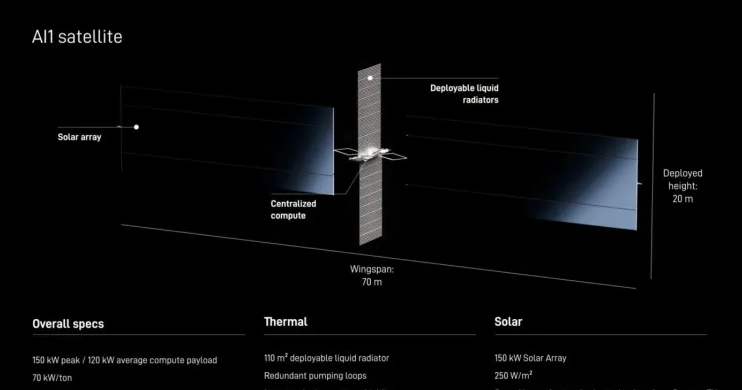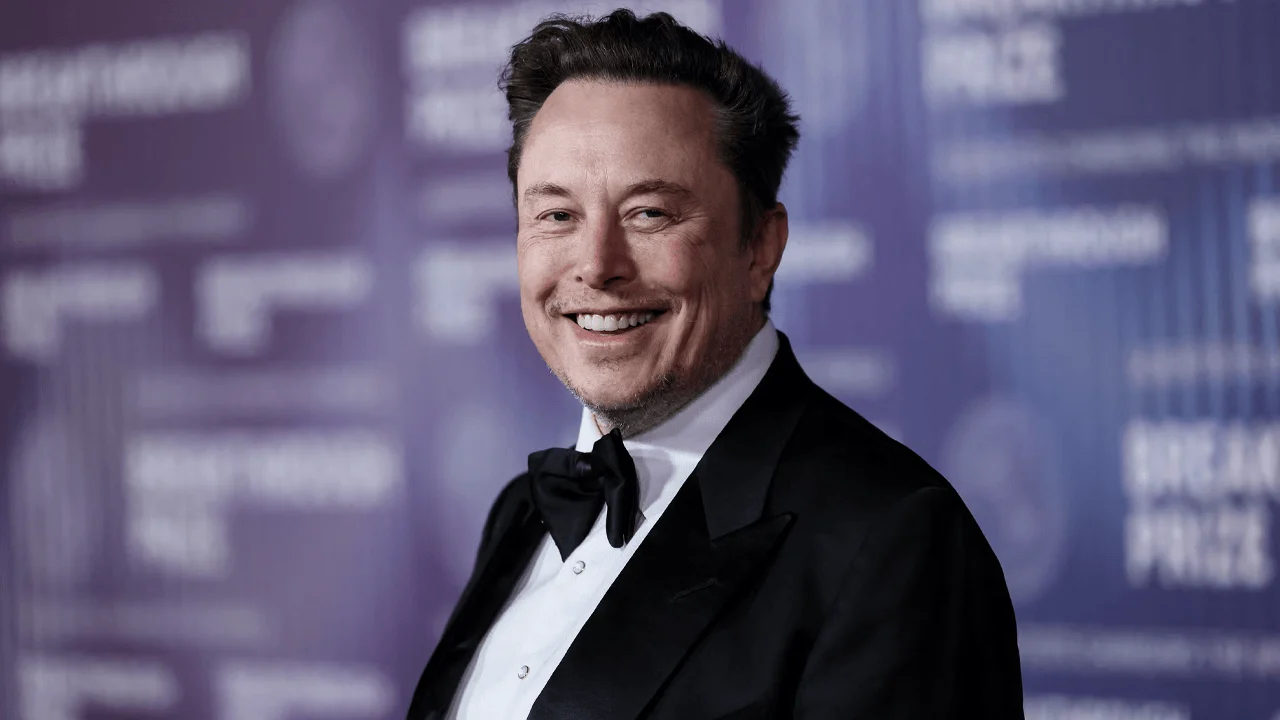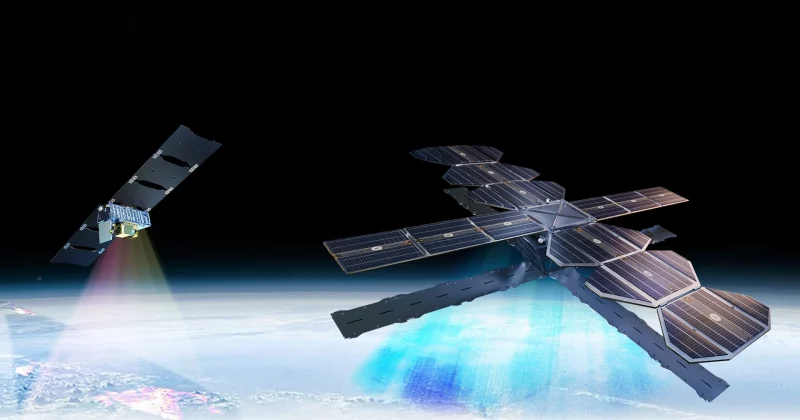
Elon Musk wants to turn low Earth orbit into the world’s biggest data center. The SpaceX CEO says the company will offer AI compute at an extremely high scale, building on an existing partnership with Anthropic and ongoing conversations with other major firms.
The pitch is straightforward, if audacious: space offers free solar power and a vacuum that handles cooling better than any terrestrial facility. Musk predicts that within four to five years, the lowest cost for AI compute will be found not in Texas or Iowa, but in orbit.
The hardware stack taking shape
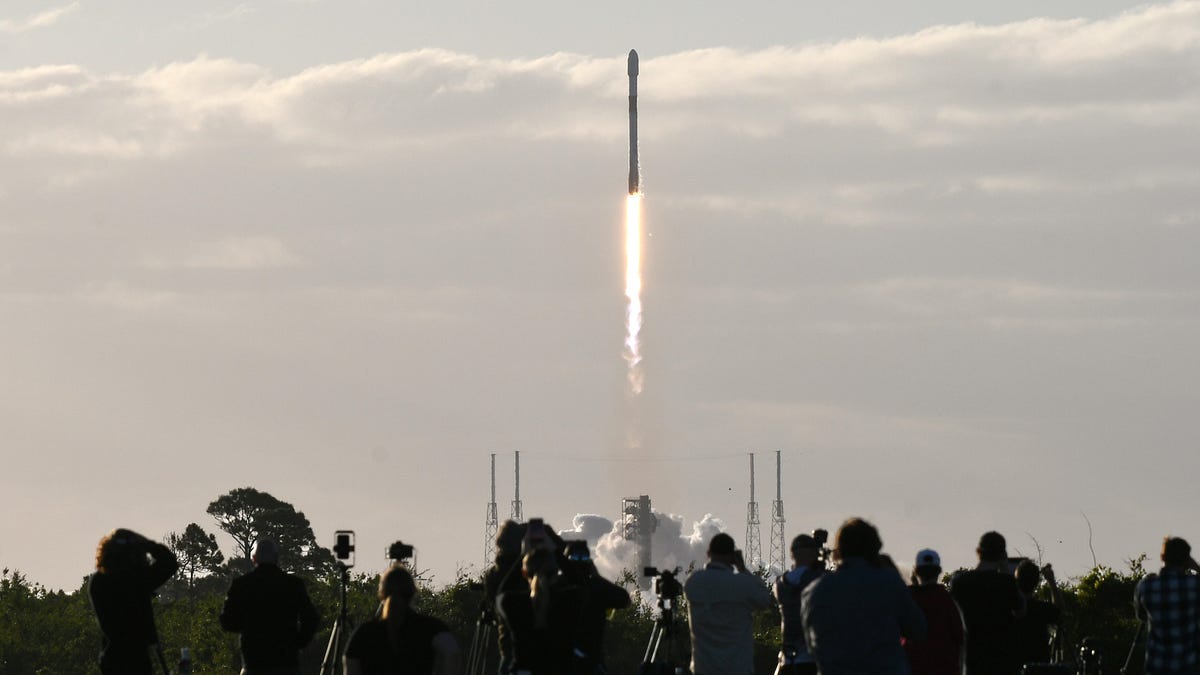
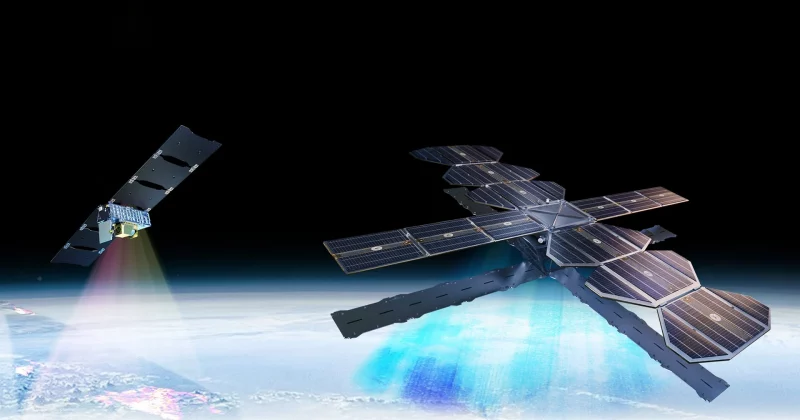
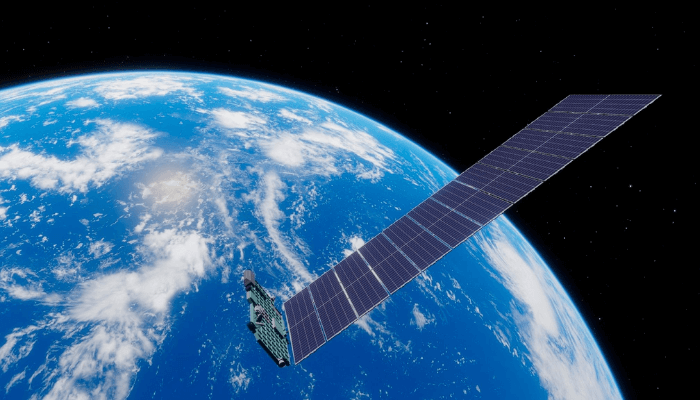
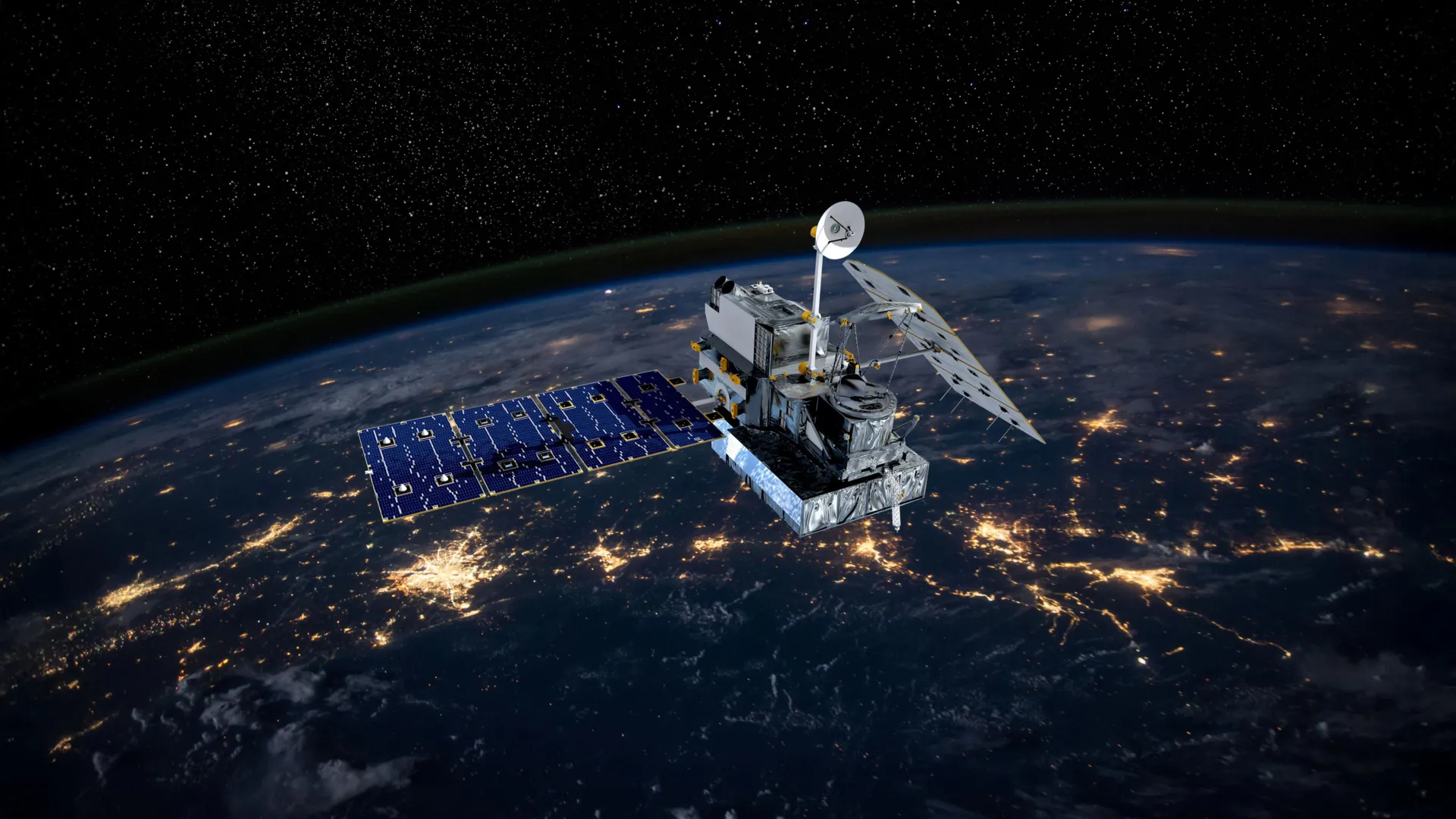
The plan hinges on Starlink V3 satellites. These next-generation satellites, slated for launch aboard Starship, will be enhanced with Tesla AI chips, effectively turning each one into a node in a distributed orbital supercomputer.
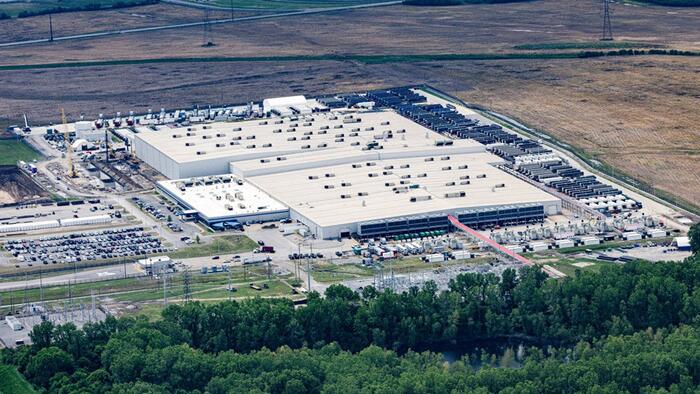
Meanwhile, the ground game is already running. SpaceX and Musk’s broader empire have operational computing clusters in Texas, including facilities known as “Colossus” and “Cortex.” These aren’t prototypes or pitch-deck slides. They’re live infrastructure, already generating revenue by renting capacity to clients.