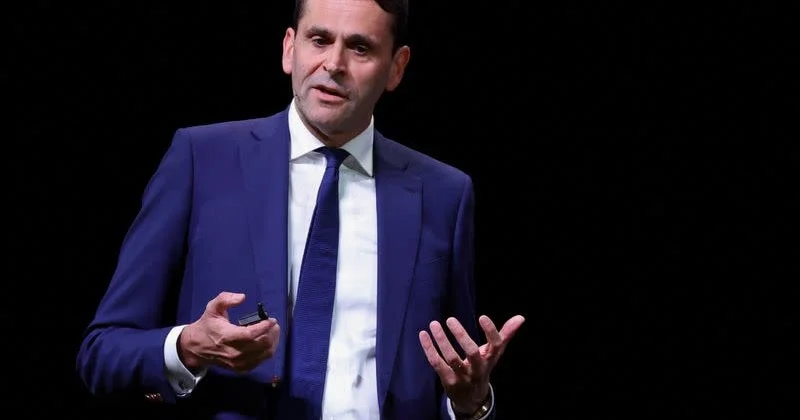
When people think about what’s eating up the world’s chip supply, the usual suspects come to mind: AI data centers, smartphones, electric vehicles. Satellites don’t typically top that list. ASML CEO Christophe Fouquet wants to change that perception.
In a recent interview, Fouquet singled out SpaceX’s Starlink constellation as a meaningful and growing source of semiconductor demand. As the satellite network scales, each new bird in orbit needs chips, and each ground terminal on Earth needs more. Multiply that across thousands of satellites and millions of users, and you’ve got a demand engine that most market watchers have been underestimating.
A trillion-dollar market running into a wall
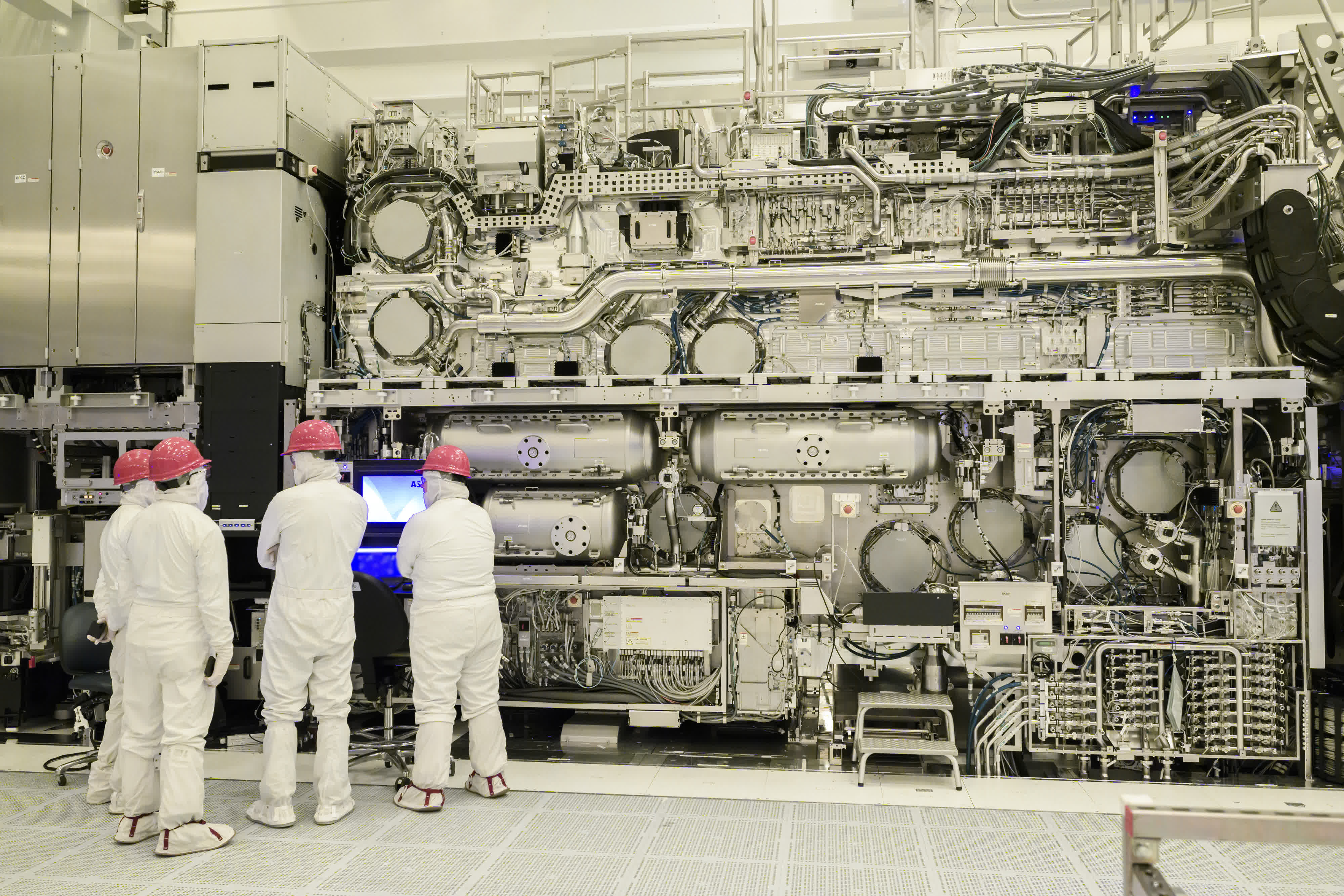
The global semiconductor market hit $791.7 billion in 2025, and projections put it on track to cross $1 trillion in sales by 2026. Fouquet described the current environment as “supply-limited,” with AI workloads the most visible demand driver, but satellite networks like Starlink representing a second, parallel demand curve that’s ramping fast.
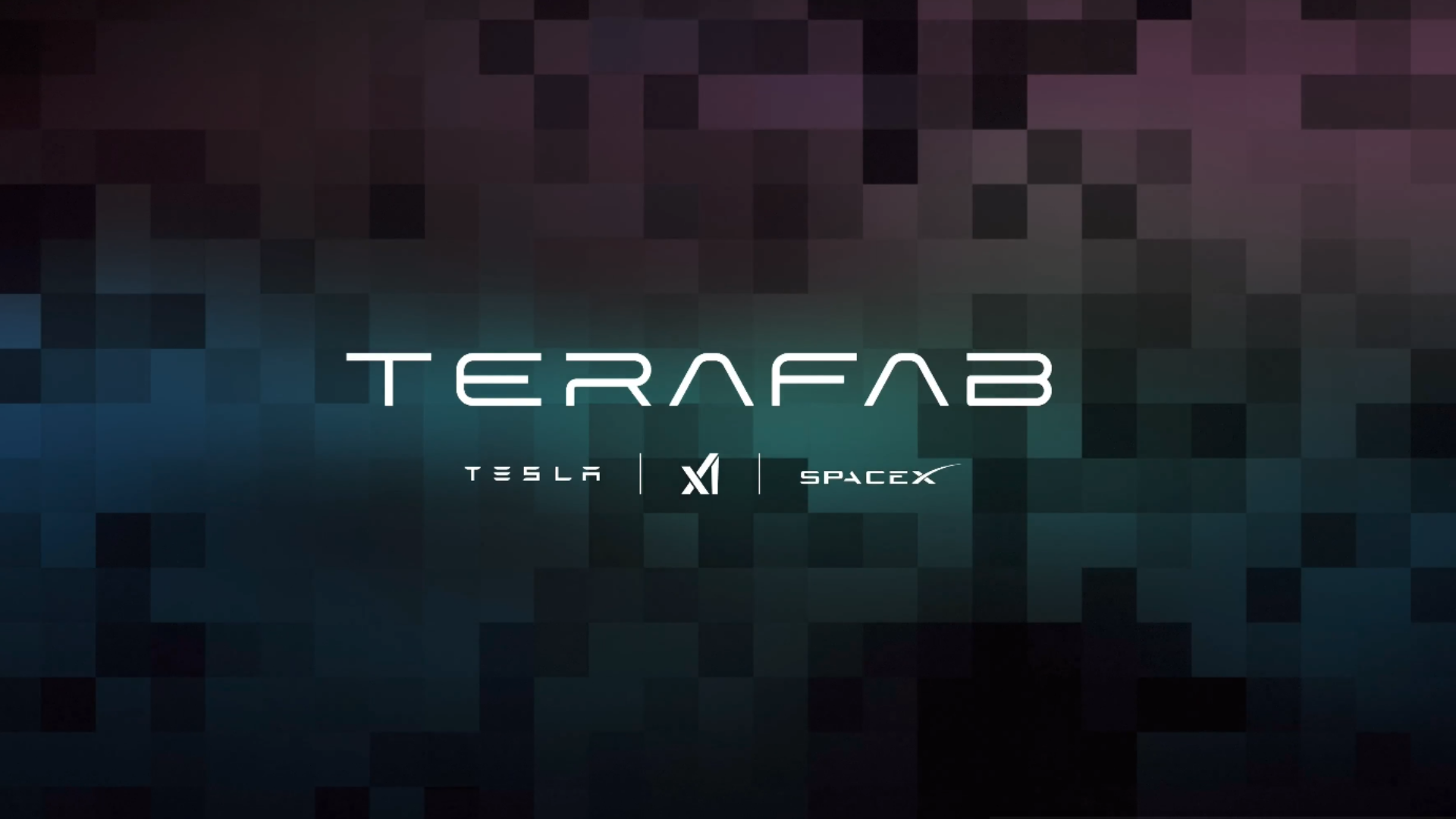
Then there’s Elon Musk’s proposed “TeraFab” AI chip plant, a concept so ambitious its estimated cost sits around $5 trillion. Fouquet referenced projects like these as evidence that the semiconductor world is entering a period where production capacity simply cannot match appetite.