This is AI generated summarization, which may have errors. For context, always refer to the full article.
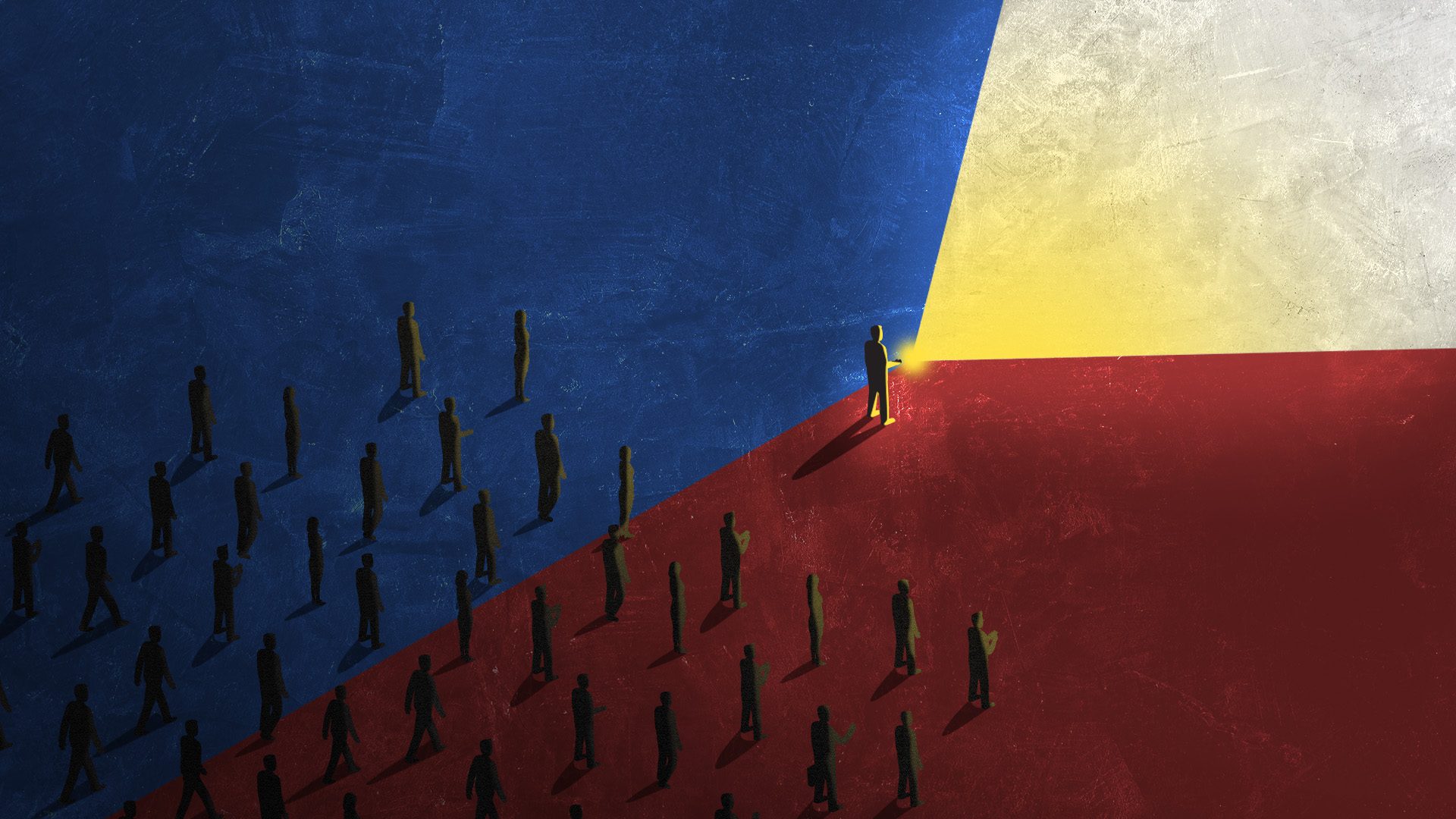
Sam Calleja/Rappler
Most leadership training in the Philippines rely on imported Western models. The Pamamahalang Pilipino framework offers a new way forward.
The Philippines invests heavily in leadership development. Across government agencies, universities, and private institutions, there is a steady stream of fellowships, workshops, and executive courses aimed at professionalizing public service. However, a vital layer remains overlooked: the long-term formation of the individual leader.
In a recent dialogue between the PHINMA-DLSU Center for Business and Society (PDCBS) and the Development Academy of the Philippines (DAP), this gap was described as the “missing base” of leadership. While the public sector excels at providing technical training for senior officials, young public servants, those entering the bureaucracy as the next generation of decision-makers rarely have access to sustained character development.