Commentary
The annual haze blanketing Indonesia, Malaysia and Singapore is the visible outcome of political and economic choices, says this researcher.
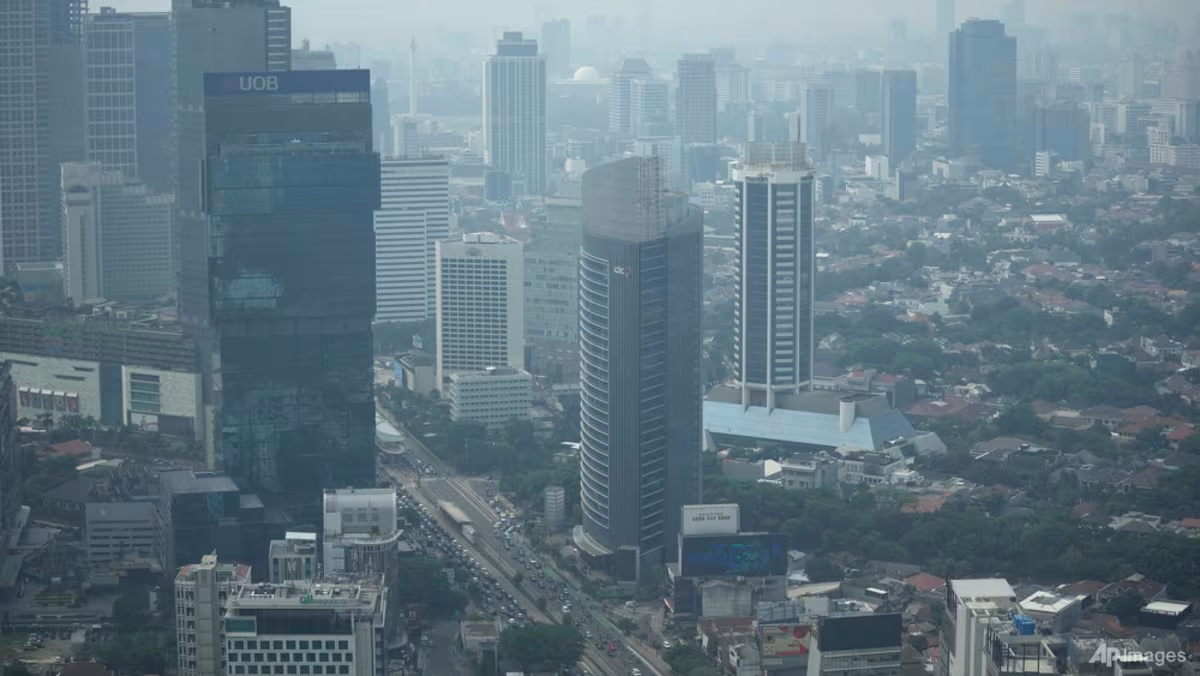
Haze blankets the main business district in Jakarta, Aug 11, 2023. (AP Photo/Dita Alangkara, File)
21 May 2026 05:58AM
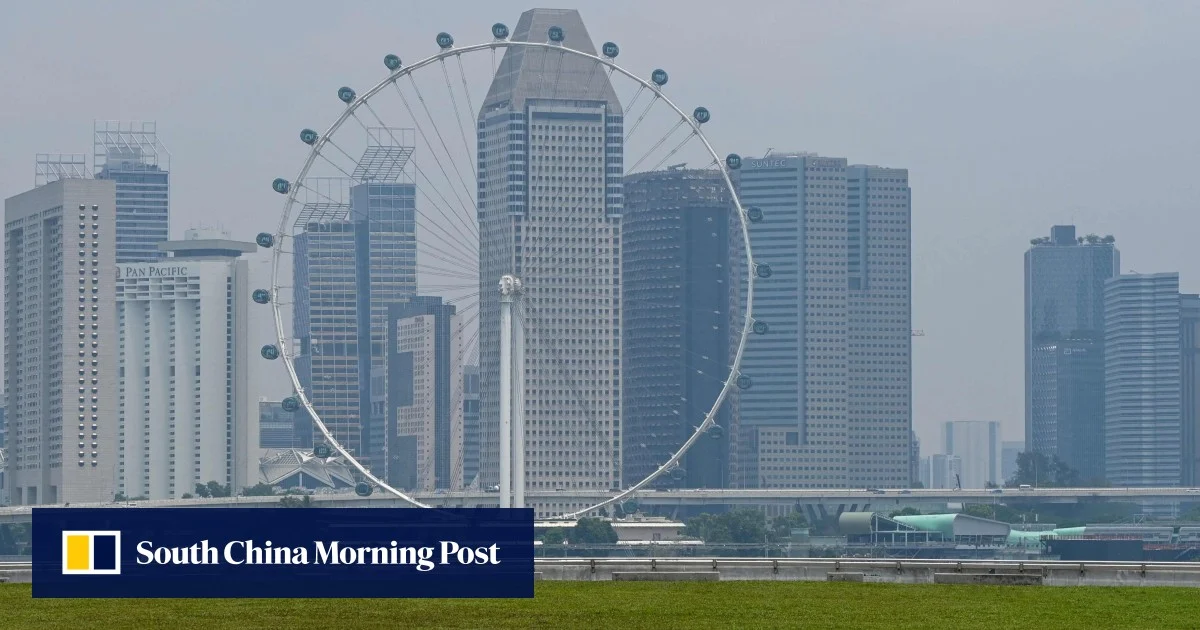
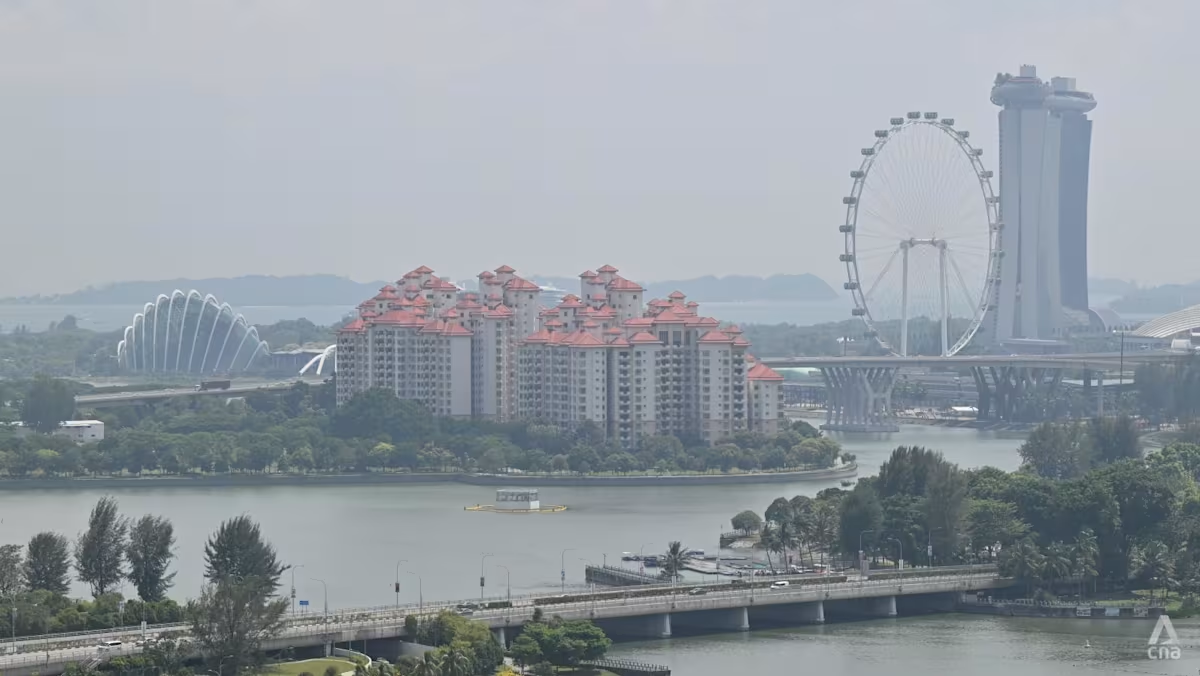
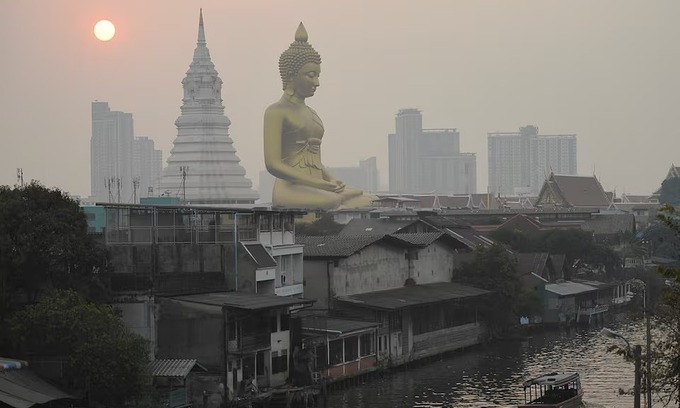
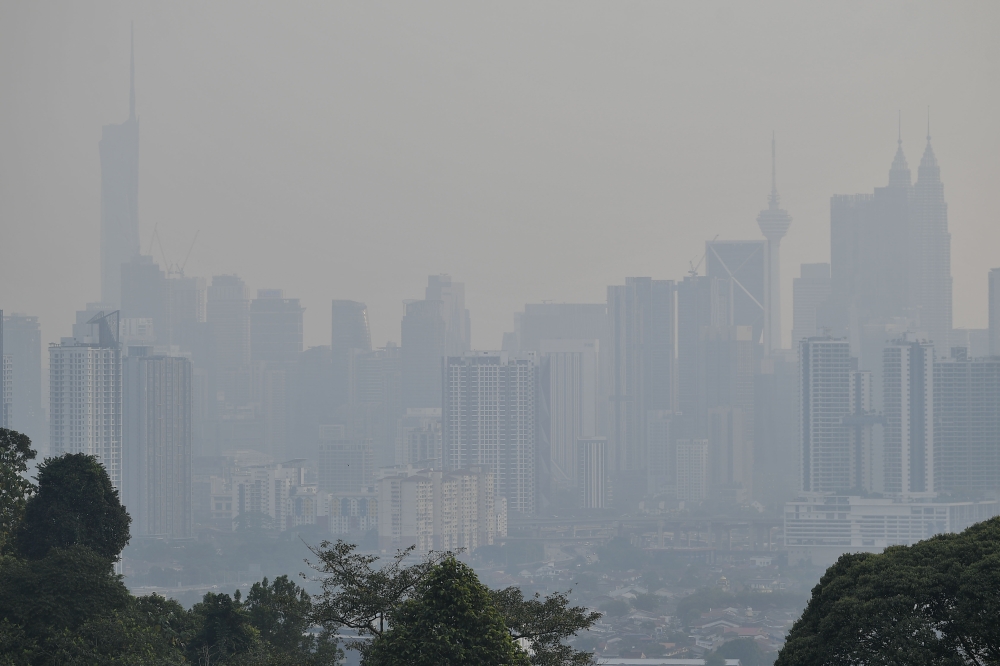
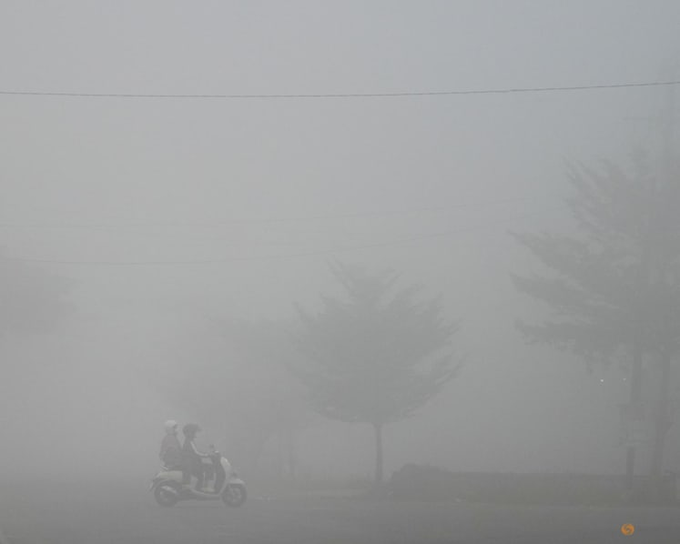
PEKANBARU, Indonesia: As warnings grow over the possible arrival of a “Godzilla” El Nino in Southeast Asia later this year, rising temperatures and intensifying drought conditions are once again increasing fire risk across the region’s vast carbon-rich peatlands.In Indonesia alone, more than 32,600 hectares had already burned by Feb 2026, around 20 times higher than during the same period last year, even though the dry season had not yet fully begun.Yet, climate is only the accelerant, while the deeper causes remain political and economic. Dry weather alone does not automatically produce catastrophic fires, because fires reach this scale after landscapes have been systematically drained, degraded, and converted over many years. At the same time, fire remains embedded in land-clearing practices across plantation frontiers, repeating a pattern that has persisted for decades.As a result, the annual haze blanketing Indonesia, Malaysia, and Singapore is not simply a weather event intensified by global warming, but rather the visible outcome of political and economic choices. When the crisis is framed primarily through the lens of climate change, it risks transforming a preventable governance failure into something that appears natural, inevitable, and beyond human control.