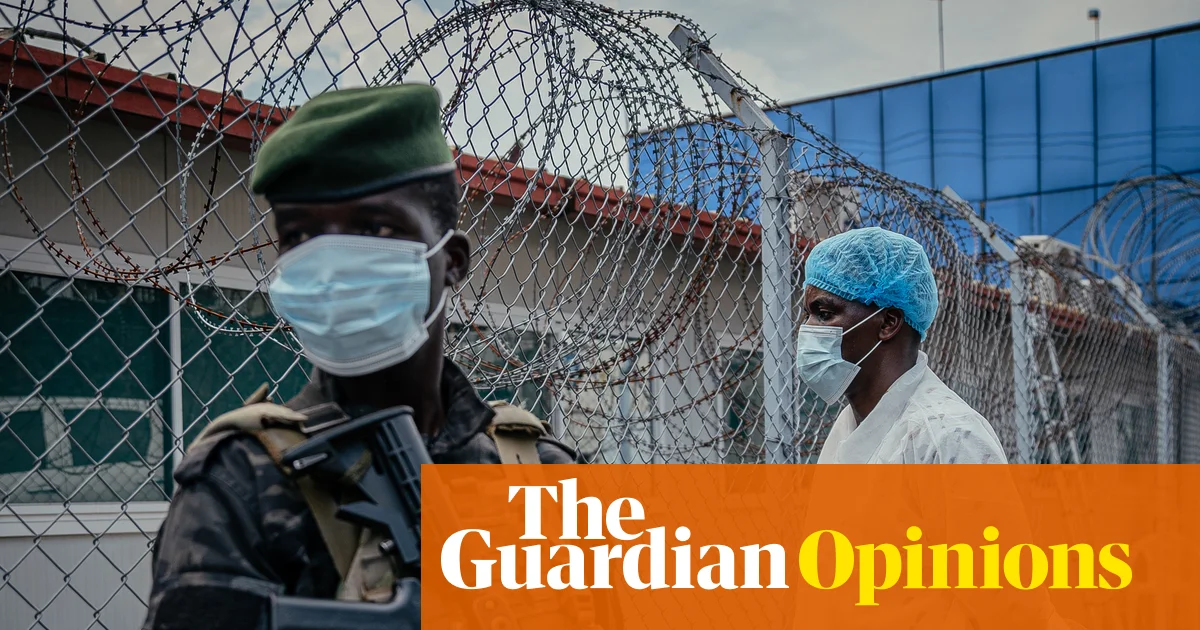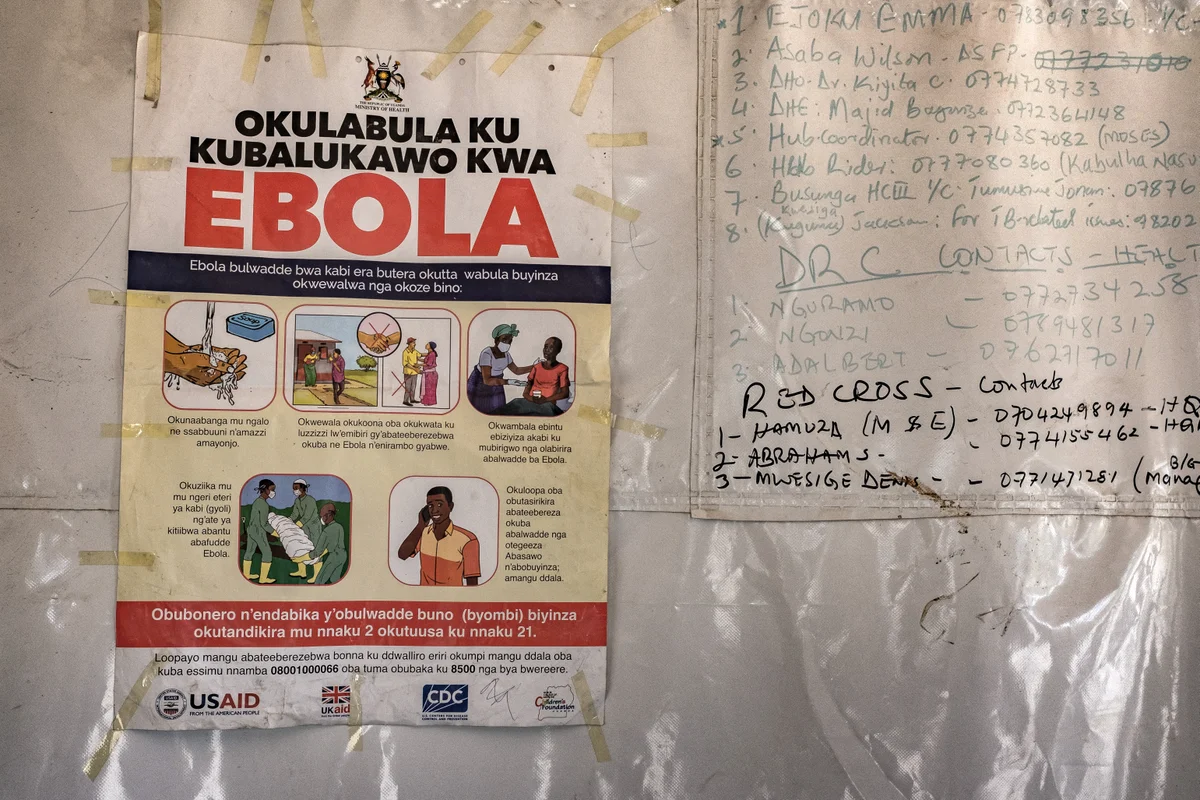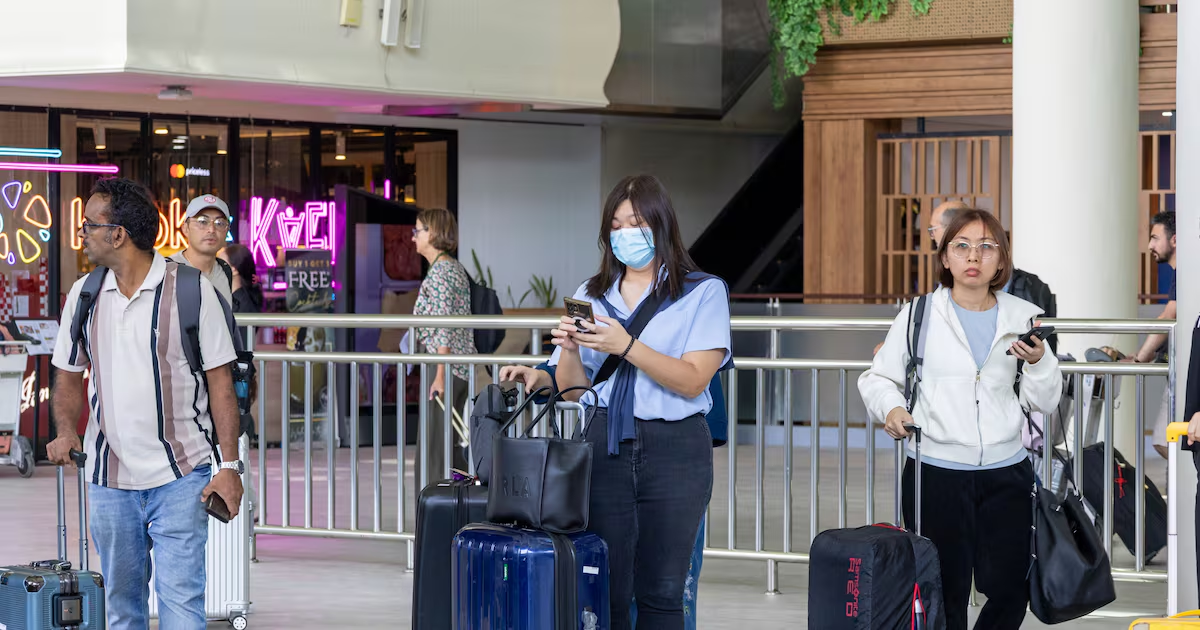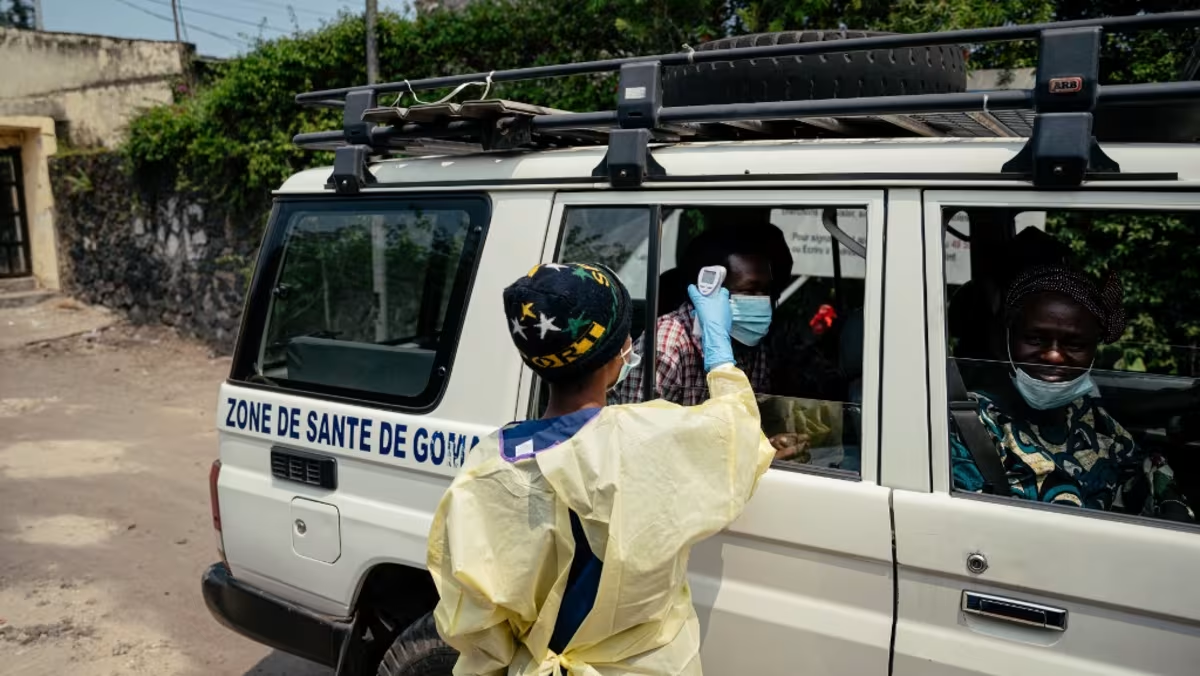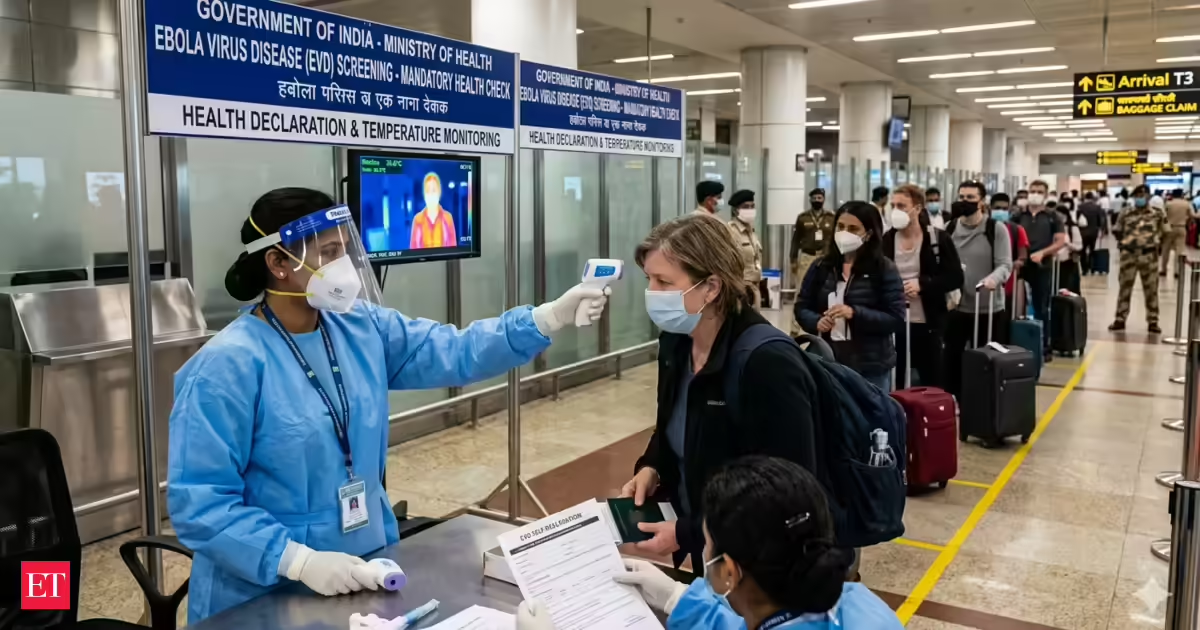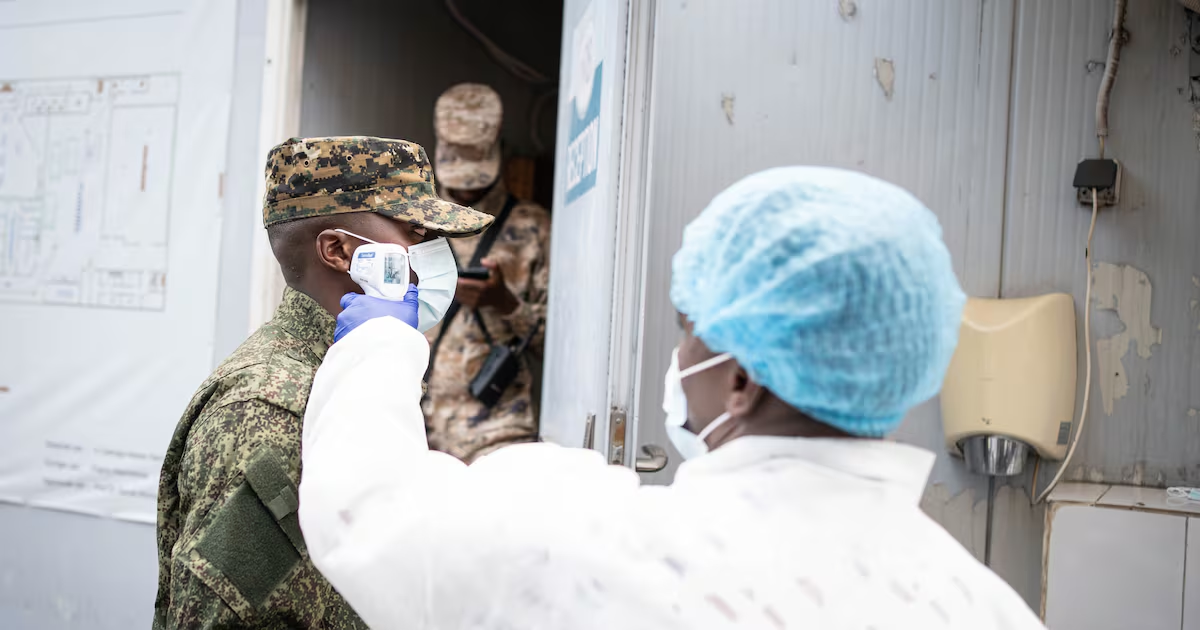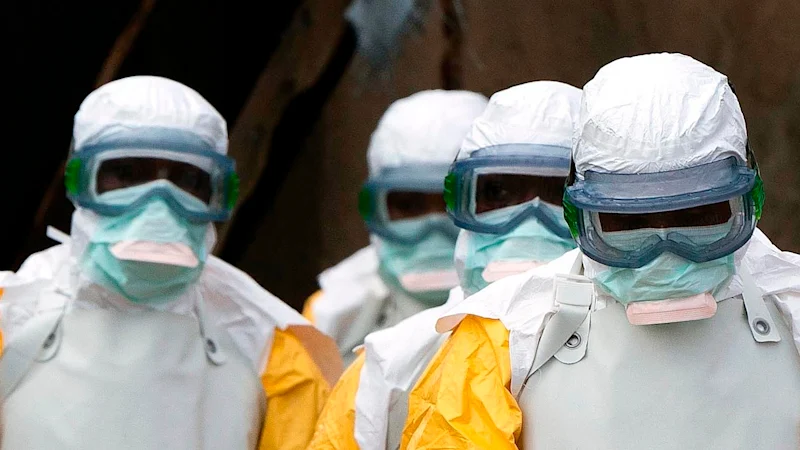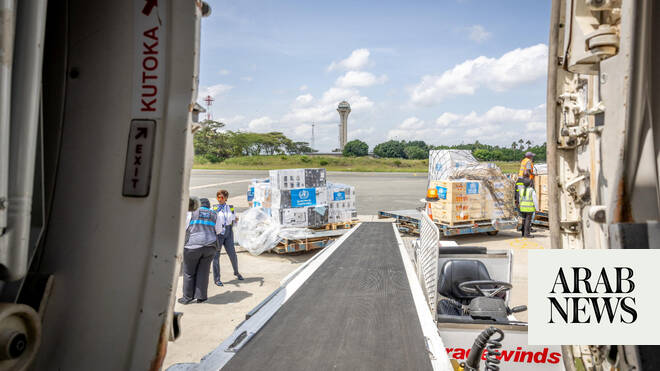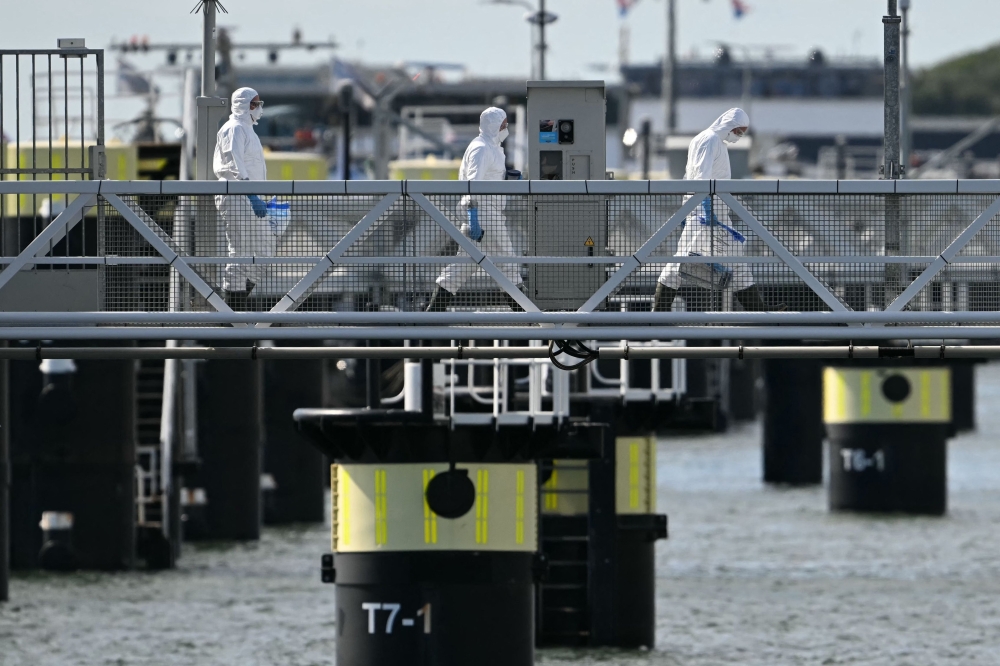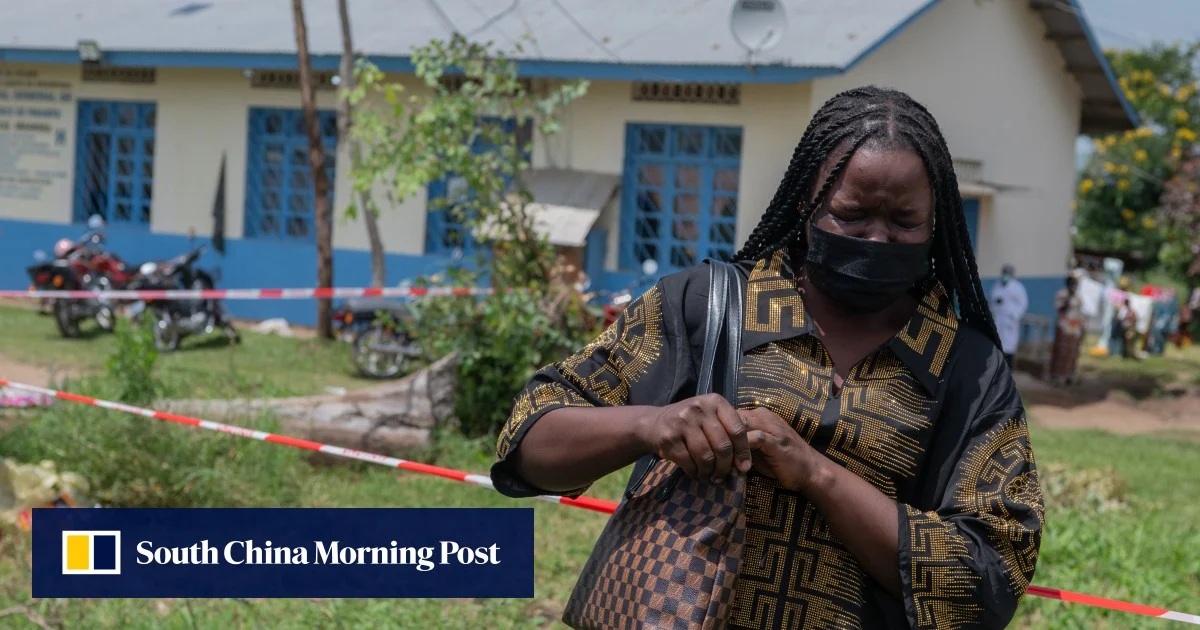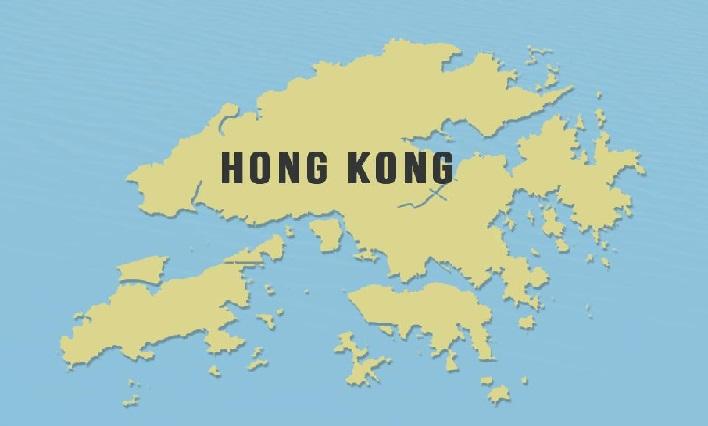
The recent hantavirus outbreak on a small cruise ship was a reminder of the hidden threats posed by deadly pathogens. Little did we know that at the same time, an outbreak of a strain of the highly fatal Ebola viral disease may have been circulating undetected for several weeks in northeastern Democratic Republic of Congo in central Africa. It is now reported to have killed at least 136, with hundreds of infections or suspected cases.Early detection of deadly viruses is difficult in regions where malaria, typhoid and other illnesses associated with fever are common, and health systems are stretched thin.After declaring the Ebola outbreak an international public health emergency – the second-highest level of global alert – World Health Organization chief Tedros Adhanom Ghebreyesus expressed deep concern about the scale and speed of the epidemic at the World Health Assembly in Geneva. No vaccine or therapeutic treatment exists for the Bundibugyo strain of the Ebola virus responsible for the latest outbreak of the haemorrhagic disease.The direct threat of an outbreak in Hong Kong remains low, but the authorities are still applying the lessons of previous pandemics and epidemics.The city has never had a case of Ebola, which has killed more than 15,000 people in Africa in the last half-century, and there are no direct flights between Hong Kong and the DR Congo or Uganda, which has reported at least two cases.That said, there are frequent business exchanges between some mainland Chinese cities and central Africa.
Editorial | Despite low risk of Ebola, Hong Kong is vigilant and prepared
City never had Ebola and has no direct flights to affected cities. Still, traveller screenings are stepped up and the quarantine bay readied.
245 words~1 min read