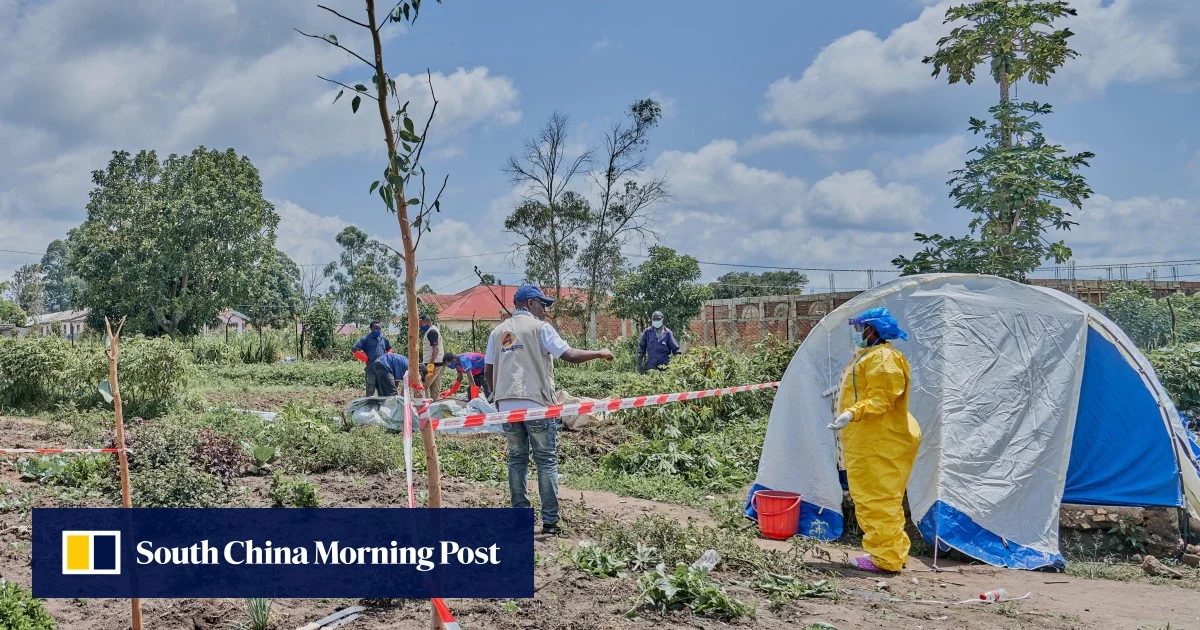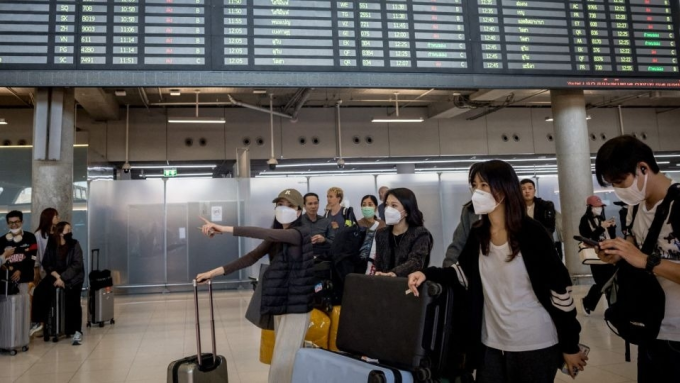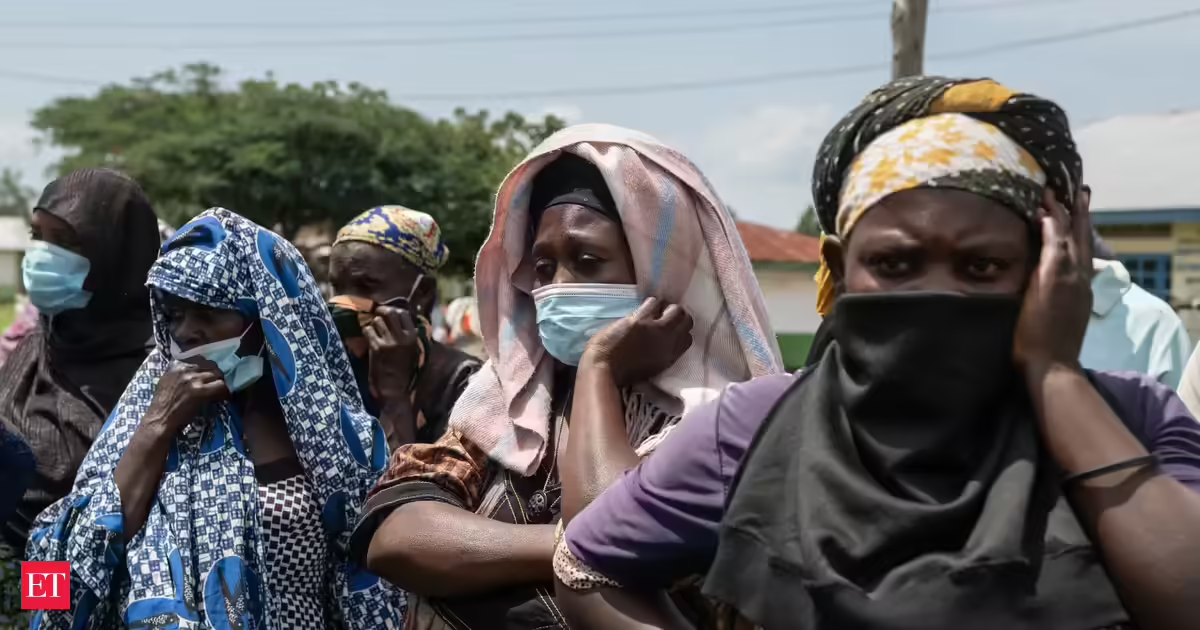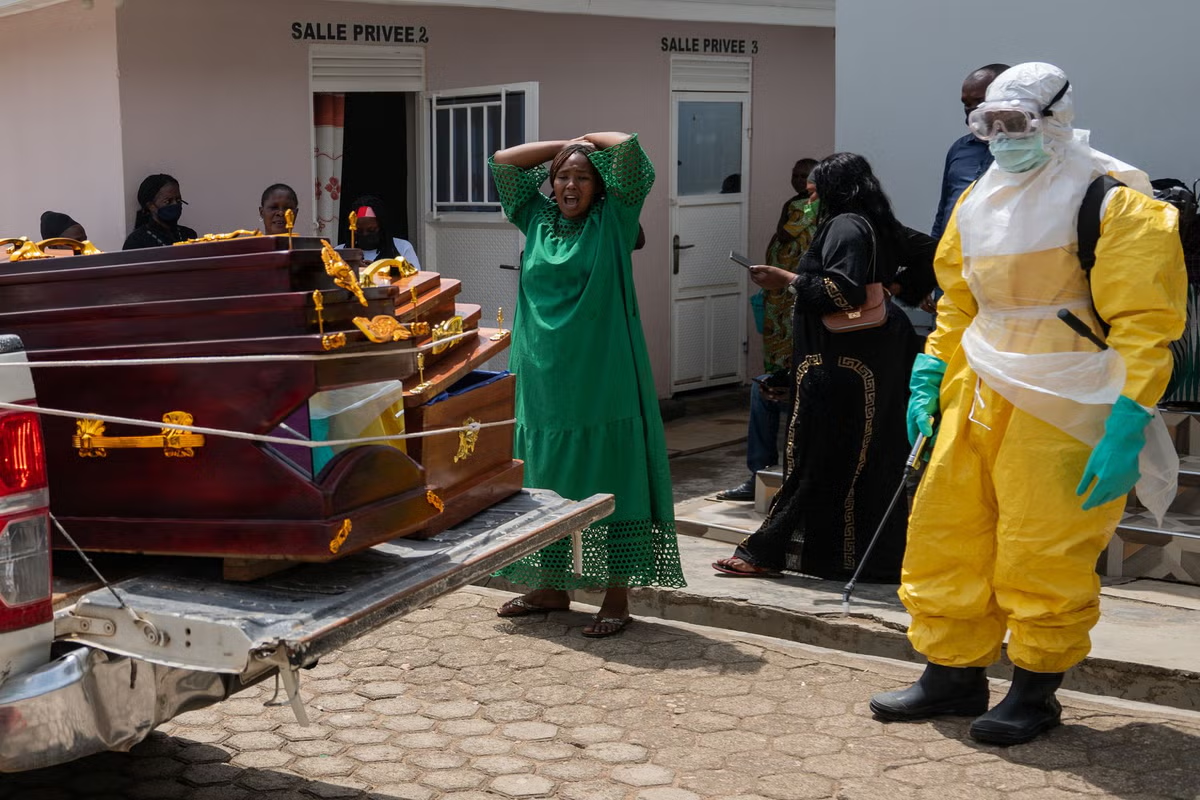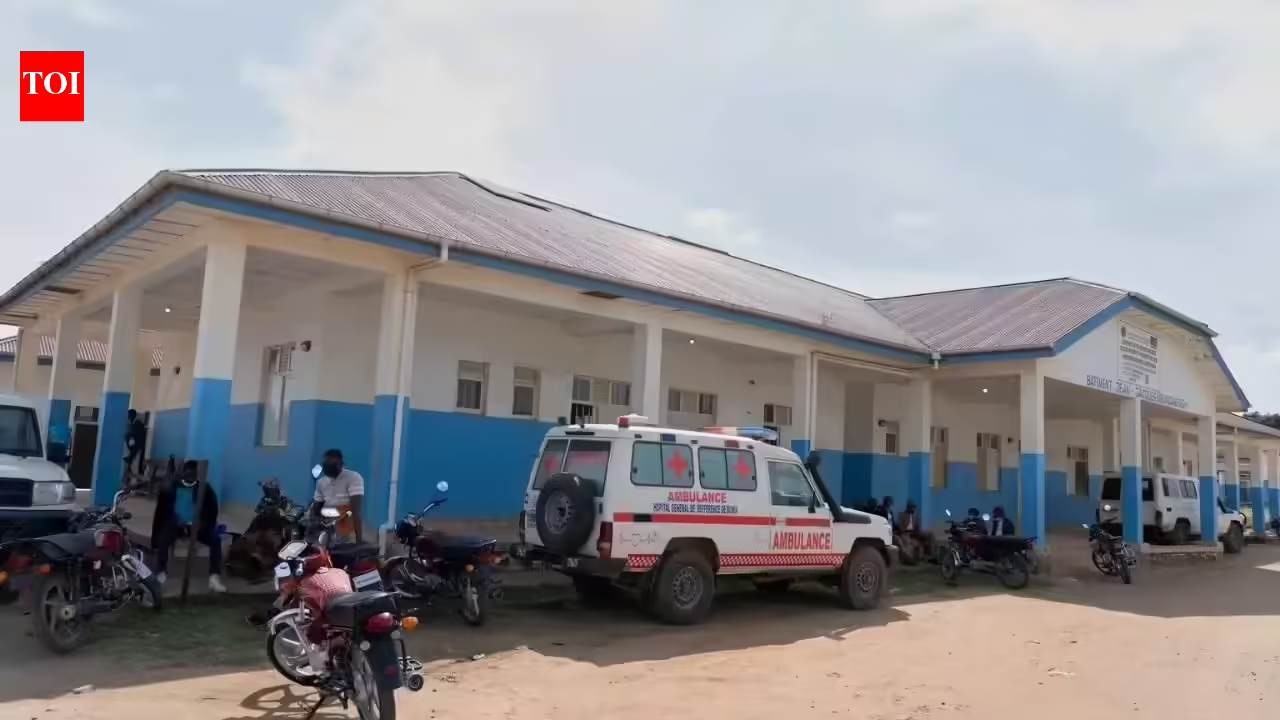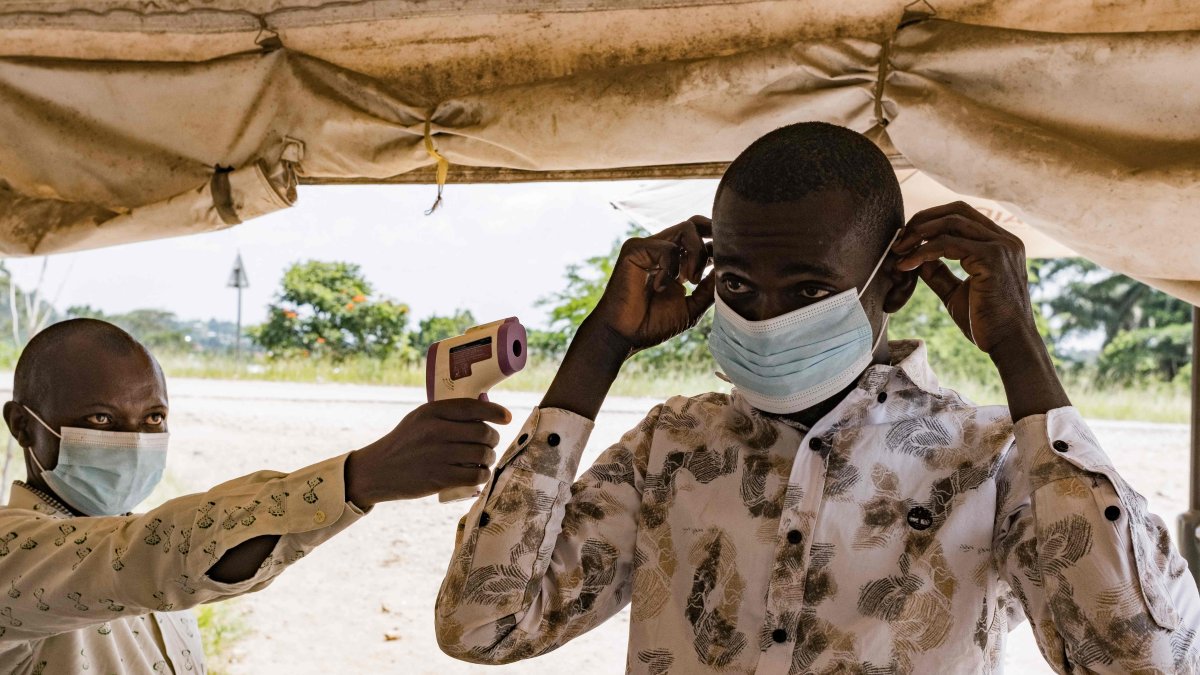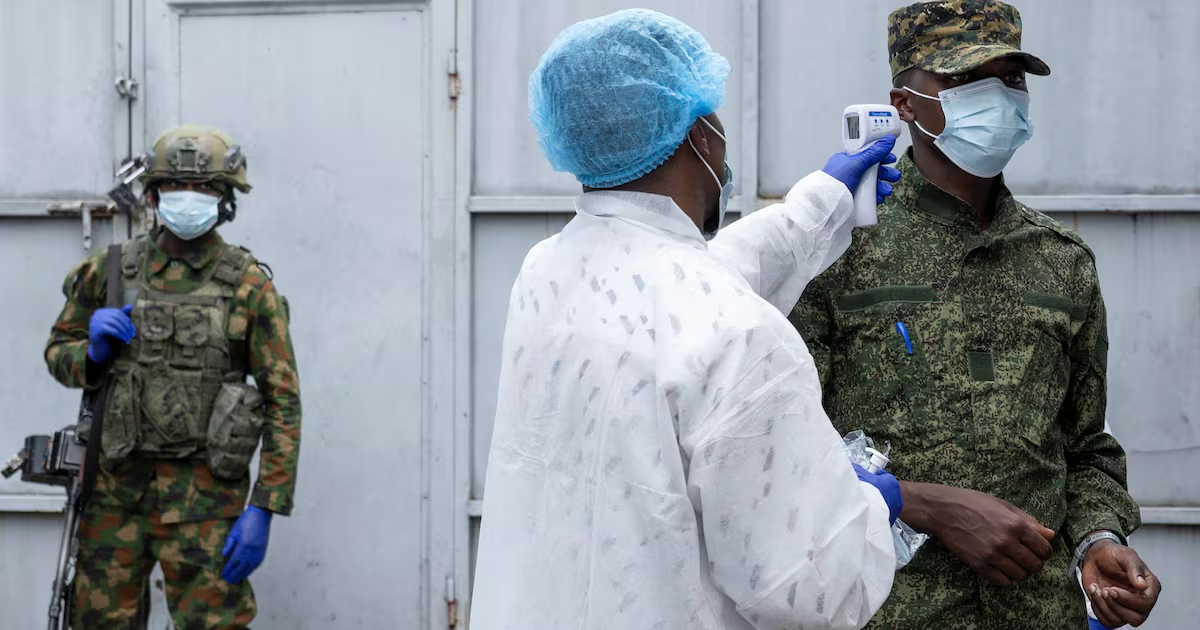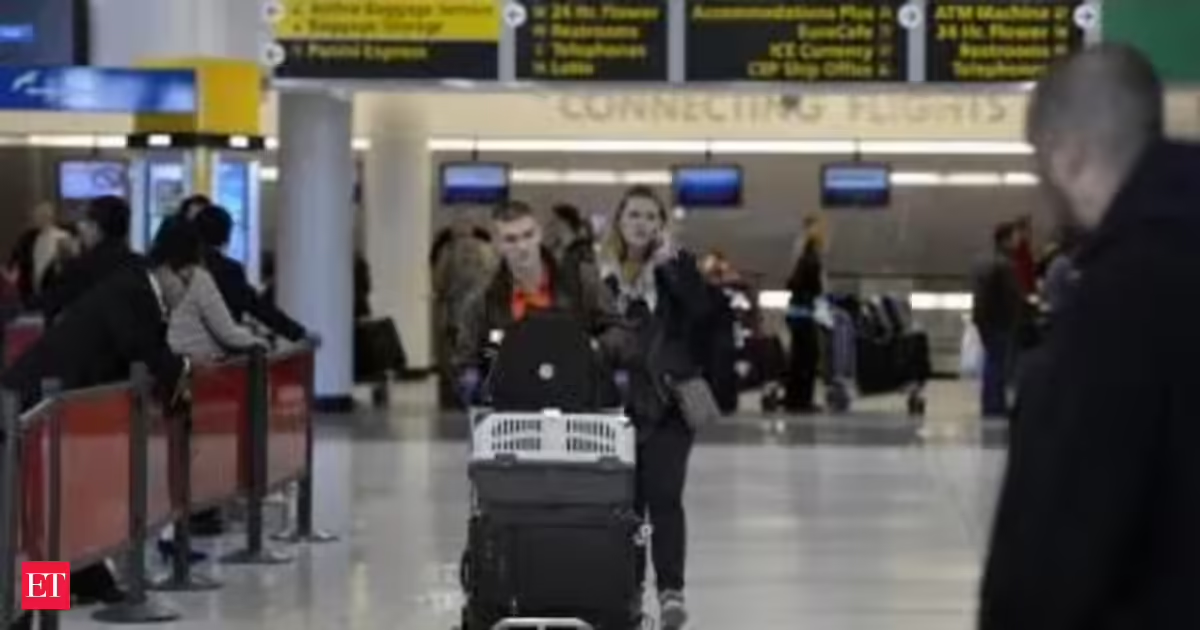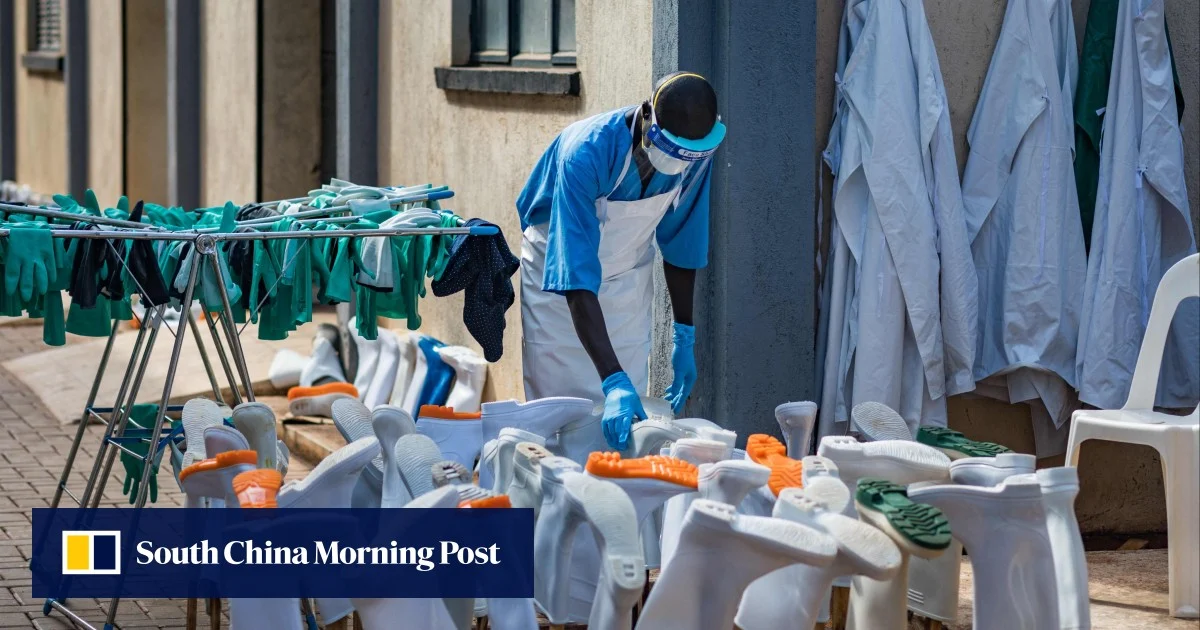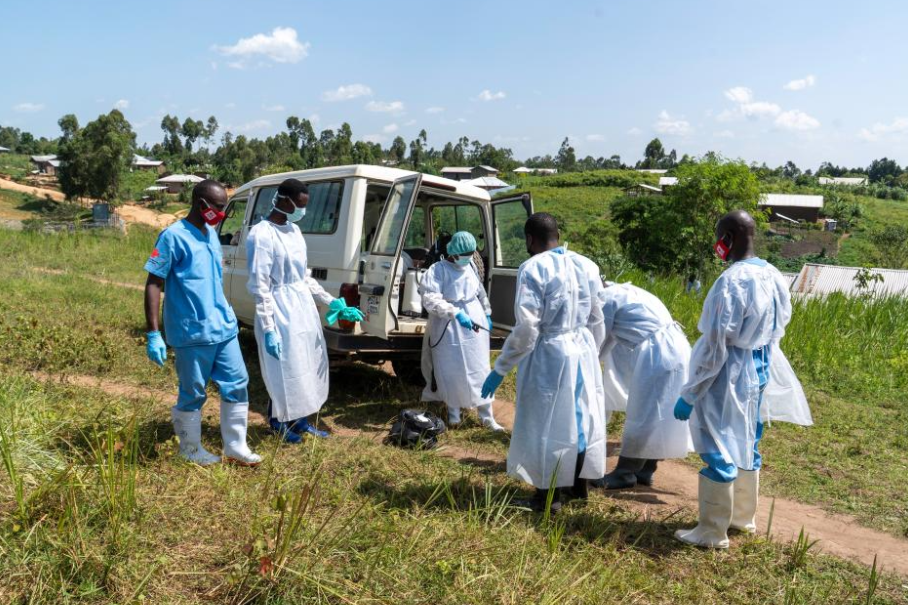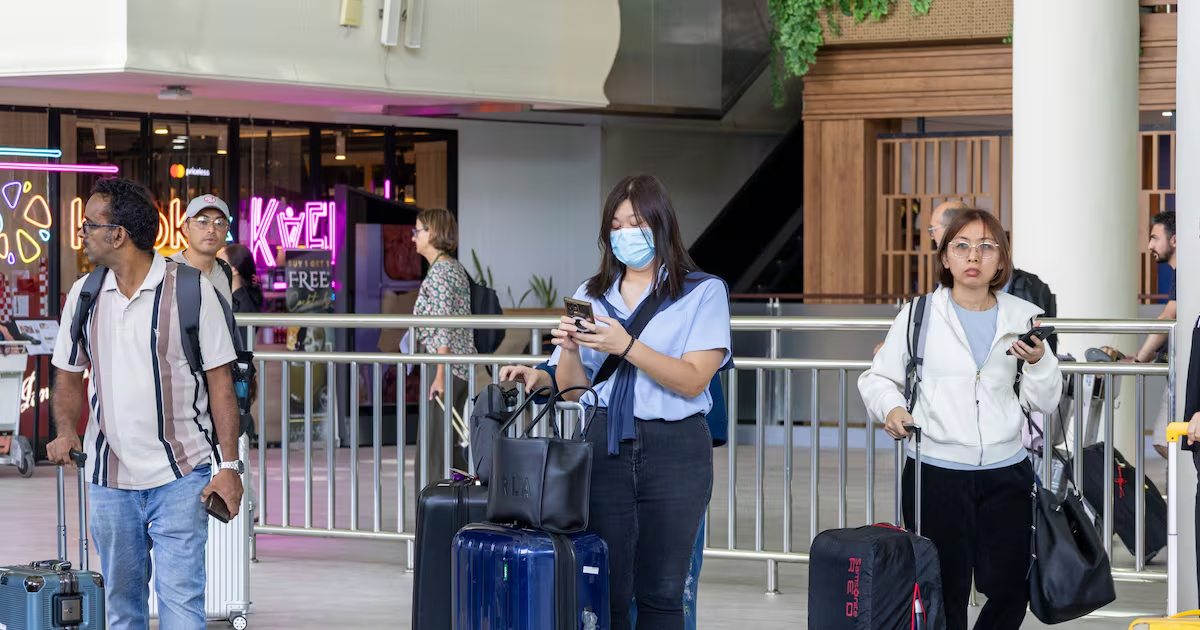
Governments across Asia are tightening border screening and quarantine preparedness as health authorities work to contain a growing Ebola outbreak in central Africa.Several governments have expanded screening and reporting requirements for travellers arriving from affected countries, though officials say the likelihood of local transmission remains low and no cases have been publicly confirmed in Asia.In Hong Kong, a Lantau Island isolation facility used for quarantine during the Covid-19 pandemic has been inspected to ensure it is ready for use should a laboratory-confirmed case of Ebola be detected.As of May 18th, people arriving in mainland China from the affected regions who have been in contact with a known Ebola case, or are showing symptoms like a fever or nausea, will need to declare themselves to authorities.The African continent has been one of the world’s fastest-growing regions for tourism in recent years. About 680,000 Chinese travellers went to Africa in 2025, according to Subramania Bhatt, head of travel analytics firm China Trading Desk.[ WHO declares global health emergency over Ebola outbreakOpens in new window ]The group estimates that number could rise to 820,000 to 840,000 this year, with much of the flow concentrated in countries such as Egypt, Kenya and South Africa.Early surveillance and testing failed to identify the rare species of Ebola responsible for the current outbreak Africa also hosted more than 90,000 Chinese workers as of 2024, many employed on construction contracts under the so-called Belt and Road Initiative. The Ebola outbreak spreading in central Africa probably started months ago, and it will take several months before a shot is ready for human tests, World Health Organisation (WHO) officials said on Wednesday.The rare Bundibugyo strain that is fuelling the contagion has no approved treatment and no vaccine. The most promising experimental shot will take six to nine months to be available for clinical trials, the agency said at a meeting on Wednesday.The virus is believed to have circulated for “a couple months” before being identified on May 15th, according to Anaïs Legand, the WHO’s technical lead for viral haemorrhagic fevers, which has complicated efforts to contain the outbreak.WHO director general Tedros Adhanom Ghebreyesus. Photograph: Salvatore Di Nolfi/AP The WHO has tallied almost 600 suspected cases and 139 deaths linked to the outbreak in the Democratic Republic of the Congo and Uganda.“We expect the numbers to keep increasing given the amount of time the virus was circulating before the outbreak was detected,” the WHO director-general Tedros Adhanom Ghebreyesus said. Tedros has warned of the danger posed by the “scale and speed” of the outbreak so far.The actual number of cases may exceed 800, according to an analysis by researchers at Imperial College London and the WHO and could be as high as 1,000 in a worst-case scenario.A WHO technical advisory group met on Tuesday to discuss which potential vaccines should be prioritised. Two vaccines for Ebola were developed during a years-long outbreak in West Africa a decade ago, one from Merck & Co, and another from Johnson & Johnson. However, both were designed to block the more common and deadly Zaire strain of the virus.Staff in protective gowns distribute facemaskes in Goma, North Kivu, Democratic Republic of the Congo. Photograph: EPA “We’re back to where we were in 2014 to 2016 with no specific treatment and no specific vaccine,” said Joanne Liu, a professor at McGill University’s School of Population and Global Health. Liu, former president of MSF, helped lead the response to the West Africa outbreak.With so little in health authorities’ toolboxes, it might make sense to offer one of the existing vaccines to health workers, she said. There is some evidence from a study in monkeys that the Merck shot, while not designed around the Bundibugyo strain, might provide at least some degree of protection, she said. - Bloomberg
Asian countries tighten borders as health authorities work to contain Ebola outbreak
Outbreak linked to 139 deaths probably started months ago and spread undetected, say officials
630 words~3 min read