Jensen Huang, CEO of the company that essentially sells the shovels in every AI gold rush, is making a bold claim: agentic AI has graduated from tech demos to actual, revenue-generating work. The technology, which allows AI systems to autonomously plan, reason, and execute tasks without constant human hand-holding, is now spreading across industries at a pace that should make investors and builders pay attention.
Huang’s assertion is straightforward. Every piece of software will, in the near future, incorporate agentic capabilities. That’s not a gentle prediction. It’s a declaration that the entire software industry is about to be restructured around AI agents that can do things, not just suggest things.
What agentic AI actually means
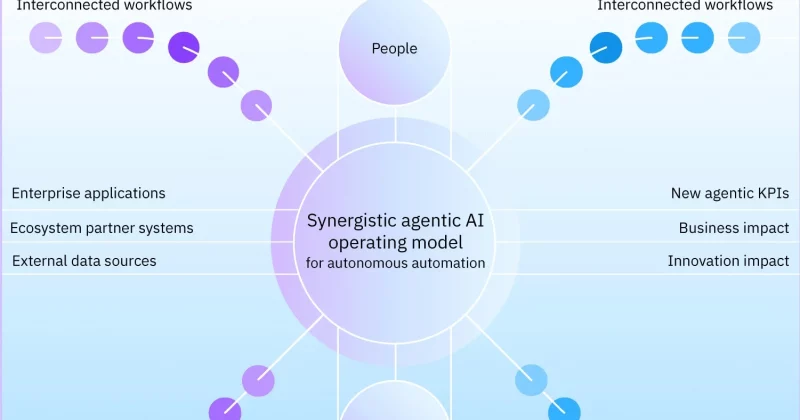
Think of traditional AI as a very smart intern who can answer questions but needs to be told exactly what to do next. Agentic AI is more like a junior employee who can take a goal, break it into steps, use various tools, make decisions along the way, and deliver a finished result. In technical terms, these are AI systems capable of multi-step decision-making, tool usage, and autonomous execution.
The distinction matters enormously. A chatbot that summarizes your emails is useful. An AI agent that reads your emails, identifies action items, schedules meetings, drafts responses, and flags conflicts in your calendar is a different category of product entirely. That’s the shift Huang is describing.