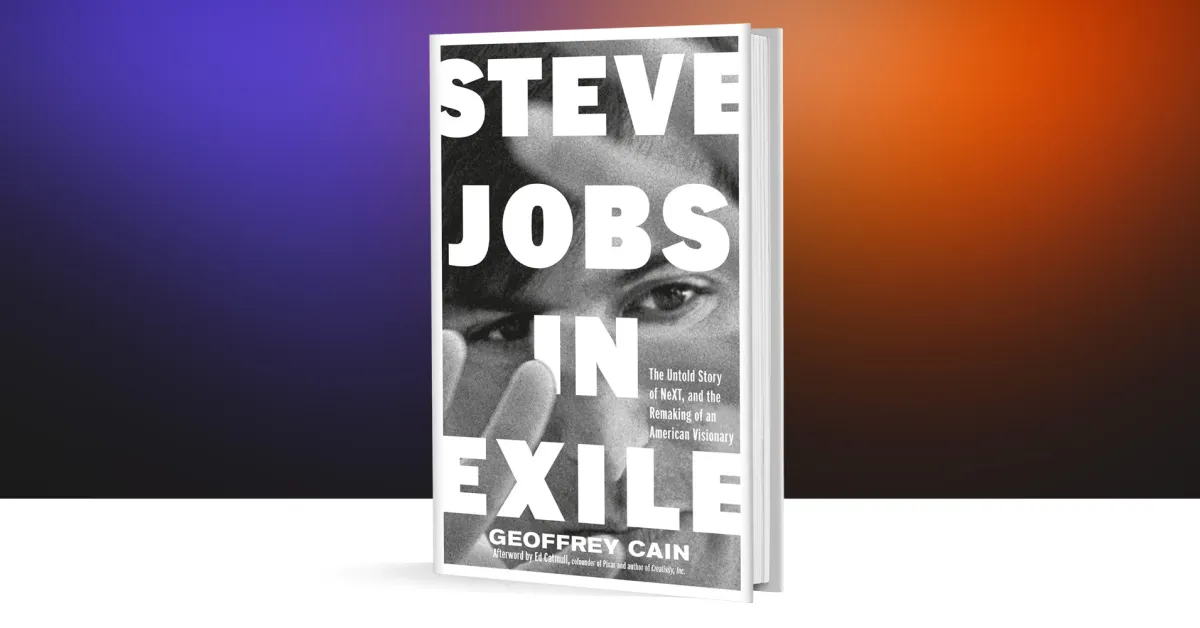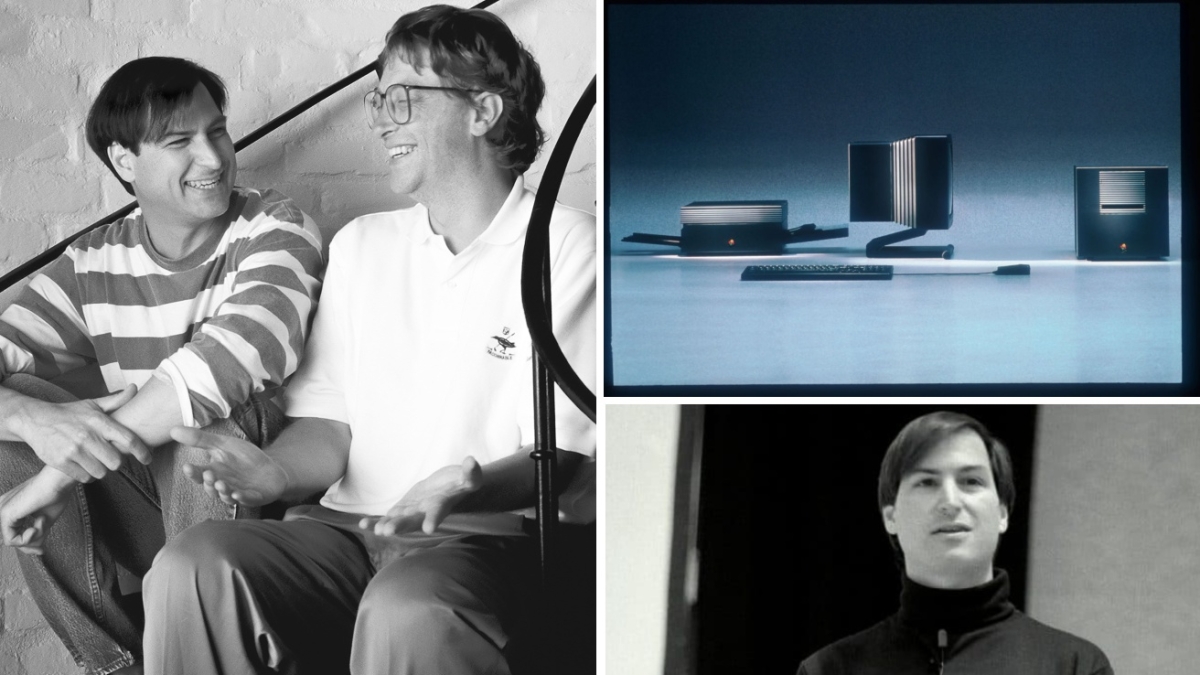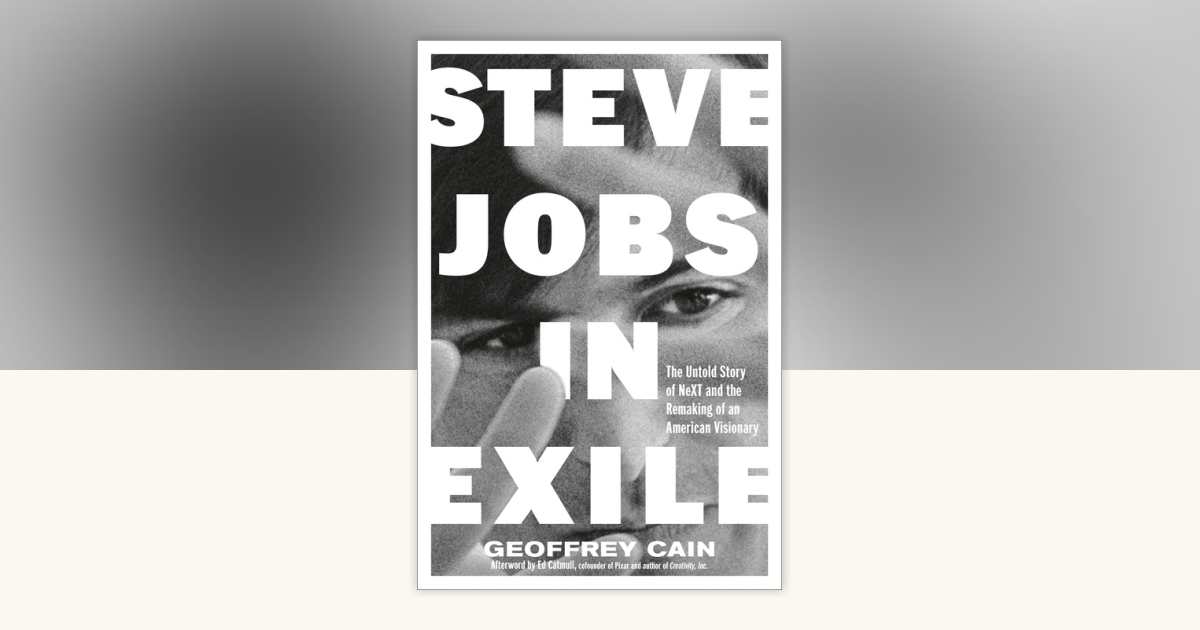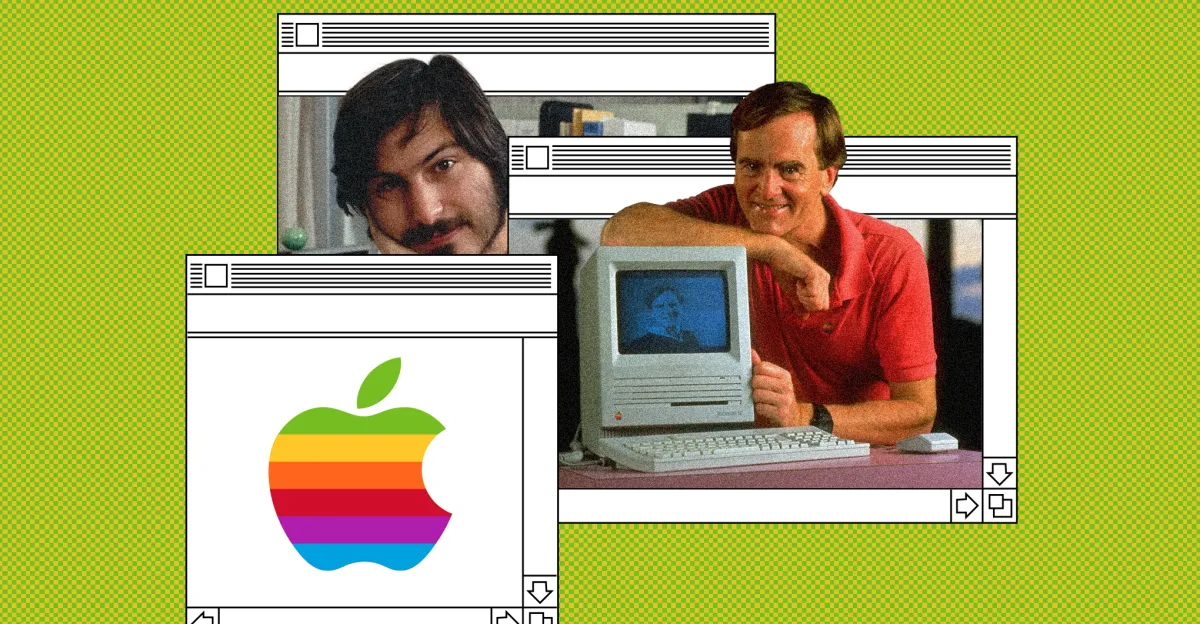
I recently got to read an advance copy of Geoffrey Cain’s new book, “Steve Jobs In Exile: The Untold Story of NeXT and the Remaking of an American Visionary,” which was published this week. It’s a surprising and sometimes gruesome (in a businessy way) story that does not show off the famous man at the center of the story as much as depict all the ways he failed in what turned out to be preparation for his career-defining role as Apple CEO. (I also got to interview Cain about the book this week on Upgrade.)
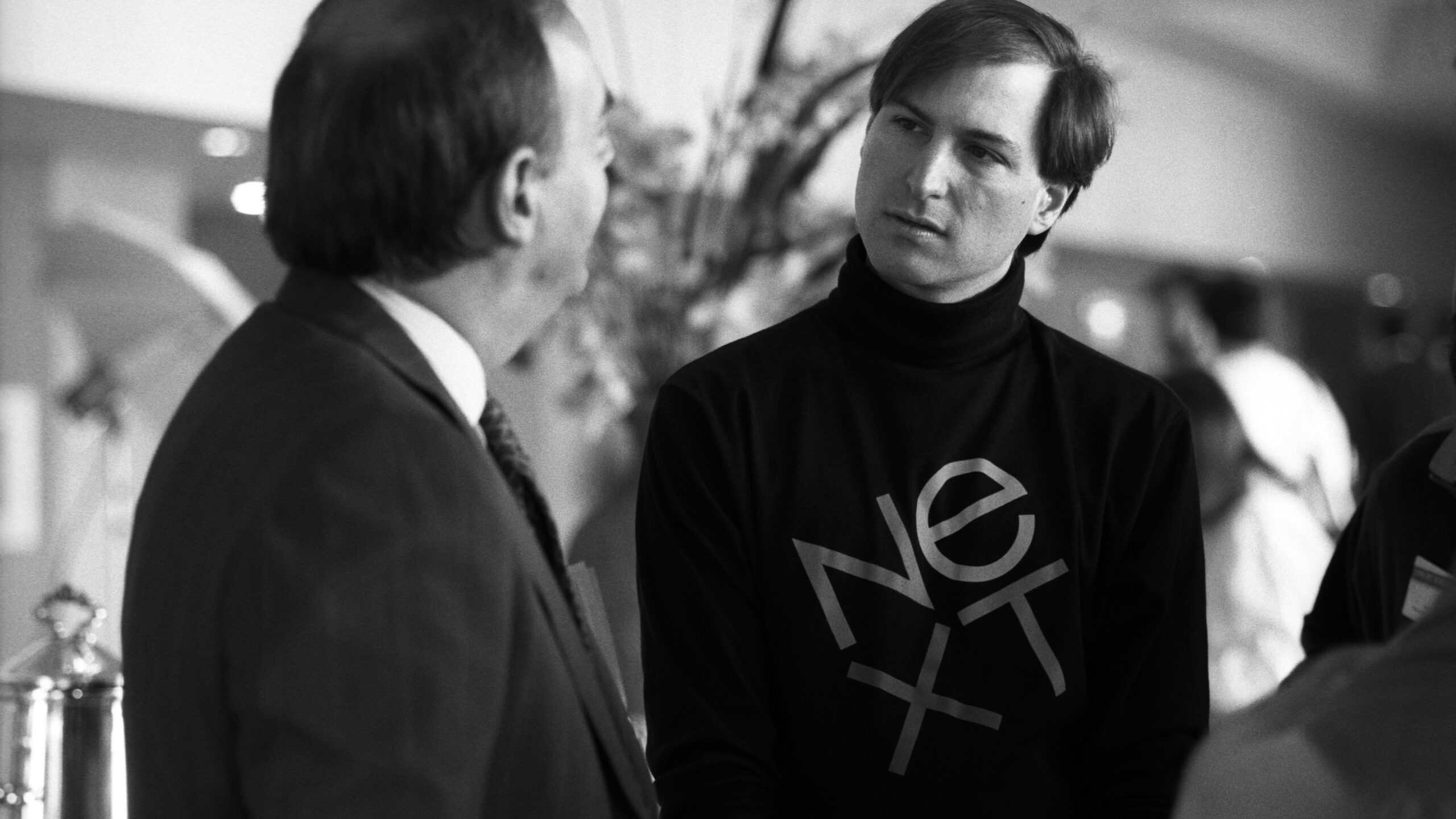
Contrary to popular opinion, Jobs did not get fired from Apple—he got parked in a useless role until he quit out of frustration, as Cain recounts. Jobs was motivated to start NeXT Computer for two reasons: He saw a potential market for a high-end workstation in education and industry, and he knew that this was a market Apple wasn’t especially interested in, so he could avoid expensive and distracting lawsuits with the company he was being pushed out of. (That didn’t work.)
As depicted in the book, the same cycle seems to repeat again and again. Out of the gate, Jobs decides what his new company will focus on by cannily identifying a potential market—the demand for “3M” machines, workstations with a megabyte of memory, a million-pixel display, and a processor capable of handling a million instructions per second. Scientists and researchers, Cain recounts, said they would buy them in large numbers—assuming they cost no more than about $10,000 each.