Hydroxychloroquine (HCQ) is the backbone of therapy for most patients with systemic lupus erythematosus, but patient adherence is often suboptimal.This trial tested a brief intervention called HCQ-SAFE in which patients were presented with pictograms illustrating the quantitative benefits and risks associated with HCQ, hypothesized to improve adherence by reducing "decisional conflict."Adherence rates increased substantially in the 3 months following delivery of HCQ-SAFE and average disease activity decreased, but longer-term follow-up is needed.
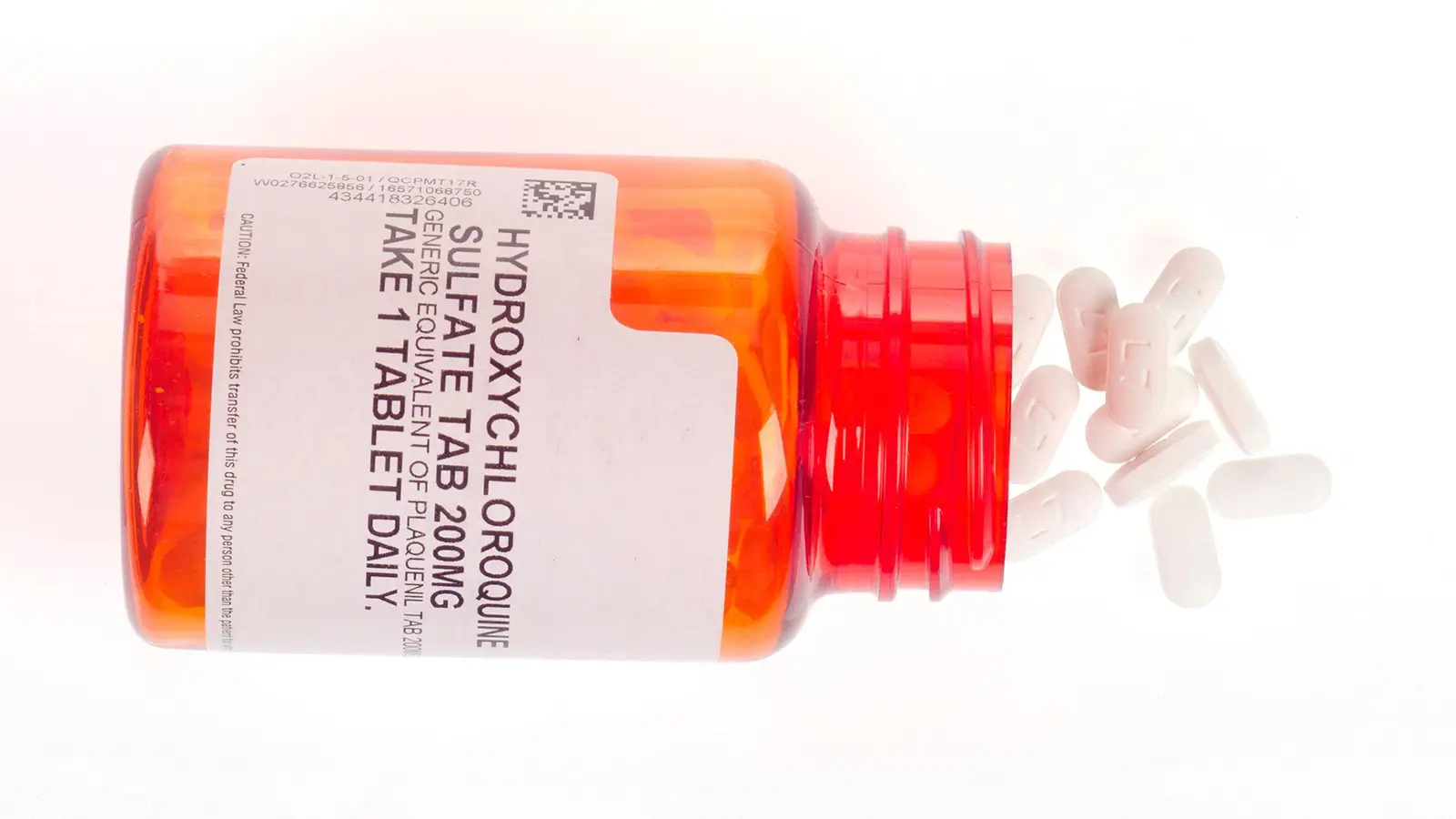
Showing lupus patients in pictures exactly how much benefit hydroxychloroquine (HCQ) is likely to provide, as well as the risks for side effects, raised adherence to their prescribed regimens in a prospective trial.
At baseline in the 200-patient study, 62% were rated as adherent to their HCQ dosing schedule (defined as taking their prescribed doses for at least 80% of days). Three months after receiving the brief pictogram-based education, called HCQ-SAFE, the figure had risen to 90% (P<0.0001), according to Shivani Garg, MD, PhD, of Yale University in New Haven, Connecticut, and colleagues.
Mean adherence (the percentage of days during which HCQ was taken as prescribed) increased from 73% at baseline to 91% after the intervention, the group reported in Arthritis & Rheumatology.