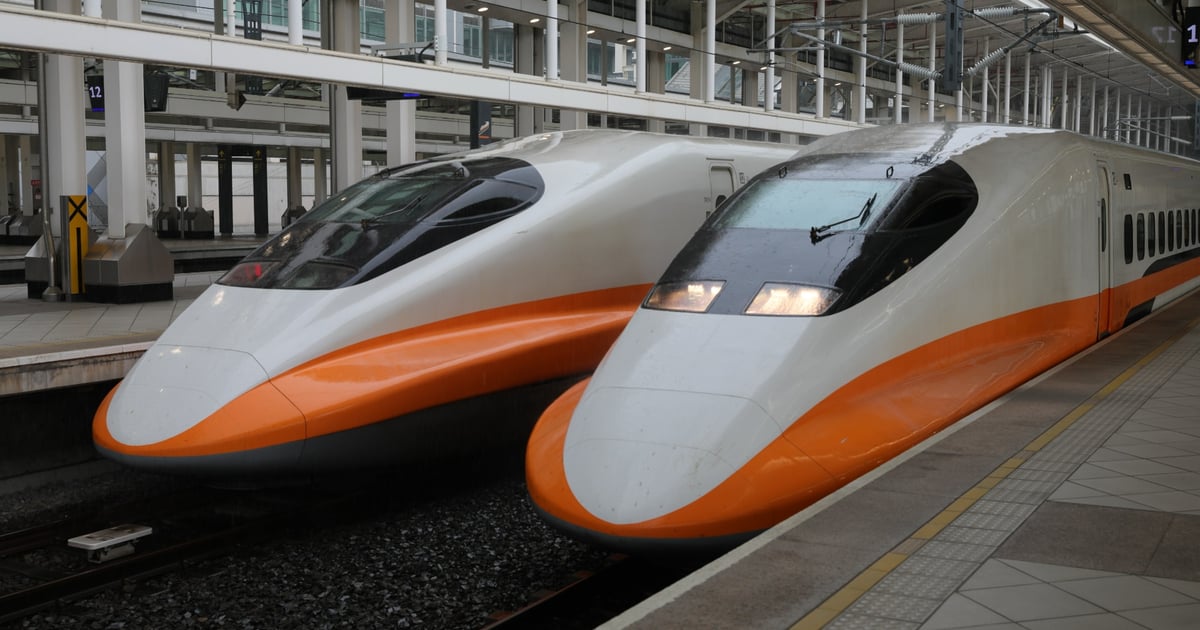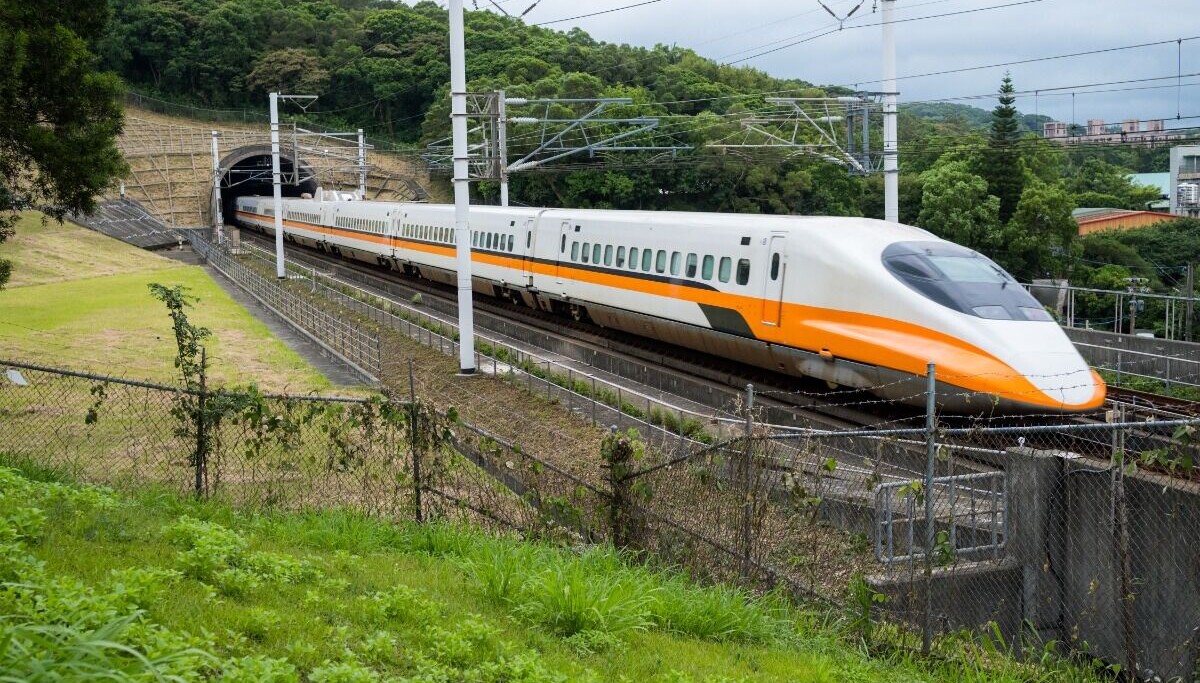
OPINION There are three little words to make the heart beat faster in anyone who knows what they mean: critical infrastructure resilience. If you run that infrastructure or a country dependent on it, you need energy, communication and transport to be impregnable to cyber attacks. This is doubly so if that country is five minutes by incoming missile from an implacable hyper-competent enemy sworn to invade you. One that is building and equipping its military as fast as it can with this one thing in mind. One with the most invasive and brazen state hacking machinery on the planet. Thus it was a very bad day indeed when Taiwan’s entire bullet train system was disabled for nearly an hour by an unknown attacker. It got even worse when that attacker turned out not to be the implacable and hyper-resourced state actor over the Taiwan Strait, but a university student with a yen for radio and some kit he bought online. On the one hand, it’s good to see the good repair of the grand tradition of young hackers causing havoc from their bedrooms. On the other, WTRF?
The information released by the Taiwanese authorities is scant on details, but enough to be pretty sure what actually happened. It’s bad news not just for Taiwan but for more than 100 countries that also use the TETRA two-way radio standard involved, often for emergency services. In many cases, it was the default replacement for unencrypted FM two-way radios, adding encryption, flexibility and network security. These were state of the art when TETRA was developed in the 1980s and 1990s — and work as well in 2026 as you might expect. Oops.