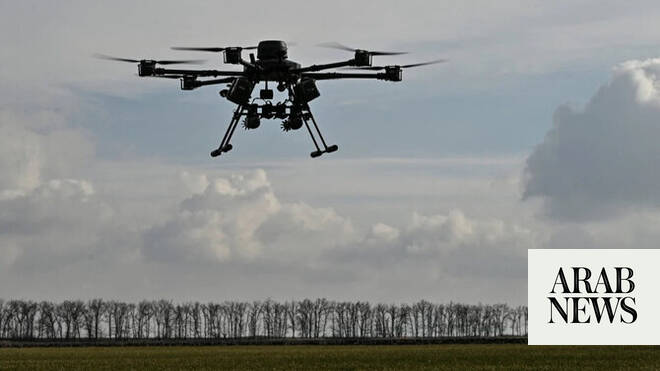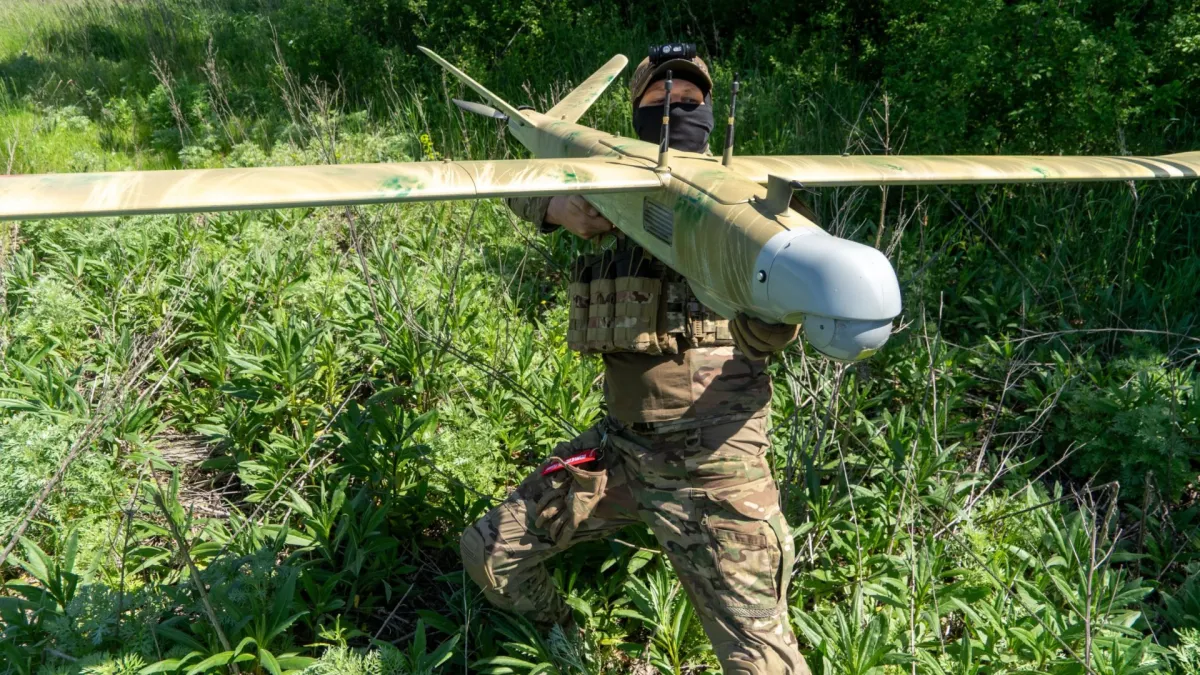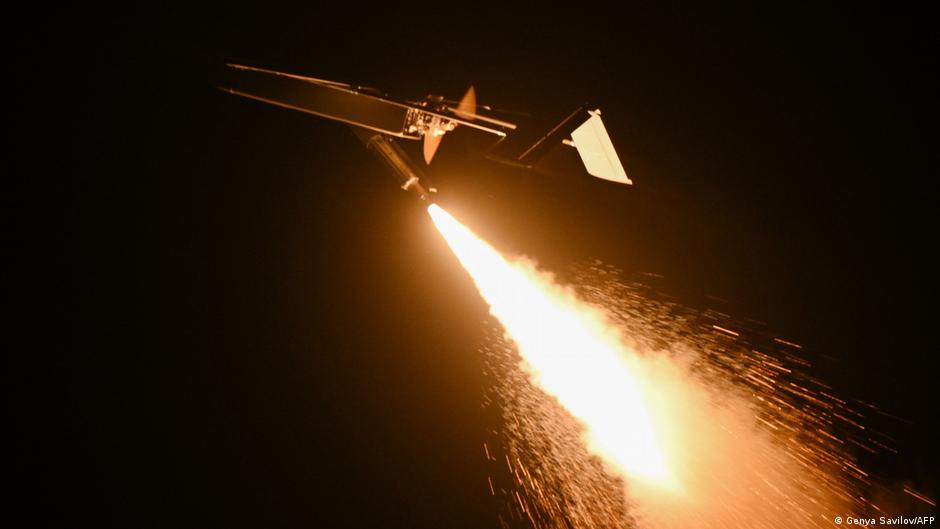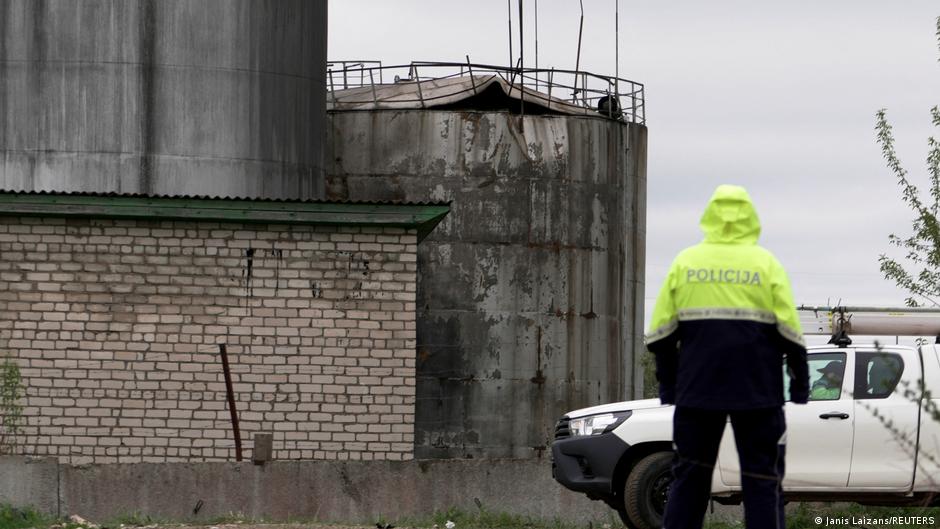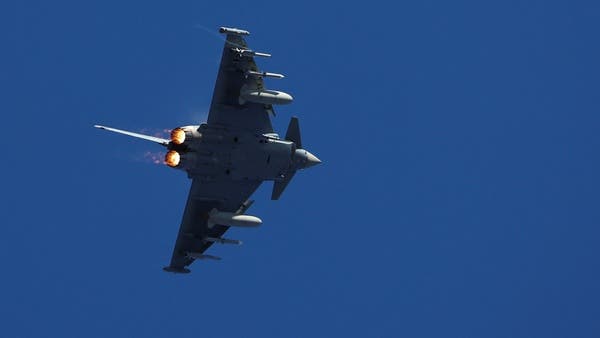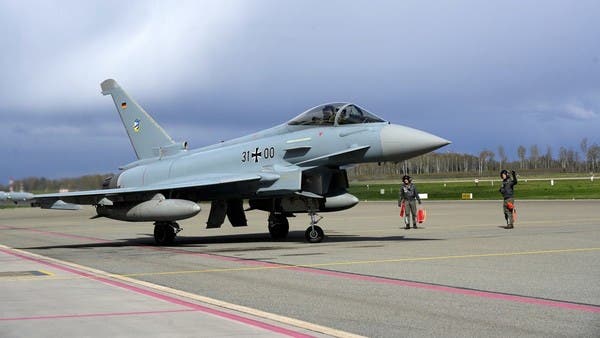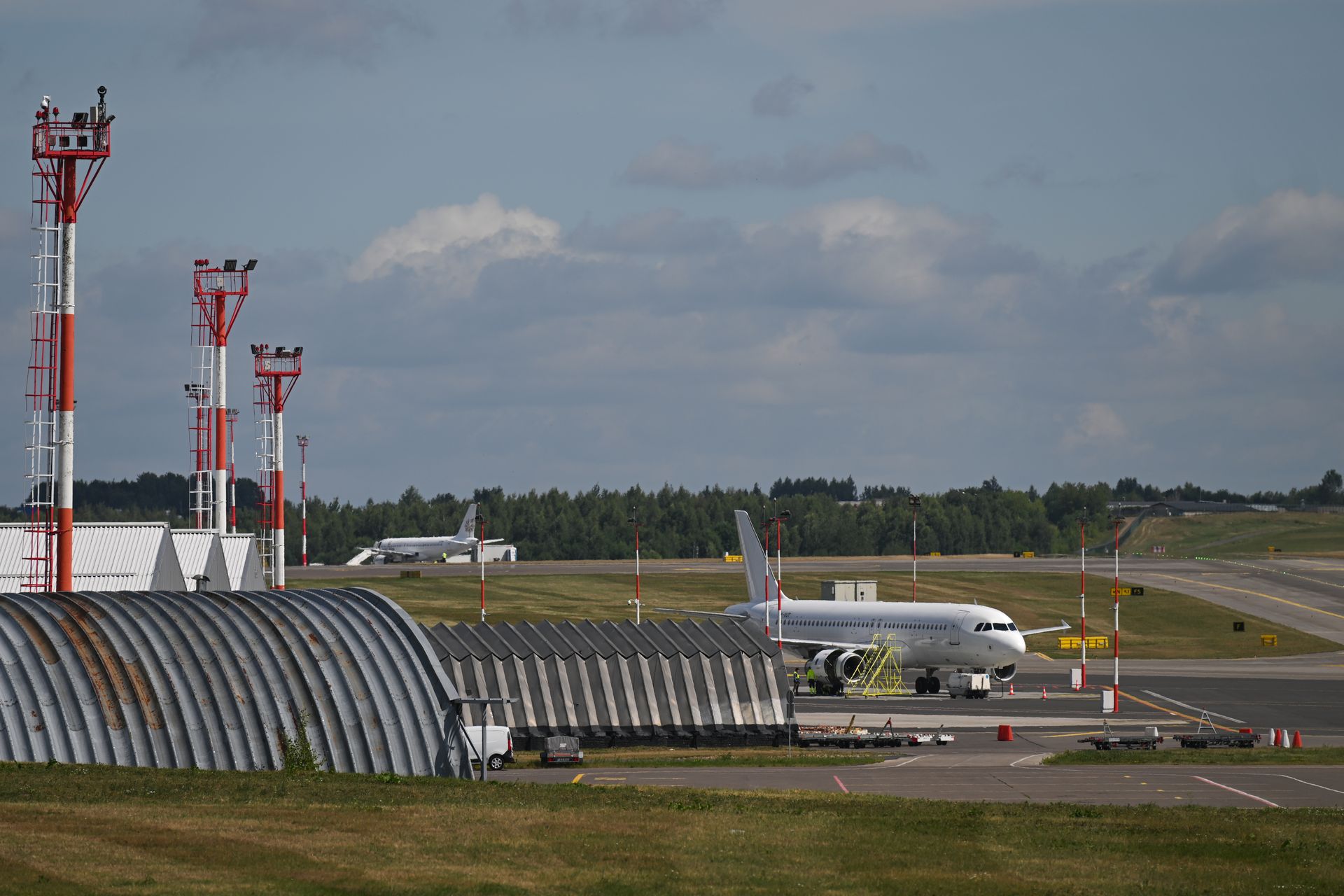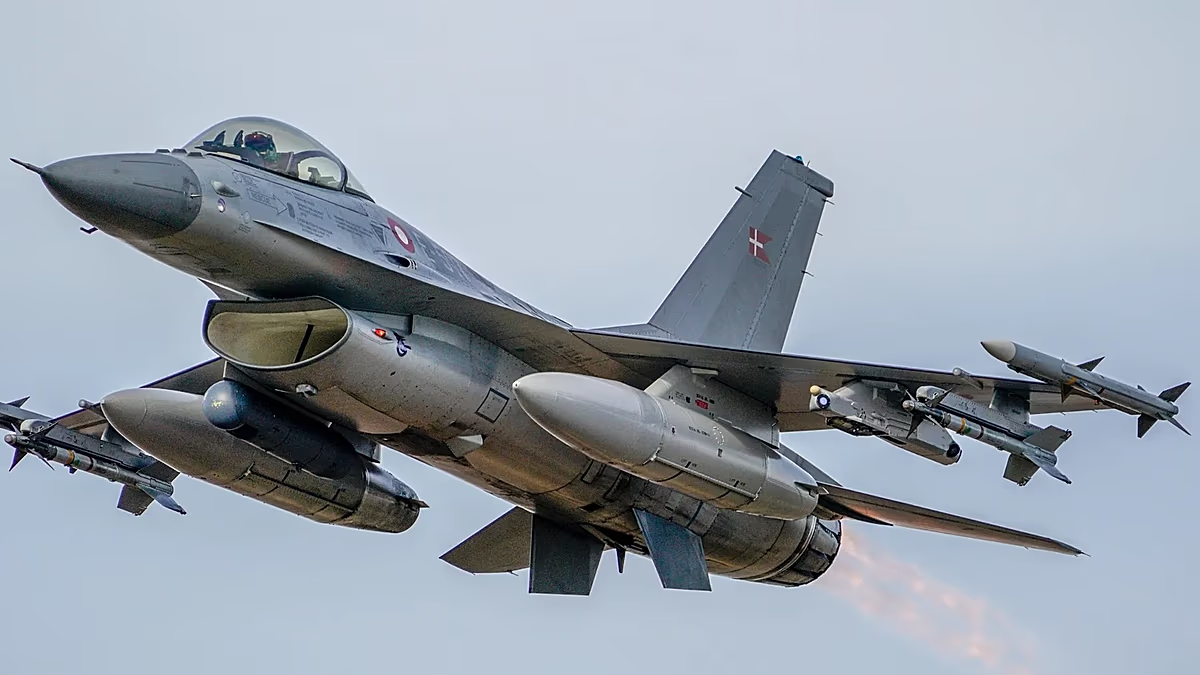
WASHINGTON—Yesterday, a Romanian F-16 deployed to NATO’s Baltic air policing mission shot down a drone over Estonia. Earlier today, Lithuanians in Vilnius rushed to take shelter after a drone incursion was detected. Since March, a series of drone overflights in Lithuania, Latvia, Estonia, and Finland has turned the Baltic region into a test case for how Russia seeks to exploit the secondary effects of Ukraine’s long-range drone campaign against its war economy.
Increasingly, the drones entering Baltic airspace appear to be Ukrainian drones redirected or disrupted by Russian electronic warfare as they fly toward targets inside Russia. Moscow now actively uses these cases to increase pressure against the Baltic states, aiming to redirect the political costs of Ukraine’s successful campaign away from itself and onto NATO’s eastern flank.
Russia’s pressure as a vulnerability deflection
That effort reflects a broader shift in the war: Russia’s vulnerabilities are becoming harder to hide as Ukraine increasingly imposes costs where Moscow feels them most—on the economic infrastructure that finances its aggression. Nowhere is this more evident than in Ukraine’s expanding campaign against Russia’s energy sector. Recent Ukrainian drone strikes have hit Russia’s refining base from Perm and Tuapse to Nizhny Novgorod, Kirishi, Saratov, Volgograd, and Ufa. Ukrainian strikes have also disrupted gas-processing and condensate facilities in Astrakhan and Ust-Luga; and they have targeted oil-pumping stations, export terminals, tankers, and shadow-fleet-linked maritime infrastructure on the Baltic and Black seas.