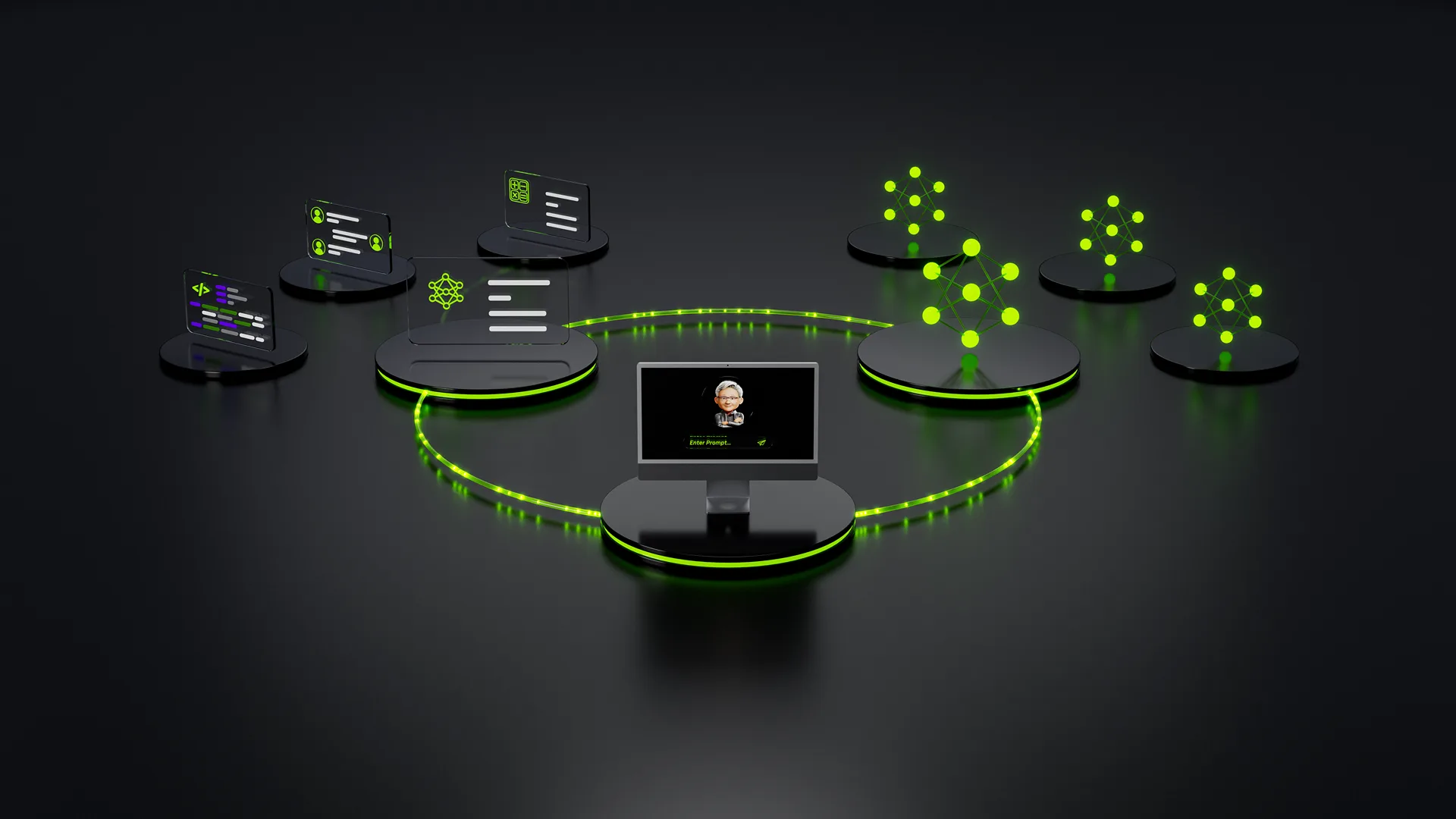
Autonomous AI agents are taking on all types of work for businesses: routing logistics fleets, triaging support tickets, generating code, and orchestrating multistep workflows. How do you take a general-purpose model and make it excel at your specific task? Customization provides an agent with the right capabilities.
This post explains nine techniques for customizing AI agents, along with criteria for selecting the right techniques for your use case.
Why is it necessary to customize an AI agent?
Foundation models come with broad language and reasoning capabilities across use cases and modalities based on the training datasets used. Models understand language and can follow instructions, but specialized workflows often require context that is restricted, specialized, or proprietary.
Customizing an agent solves this challenge by shaping how the agent reasons under constraints, which tools it selects, how it structures its outputs, and how reliably it executes domain workflows.