Show Caption
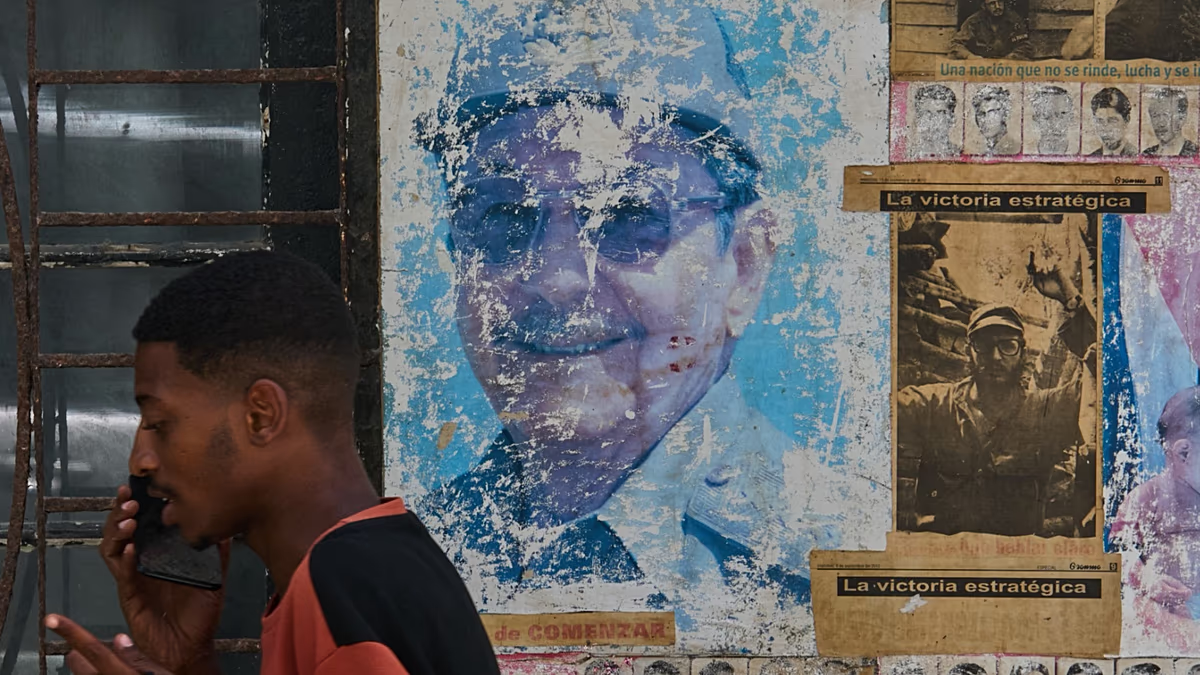
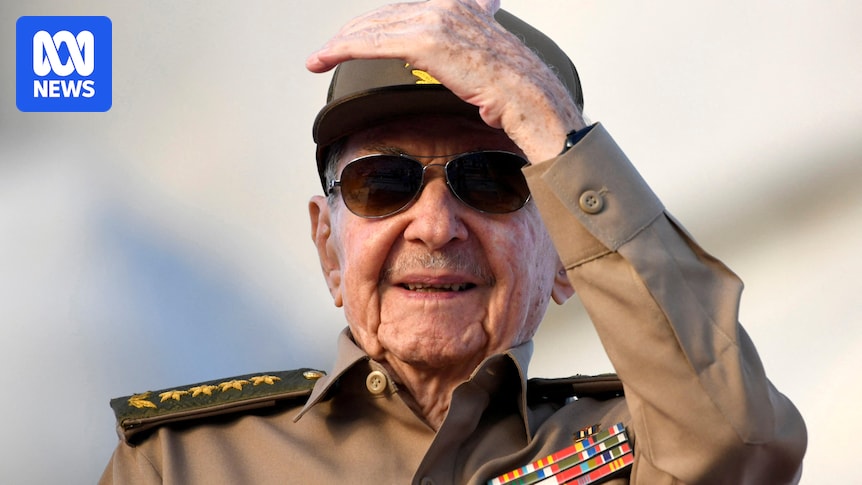
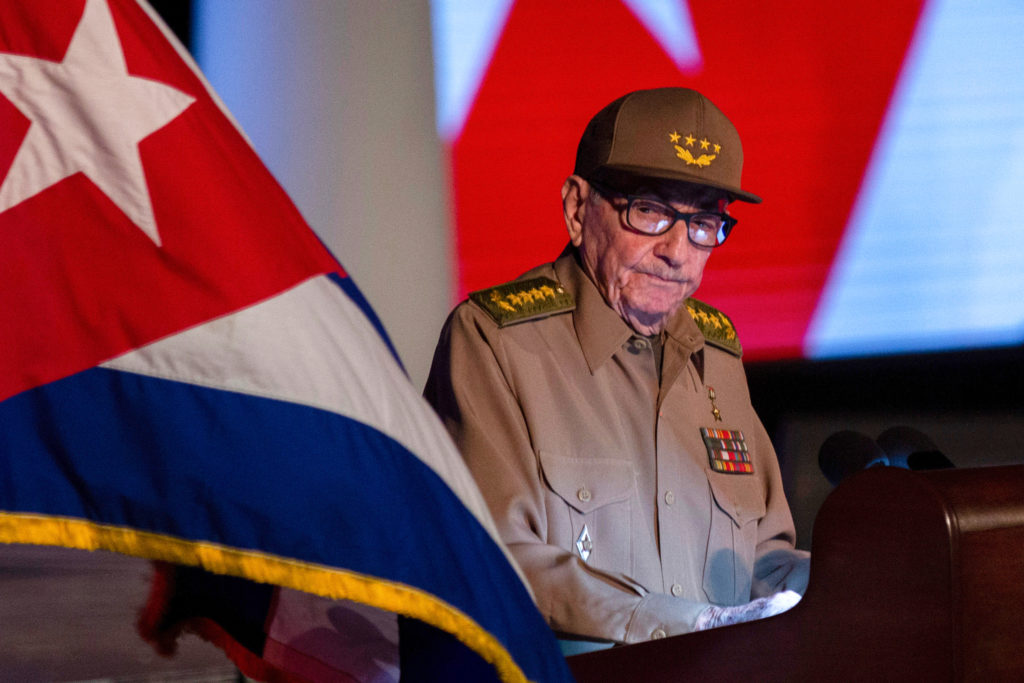
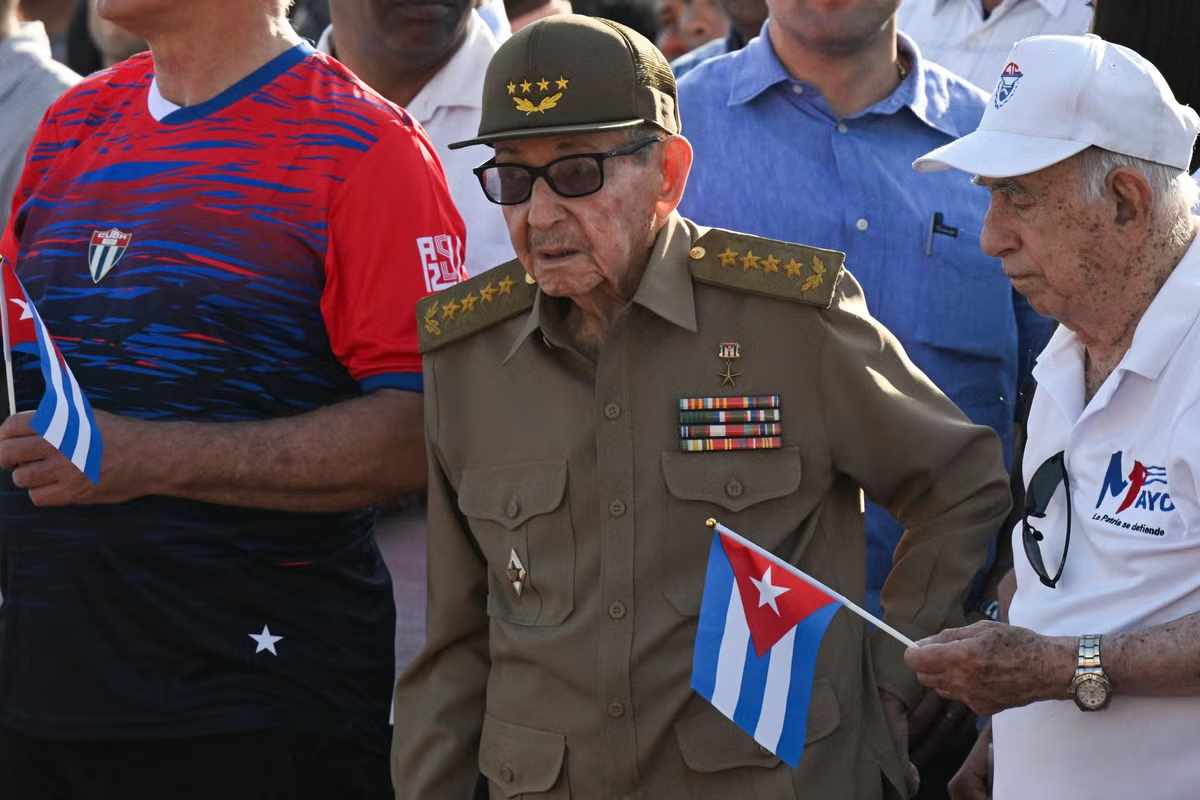
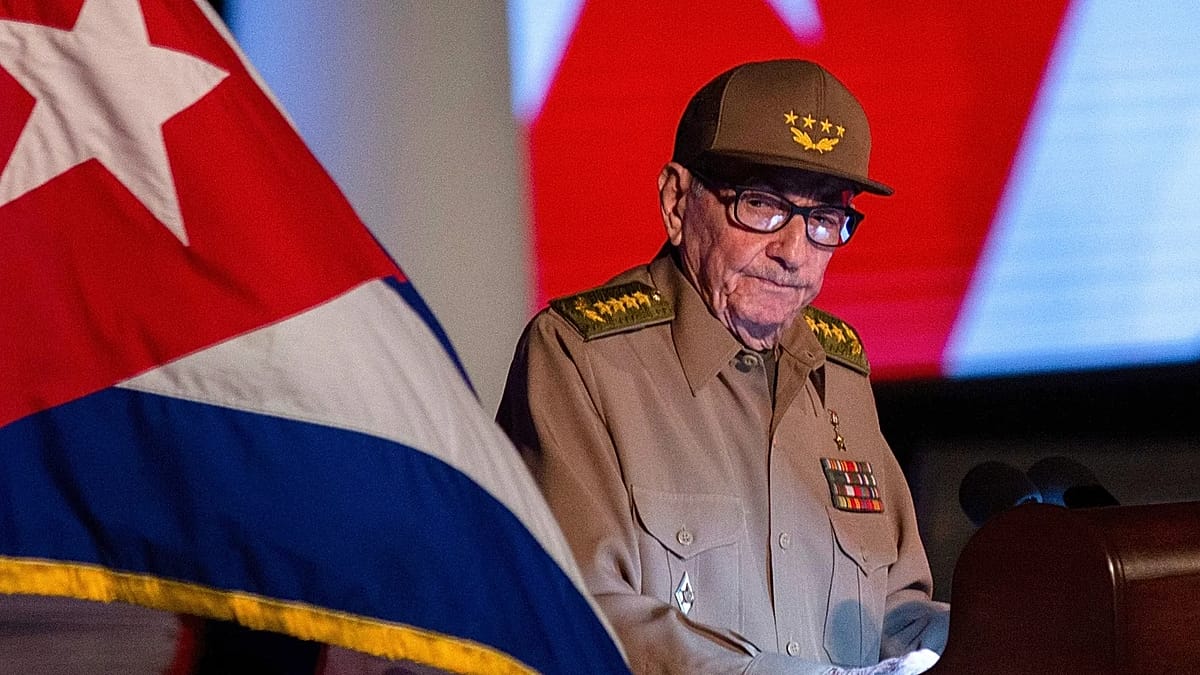
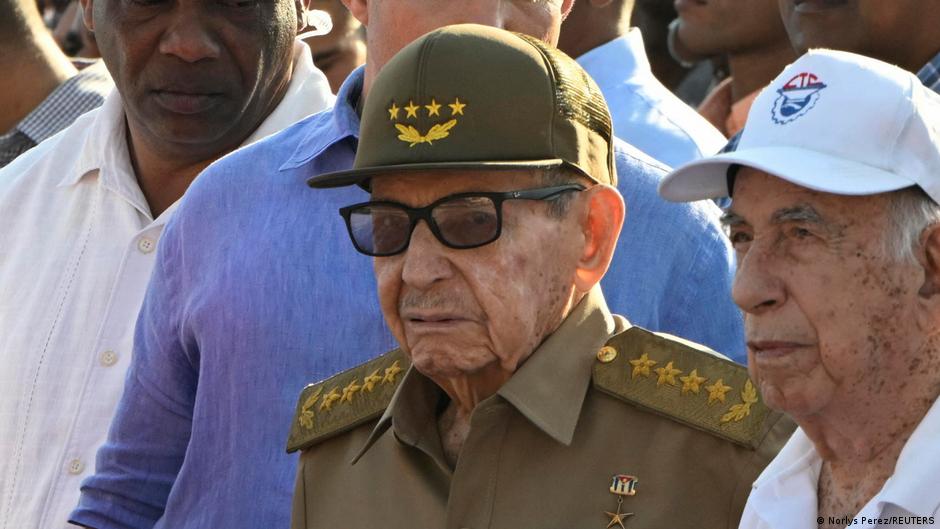
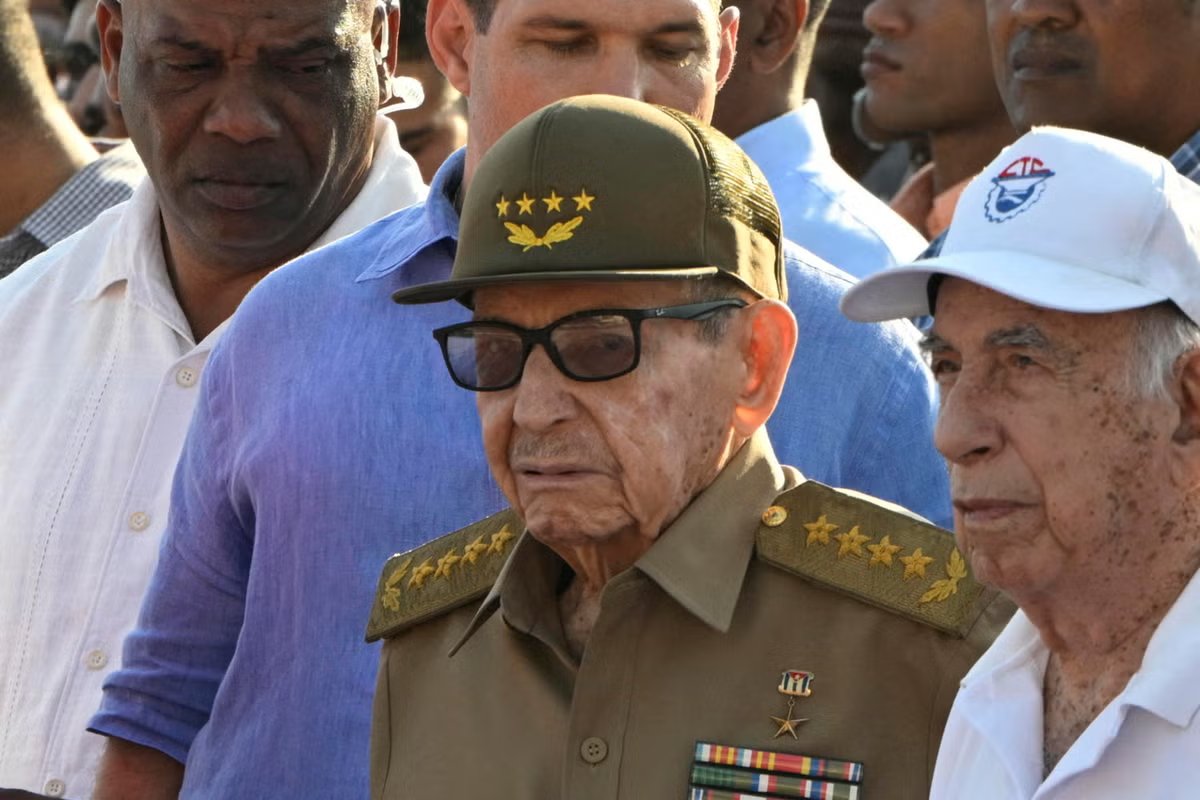
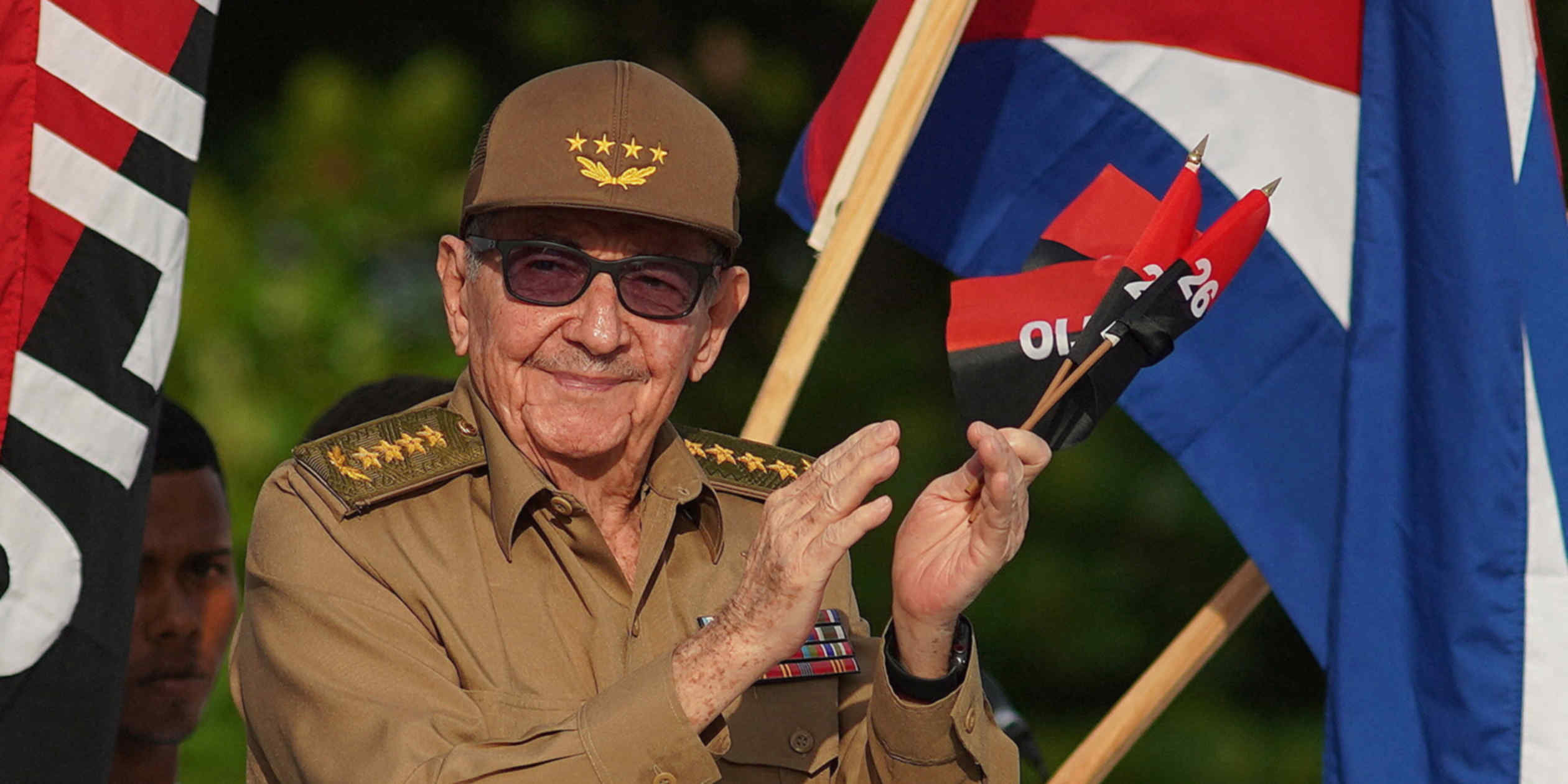
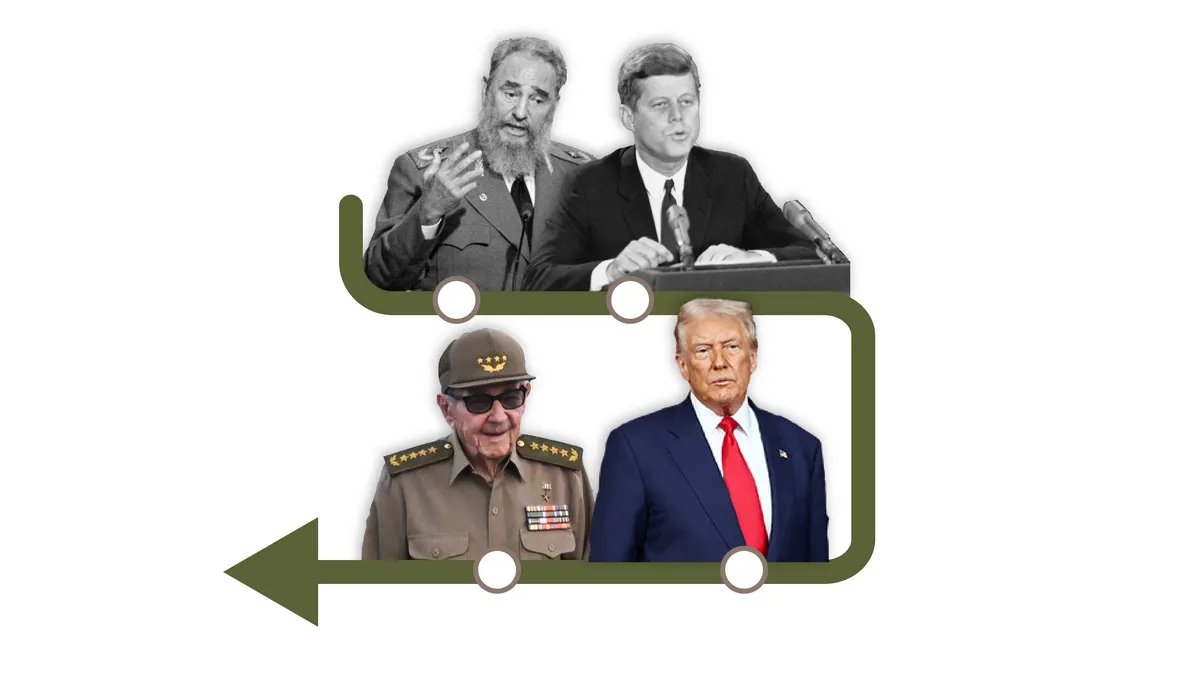
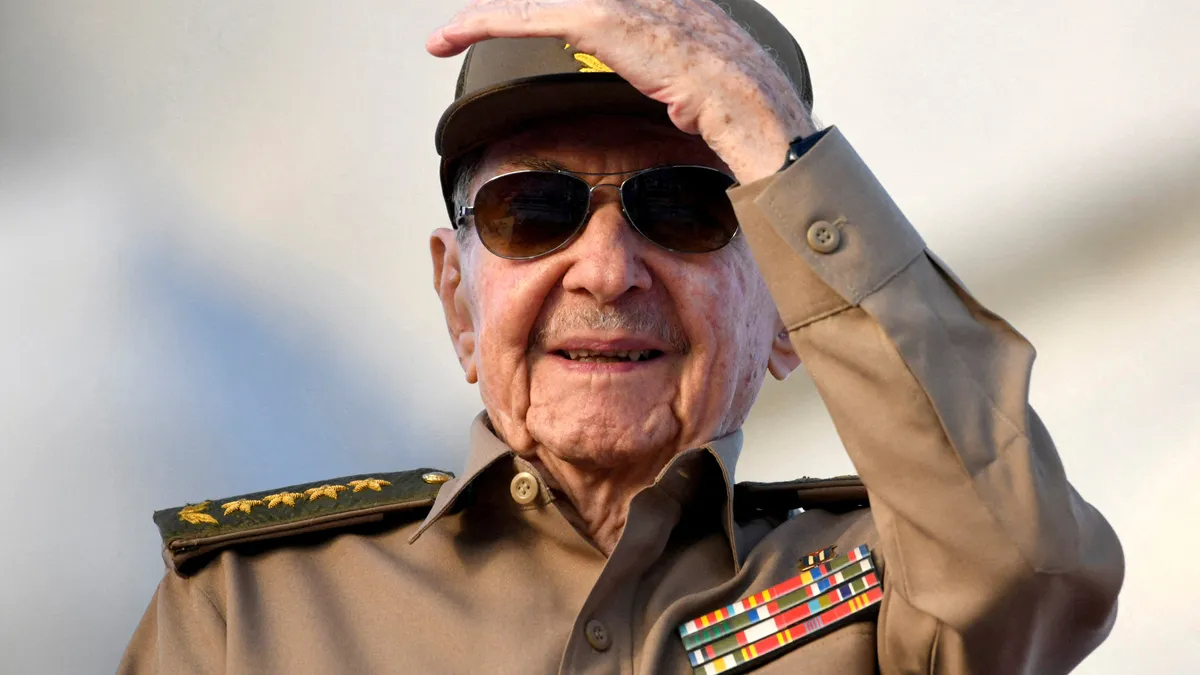
When Cuban leader Raul Castro welcomed President Barack Obama to Havana in 2016, it marked a historic reopening of diplomatic relations announced a year earlier between longtime Cold War adversaries – and a rare window for change.Castro, who had taken over from his charismatic revolutionary brother Fidel, wanted to lift the U.S. embargo. Obama wanted economic and human-rights reforms. Some saw the chance to steer Cuba to a model like Vietnam, where communist rule coexisted with a thriving economy.“He had a huge opportunity," said Sebastián Arcos, interim director of the Institute for Cuban Studies at Florida International University. But it wasn’t to be.Whether Raul Castro was more motivated by reform or staying in power, that opening slammed shut in 2017 when U.S. President Donald Trump shut down rapprochement and began to ratchet up the pressure on the island nation.Now that pressure is targeted squarely on Castro, the last surviving historical leader from the revolution: 94 years old, visibly fragile and presiding over a country facing daily blackouts.The Justice Department unsealed a murder indictment against the former Cuban president on May 20. The US charged charged Castro with four counts of murder, accusing him of ordering Cuban military jets in 1996 to shoot down civilian planes flown by a Cuban-exile aid group and killing four people aboard.That could presage a U.S. military action to remove Castro as occurred in Venezuela, where the U.S. military arrested and extracted former president Nicolás Maduro. The United States has also recently offered an economic deal if changes are made. The indictment and U.S. pressure mark a dramatic late-stage chapter for a leader who for decades labored in Fidel's shadow, the organizer and administrator behind the showy orator.Though many were skeptical he could take the reins when Fidel Castro stepped down, Raul Castro turned out to be a more skilled political chess player than expected. He coalesced military and economic power behind him, making some economic reforms and agreeing to a historic opening with Obama while seeking to keep Cuba postured as a communist stalwart in the hemisphere.Despite his advanced age, Castro is viewed as holding sway over the government and its revolutionary legacy. But his end game is now in question. From little brother to revolutionary defense ministerRaul Castro, who grew up with his brother in Birán, Cuba, a small village in eastern Cuba in the 1930s. He was in his 20s when he was among dozens of revolutionaries packed in the 60-foot boat called the Granma, splashing ashore from exile with Fidel Castro in 1956.After the government detected and attacked them, Raúl was one of only 12 fighters who reached safety in the Sierra Maestra mountains. There, the Castros led the guerrilla war that ended with the overthrow of dictator Fulgencio Batista three years later, in 1959.While he was always the quiet one compared to the charismatic Fidel, he became known for instances of ruthlessness. In 1959, he led the execution of dozens of Batista officers and supporters in Santiago de Cuba.A victorious Fidel Castro, who nationalized businesses and properties owned by Americans, further alienated the United States by allying with the Soviet Union, setting up what would be a decades-long Cold War clash. Raul Castro spent decades as his brother’s defense minister, playing a secondary role to the cigar-smoking “Comandante Maximo,” said Peter Kornbluh, a Cuba specialist with the National Security Archives and the author “Back Channel to Cuba: The Hidden History of Negotiations between Washington and Havana.”“He was kind of to Fidel what Robert Kennedy was to John Kennedy,” Kornbluh said.In 1961, Castro helped turn back the Bay of Pigs invasion supported by the Kennedy Administration, often executing the wishes of his brother. “Fidel didn't care about anything other than his own image. Raoul was more pragmatic,” said Arcos.As defense minister, Raul Castro oversaw Cuba's overseas military interventions, particularly in Africa, including Angola. He was a liaison to communist leaders in the Soviet sphere. He was still in the role during the “Special Period” of the early 1990s, a time of shortages and rationing when the Soviet Union’s collapse ended financial subsidies and caused severe economic struggle. Meantime, the U.S. tightened the embargo against Cuba. This was the decade of the deadly shootdown connected to the U.S. indictment.Audio recordings showed Raul Castro admitting to giving the orders to shoot down the Cessnas operated by Brothers to the Rescue, according to a 2006 article in El Nuevo Herald.”I told them [the MiG pilots] to try to knock them down over [Cuban] territory, but they [the Brothers to the Rescue aircraft] would enter Havana and go away," the voice alleged to be Raúl Castro's said on the recording. "Of course, with one of those missiles, air-to-air, what comes down is a ball of fire that will fall on the city. ... Well, knock them down into the sea when they reappear." Kornbluh says that Cuban officials in the year prior repeatedly urged the U.S. to stop the provocative flights, which began by helping spot Cuban rafters and later would drop leaflets over Cuba. Some senior U.S. officials tried unsuccessfully to stop the flights.Cuban air force MiG fighter jets shot down two planes. A third, carrying José Basulto, 85, founder of the Miami-based exile group Brothers to the Rescue, escaped.Former Cuban President Raul Castro indicted over 1996 incidentRaul Castro, the former president of Cuba, was indicted. He is accused of ordering planes operated by a humanitarian group to be shot down in 1996.A reluctant reformer In 2008, after an aging Fidel Castro became ill, Raul was formally named as president, finally stepping out of the shadows but remaining a far less flamboyant figure.Adolfo Garcia, a multinational lawyer with Brown Rudnick who had dealings in Cuba, said that in the 2010s, Cuba's economy continued to contract despite oil subsidies from its ally Venezuela. In embracing a rapprochement with the United States under President Obama, Raul Castro, long seen as an ideologue by Cubanologists, played the hand of a pragmatist."It was a very difficult economic time for Cuba," Garcia said. "And I think Raul Castro saw an opportunity or an opening. In a way, I would put it to have his cake and eat it too – to be able to maintain [power] without changing the government, without changing the regime, without changing the system."During the Obama opening period, Garcia remembers how he and others were inundated by companies seeking to invest in tourism, biotechnology, fiber optics and health care.There were some years of economic growth, the expansion of the private sector and U.S. cooperation on issues such as narcotics and migration, Kornbluh said. But Cuba was also slow in licensing U.S. companies that wanted to set up shop in Cuba. Former national security adviser and diplomat John Bolton doubts that Raul Castro had any interest in making a deal that would satisfy the desire for democracy in Cuba. Around that same time, Castro was expanding the GAESA group, a business conglomerate connected to the military that had its hand in various industries. It’s been the target of recent U.S. sanctions. Over time, Raul did enact reforms – though not democratic ones – such as expanding small-scale private businesses. Kornbluh said he helped expand access to the Internet and changed rules and rhetoric about migrants, long called "gusanos,” or worms. He saw their potential to support the state by sending back money. Problems persisted, with the economy stagnant and Cubans still seeking to leave the country. By 2018, Raul stepped down as president but retained significant power within Cuba's Communist Party, armed forces and state institutions, according to Reuters. Miguel Diaz-Canel was appointed president but was and still is widely thought to answer to Castro. While he’s not likely making most day-to-day decisions, Raul Castro still “holds historical sway over the country’s governing system and decisions about its future,” Kornbluh said.Castro’s endgame Recently, CIA Director John Ratcliffe met with Cuban officials including Raúl’s grandson, Raúl Guillermo Rodríguez Castro, known as “Raulito,” who is an intelligence official, to deliver Trump’s ultimatum on economic and security demands. It came at a time when Cuba was running completely out of diesel and fuel oil. Blackouts stretched for much of the day. President Trump has said Cuba would be “next” after Venezuela. Castro last appeared in public on May 1 for International Workers' Day, Reuters reported, wearing a military uniform alongside Diaz-Canel, but appeared fatigued and had to sit down suddenly during the ceremony.Former national security adviser and diplomat Bolton said he views Raul Castro as a revolutionary ideologue too long wedded to his fight against American interests."I don't think he's going to make a deal," Bolton said, adding that he believes “the regime is playing for time, hoping they can get more concessions."Ahead of the indictment, Bolton, said the Trump administration telegraphed it was eyeing the Venezuela blueprint."Obviously, I think what the administration is thinking of is running the same playbook they ran against Maduro in Venezuela," he said. "And I don't know that that's going to work the same. It's a different situation."Bolton acknowledges the country’s economic state is grim, and protests continue. Nonetheless, neither Cubans on the island or outside of the country may be inclined to accept a change in leadership that stops short of ousting the entire regime.He also doubts that either Cuba's current president, Miguel Díaz-Canel, or Raúl Castro might be inclined to surrender like Maduro did."Especially as they look at what happened to Maduro, Miguel Diaz Canal is not going to walk up and say, 'OK, fine, I'll be happy to go to the U.S. as a hostage' and you can bet Raul Castro isn't about to do that either," Bolton said. Arcos said it’s likely that Cuba has protected Castro. “I'm sure they have been digging a very deep hole since January 3, when the U.S. took Maduro out, to make sure they don't take Raul,” he said. Still, at a time when “you had no food, housing falling apart, no medicine,” said Andy Gomez, retired professor Cuban studies at the University of Miami, “the frustration is huge among the Cuban people, yeah, and they have no solution. Raul has no solution on how to fix it.” Across Cuba, images of Fidel Castro are everywhere but there are far fewer of Raul Castro. Kornblau said that while Trump “wants to be the president who can say that he decapitated the Cuban revolution after all of his predecessors going back to Eisenhower failed to do so,” such a move carries high risk. “For better or for worse, Raul Castro is the last remaining living historical symbol of the Cuban Revolution,” he said. Recently, Castro published a message declaring he is “with one foot in the stirrup and ready to charge with the machete,” the outlet CiberCuba reported, as “one more fighter, against the enemy and our own mistakes.” Contributing: Reuters, USA TODAY reporter Rick Jervis