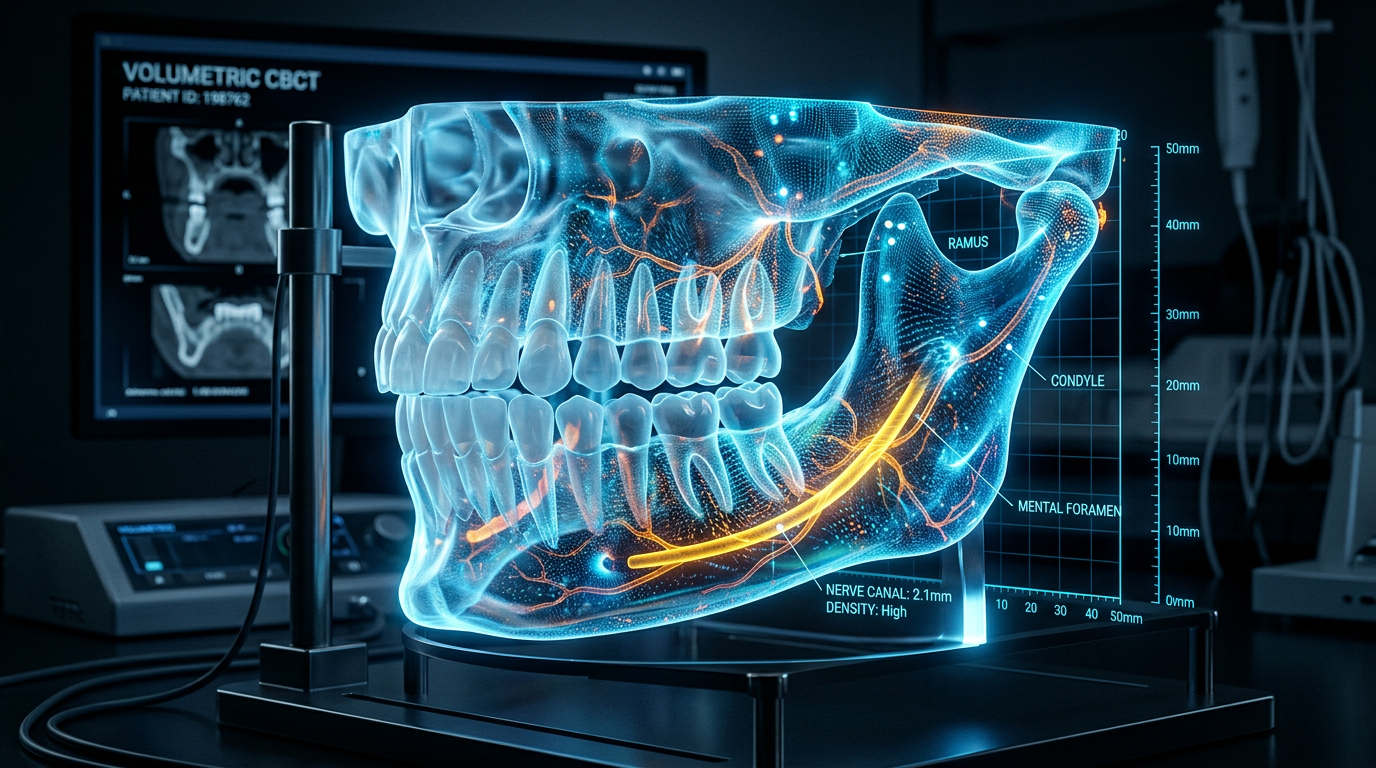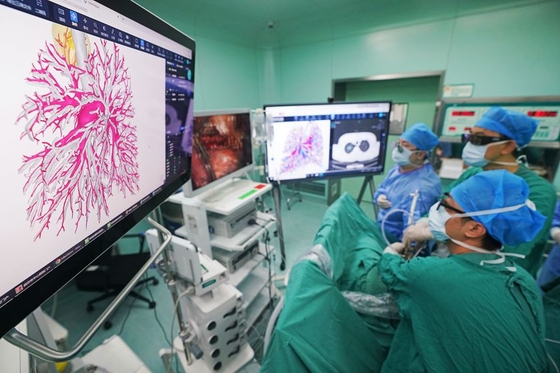
BEIJING — Within seconds, an artificial intelligence-powered "smart brain" at the West China Hospital of Stomatology can diagnose more than 30 common dental diseases. It even generates "visualized" diagnostic charts to help patients better understand their conditions.
Industry insiders said they believe that technology is helping narrow the information gap between doctors and patients.
"We used to spend a lot of time explaining complex medical terms that patients often struggled to grasp. Now, AI helps patients understand their conditions more intuitively," said Wang Chenglin, a dentist at the hospital.
At the hospital, a clinical-grade large model for oral pathology serves as a "cloud mentor" for junior doctors, enabling early detection and treatment with an accuracy of 80 to 90 percent.
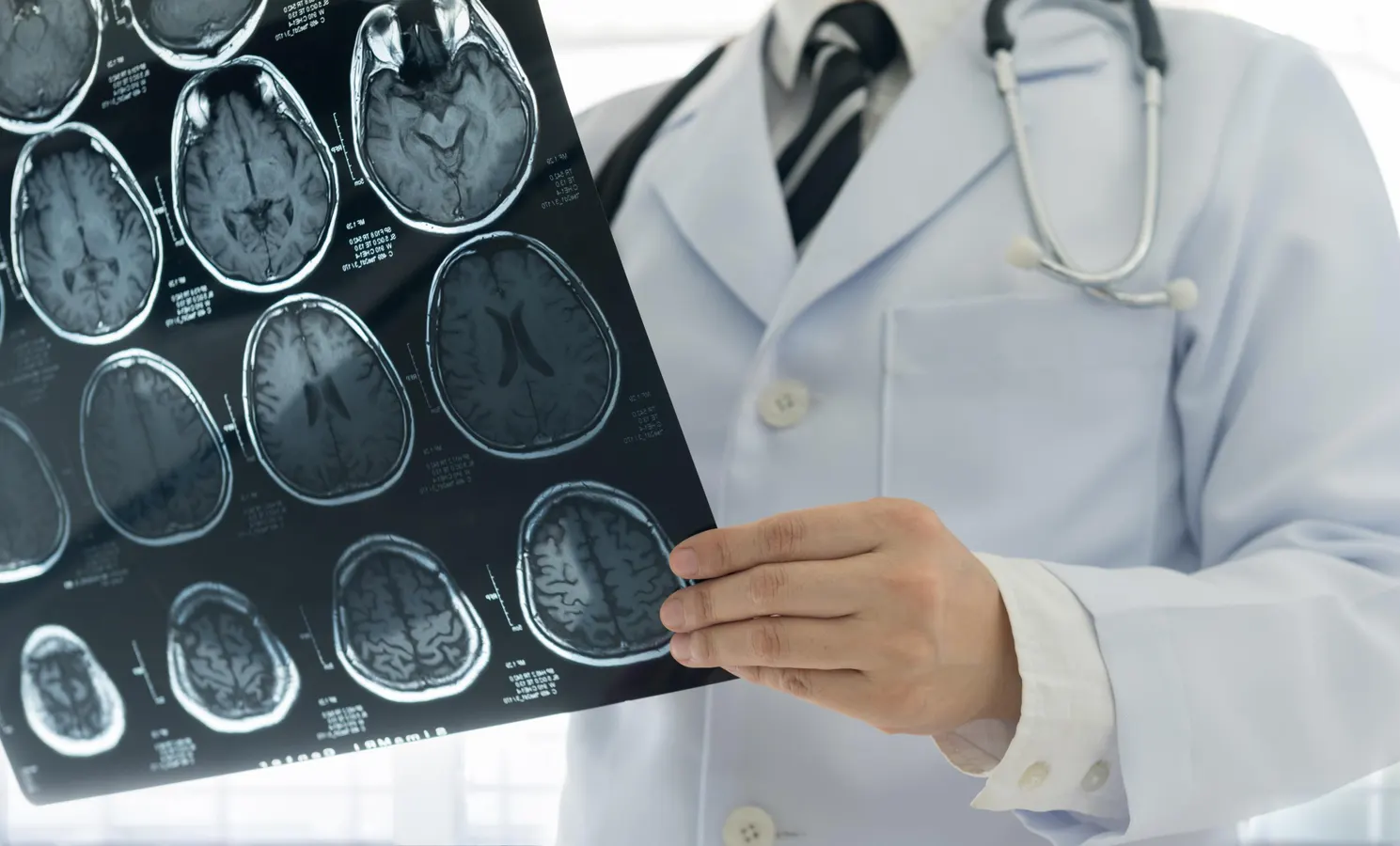
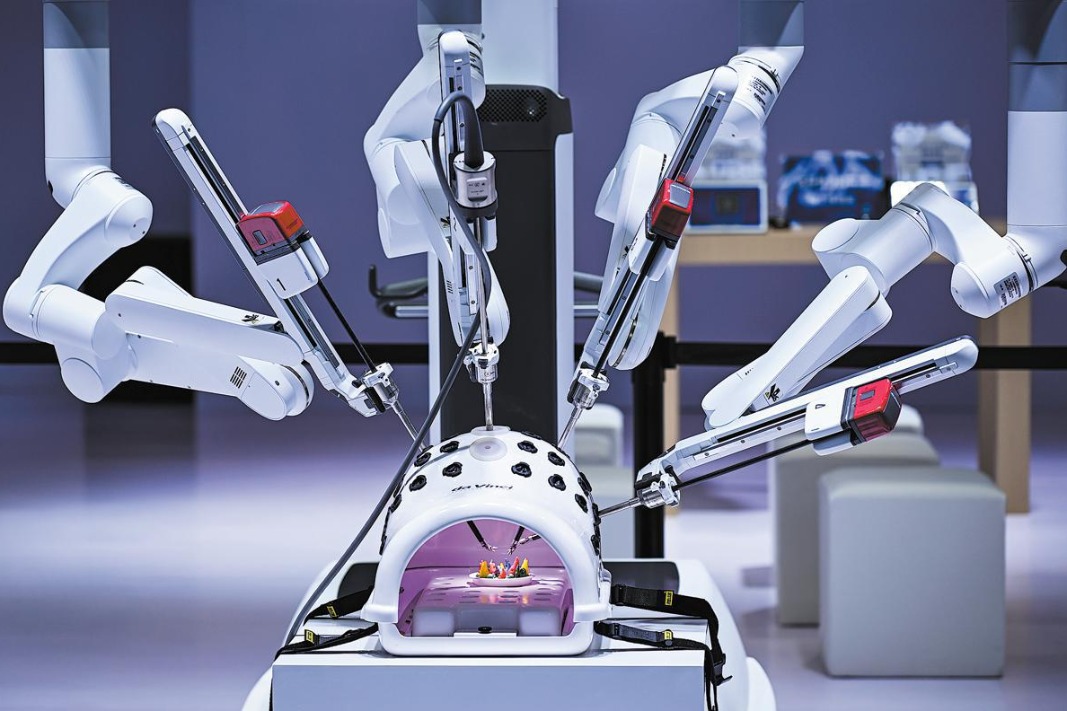
The hospital's AI practice reflects a broader trend across China. From interpreting medical images to assisting clinical decisions and even predicting disease risks, AI is reshaping how doctors work and how patients receive care. This progress has been supported by a national drive to boost AI-powered healthcare. In 2025, China issued a set of guidelines to promote the use of AI tools to improve the quality of the country's healthcare services.