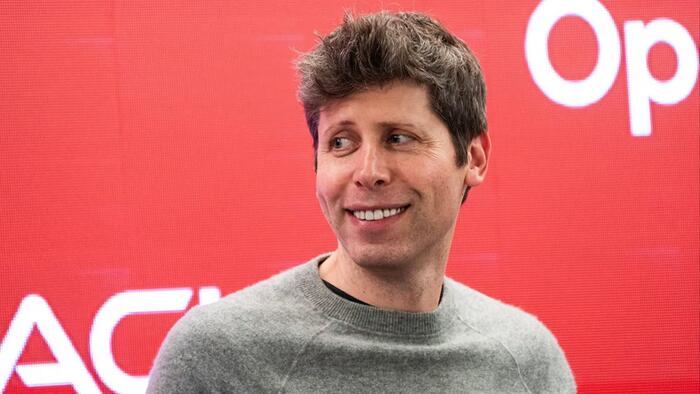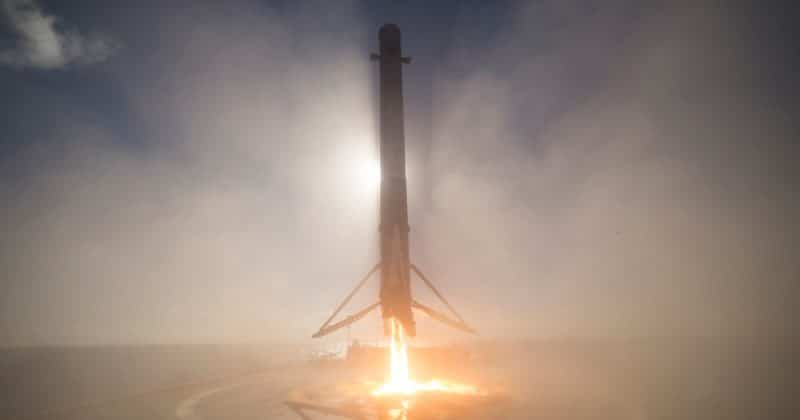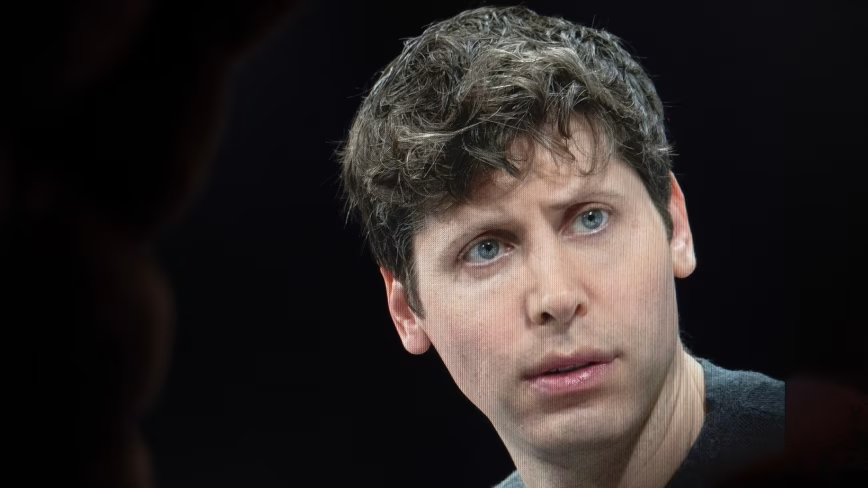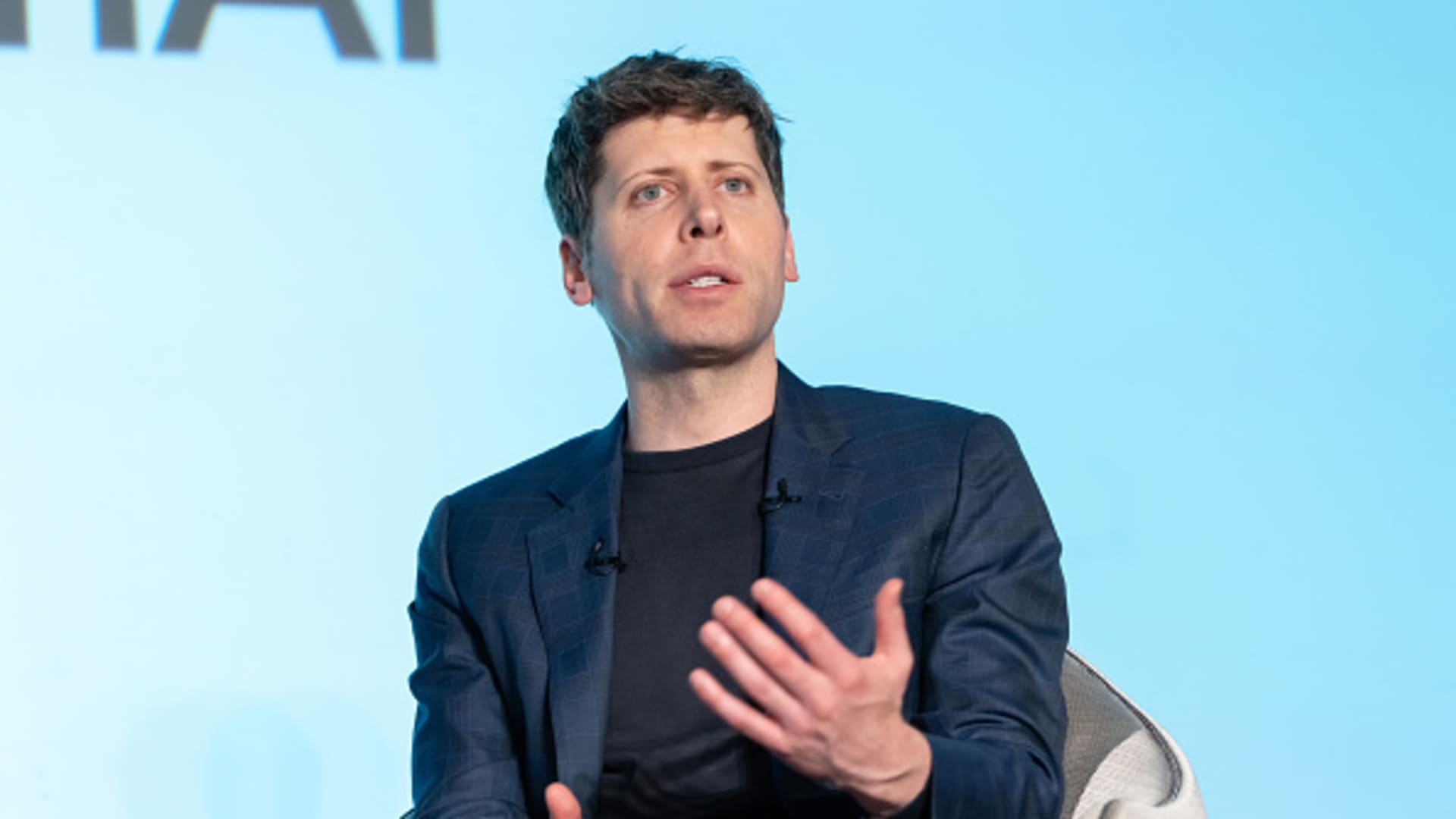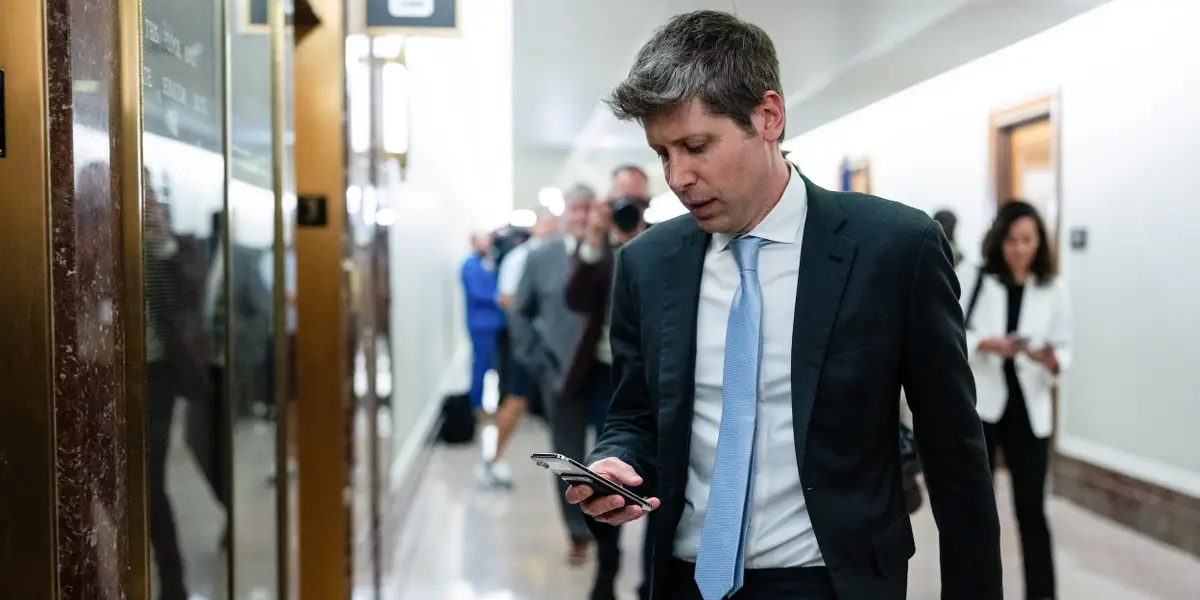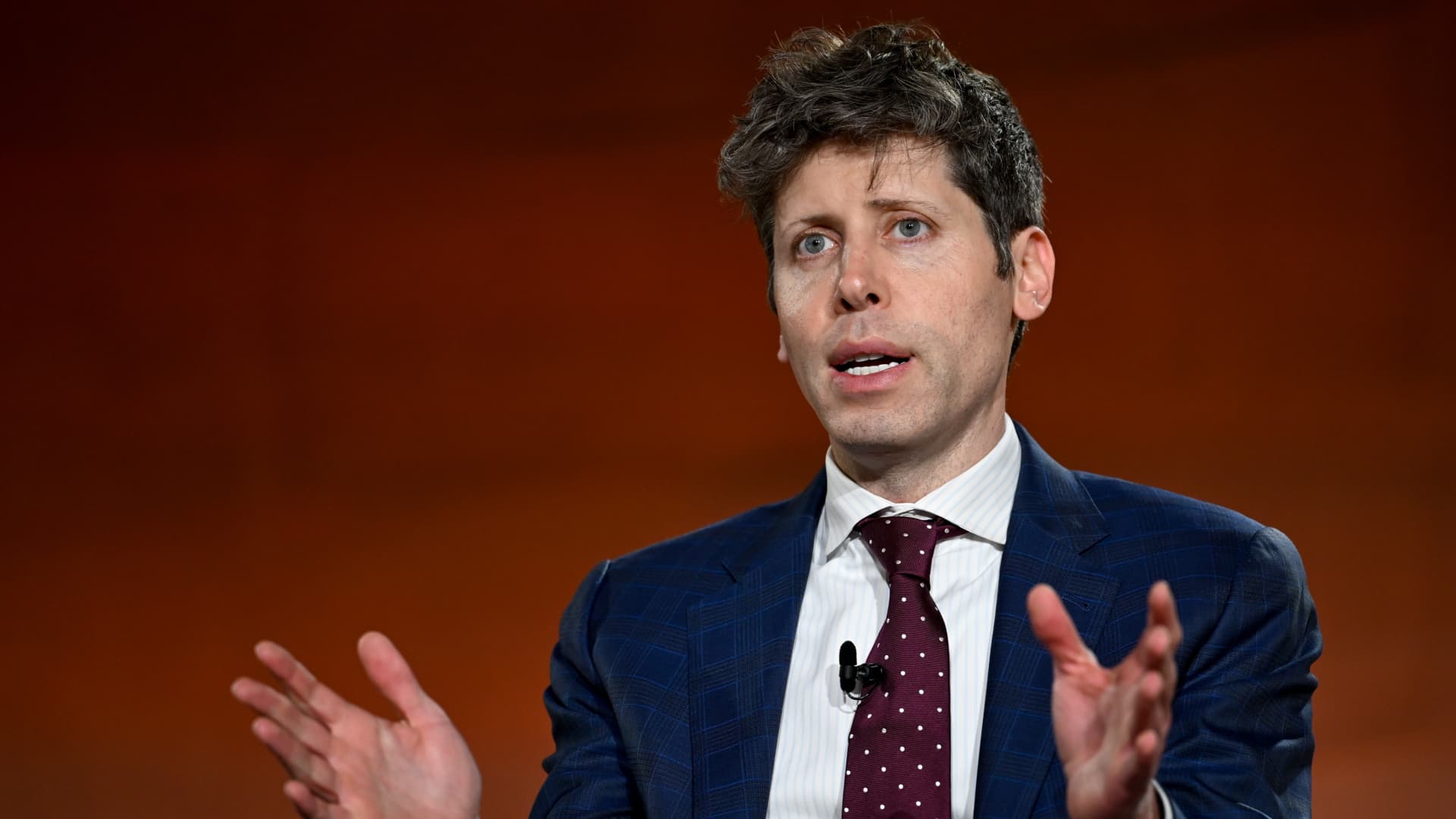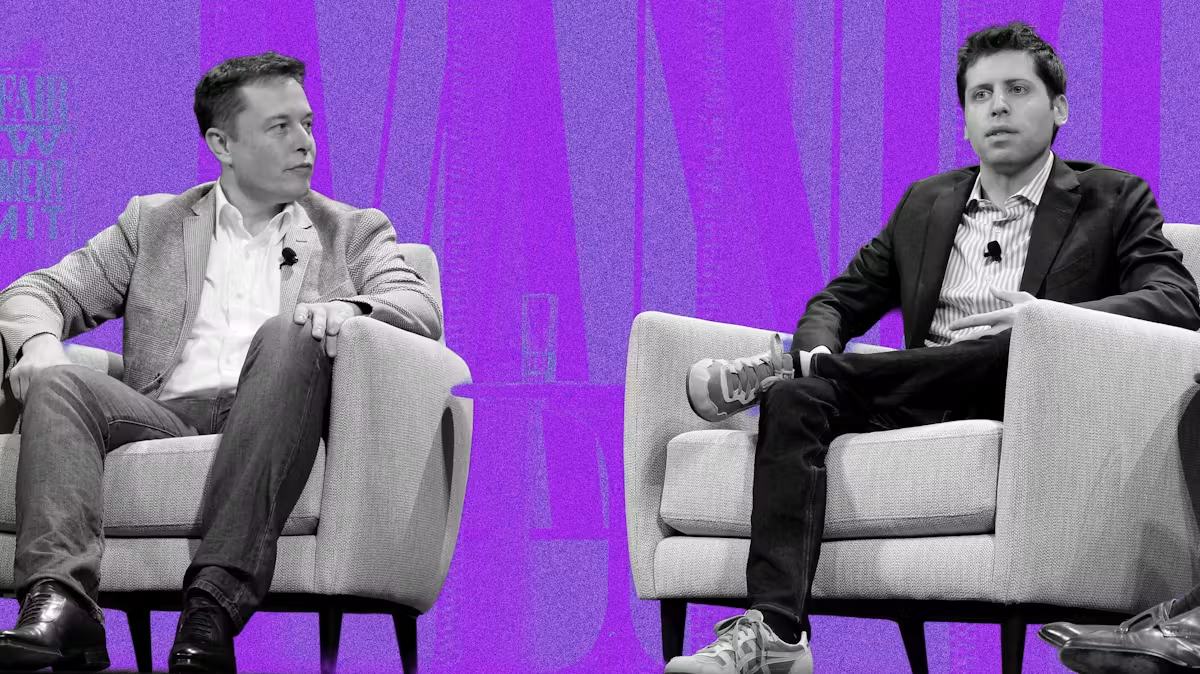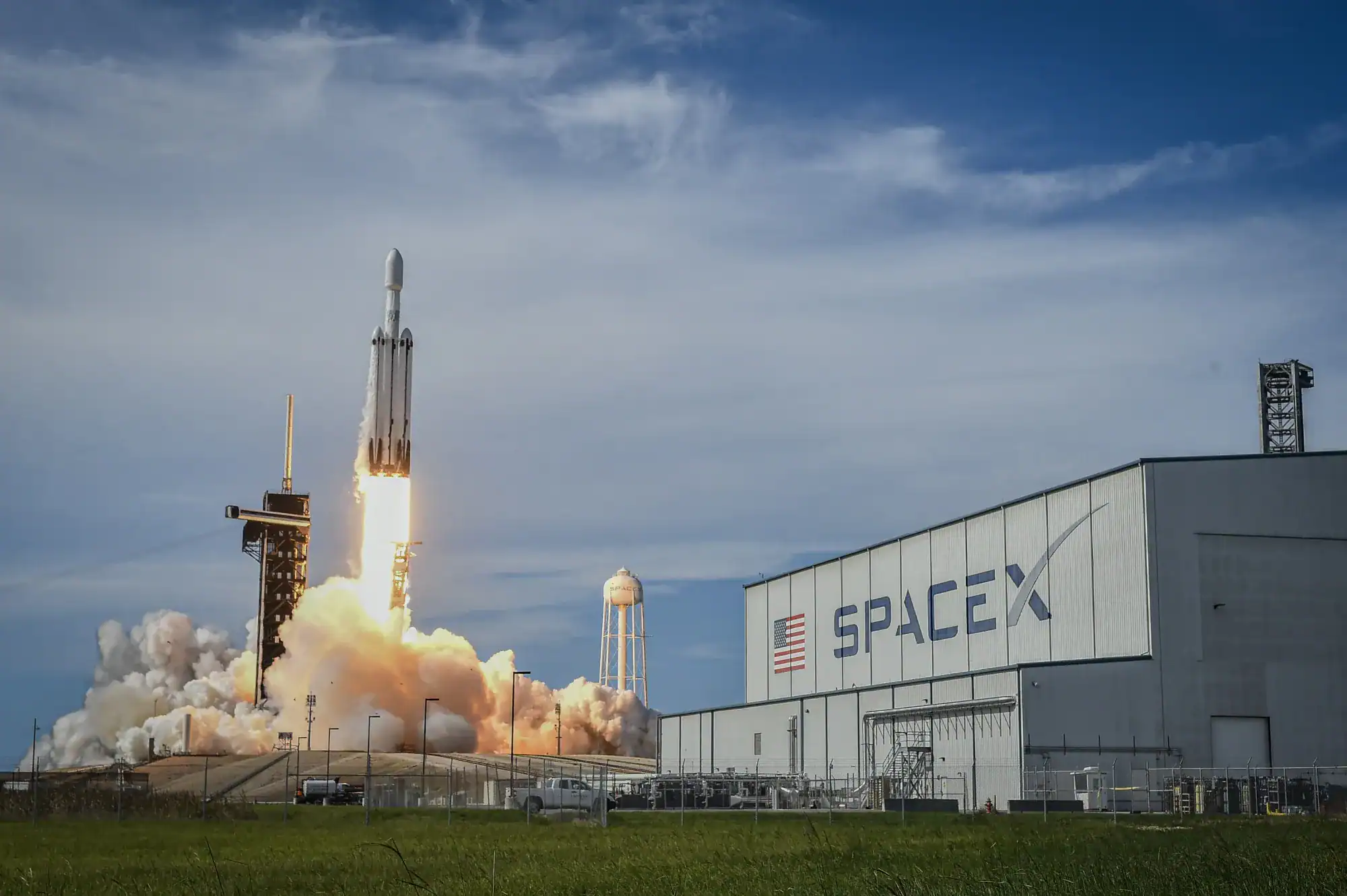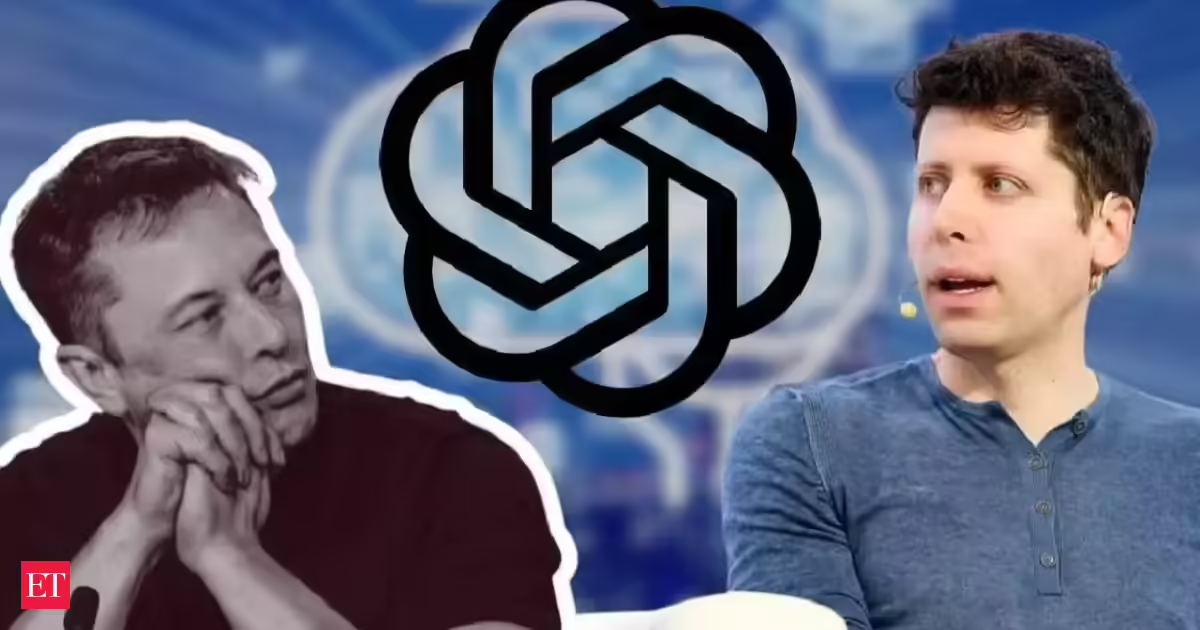
OpenAI IPO: The most consequential IPO race in stock market history is unfolding in real time. On May 20, 2026, reports confirmed that OpenAI is preparing to file a confidential IPO prospectus as soon as this Friday — the very same day SpaceX is expected to release its own public S-1 filing to investors. Two trillion-dollar AI companies. One week. A market that has never seen anything like this before.Goldman Sachs and Morgan Stanley are handling both offerings — a fee concentration with no modern precedent in equity capital markets history. OpenAI is targeting a public debut by September 2026, eyeing a valuation north of $1 trillion.SpaceX is targeting a Nasdaq listing under ticker SPCX on June 12, 2026, with $75 billion in gross proceeds that would shatter every IPO record on file.Both companies are racing to define the first US benchmark for pure-play AI valuation. The company that goes first writes the pricing rules for everything that follows — including Anthropic, which is separately preparing its own IPO at an estimated $900 billion valuation. Whoever wins this race does not just raise capital. They set the ceiling, or perhaps the floor, for the AI era's first reckoning with public markets.OpenAI IPO filing could come before SpaceX goes public: Will Sam Altman beat Elon Musk in the biggest AI and space market race of 2026?SpaceX moved first in the filing race. The company quietly submitted a confidential S-1 to the SEC on April 1, 2026, under the internal codename Project Apex. Its public prospectus was widely expected to drop on May 20 — today — triggering a roadshow beginning June 4 and a pricing date of June 11. The numbers involved are staggering: up to $80 billion in gross proceeds at a valuation of roughly $1.75 trillion, backed by a 21-bank underwriting syndicate led by Goldman Sachs.But OpenAI's announcement today changes the competitive temperature considerably. Sources confirmed to Bloomberg, CNBC, and the Wall Street Journal that OpenAI is preparing to file confidential IPO paperwork within days or weeks, with Sam Altman targeting a fall 2026 debut.The company is valued at approximately $852 billion by private investors following a $122 billion funding round in March, and its bankers at Goldman and Morgan Stanley have been building the prospectus for months. The filing could arrive as early as Friday — potentially the same day SpaceX's public S-1 hits investor screens.Axios noted bluntly that the timing of OpenAI's announcement "seems timed to take some shine off the imminent IPO unveiling by Elon Musk's SpaceX."Both companies use many of the same banks. Both are pursuing a Nasdaq listing. Both are competing for the same institutional capital. The OpenAI IPO is no longer a distant event on the 2026 calendar. It is a rival bid for narrative control, announced within hours of SpaceX's underwriting structure being confirmed publicly.What the OpenAI and Anthropic IPO Valuations Actually Mean for InvestorsUnderstanding the OpenAI IPO requires separating two things that often get conflated: revenue momentum and profitability trajectory. OpenAI reported annualised recurring revenue exceeding $20 billion for 2025, driven by enterprise subscriptions and API usage. That is impressive by almost any standard in technology history. But the company has also missed monthly revenue milestones several times in 2026, and ChatGPT stalled at around 900 million weekly active users — below internal targets — as competition from Google and Anthropic intensifies.The Anthropic IPO, also targeted for late 2026, presents a sharply different financial profile that will directly influence how investors price OpenAI. Anthropic's annualised revenue run rate expanded from $9 billion at end-2025 to over $30 billion in April 2026 — a pace of growth that analysts have struggled to model accurately. Roughly 80% of Anthropic's revenue comes from enterprise customers, compared to approximately 40% for OpenAI.According to Counterpoint Research, Anthropic led global LLM revenue share in Q1 2026 with 31.4%, narrowly ahead of OpenAI at 29%.The detail that public market investors are most likely to price as a premium: Anthropic projects breaking even by 2028, two years ahead of OpenAI's 2030 target. That gap is not just a financial footnote. It is the single most important variable in a sector where compute costs remain enormous and profitability timelines are murky.When the OpenAI IPO eventually sets a public valuation, it will be read against Anthropic's financials in real time. Both offerings will define the benchmark simultaneously — a competitive dynamic that has no parallel in technology IPO history.SpaceX, OpenAI, Anthropic: The Combined Market Impact No One Is Fully PricingThe downstream consequences of these three IPOs extend well beyond the companies themselves. The combined fundraising from SpaceX, OpenAI, and Anthropic — assuming a 5% free float applied to mid-point valuation estimates — would approach $200 billion. That would exceed total US IPO proceeds from all listings above $50 million market cap between 2022 and Q1 2026 combined. The math is not hyperbole. It is the actual structural reallocation of capital that passive fund managers running Nasdaq 100-tracking products are already beginning to model.The Invesco QQQ ETF, managing approximately $466 billion in assets, would be required to reduce positions in existing Nasdaq 100 constituents to accommodate SpaceX, OpenAI, and Anthropic upon index inclusion.The stocks most directly in the line of rotation include companies that investors have used as AI proxies: Microsoft and SoftBank, both of which hold OpenAI stakes that will be marked-to-market upon listing.Tesla, frequently traded as a Musk proxy, faces rotation pressure once direct SpaceX exposure becomes available. Rocket Lab — the only listed pure-play launch vehicle competitor — faces the most concentrated valuation risk the moment SpaceX discloses Falcon 9's unit economics in its public prospectus.On the enterprise software side, the disruption is already visible and quantifiable. Anthropic's Claude Code and Cowork products have triggered broad repricing across enterprise software; Salesforce and ServiceNow have each lost approximately a third of their market value year-to-date.Thomson Reuters, RELX, and FactSet have borne investor concerns over AI disruption to legal and financial data workflows. A near-trillion-dollar Anthropic public debut would entrench that repricing further. The IPO cycle does not create these pressures — it merely makes them permanent and undeniable.The Governance Questions That Will Define the OpenAI IPO NarrativeThere is a thread running through both the SpaceX and OpenAI IPO stories that institutional investors will need to resolve before they can price either offering with confidence: governance. SpaceX's dual-class share structure grants Elon Musk near-absolute voting control regardless of public shareholders' economic interest. That structure is common in Silicon Valley founder-led companies, but at a valuation of $1.75 trillion, the concentration is unusual even by tech standards.OpenAI's governance story is more complicated and arguably more consequential. The company has been operating through a conversion from nonprofit to for-profit status, a process still unfolding.CFO Sarah Friar told CNBC last month that it is "good hygiene" for a company of OpenAI's size to act like a public company — but she declined to comment on a specific IPO timeline. That careful language, combined with reported internal divisions about readiness, signals that the company is managing external expectations deliberately while accelerating internal preparations.The OpenAI IPO will also carry the weight of regulatory scrutiny accumulating around AI at the federal level. Florida's attorney general has initiated a probe into OpenAI ahead of its public listing.A recent jury ruling in OpenAI's favour in Elon Musk's lawsuit — alleging the company prioritised profits over its founding mission — resolved one significant overhang, though Musk has indicated an appeal. For investors, these are not disqualifying risks. They are pricing inputs. And in a market where two competing AI giants are filing for the same pools of institutional capital within months of each other, every governance discount applied to one company is, indirectly, a valuation premium awarded to the other.
OpenAI IPO filing could come before SpaceX goes public: Will Sam Altman beat Elon Musk and Anthropic in the biggest AI and space market race of 2026? Complete details on Wall Street’s largest IPO wave
OpenAI IPO: Wall Street is entering its biggest IPO wave since 2022. OpenAI, SpaceX, Anthropic, Shein, and Kunlunxin could together raise nearly $200 billion. OpenAI may file for its IPO before SpaceX goes public. That changes the entire AI market race. Investors are now watching Sam Altman, Elon Musk, and Anthropic more closely than ever. These mega IPOs could reshape Nvidia, Microsoft, Nasdaq, AI stocks, tech valuations, and global markets. The battle is no longer only about innovation. It is about who controls the next trillion-dollar economy.
1,290 words~6 min read