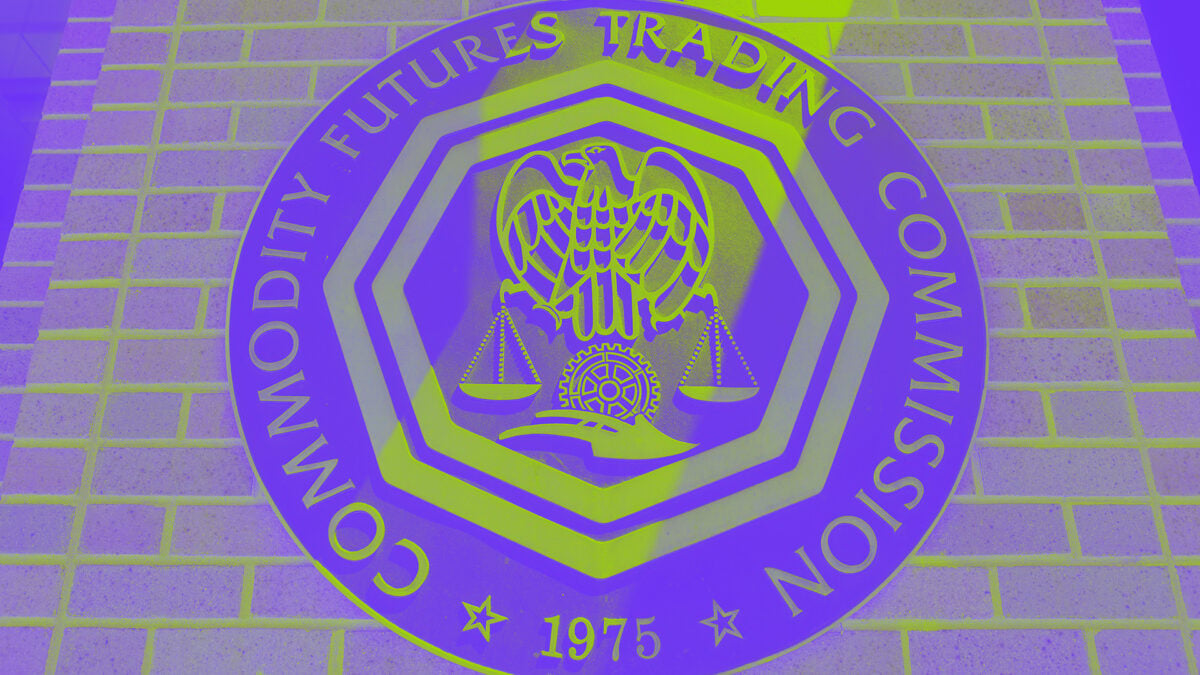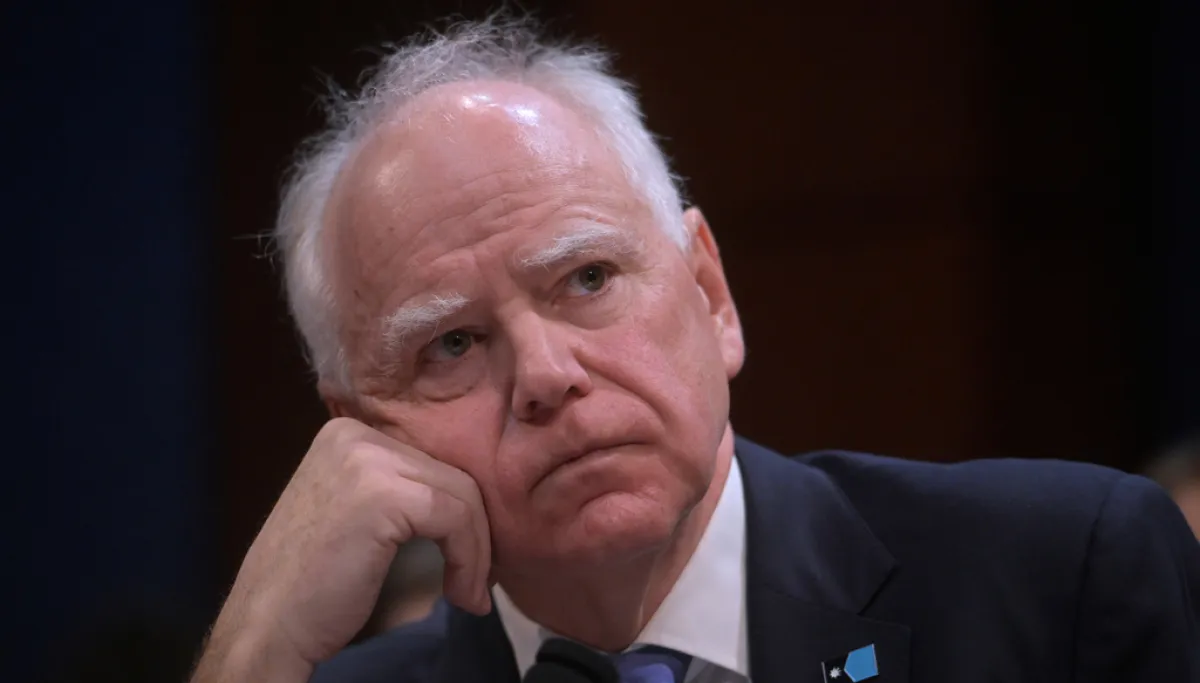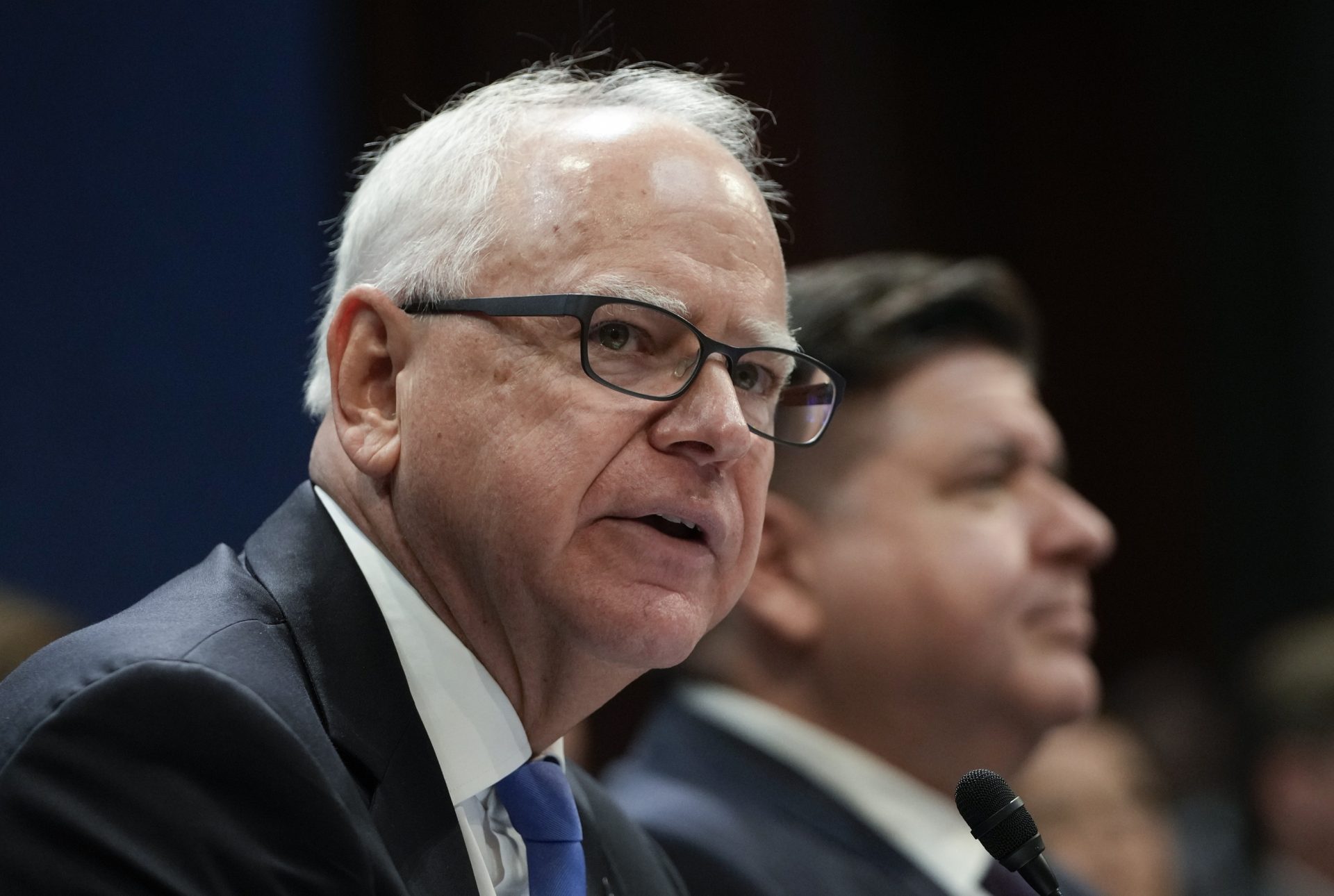
Minnesota just became the first US state to outright ban prediction markets, and the federal government responded in roughly the time it takes to place a bet. Governor Tim Walz signed the legislation into law on Monday, and by the next day, the Commodity Futures Trading Commission had filed a lawsuit against the state.
The speed of that legal response tells you everything about the stakes here. This isn’t just a fight about whether Minnesotans can wager on election outcomes or sports results. It’s a jurisdictional turf war that could define how prediction markets, and the crypto platforms that power many of them, operate across the country.
What the ban actually does
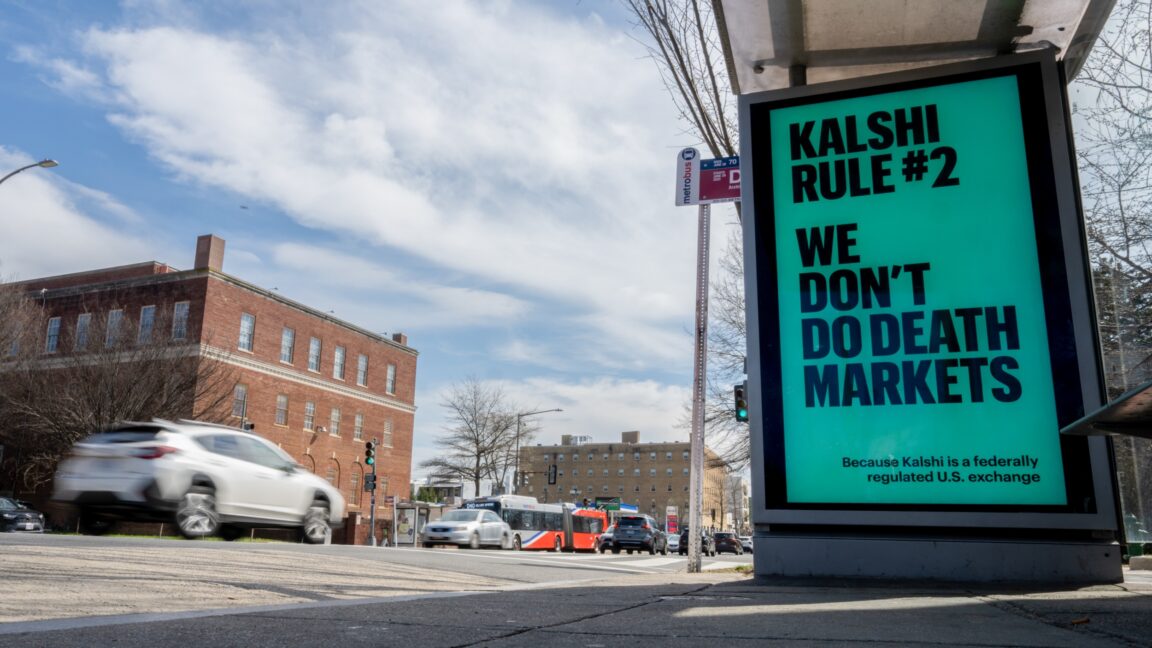
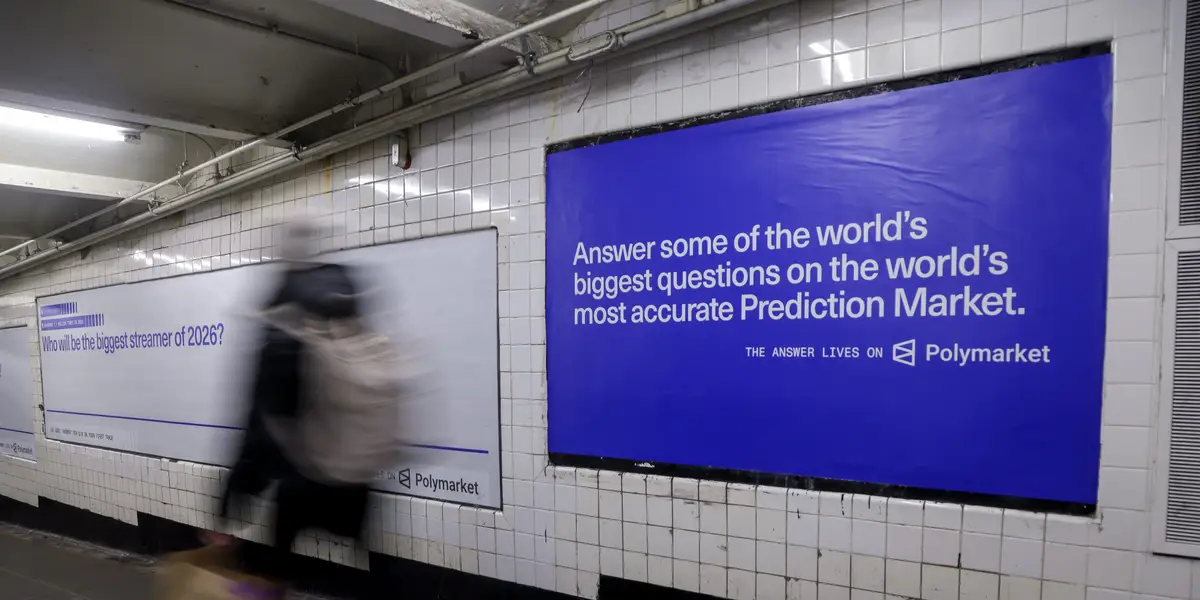
Minnesota’s new law doesn’t just restrict prediction markets or add compliance hurdles. It criminalizes the hosting, operation, and advertising of prediction markets within the state. Platforms like Kalshi and Polymarket, two of the biggest names in the space, are the obvious targets.
The legislation was attached to a broader public safety bill. It passed the state Senate with a 56-10 vote and received bipartisan support in the House, suggesting this wasn’t some last-minute partisan maneuver. Lawmakers on both sides of the aisle apparently agreed that prediction markets needed to go.